

- News
- Politics
- Israel Signals Potential for Unilateral Action Amid Deepening Concerns Over Iran's Nuclear Program
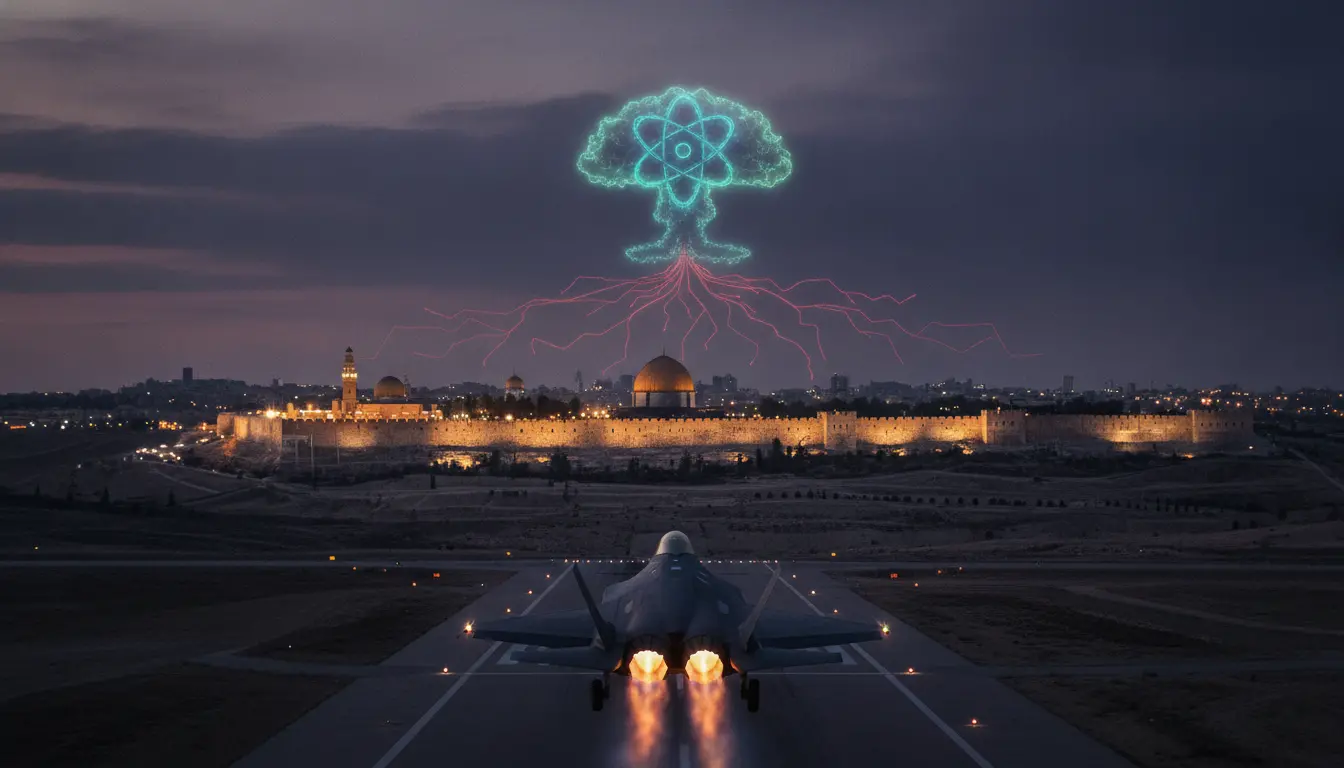
Israel Signals Potential for Unilateral Action Amid Deepening Concerns Over Iran's Nuclear Program
Jerusalem has escalated its rhetoric regarding Iran's accelerating nuclear program and its extensive regional proxy network, signaling a readiness for decisive action. Israeli leaders have vocally expressed profound frustration and alarm over any perceived diplomatic concessions or renewed overtures between Washington and Tehran, viewing such developments as direct threats to national security. The prevailing sentiment in Israeli defense and political circles is one of deep skepticism towards international efforts to contain Iran, fostering an environment where unilateral military options are increasingly discussed as a last resort.
For decades, Iran's nuclear ambitions have stood as Israel's paramount strategic concern. The 2015 Joint Comprehensive Plan of Action (JCPOA), a multilateral agreement designed to curb Tehran's nuclear capabilities, was vehemently opposed by successive Israeli governments, who argued it merely paved the way for future weaponization and failed to address Iran's ballistic missile program or its support for militant groups across the Middle East. While the U.S. withdrew from the JCPOA in 2018 under the Trump administration, recent discussions and reports of potential preliminary agreements have rekindled Israeli anxieties, leading to what sources describe as a sense of 'fuming' within the Israeli security establishment, labeling such outcomes a 'disaster' for their nation's safety.
Israeli intelligence assessments consistently highlight Iran's progress in uranium enrichment, particularly its ability to enrich uranium to higher purities and increase its stockpile, significantly reducing its 'breakout time' — the period required to produce enough fissile material for a nuclear weapon. Beyond the nuclear file, Israel remains deeply troubled by Iran's vast network of proxies, including Hezbollah in Lebanon, Hamas in Gaza, and various Shiite militias in Syria and Iraq, all of whom possess arsenals capable of targeting Israeli territory. This multi-front threat necessitates a comprehensive defensive and offensive strategy, with military planning constantly evolving to address both conventional and unconventional threats originating from or supported by Iran.
In this highly charged environment, the prospect of Israeli military action against Iranian nuclear facilities or strategic assets looms large. Such operations, if undertaken, would likely involve precision airstrikes designed to neutralize critical components of Iran's nuclear infrastructure, targeting facilities such as Natanz, Fordow, and Arak. Israel has a history of pre-emptive military strikes against perceived existential threats, notably the 1981 bombing of Iraq's Osirak reactor and the 2007 strike on a suspected Syrian nuclear facility. Any future operation would be meticulously planned to minimize civilian casualties while maximizing the impact on Iran's nuclear timeline, requiring extensive intelligence gathering, sophisticated air defense suppression, and precise targeting capabilities.
The strategic calculations behind such an immense undertaking are complex and fraught with peril. A major military confrontation would undoubtedly carry significant regional and global ramifications, potentially igniting a wider conflict across the Middle East. Iran has repeatedly threatened retaliation against Israel and U.S. interests in the region, raising the specter of missile attacks, cyber warfare, and proxy engagements. The international community, particularly key world powers, would face immense pressure to de-escalate tensions, while global energy markets could experience severe disruption. The delicate balance of power in the Levant and Persian Gulf would be irrevocably altered, impacting alliances and geopolitical alignments.
Ultimately, Israel finds itself navigating a perilous geopolitical landscape, balancing the imperative of preventing Iran from acquiring nuclear weapons with the desire to avoid a wider, destabilizing war. The ongoing diplomatic efforts by the United States, however well-intentioned, are viewed through a lens of profound mistrust in Jerusalem, where leaders prioritize immediate security concerns over long-term, unverified agreements. As Iran continues its nuclear advancements and bolsters its regional influence, the possibility of a direct military confrontation remains a tangible and constantly assessed option for Israel, underscoring the high stakes involved in this enduring and volatile regional rivalry.
Stay Informed. Act Smarter.
Get weekly highlights, major headlines, and expert insights — then put your knowledge to work in our live prediction markets.
Related News
Mounting Tensions Between Israel and Iran Fuel Fears of Broader Regional Conflict

US-Iran Tensions Escalate Amid Renewed Rhetoric, Raising Specter of Direct Confrontation

Heightened Geopolitical Tensions Spark Concerns Over Potential US-Iran Conflict

U.S. and Iran Face Growing Risk of Direct Military Confrontation Beyond Gulf's Strategic Waterways
Trump's 'Massive Attack' Rhetoric on Iran Stokes Fears of Renewed Middle East Conflict
United States Considers Direct Offensive Strikes Against Iranian Mainland Amid Heightened Regional Tensions

US-Iran Tensions Simmer Amid Regional Flare-ups, Raising Fears of Direct Conflict
US-Iran Tensions Soar Amid Escalating Strikes and Maritime Incidents in Gulf
Washington Faces Renewed Calls to Toughen Sanctions on Iran's Nuclear Program

Washington Weighs Escalation Amid Persistent Iranian-Backed Aggression in Middle East