

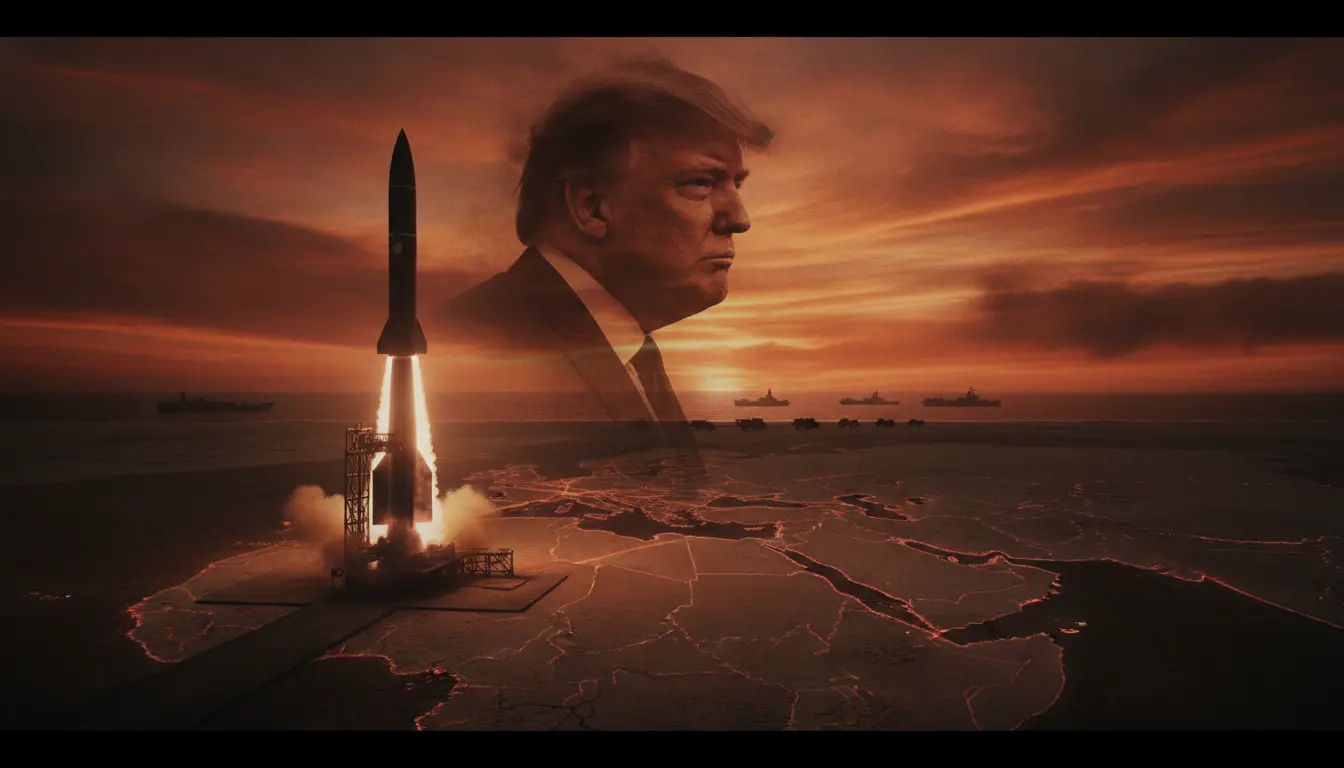
Trump's 'Massive Attack' Rhetoric on Iran Stokes Fears of Renewed Middle East Conflict
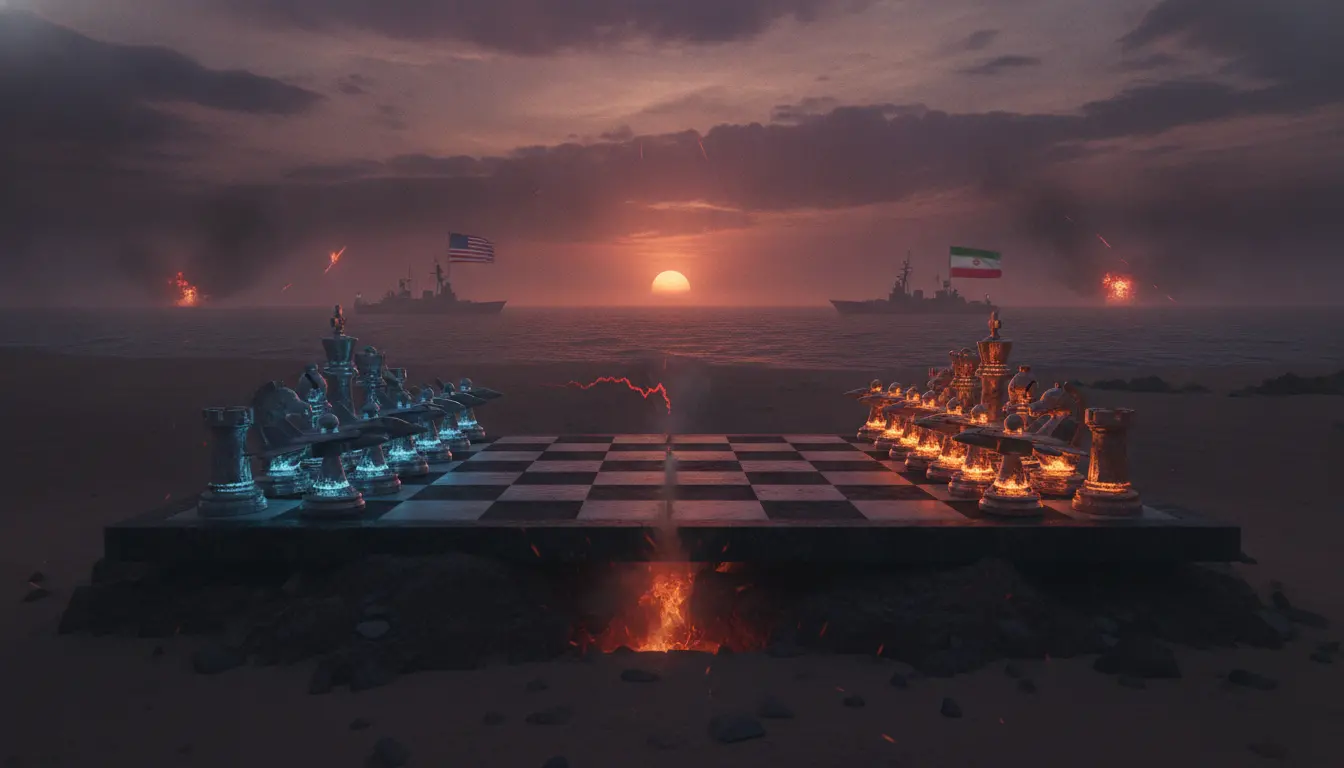
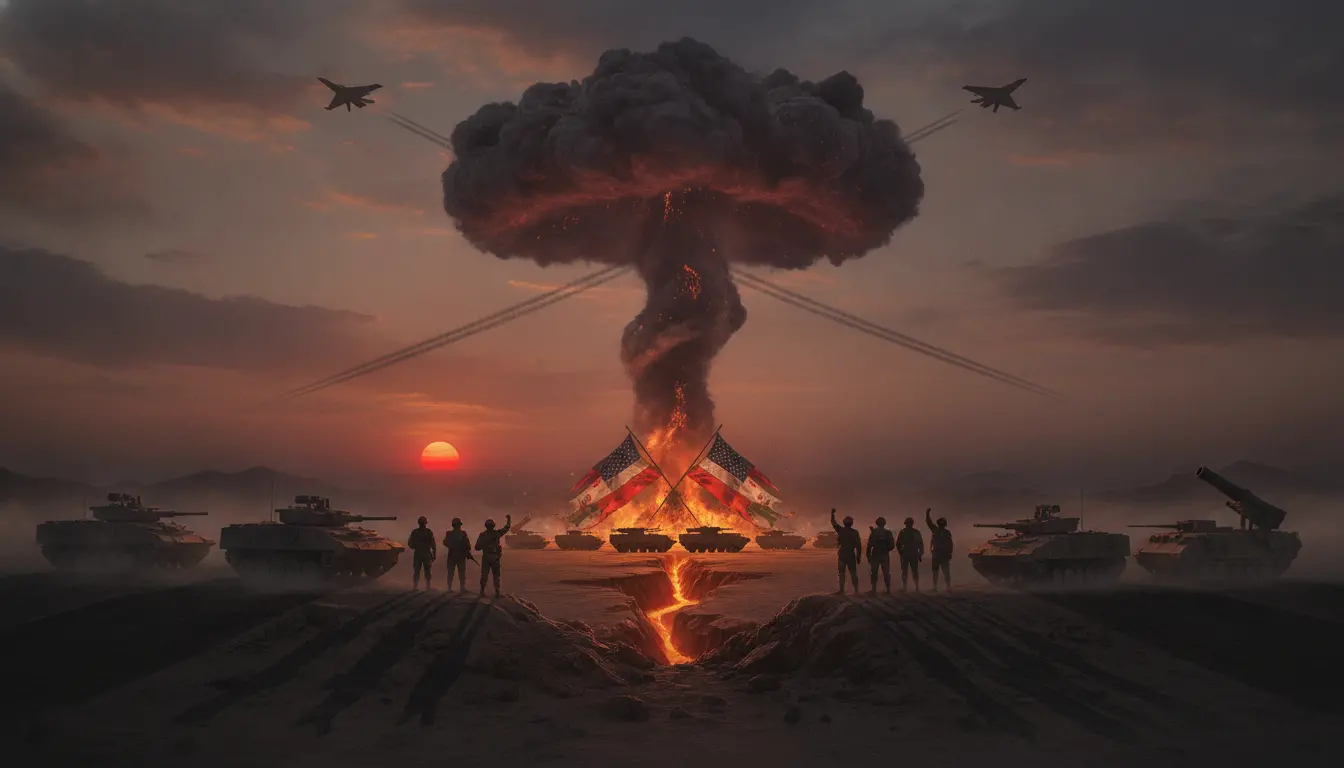
Recent declarations by former President Donald Trump, suggesting he is contemplating a potential "massive attack" on Iran, have sent shockwaves through diplomatic and defense circles, reigniting concerns over a direct military confrontation between Washington and Tehran. The remarks, characteristic of Trump's often-unpredictable approach to foreign policy, serve as a stark reminder of the volatile tensions that defined his presidency and highlight the profound foreign policy stakes of a potential return to the White House. While the statement lacks immediate operational weight, it forces policymakers in the U.S., its allies, and Iran itself to grapple with the possibility of a dramatic and potentially devastating escalation in the Middle East.
The context for this renewed friction is rooted in the deep-seated animosity that has characterized U.S.-Iran relations for decades, a situation that intensified significantly under the Trump administration. His 2018 decision to unilaterally withdraw the United States from the Joint Comprehensive Plan of Action (JCPOA), or the Iran nuclear deal, and reimpose a campaign of "maximum pressure" through crippling economic sanctions, dismantled years of international diplomacy. This policy was followed by a series of escalatory incidents, including attacks on oil tankers in the Persian Gulf, the downing of a U.S. drone, and culminating in the January 2020 assassination of Iranian General Qasem Soleimani in Baghdad, which brought the two nations to the brink of all-out war.
Since then, the situation has remained a precarious standoff. The Biden administration's attempts to revive the JCPOA have stalled, while Iran has accelerated its nuclear program, enriching uranium to levels far beyond the limits set by the original agreement and restricting access for international inspectors. Concurrently, Tehran has continued to flex its regional influence through a network of proxy forces, including Hezbollah in Lebanon, Houthi rebels in Yemen, and various militias in Iraq and Syria. These groups have frequently targeted U.S. forces and interests, as well as American allies like Israel and Saudi Arabia, creating a persistent, low-grade conflict that threatens to boil over at any moment. For many analysts, Iran’s actions are a direct response to the pressure campaign, demonstrating its resolve not to capitulate to U.S. demands.
Against this backdrop, the notion of a "massive attack" introduces a dangerous new variable. Military strategists and regional experts are divided on what such an operation would entail and whether it could achieve its objectives without triggering a wider, uncontrollable regional conflagration. A strike aimed at crippling Iran's nuclear facilities would be extraordinarily complex and risk radioactive fallout, while a broader attack on military and command-and-control infrastructure could provoke a multifaceted retaliation. Iran could respond by launching missile attacks on U.S. bases and allies, disrupting global oil shipments through the strategic Strait of Hormuz, and activating its proxy network to create chaos across the Middle East. The potential for miscalculation on either side remains exceptionally high.
Trump’s rhetoric forces a re-evaluation of his strategic thinking. During his term, he often paired bellicose threats with a stated desire to end America’s “endless wars” and avoid new military entanglements. His comments on North Korea, alternating between “fire and fury” and diplomatic summits, suggest a preference for using extreme rhetoric as a coercive negotiating tool. However, the Soleimani strike demonstrated a willingness to authorize high-risk military action. Observers are now left to wonder whether his latest pronouncements on Iran are a calculated bluff designed to project strength or a genuine indication of the policy he would pursue if returned to office. The ambiguity itself is a destabilizing force, complicating the strategic calculus for all parties involved.
Ultimately, the discussion of a potential U.S. attack on Iran underscores the fragile security architecture of the Middle East. The region is already contending with multiple conflicts and deep-seated rivalries. The introduction of such a high-impact, high-risk possibility further heightens anxieties among U.S. allies who would be on the front lines of any Iranian retaliation. As the political landscape in the United States evolves, leaders in Tehran, Jerusalem, Riyadh, and Brussels are closely watching, aware that a shift in Washington's posture could dramatically alter the region's future, potentially dragging it into a conflict with catastrophic global consequences.
Stay Informed. Act Smarter.
Get weekly highlights, major headlines, and expert insights — then put your knowledge to work in our live prediction markets.
Related News
Former President Trump Threatens Renewed US Military Action Against Iran Amid Escalating Regional Tensions
Former President Trump's Past Iran Rhetoric Signals Potential for Escalated Future Tensions

US-Iran Tensions Escalate Amid Renewed Rhetoric, Raising Specter of Direct Confrontation
U.S. Considers Strategic Military Options Amid Heightened Tensions in Strait of Hormuz
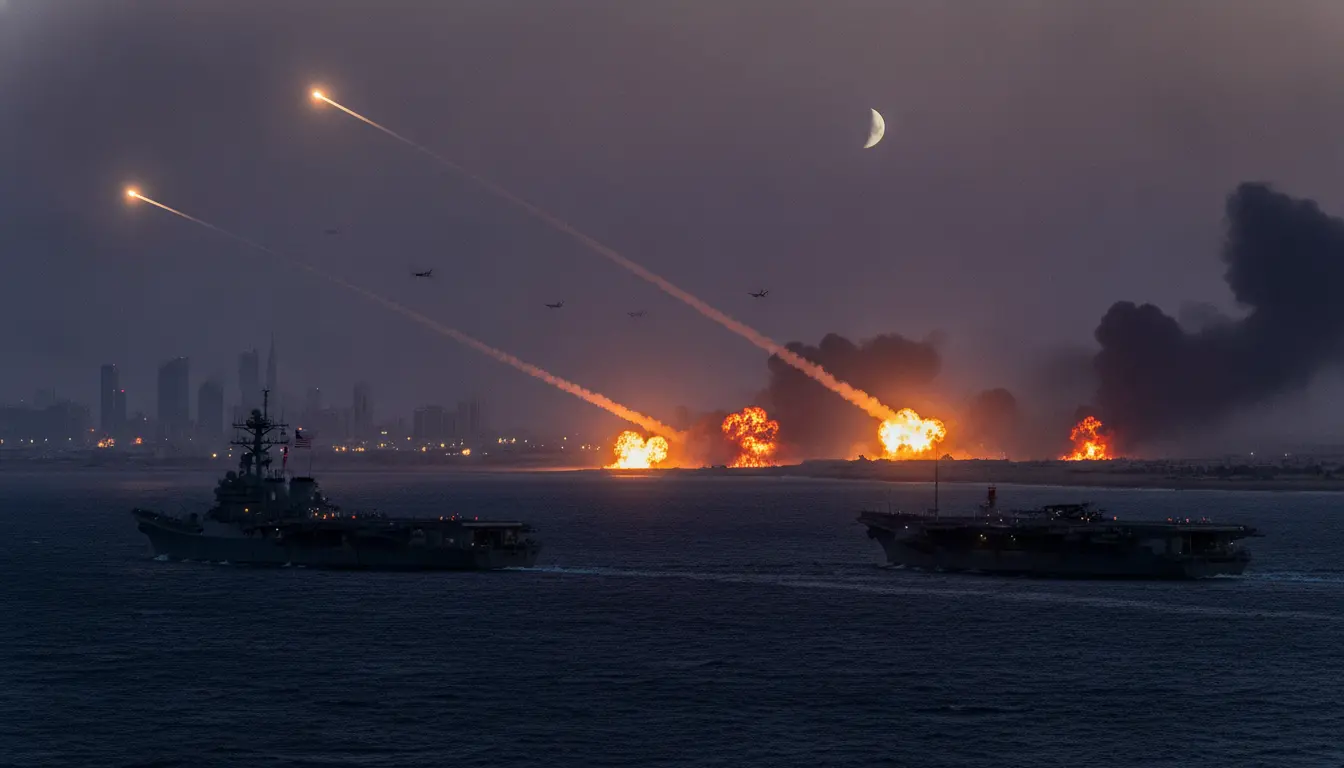
US-Iran Escalation Fears Mount After Retaliatory Strikes Deepen Regional Crisis
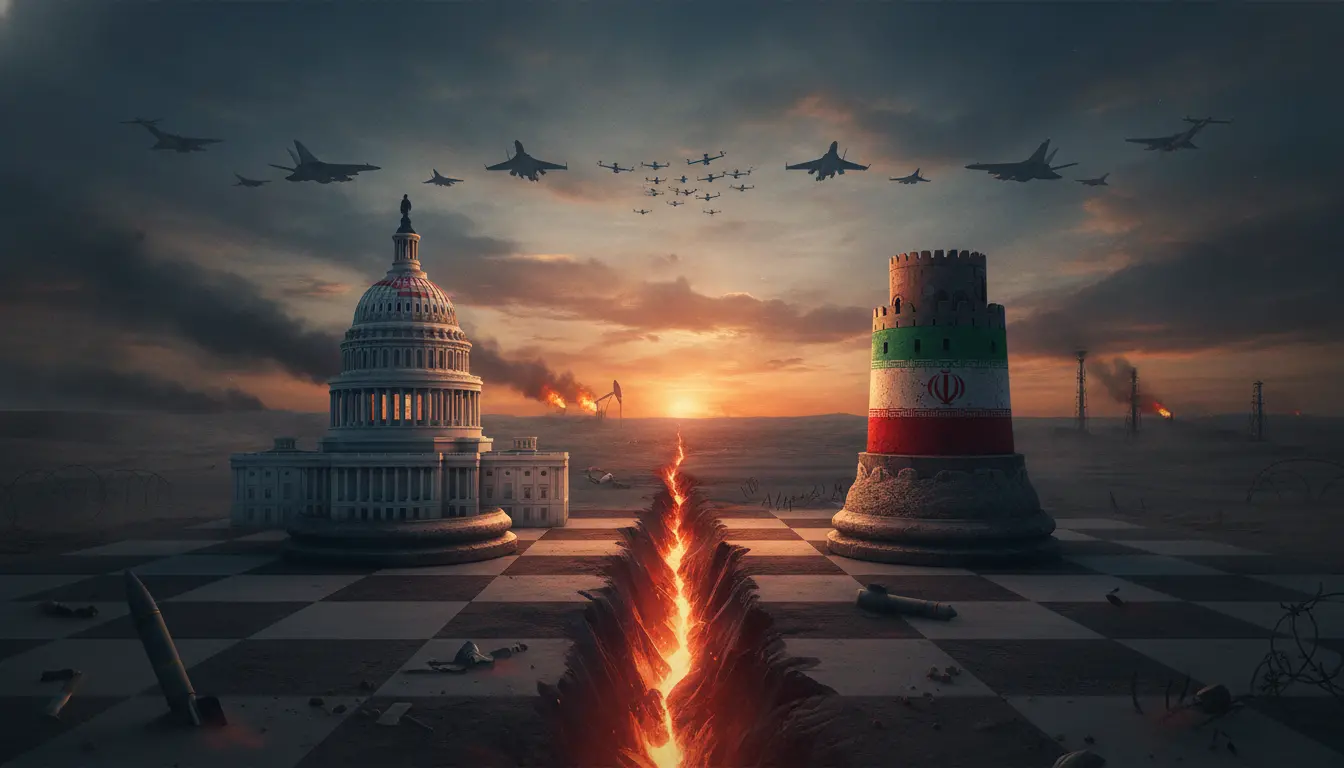
Heightened Geopolitical Tensions Spark Concerns Over Potential US-Iran Conflict
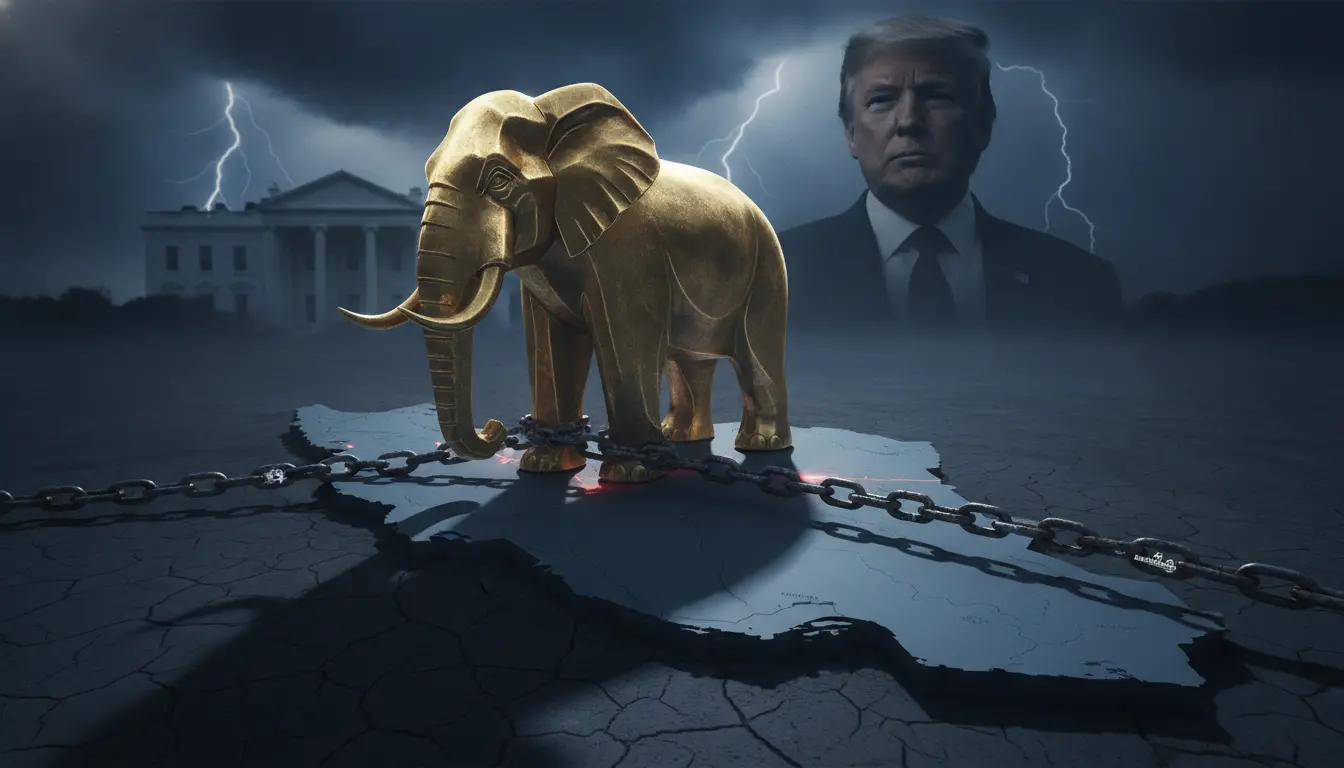
Potential Trump Administration Eyes Significant Economic Sanctions Escalation Against Iran
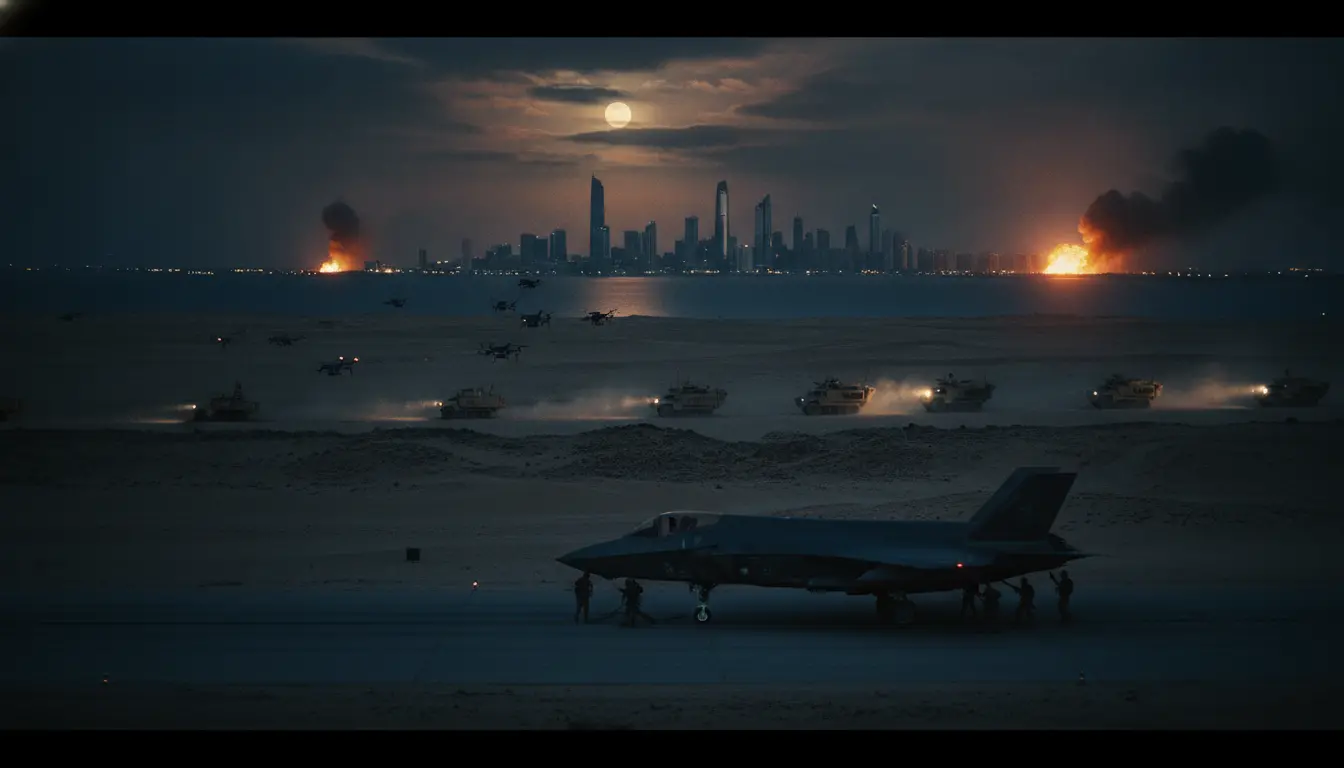
United States Considers Direct Offensive Strikes Against Iranian Mainland Amid Heightened Regional Tensions
US-Iran Tensions Simmer Amid Regional Flare-ups, Raising Fears of Direct Conflict
Heightened US-Iran Tensions Fuel Fears of Formal Conflict Declaration