

- News
- Politics
- Former President Trump's Past Iran Rhetoric Signals Potential for Escalated Future Tensions
Former President Trump's Past Iran Rhetoric Signals Potential for Escalated Future Tensions
The complex and often volatile relationship between the United States and Iran stands at a critical juncture, with heightened scrutiny on former President Donald Trump's past rhetoric and its implications should he return to the Oval Office. Throughout his previous term, Trump frequently employed strong language regarding Tehran, withdrawing from the landmark 2015 nuclear agreement and implementing a "maximum pressure" campaign that significantly ratcheted up tensions. This historical context now frames contemporary discussions about the potential for even more aggressive postures, raising concerns among international observers about the stability of the Middle East and the future of U.S. foreign policy.
During his 2017-2021 presidency, Trump's approach to Iran marked a sharp departure from his predecessor's emphasis on diplomacy and multilateral engagement. His administration abandoned the Joint Comprehensive Plan of Action (JCPOA), which had constrained Iran's nuclear program in exchange for sanctions relief, arguing it was a flawed deal that failed to address Iran's broader destabilizing activities in the region. This withdrawal was followed by the re-imposition and expansion of stringent sanctions targeting Iran's oil exports, financial institutions, and key sectors of its economy. Alongside these economic pressures, the former president repeatedly issued stark warnings and threats, often delivered via social media, against any perceived Iranian provocations, including references to devastating consequences or, in some instances, "annihilation."
These pronouncements were not made in a vacuum but against a backdrop of ongoing regional rivalries, proxy conflicts, and direct confrontations. Tensions peaked in early 2020 with the U.S. drone strike that killed Iranian Quds Force commander Qasem Soleimani in Baghdad, an act that brought the two nations to the brink of a wider conflict. Iran retaliated with missile strikes on Iraqi bases housing U.S. troops, though no American fatalities occurred. Such exchanges underscored the perilous nature of the relationship and the thin margin for error when high-stakes rhetoric meets military action. The current climate remains fraught, with ongoing skirmishes involving U.S. forces and Iran-backed groups in Iraq and Syria, as well as persistent concerns over Iran's nuclear program, which has continued to advance beyond the limits set by the defunct JCPOA.
The prospect of a future U.S. administration adopting an even more aggressive diplomatic and military stance towards Iran carries profound geopolitical implications. A formal, explicit threat of "annihilation" from the President of the United States would represent an unprecedented escalation in official rhetoric, potentially signaling a dramatic shift from diplomatic pressure to an overt willingness for military confrontation. Such a declaration would likely provoke strong reactions globally, leading to condemnation from allies concerned about regional destabilization and a likely hardening of resolve from Tehran. It could also galvanize domestic support within Iran for its current leadership, complicating any future attempts at de-escalation or negotiation.
Furthermore, the economic repercussions of such an extreme stance would be significant. Increased geopolitical uncertainty typically translates into volatile energy markets, impacting global oil prices and supply chains. International businesses and financial institutions would face even greater pressure regarding their dealings with Iran, potentially leading to broader economic isolation and hardship for the Iranian populace. Humanitarian organizations would also raise alarms over the potential for civilian casualties and a deepening humanitarian crisis should tensions spill over into direct conflict, further straining the already fragile socio-economic conditions in the region.
Observers are therefore closely monitoring political developments in the United States, aware that the leadership in Washington plays a pivotal role in shaping global stability. The lessons from previous administrations, particularly the impact of rhetorical choices and policy decisions on the ground in the Middle East, serve as a stark reminder of the delicate balance required in international diplomacy. The challenge for any incoming U.S. president would be to navigate these complexities while protecting American interests and ensuring regional security, all while contending with the enduring legacy of past interactions and the ever-present risk of miscalculation. The path forward for U.S.-Iran relations remains highly uncertain, with the potential for either calculated de-escalation or rapid, dangerous escalation looming large.
Stay Informed. Act Smarter.
Get weekly highlights, major headlines, and expert insights — then put your knowledge to work in our live prediction markets.
Related News
Trump's 'Massive Attack' Rhetoric on Iran Stokes Fears of Renewed Middle East Conflict
Former President Trump Threatens Renewed US Military Action Against Iran Amid Escalating Regional Tensions

US-Iran Tensions Escalate Amid Renewed Rhetoric, Raising Specter of Direct Confrontation
Potential Trump Administration Eyes Significant Economic Sanctions Escalation Against Iran
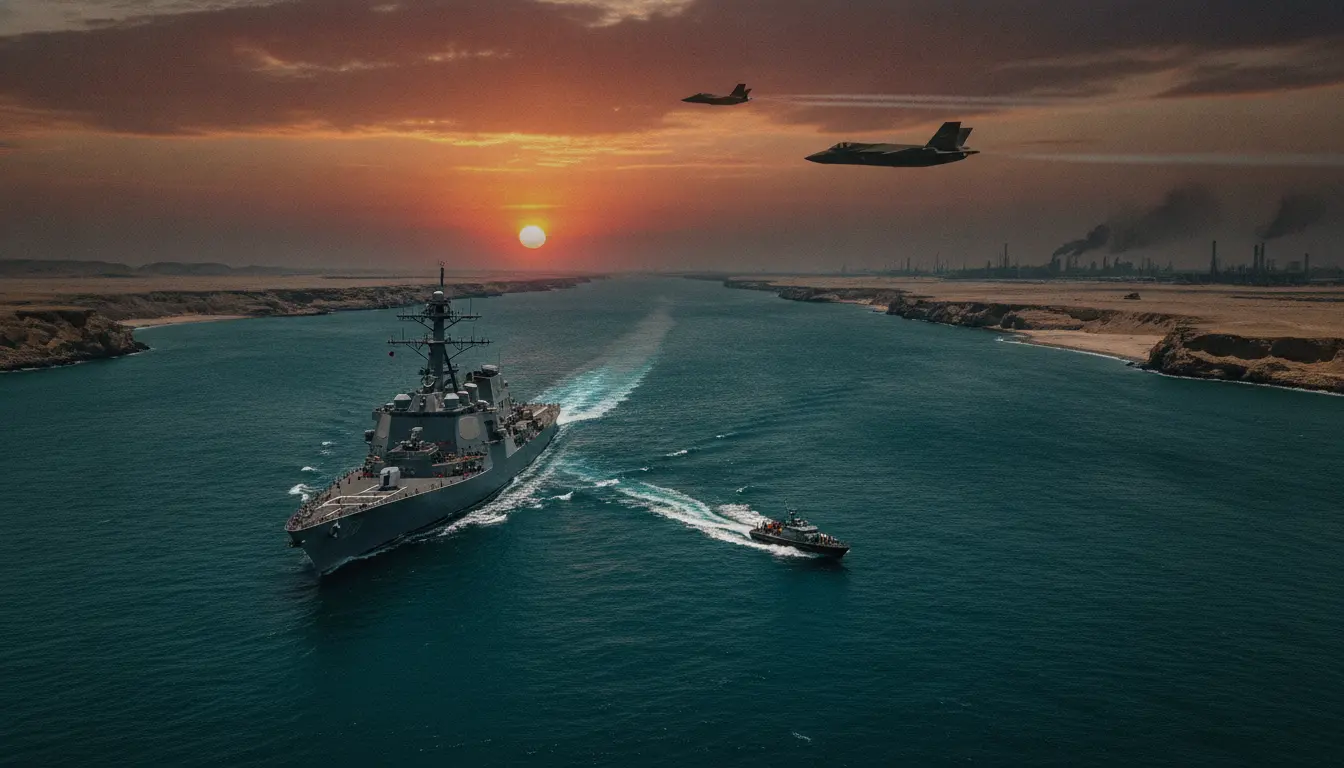
U.S. Considers Strategic Military Options Amid Heightened Tensions in Strait of Hormuz
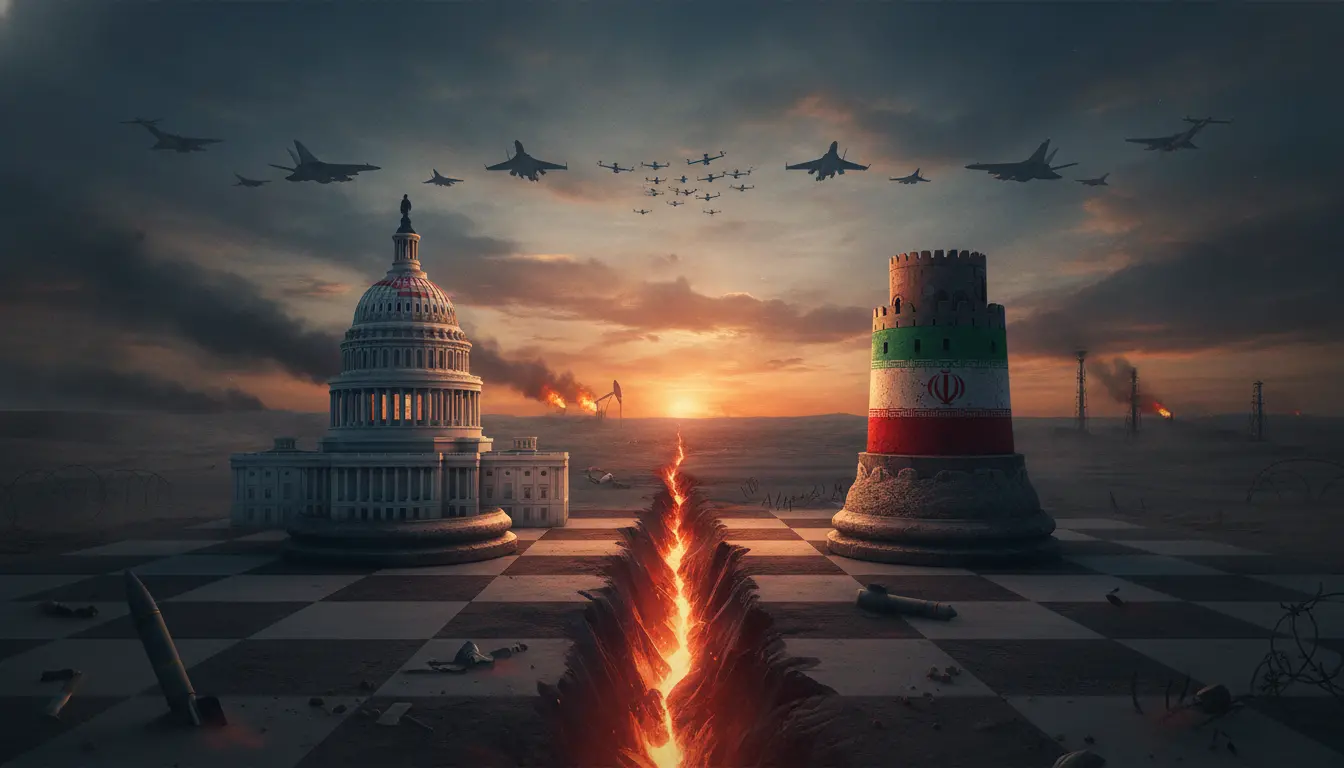
Heightened Geopolitical Tensions Spark Concerns Over Potential US-Iran Conflict
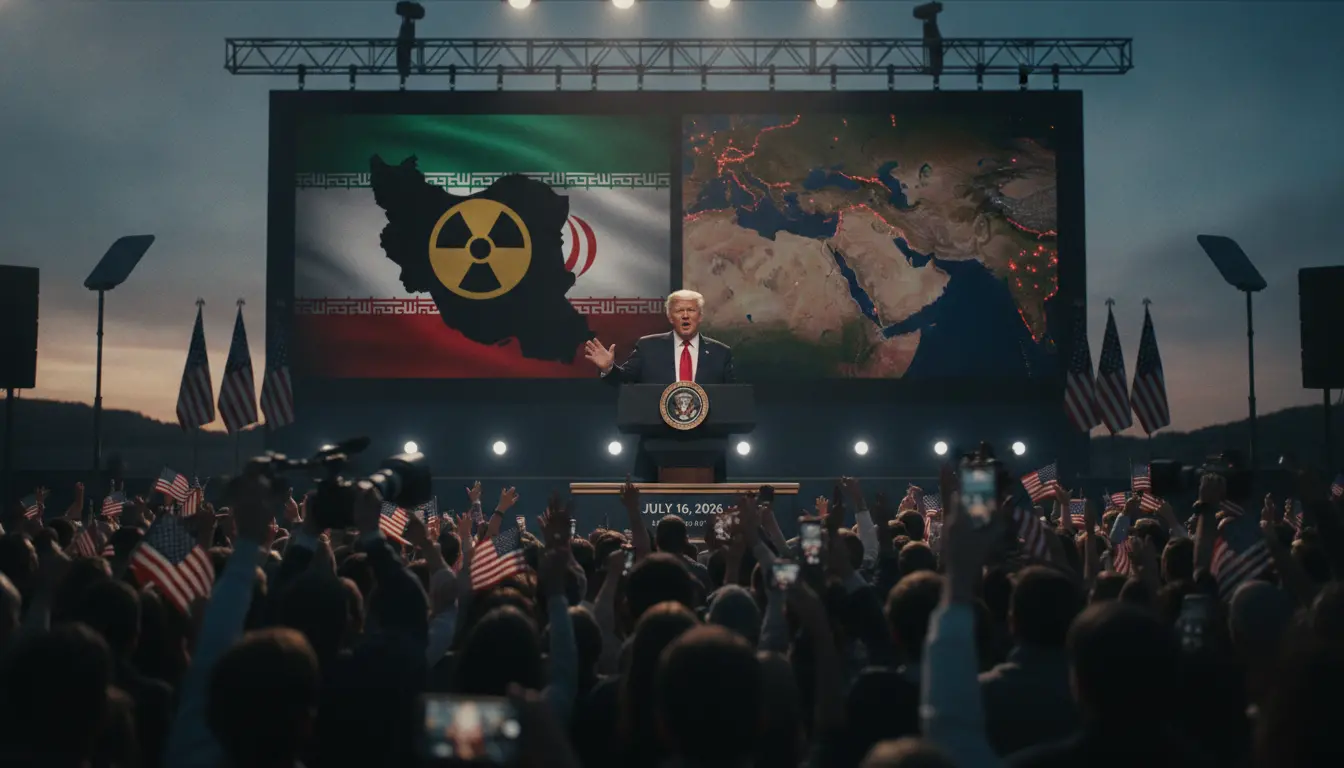
President Trump Poised to Announce New Iran Sanctions Amid Escalating Regional Tensions

Future of US-Iran Diplomacy Under Scrutiny Amid Reports of Potential High-Level Talks
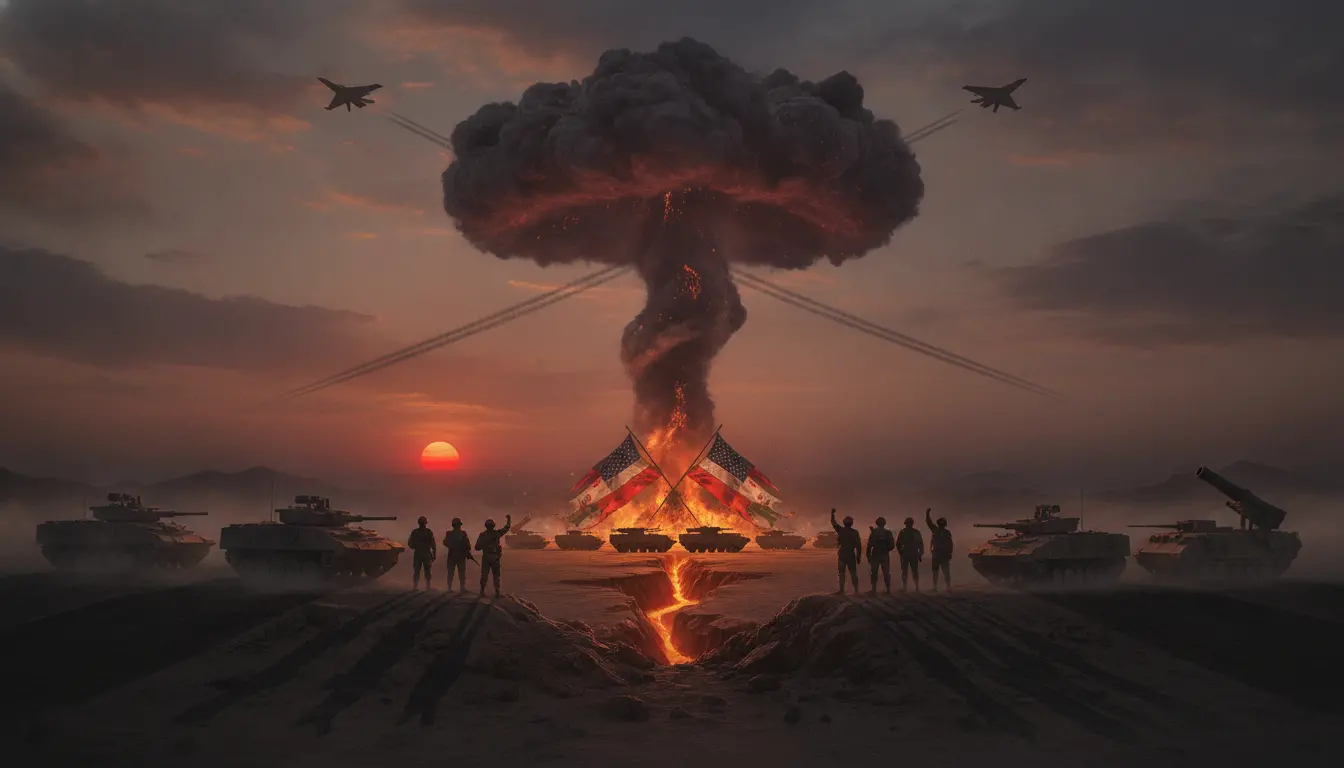
Heightened US-Iran Tensions Fuel Fears of Formal Conflict Declaration
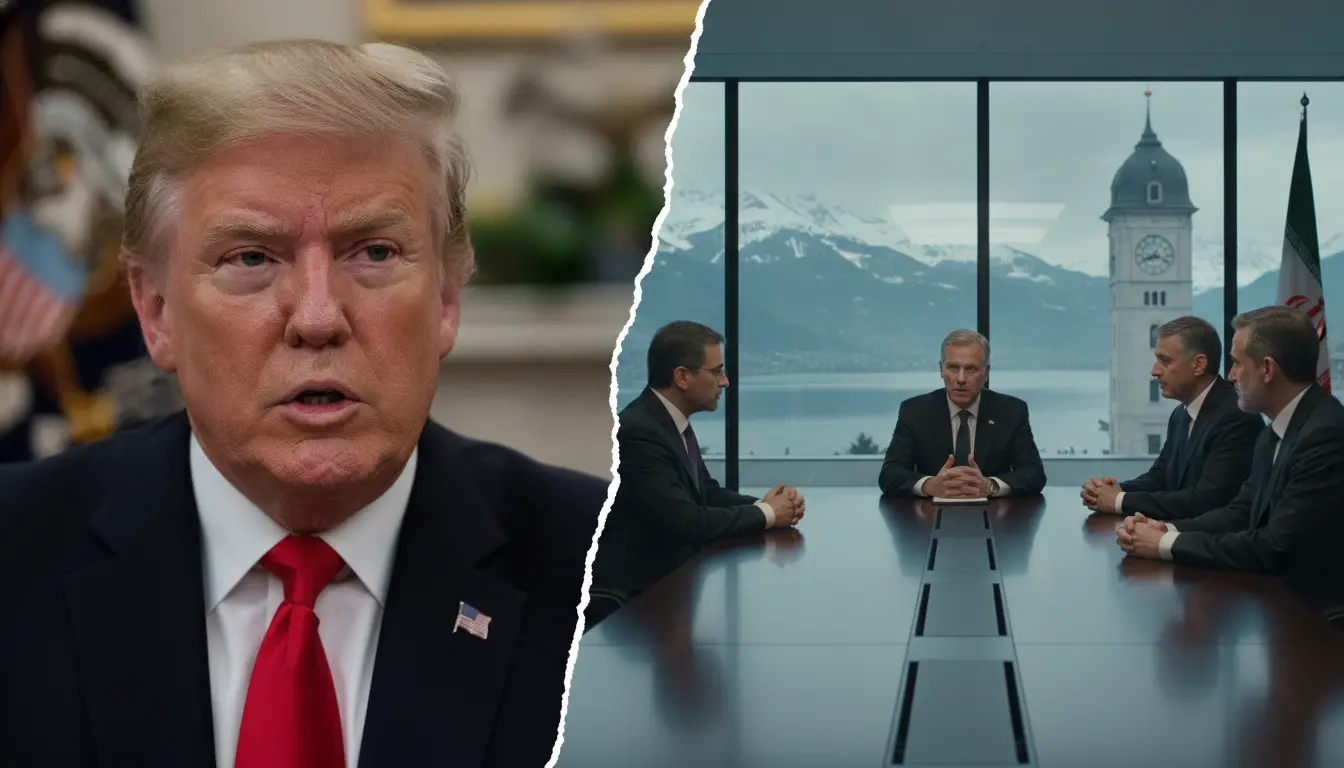
Trump threatens to 'hit Iran very hard again' while Vance is in Switzerland for talks