

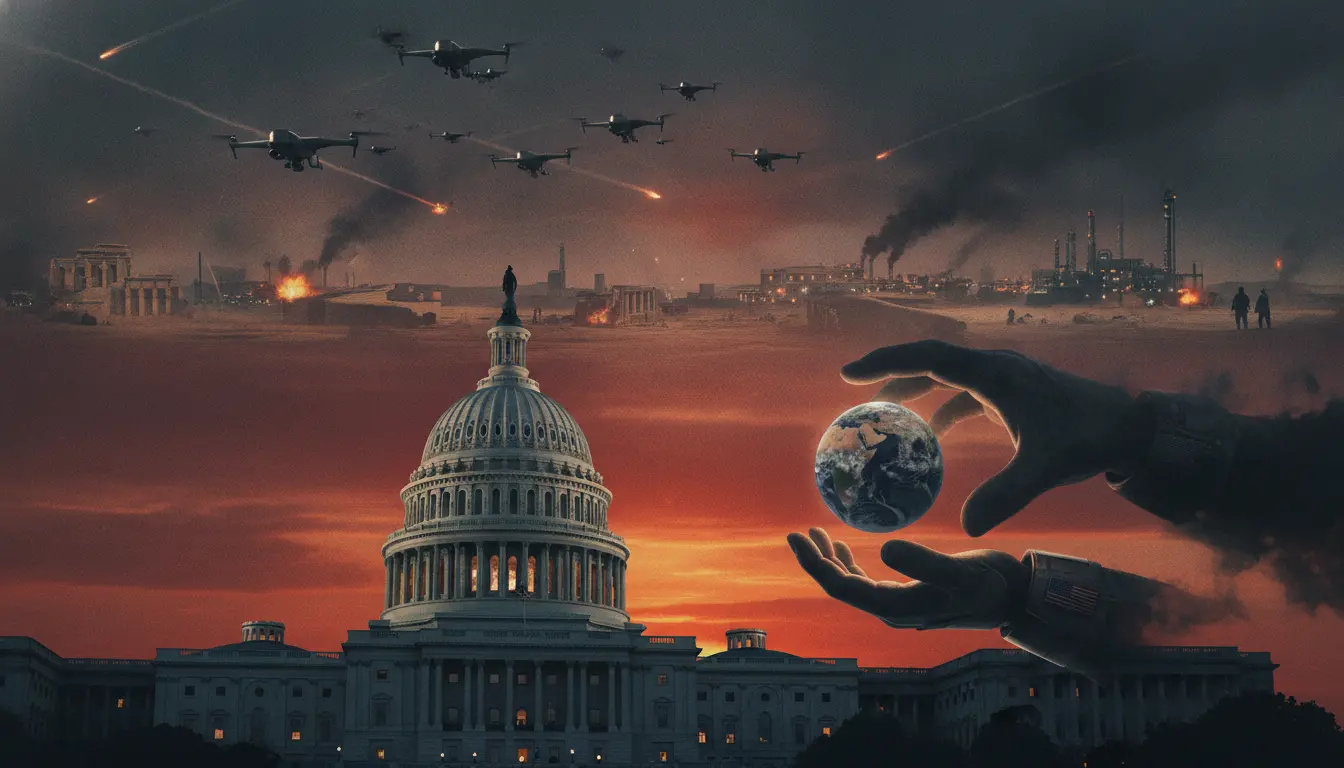
Washington Weighs Escalation Amid Persistent Iranian-Backed Aggression in Middle East
Tensions in the Middle East have reached a critical juncture, with the United States navigating a complex and increasingly volatile landscape dominated by Iranian-backed proxy groups. A series of recent attacks on international shipping lanes and American interests in the region has intensified calls for a more robust and decisive response from Washington, raising the specter of a significant military confrontation that could redraw geopolitical lines.
The current wave of instability is deeply rooted in decades of strategic rivalry between the U.S. and Iran, exacerbated by the withdrawal from the Joint Comprehensive Plan of Action (JCPOA) and Iran's continued pursuit of regional influence through a network of proxies. Groups like Yemen's Houthi rebels, various Iraqi and Syrian militias, and Lebanon's Hezbollah have long served as extensions of Tehran's foreign policy, enabling Iran to project power and harass adversaries without direct attribution. The October 7 events in Israel and Gaza further ignited an already combustible region, providing a new pretext for these groups to escalate their operations, ostensibly in solidarity with Palestinians, but often serving Iran's broader strategic goals.
Over recent months, these proxy groups have launched a relentless campaign targeting commercial vessels in the Red Sea and Gulf of Aden, critically disrupting global trade and forcing major shipping companies to reroute, incurring substantial costs and delays. Simultaneously, American military bases and personnel in Iraq and Syria have faced an uptick in drone and rocket attacks, directly challenging U.S. presence and security posture. While the U.S. has responded with targeted, defensive strikes against facilities used by these militias, the efficacy of these limited responses in deterring future aggression remains a subject of intense debate within policy circles.
The challenge for the Biden administration lies in calibrating a response that effectively deters Iran and its proxies without triggering a wider, uncontrolled conflict. A major retaliatory strike, as defined by some analysts, would likely involve a substantial, multi-faceted military operation targeting not just the immediate launch sites or weapons depots of proxy groups, but potentially critical Iranian military infrastructure or leadership assets. Such an action would aim to fundamentally alter Iran's calculus, signaling that continued aggression carries unacceptable costs, beyond the current tit-for-tat exchanges. However, the risks are profound, including the potential for direct Iranian counter-retaliation, embroiling the U.S. in a protracted and costly regional war, and further destabilizing an already fragile Middle East.
Key players in this high-stakes standoff include the U.S. Central Command (CENTCOM), responsible for orchestrating military operations in the region; the Pentagon, which advises on military strategy; and the National Security Council, which weighs diplomatic and geopolitical implications. On the Iranian side, the Islamic Revolutionary Guard Corps (IRGC) and its Quds Force are central to coordinating and supplying the proxy network. Regional allies, including Saudi Arabia and Israel, are also closely monitoring developments, with their own security interests deeply intertwined with the outcome of any potential escalation.
What is at stake is not merely the security of American personnel or the freedom of navigation in vital waterways, but the broader architecture of regional security and the credibility of U.S. deterrence. A failure to adequately address persistent aggression could embolden adversaries, while an overreaction risks catastrophic escalation. The path forward demands a delicate balance of diplomatic pressure, economic sanctions, and calibrated military responses, all designed to restore stability and protect American interests without igniting a conflagration that no party truly desires.
The coming months will undoubtedly test Washington's strategic resolve. As the geopolitical chessboard continues to shift, the question of how the U.S. will ultimately counter the multifaceted threat posed by Iran and its proxies looms large, with potential implications for global stability stretching far beyond the Middle East.
Stay Informed. Act Smarter.
Get weekly highlights, major headlines, and expert insights — then put your knowledge to work in our live prediction markets.
Related News
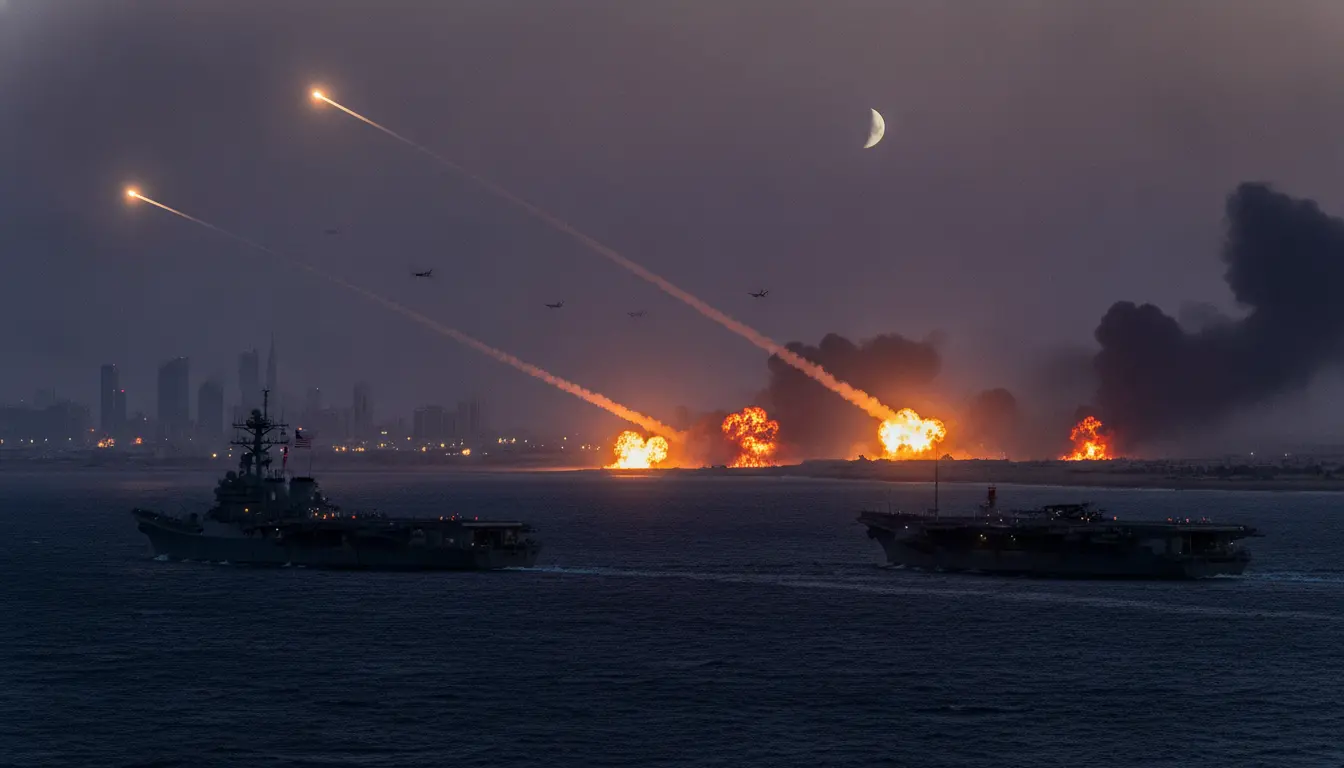
US-Iran Escalation Fears Mount After Retaliatory Strikes Deepen Regional Crisis
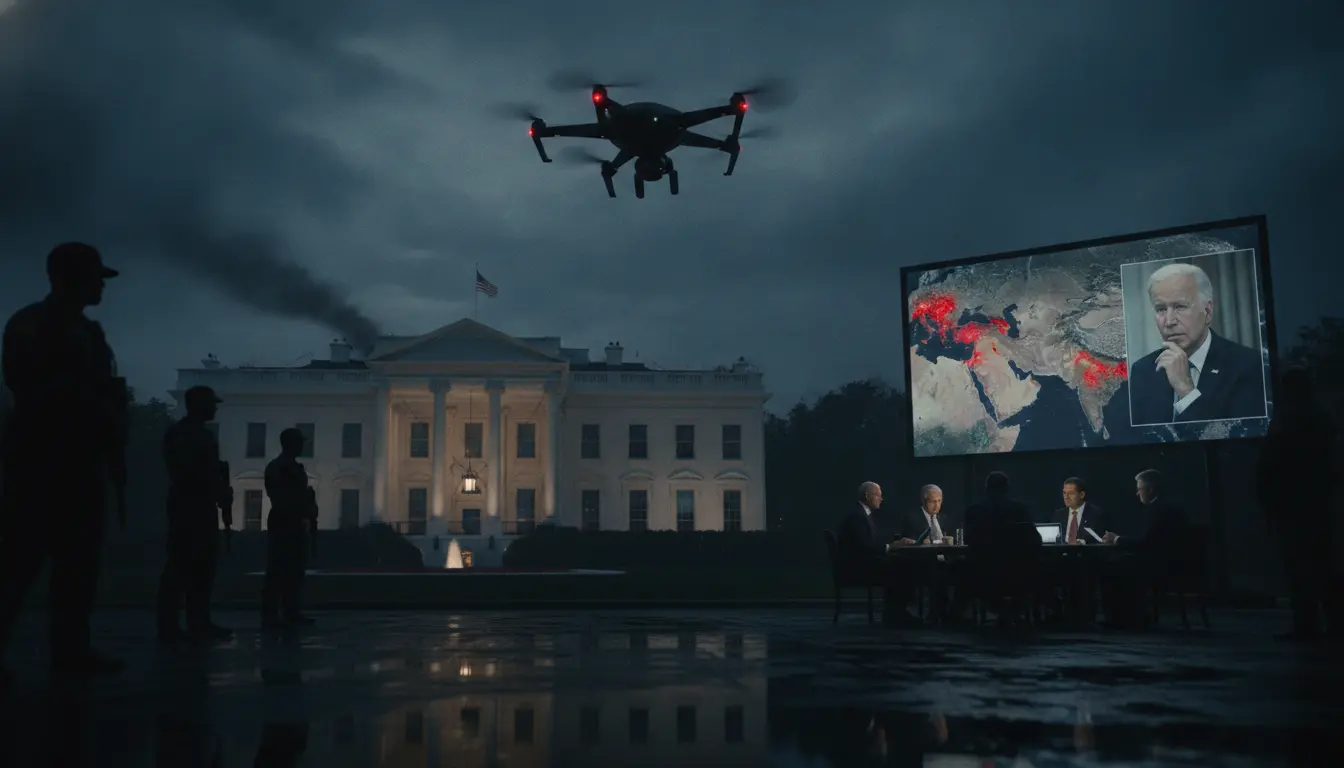
Biden Administration Navigates Calls for Broader Retaliatory Action Amid Iran Tensions

U.S. and Iran Face Growing Risk of Direct Military Confrontation Beyond Gulf's Strategic Waterways

US-Iran Tensions Simmer Amid Regional Flare-ups, Raising Fears of Direct Conflict
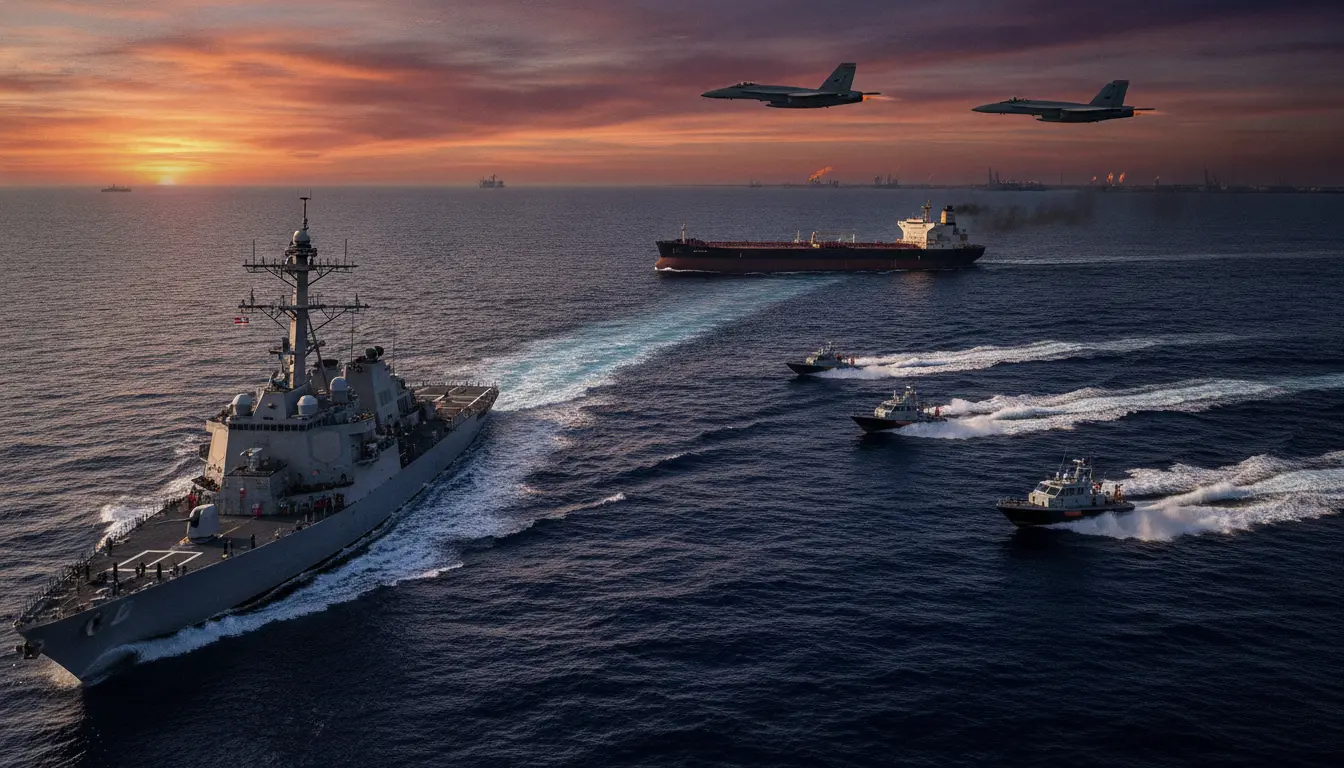
US-Iran Tensions Soar Amid Escalating Strikes and Maritime Incidents in Gulf

Heightened Geopolitical Tensions Spark Concerns Over Potential US-Iran Conflict

Escalating US-Iran Tensions Stoke Fears of Formal Conflict Declaration
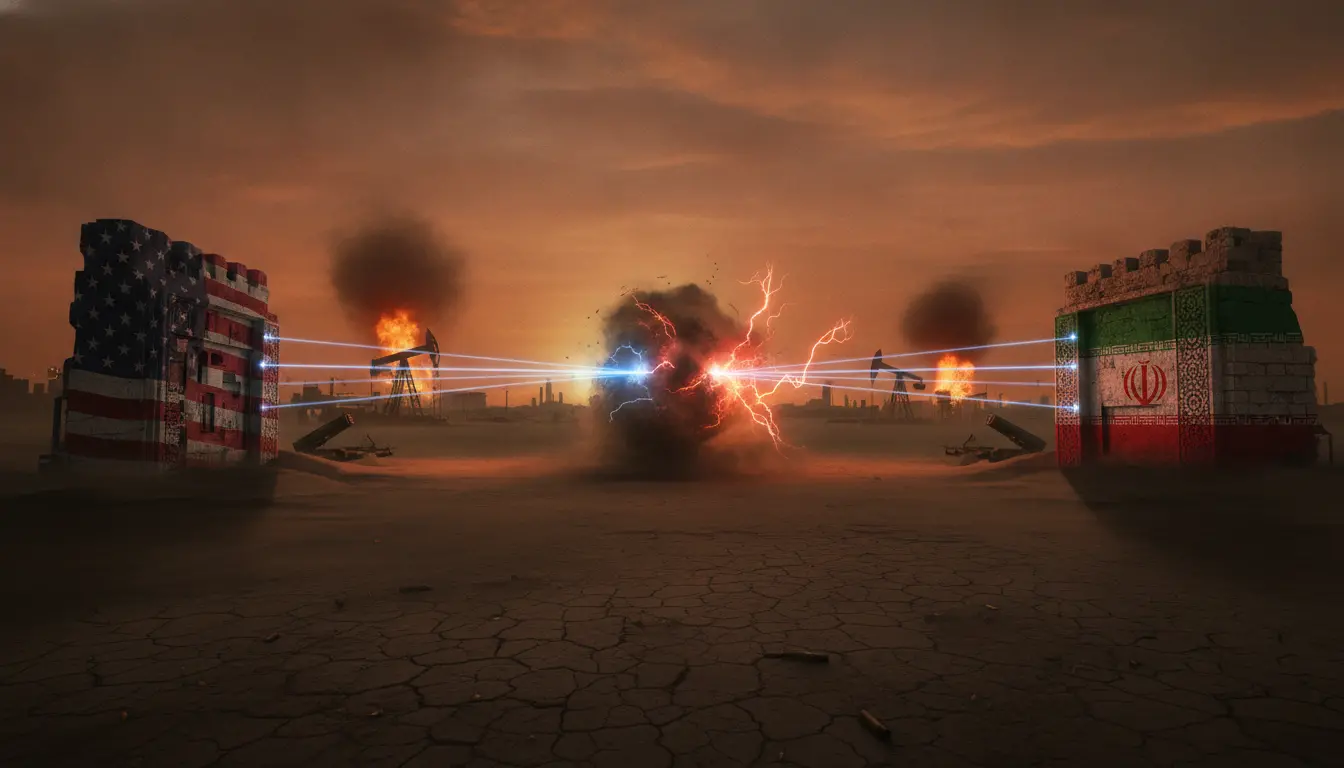
Protracted US-Iran Hostilities Raise Stakes for Middle East Stability
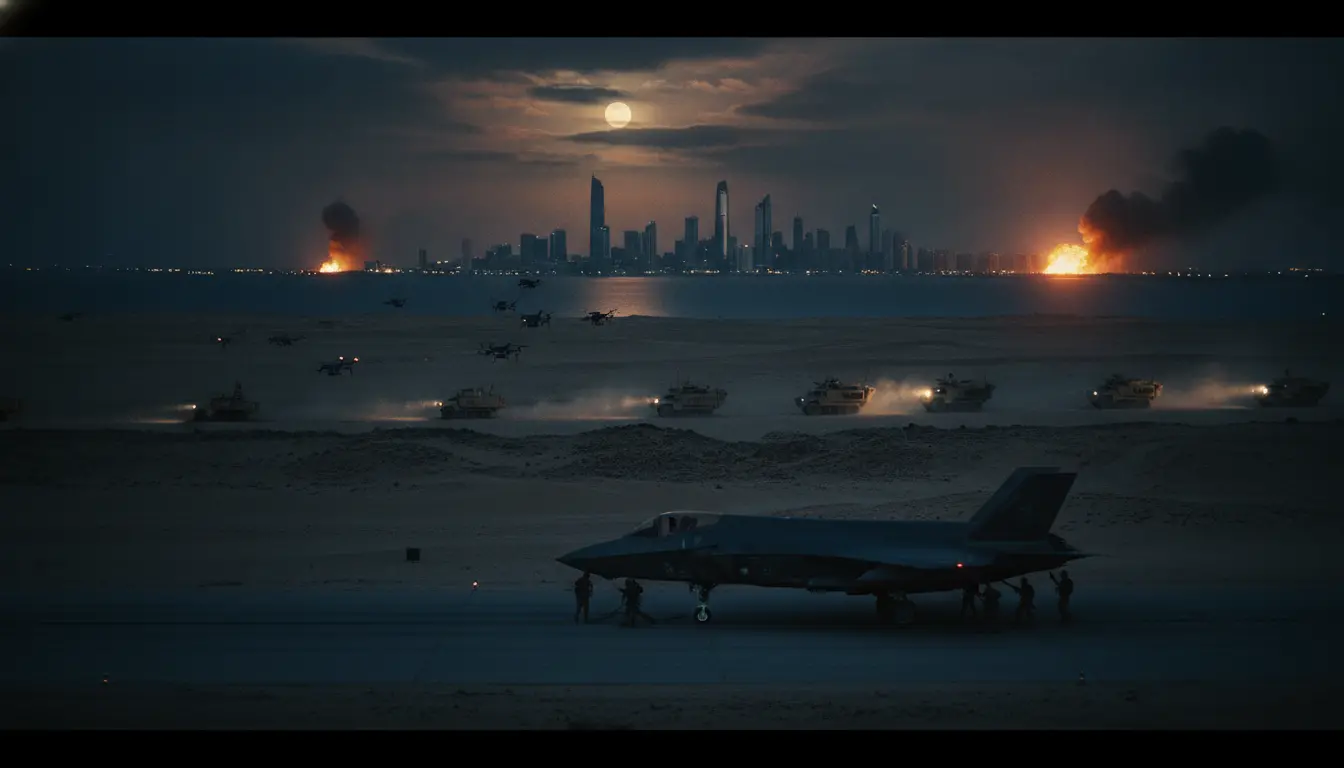
United States Considers Direct Offensive Strikes Against Iranian Mainland Amid Heightened Regional Tensions

US-Iran Tensions Escalate Amid Renewed Rhetoric, Raising Specter of Direct Confrontation