

- News
- Politics
- US and Saudi Arabia Escalate Strikes Against Iran-Backed Militias in Iraq Following Missile Attack
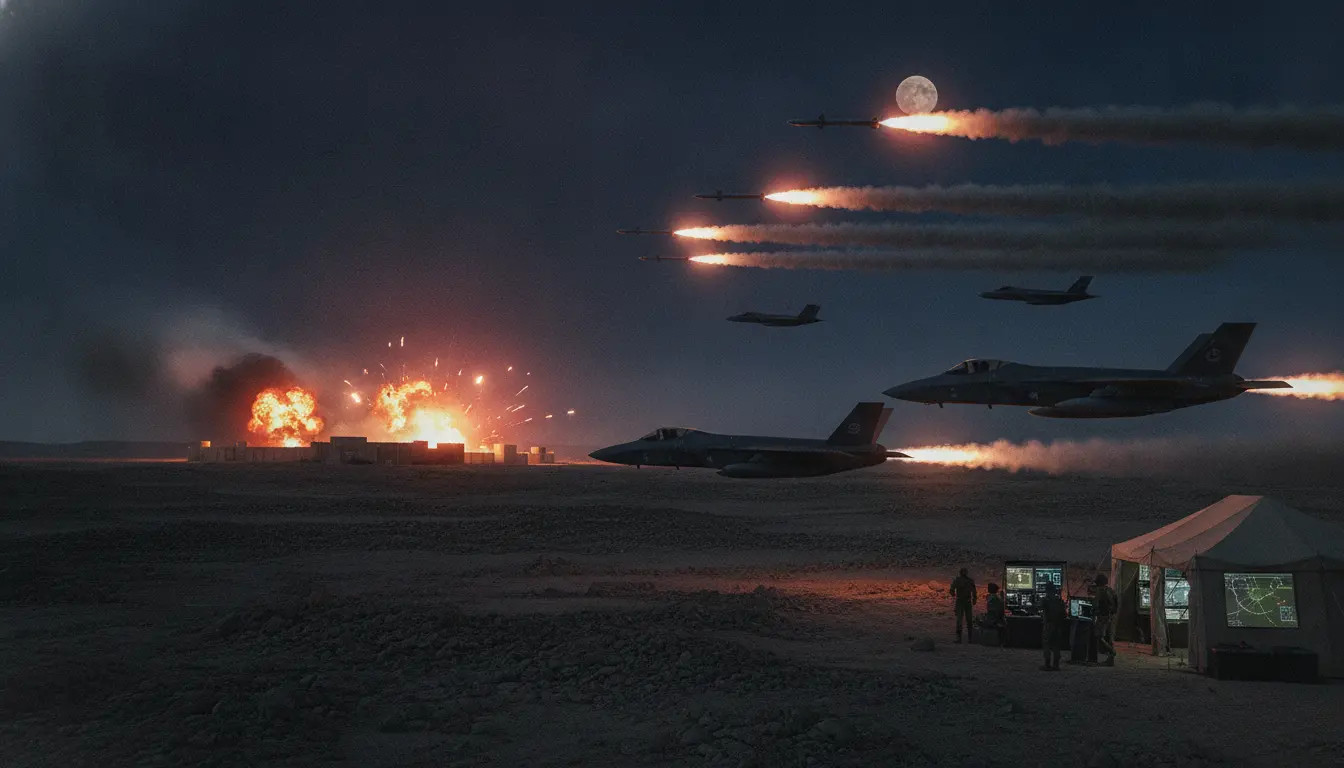
US and Saudi Arabia Escalate Strikes Against Iran-Backed Militias in Iraq Following Missile Attack
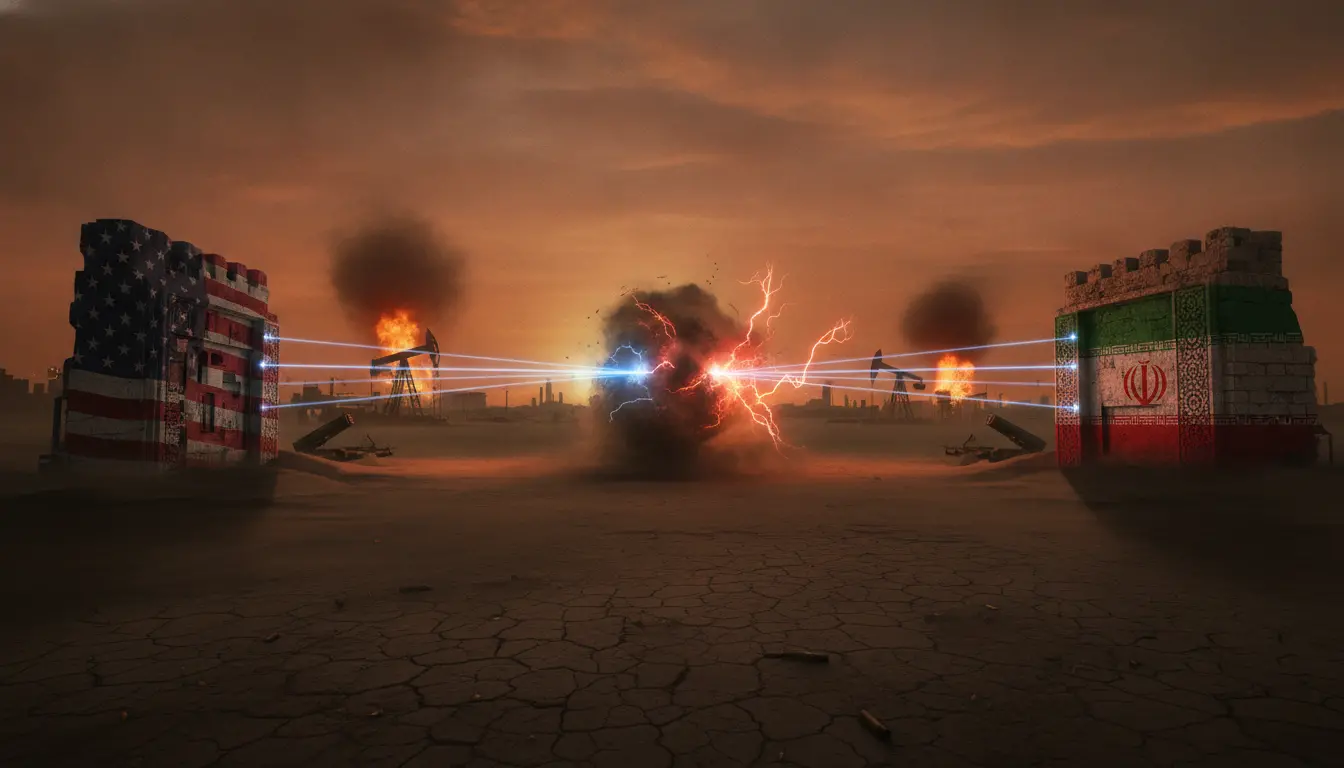
In a significant escalation of regional tensions, the United States and Saudi Arabia have conducted a series of retaliatory strikes against Iran-backed militia groups operating within Iraq. These coordinated actions come in direct response to a recent missile attack by Iranian proxies on US forces stationed in the country, signaling a renewed commitment to deterring aggression and protecting personnel amidst a volatile Middle East landscape. The strikes underscore the complex and precarious security environment in Iraq, where the national government grapples with maintaining sovereignty while navigating the intricate web of foreign interests and powerful non-state actors.
For years, Iraq has served as a critical arena for proxy conflicts, primarily between the United States and Iran. Following the 2003 invasion, a multitude of Iraqi paramilitary groups emerged, many of which later consolidated under the Popular Mobilization Forces (PMF), an umbrella organization that includes several factions with strong ideological and material ties to Tehran. These groups, such as Kataib Hezbollah and Harakat al-Nujaba, have frequently targeted US military and diplomatic assets in Iraq and Syria, accusing them of occupation. Washington, in turn, views these attacks as direct threats to its strategic interests and personnel, often responding with precision strikes designed to degrade capabilities and send a clear message of deterrence. The ongoing presence of US troops in Iraq, ostensibly to advise and assist Iraqi security forces in the fight against ISIS remnants, remains a contentious issue, providing a perennial flashpoint for these rivalries.
The recent wave of strikes was triggered by a sophisticated missile assault on a US military installation, which resulted in casualties among coalition personnel. While specific details of the Iranian-backed groups' attack remain under investigation, the US immediately pointed to familiar actors operating under Tehran's influence. The subsequent US and Saudi retaliatory operations targeted various infrastructure and weapon depots belonging to these militias across multiple locations in Iraq. These strikes were described by coalition officials as defensive measures, intended to prevent further attacks and dismantle the capabilities of groups deemed responsible for the aggression. The involvement of Saudi Arabia alongside the United States highlights a shared strategic interest in curtailing Iranian regional influence and stabilizing a crucial geopolitical region that has long been a source of instability for Riyadh.
The Iraqi government, caught between its security partnership with the United States and the formidable political and military power of Iran-backed factions within its own borders, finds itself in an unenviable position. While Baghdad has condemned the initial attacks on US forces, it has also routinely denounced retaliatory strikes on its territory, viewing them as violations of its sovereignty. This delicate balancing act often leads to public condemnations of both sides, reflecting the deep internal divisions and external pressures shaping Iraqi policy. Tehran, predictably, has denounced the US and Saudi actions as acts of aggression and foreign interference, vowing to support its allies in the region against what it perceives as expansionist policies. The targeted militias themselves have also issued statements promising further retaliation, setting the stage for a potential cycle of violence.
The current escalation must be viewed within the broader context of a highly volatile Middle East. The ongoing conflict in Gaza, Houthi attacks on Red Sea shipping lanes, and simmering tensions between Israel and Hezbollah have created a region-wide environment ripe for spillover. The US and its allies, including Saudi Arabia, are keen to prevent a broader regional conflagration while simultaneously safeguarding their interests and projecting strength. For Iran, its network of proxies, often dubbed the "Axis of Resistance," serves as a critical tool for extending its influence and challenging what it views as American and Israeli hegemony. The strategic stakes in Iraq are immense, impacting not only regional stability but also global energy markets and the broader geopolitical balance. The immediate challenge remains de-escalation, but with such entrenched interests and a history of tit-for-tat actions, the path to calm appears increasingly fraught.
Stay Informed. Act Smarter.
Get weekly highlights, major headlines, and expert insights — then put your knowledge to work in our live prediction markets.
Related News
US-Iran Escalation Fears Mount After Retaliatory Strikes Deepen Regional Crisis
Biden Administration Navigates Calls for Broader Retaliatory Action Amid Iran Tensions
Washington Weighs Escalation Amid Persistent Iranian-Backed Aggression in Middle East

US and Iran Navigate Fragile Cease-Fire Amid Heightened Tensions
United States Considers Direct Offensive Strikes Against Iranian Mainland Amid Heightened Regional Tensions
US Military Targets Iranian-Linked Sites Amid Escalating Gulf Shipping Tensions
US-Iran Tensions Soar Amid Escalating Strikes and Maritime Incidents in Gulf
Heightened US-Iran Tensions Fuel Fears of Formal Conflict Declaration

US-Iran Tensions Simmer Amid Regional Flare-ups, Raising Fears of Direct Conflict
Protracted US-Iran Hostilities Raise Stakes for Middle East Stability