

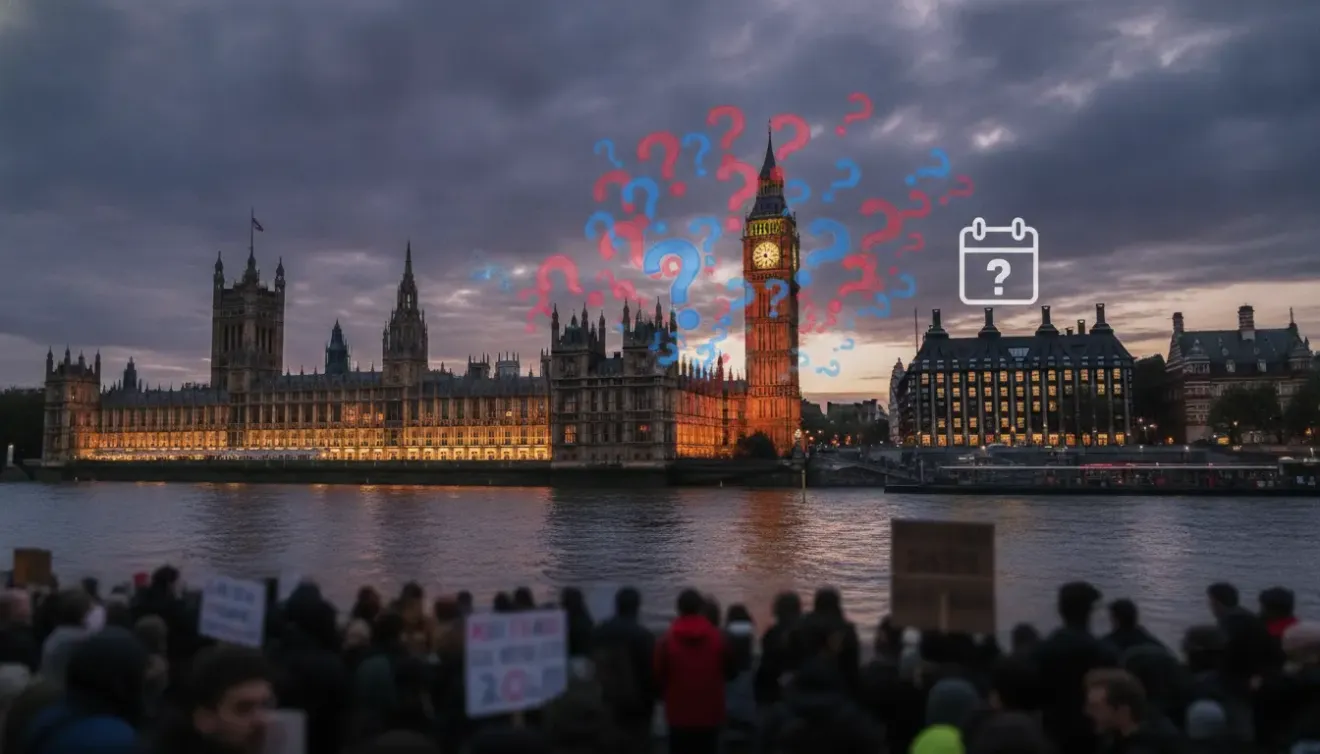
UK Political Landscape Fuels Intense Speculation Over Early General Election Timing
The United Kingdom's political discourse is increasingly dominated by speculation surrounding the timing of the next general election. While the latest a vote can legally be held is January 2025, persistent whispers suggest Prime Minister Rishi Sunak could be weighing an earlier contest, potentially even before the end of 2024, despite the input signal referencing 2026. This heightened anticipation reflects a turbulent political climate, marked by a struggling economy, shifting public sentiment, and significant challenges facing the ruling Conservative Party.
The current Conservative government, led by Rishi Sunak since October 2022, faces an uphill battle. Public approval ratings for the party remain stubbornly low, trailing the opposition Labour Party by a substantial margin in most polls. Economic headwinds, including persistent inflation, a cost-of-living crisis, and sluggish growth, have dented public confidence. The government has focused heavily on reducing inflation and growing the economy, but the tangible benefits for households have been slow to materialize. Internal divisions within the Conservative ranks, particularly on issues like tax policy, immigration, and environmental commitments, also complicate the government's ability to project a united and effective front.
Historically, general elections in the UK were governed by the Fixed-term Parliaments Act, which mandated elections every five years. However, this legislation was repealed in 2022, restoring the Prime Minister's prerogative to call an election at any point within the five-year parliamentary term. This constitutional flexibility means Sunak holds the key to the election timetable, allowing him to choose a moment he believes offers the best chance for his party to secure another term. The latest possible date for the next election is 28 January 2025, meaning Parliament must be dissolved by 17 December 2024. Therefore, any discussion about an election extending into 2026 implies a potential snap election rather than a full term.
The rationale for calling an early election often revolves around strategic advantage. A Prime Minister might choose to go to the polls when economic indicators show improvement, when a major legislative success has been achieved, or when the opposition appears vulnerable or divided. Conversely, delaying an election could be seen as an attempt to run down the clock, hoping for a significant turnaround in fortunes or to minimize the period an unpopular government is in power. For Sunak, the decision is finely balanced. An early election could catch the opposition off guard, or capitalize on any perceived economic upswing. However, it also carries the risk of locking in current low poll numbers and handing Labour a significant majority.
Labour, under leader Keir Starmer, has consistently maintained a comfortable lead in opinion polls for over a year. The party has sought to present itself as a government-in-waiting, focusing on stability, economic competence, and pledges to improve public services like the National Health Service. They are acutely aware that their lead, while significant, could erode as an election draws closer and the government intensifies its efforts to win back voters. Labour strategists are preparing for various election scenarios, ready to campaign whenever the Prime Minister decides to trigger a vote, aiming to secure their first general election victory since 2005.
The stakes are incredibly high for both major parties and the country. A Conservative victory would mark an unprecedented fifth consecutive term for the party, allowing them to continue their current policy trajectory and potentially cement their post-Brexit vision for the UK. A Labour victory, on the other hand, would usher in a new era of governance, likely bringing significant shifts in economic, social, and environmental policy, and potentially re-shaping the UK's relationship with the European Union. The ultimate decision on the election date will be a high-stakes gamble, determined by the Prime Minister's assessment of the political landscape, economic forecasts, and the ever-unpredictable shifts in public opinion.
Stay Informed. Act Smarter.
Get weekly highlights, major headlines, and expert insights — then put your knowledge to work in our live prediction markets.
Related News

Speculation Intensifies Over United Kingdom General Election Date as Deadline Nears

New Zealand's Political Landscape Gears Up for Highly Contested 2026 General Election

Mounting Political Tensions Raise Prospects of Early Canadian Federal Election
Outpoll Weekly Recap: Politics (October 26 – November 1, 2026)
Brazil Braces for Contentious 2026 Presidential Election as Lula Eyes Re-election Bid

Likud Gears Up for High-Stakes 2026 Israeli Knesset Election Amid Deepening Political Divides

Sweden's 2026 Election Looms as Political Blocs Grapple for Governing Mandate

Icelanders to Vote on Future of EU Accession Path in August 2026

Eurozone Economic Headwinds Intensify Pressure on ECB for Potential October 2026 Rate Cut

Iceland Schedules Landmark Referendum on European Union Membership for August 2026