

- News
- Finance
- Eurozone Economic Headwinds Intensify Pressure on ECB for Potential October 2026 Rate Cut
Eurozone Economic Headwinds Intensify Pressure on ECB for Potential October 2026 Rate Cut
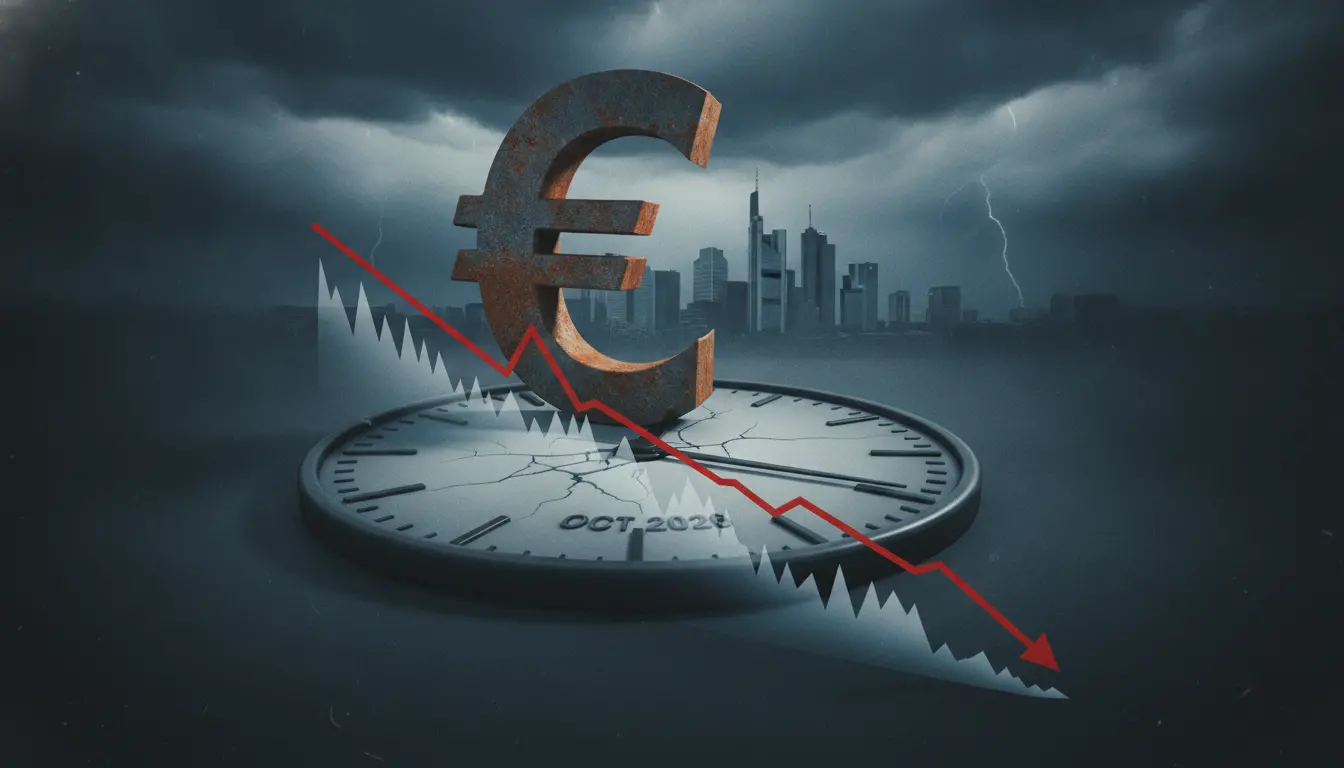
As the European Central Bank (ECB) Governing Council's October 29, 2026 meeting draws into view, financial analysts and policymakers are increasingly scrutinizing the persistent slowdown gripping the Eurozone economy. The backdrop of faltering growth across the 20-nation bloc is fueling significant speculation regarding a potential interest rate cut, a move that would mark a pivotal shift in the ECB’s monetary policy trajectory after years of aggressive tightening measures aimed at taming inflation. The question is not if the economic indicators are weakening, but rather how deeply they will compel the central bank to act in the coming two years.
The Eurozone’s economic landscape has been characterized by subdued activity for several quarters, a trend that appears set to continue into the mid-2020s. Manufacturing output has struggled amidst weakened global demand and high energy costs, particularly impacting industrial powerhouses like Germany. Consumer confidence, while showing episodic signs of resilience, remains fragile, constrained by lingering inflationary pressures and a cautious labor market. Services sectors, initially a bright spot, are also beginning to show signs of deceleration. This sustained period of underperformance casts a long shadow over the region's recovery prospects, pushing unemployment figures higher in some member states and dampening overall investment.
Historically, the ECB under President Christine Lagarde has prioritized bringing inflation back to its 2% target, employing a series of unprecedented rate hikes that began in mid-2022. While headline inflation has receded from its peaks, core inflation, which strips out volatile energy and food prices, has proven more stubborn, leading to a cautious stance from the Governing Council. However, the delicate balancing act between price stability and economic growth is becoming increasingly precarious. Many economists argue that the current restrictive monetary policy risks stifling any nascent recovery, pushing the Eurozone closer to a prolonged period of stagnation, if not an outright recession.
Several factors will weigh heavily on the ECB's decision-making process leading up to late 2026. The evolution of wage growth across the Eurozone will be critical; while stronger wages are positive for household income, excessive increases could reignite inflationary pressures. Geopolitical developments, particularly the ongoing conflict in Ukraine and broader global trade tensions, will also play a significant role, potentially impacting energy prices and supply chains. Furthermore, the fiscal policies of individual member states will influence the overall economic climate, with calls for targeted public investment growing louder to complement any monetary easing. The challenge for the ECB will be to distinguish between temporary economic headwinds and a more fundamental deterioration that demands a policy response.
Looking ahead, the path to October 2026 is paved with critical data releases and policy debates. The ECB will closely monitor quarterly GDP reports, Purchasing Managers' Index (PMI) data, consumer price index (CPI) figures, and employment statistics from member countries. Any sustained weakness across these indicators, coupled with inflation firmly anchored around the 2% target, would significantly strengthen the argument for a rate cut. Conversely, a surprising uptick in economic activity or a resurgence in inflation could delay or even preclude such a move. The central bank faces the unenviable task of navigating complex economic crosscurrents, with each decision carrying profound implications for the continent's businesses, households, and financial markets. The stakes are high, as the ECB's actions will largely determine the pace and strength of the Eurozone’s economic trajectory over the medium term.
Stay Informed. Act Smarter.
Get weekly highlights, major headlines, and expert insights — then put your knowledge to work in our live prediction markets.
Related News

ECB Navigates Persistent Inflation and Growth Headwinds Ahead of Future Rate Adjustments

Icelanders to Vote on Future of EU Accession Path in August 2026

S&P 500 Poised for New All-Time Highs by 2026 Amid Tech Sector Resurgence and Anticipated Federal Reserve Rate Cuts

New Zealand's Political Landscape Gears Up for Highly Contested 2026 General Election

Likud Gears Up for High-Stakes 2026 Israeli Knesset Election Amid Deepening Political Divides

Iceland Schedules Landmark Referendum on European Union Membership for August 2026

Brazil Braces for Contentious 2026 Presidential Election as Lula Eyes Re-election Bid

European Union Prepares for Intensifying Threat of Simultaneous 'Red' Heatwave Alerts

European Parliament Considers Delay to Implementation of EU AI Act's High-Risk System Rules

Anticipation Builds for 2026 European Women's Volleyball Championship as Co-Hosts Prepare