

- News
- Politics
- Likud Gears Up for High-Stakes 2026 Israeli Knesset Election Amid Deepening Political Divides
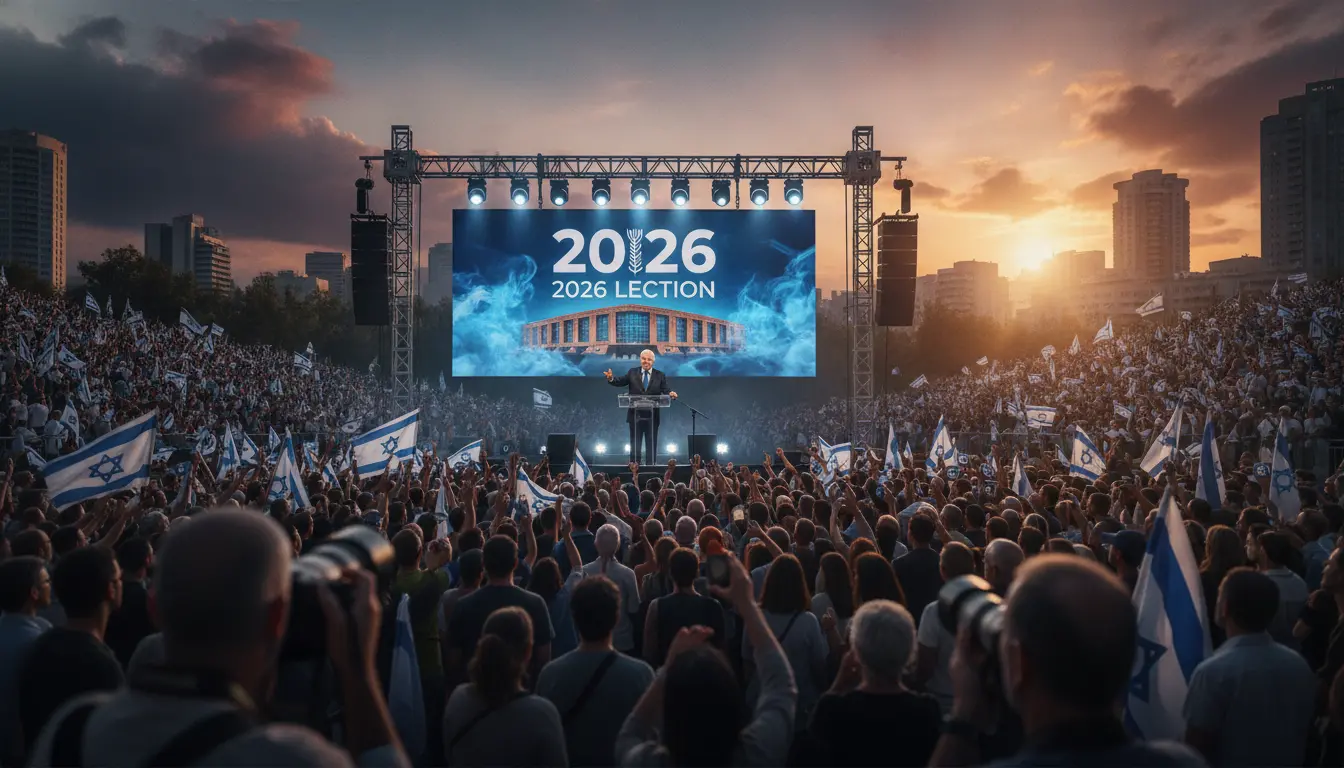
Likud Gears Up for High-Stakes 2026 Israeli Knesset Election Amid Deepening Political Divides
As Israel navigates one of its most turbulent periods in recent history, attention is already turning to the upcoming Knesset elections slated for October 27, 2026. The Likud party, led by veteran Prime Minister Benjamin Netanyahu, faces a formidable challenge in its bid to retain power amidst a landscape marked by profound national introspection, ongoing conflict, and deep societal fissures. The next two years will be a critical test for the party, as it seeks to consolidate its traditional voter base while contending with unprecedented public scrutiny and internal as well as external pressures.
Likud has long been a dominant force in Israeli politics, a testament to its appeal among a significant segment of the populace that values strong leadership, national security, and a conservative economic approach. Under Netanyahu, the party has overseen lengthy periods of growth and stability, becoming synonymous with his almost two decades in power across multiple terms. However, the current political climate is far more volatile than during previous election cycles. The aftermath of the October 7, 2023, attacks and the subsequent war in Gaza have reshaped public opinion, thrusting national security and governance failures to the forefront of the public discourse. While the initial response saw a surge in national unity, prolonged conflict, the ongoing hostage crisis, and the humanitarian situation in Gaza have eroded trust and sparked widespread protests, directly impacting the incumbent government's approval ratings.
The path to 2026 for Likud is fraught with complex dynamics. Beyond the immediate challenges of the war, the party must contend with lingering societal divisions exacerbated by the controversial judicial overhaul proposals that ignited mass protests for months prior to the current conflict. These reforms, widely seen by critics as an attempt to weaken the judiciary and consolidate executive power, polarized the nation and continue to represent a significant fault line within Israeli society. Netanyahu's personal legal battles also remain a background factor, consistently drawing criticism and fueling opposition narratives regarding governance and ethics.
Potential challengers to Likud are already positioning themselves. The National Unity party, led by Benny Gantz, who currently serves in the war cabinet, has seen fluctuating but generally improved poll numbers, presenting itself as a more centrist and unifying alternative. Other established parties, including Yesh Atid, led by former Prime Minister Yair Lapid, and a coalition of religious and ultra-Orthodox parties, will also vie for critical votes, potentially forcing complex coalition negotiations akin to the tumultuous years leading up to the current government. The fragmentation of the political spectrum means that securing a clear majority is an increasingly difficult task for any single party.
Likud’s strategy will likely involve emphasizing its experience in national security and economic management, appealing to its base through a strong right-wing platform, and portraying itself as the only stable option for leading the country through ongoing regional instability. However, the success of this strategy will heavily depend on the developments in Gaza, the fate of the hostages, and the overall trajectory of Israel’s security situation. Public sentiment regarding accountability for the events of October 7 will be a defining factor, with many Israelis demanding answers and a clear path forward.
What is at stake in the 2026 election extends beyond party politics; it is about Israel's future direction, its social cohesion, and its standing on the international stage. The next government will inherit the immense task of rebuilding trust, healing deep societal wounds, and navigating a complex geopolitical environment. For Likud and Prime Minister Netanyahu, securing another term will require not just political maneuvering but also a convincing demonstration of effective leadership and a clear vision for a nation grappling with existential questions and profound internal dissent. The campaign, though still distant, has effectively already begun, with every policy decision and public statement carefully scrutinized for its electoral implications.
Stay Informed. Act Smarter.
Get weekly highlights, major headlines, and expert insights — then put your knowledge to work in our live prediction markets.
Related News

New Zealand's Political Landscape Gears Up for Highly Contested 2026 General Election
Brazil Braces for Contentious 2026 Presidential Election as Lula Eyes Re-election Bid

Sweden's 2026 Election Looms as Political Blocs Grapple for Governing Mandate

Iceland Schedules Landmark Referendum on European Union Membership for August 2026

Mounting Political Tensions Raise Prospects of Early Canadian Federal Election

Speculation Intensifies Over United Kingdom General Election Date as Deadline Nears

Forecasting TIME Magazine's 2026 Person of the Year: The Annual Gauge of Global Influence

ECB Navigates Persistent Inflation and Growth Headwinds Ahead of Future Rate Adjustments

Icelanders to Vote on Future of EU Accession Path in August 2026

Haiti Faces Mounting Challenges Ahead of Scheduled 2026 Presidential Election