


Mounting Political Tensions Raise Prospects of Early Canadian Federal Election
OTTAWA – Canada's political landscape is increasingly fraught with instability, leading to widespread speculation that a federal election could be called well before its scheduled date in October 2025. While the current Liberal government, led by Prime Minister Justin Trudeau, has a confidence-and-supply agreement with the New Democratic Party (NDP) extending into 2025, a confluence of factors — from shifting public sentiment to strategic party calculations — is generating significant pressure for an earlier ballot.
At the heart of this discussion is the Liberal Party's minority government status. Since the 2019 election, and reinforced in 2021, the Liberals have governed without a majority, relying on the support of other parties to pass legislation and survive confidence votes. The formal agreement struck with Jagmeet Singh's NDP in March 2022 was designed to provide stability through to the end of the current parliamentary term, committing the NDP to support the government on key votes in exchange for progress on shared policy priorities like dental care and pharmacare. However, such agreements are inherently fragile, subject to political calculations and the evolving priorities of both partners. Should the NDP withdraw its support, or if a critical piece of legislation fails to pass, it could trigger a non-confidence vote, forcing an election.
The political calculus for each of Canada's major parties is complex and ever-changing. For the Liberal Party, the strategic decision to call an early election would likely hinge on polling data suggesting a window of opportunity to regain a majority mandate, or conversely, a desire to pre-empt a more disadvantageous scenario later. However, with consistent national polls showing a significant lead for Pierre Poilievre's Conservative Party, and Trudeau's personal approval ratings experiencing a downturn, the Liberals face an uphill battle. The government is grappling with persistent public discontent over housing affordability, the cost of living, and healthcare, issues the Conservatives have effectively leveraged to galvanize their base and attract swing voters.
For the New Democrats, their support for the Liberals comes with an implicit cost. While the agreement has delivered some tangible policy wins for Canadians, the NDP risks being seen as propping up an unpopular government, potentially alienating progressive voters who might otherwise gravitate towards their platform. Jagmeet Singh must weigh the benefits of policy implementation against the electoral imperative of distinguishing his party from the Liberals and preserving its unique identity. An early election could be seen as an opportunity for the NDP to stake out a stronger independent position, particularly if the Liberal-Conservative dynamic becomes too dominant.
Meanwhile, the Conservative Party, under the populist leadership of Pierre Poilievre, appears keen to force an election at the earliest possible moment. Their strong showing in recent polls and consistent criticism of the government's economic policies suggest a belief that they are well-positioned to form the next government, potentially even a majority. Poilievre's focus on fiscal responsibility, affordability, and streamlined government resonates with a significant segment of the electorate, and his party is actively campaigning as if an election is imminent, ready to capitalize on any sign of Liberal-NDP discord.
Beyond party strategies, external pressures also play a role. Global economic uncertainties, shifts in international relations, or unforeseen domestic crises could further destabilize the political environment. Historically, Canadian minority governments have often been short-lived, with prime ministers seeking a fresh mandate when conditions seem favorable, or being forced to the polls by a loss of confidence. The delicate balance in the House of Commons means that even minor shifts in public mood or party alignment could quickly escalate into a full-blown election campaign, overriding the existing agreement.
The coming months will be critical as political leaders assess their positions and the public mood. Whether driven by Liberal ambition, NDP discontent, or Conservative pressure, the prospect of Canadians heading to the polls in 2026, or even late 2025, remains a distinct and growing possibility, setting the stage for what promises to be a highly contested and pivotal federal election. The future direction of Canadian policy and governance hangs in the balance, making every parliamentary maneuver and public statement a potential trigger for the next national vote.
Stay Informed. Act Smarter.
Get weekly highlights, major headlines, and expert insights — then put your knowledge to work in our live prediction markets.
Related News

New Zealand's Political Landscape Gears Up for Highly Contested 2026 General Election

Speculation Intensifies Over United Kingdom General Election Date as Deadline Nears

Sweden's 2026 Election Looms as Political Blocs Grapple for Governing Mandate
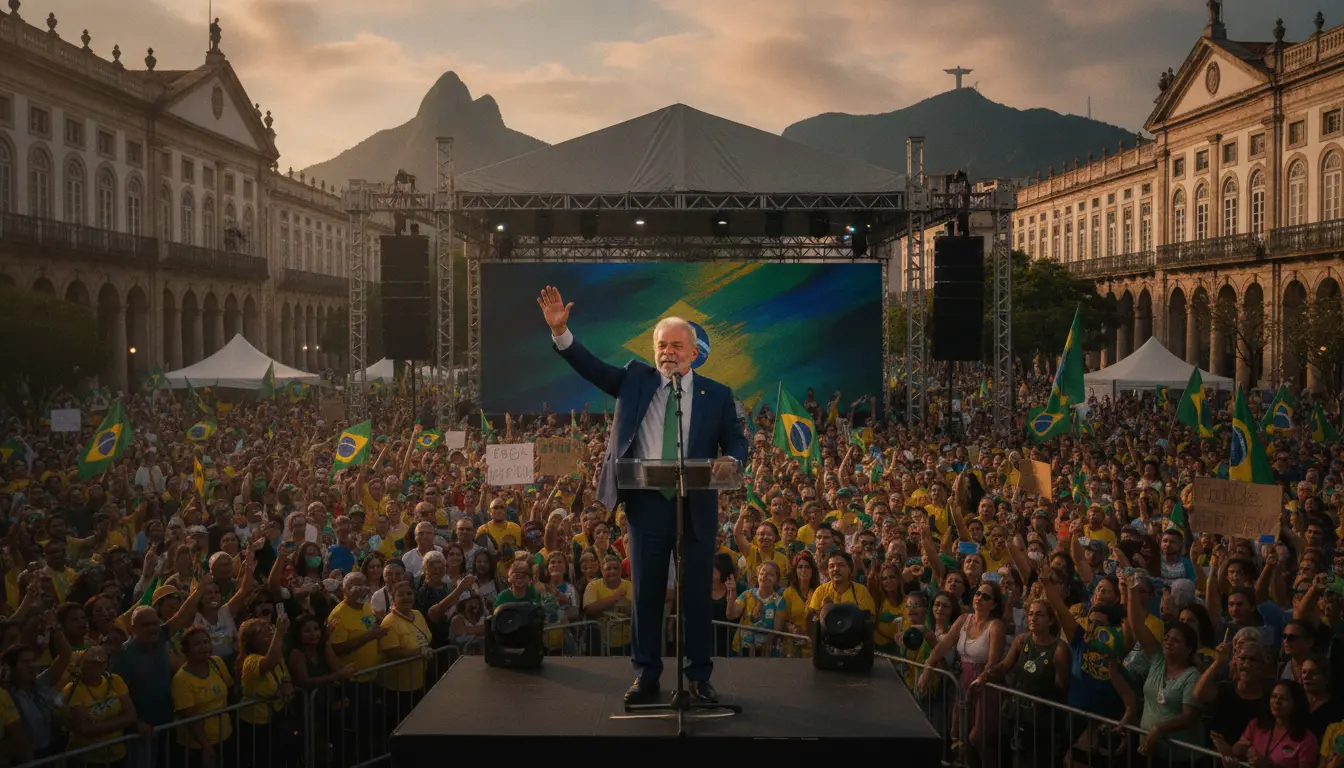
Brazil Braces for Contentious 2026 Presidential Election as Lula Eyes Re-election Bid

Likud Gears Up for High-Stakes 2026 Israeli Knesset Election Amid Deepening Political Divides
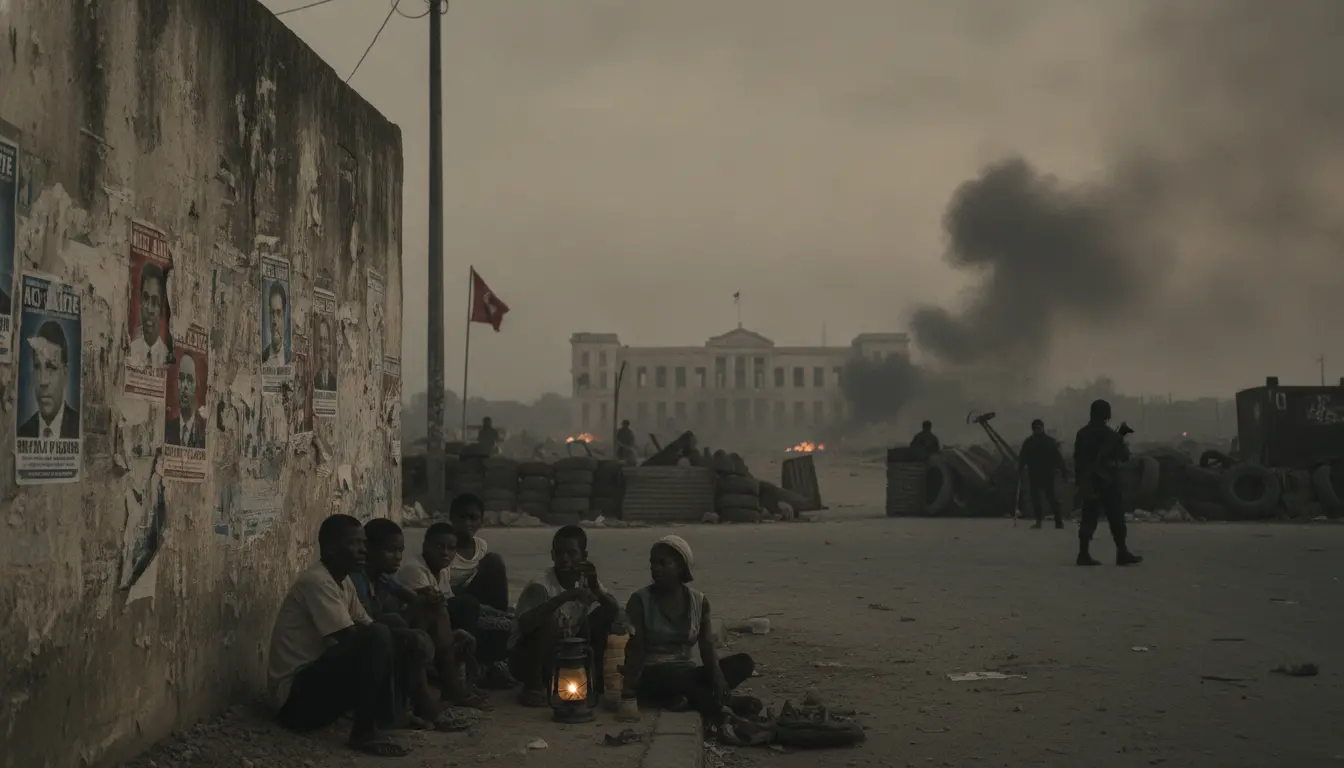
Haiti Faces Mounting Challenges Ahead of Scheduled 2026 Presidential Election

Iceland Schedules Landmark Referendum on European Union Membership for August 2026

Brazilian Senate Weighs Landmark Constitutional Amendment to Rein in Supreme Court Powers
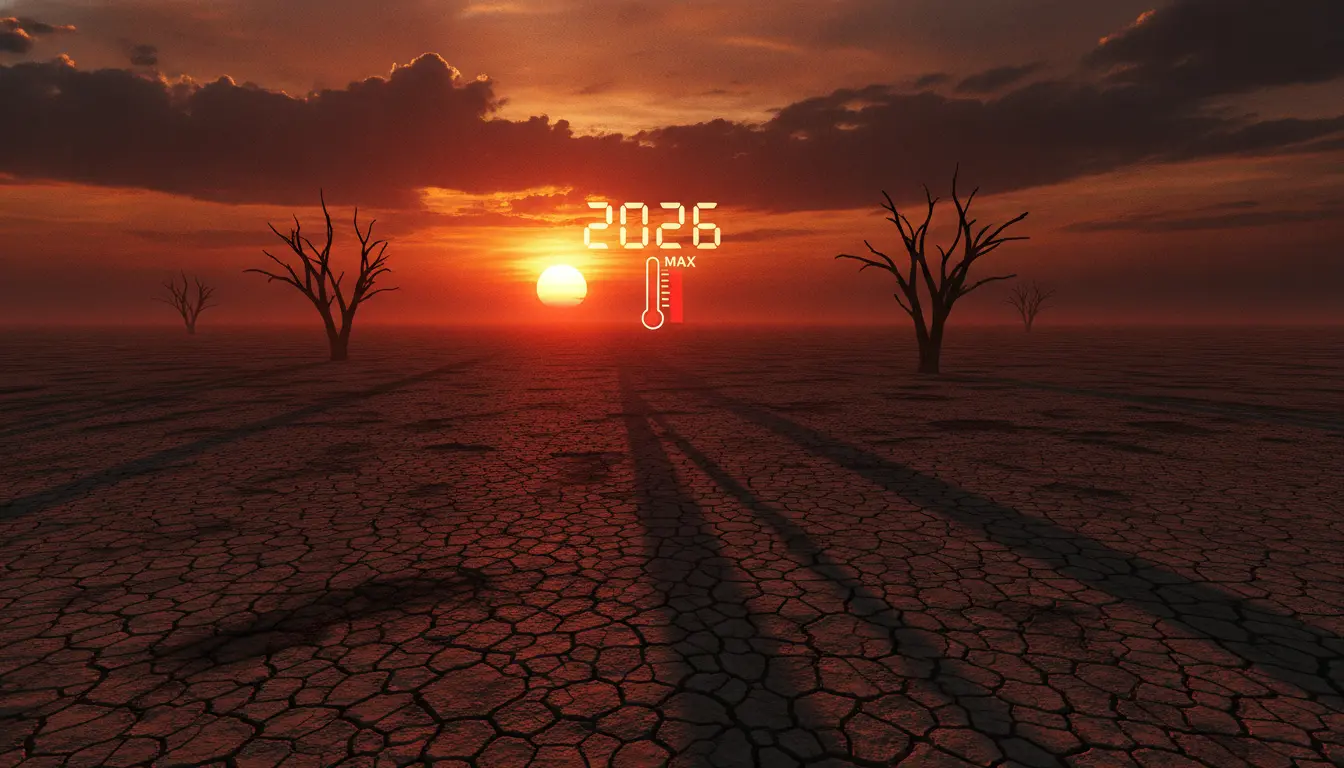
Global Temperatures Point to Potential Record-Breaking Summer by 2026 Amid Worsening Climate Trends

Federal Reserve's Independence Hangs in Balance as Supreme Court Weighs Presidential Firing Power