

Outpoll Weekly Recap: Politics (October 26 – November 1, 2026)
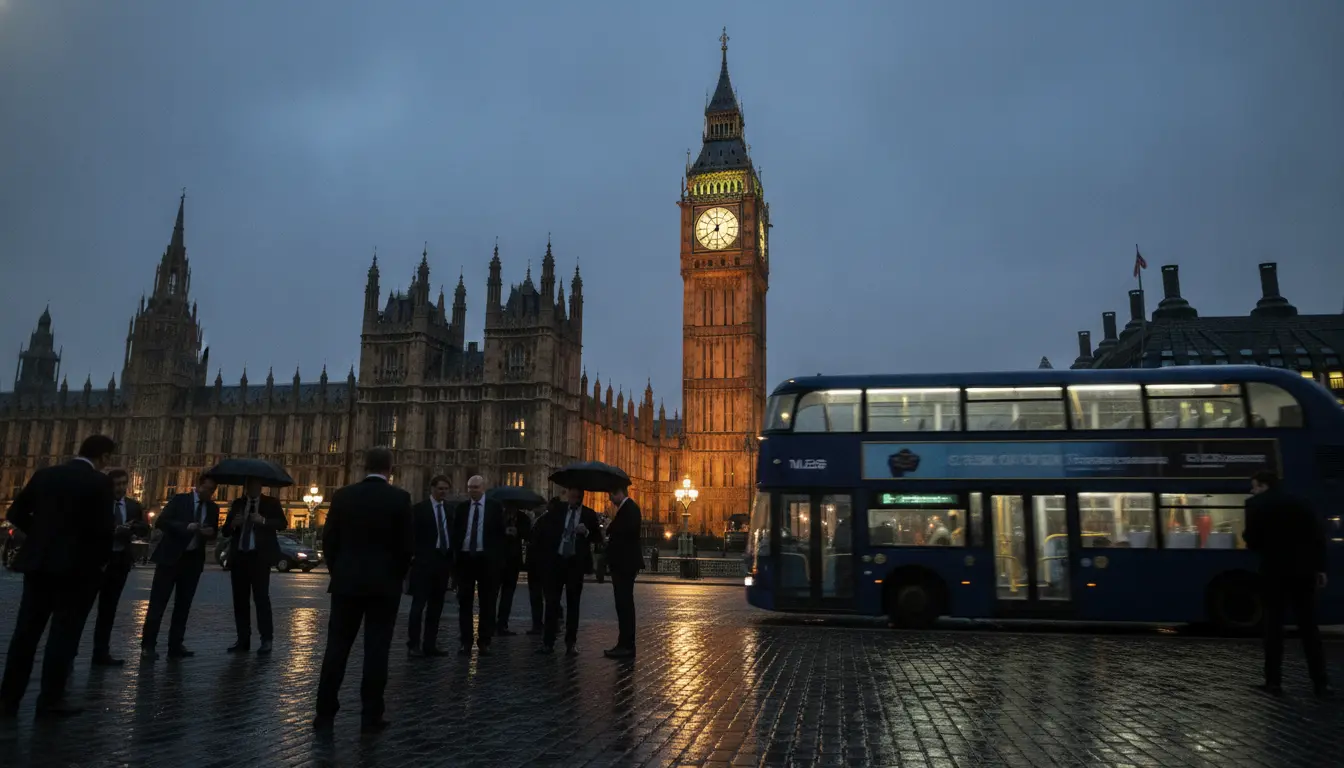
In the fraught landscape of British politics, where every decision is magnified through the prism of an impending general election, this week laid bare the Conservative government's high-stakes strategy for survival. Faced with stubbornly dismal poll numbers and a restless electorate, Downing Street appears to have settled on a combative approach: drawing sharp, ideological dividing lines with the opposition, even at the cost of significant controversy. The government’s decision to greenlight the development of the contentious Rosebank oil field in the North Sea was not merely a matter of energy policy; it was a calculated political gambit, a defining act in the opening salvo of what promises to be a bruising election campaign.
The approval of Rosebank, the UK’s largest undeveloped oil and gas field, ignited a firestorm of criticism. For environmental campaigners and climate scientists, the move represents a staggering betrayal of the UK's net-zero commitments, a step backward at a time when the world is grappling with the accelerating climate crisis. The government’s justification, however, was framed in the starkly pragmatic terms of economic reality and national security. Ministers argued that the project would create jobs, bolster the UK's energy independence by reducing reliance on foreign imports, and provide a necessary transitional fuel source. This narrative is deliberately crafted to appeal to voters concerned with energy bills and economic stability, positioning the government as the champion of pragmatic, common-sense solutions against what they hope to portray as the Labour Party's costly and idealistic green agenda.
This decision cannot be understood outside the context of the Conservatives' uphill electoral battle. Trailing Labour by a significant margin for months, the party is desperately seeking a way to reframe the national conversation and shift the political terrain onto more favourable ground. The calculus in Downing Street seems to be that by forcing a debate on issues like Rosebank, they can paint their opponents into a corner. The goal is to present voters with a stark choice: a Tory party focused on jobs, security, and lower energy costs, versus a Labour party allegedly willing to sacrifice all of that at the altar of green ideology. It is a classic wedge strategy, designed to cleave off support from traditional Labour voters in industrial heartlands who may be wary of the economic implications of an accelerated green transition.
Yet, the risks associated with this strategy are immense. In pursuing a short-term electoral advantage, the government risks alienating a broad coalition of voters, including younger generations and more moderate, suburban conservatives for whom climate change is a salient and urgent issue. The decision also threatens to undermine the UK’s international standing as a climate leader, a reputation it painstakingly built in the run-up to and following its presidency of the COP26 summit. The move could easily backfire, being perceived not as pragmatic, but as a desperate, short-sighted act of a government clinging to the past and willing to mortgage the country’s future for a fleeting chance at political survival.
The opposition's response has been swift and condemnatory, framing the Rosebank approval as further proof of a tired government out of ideas and out of touch with the challenges of the 21st century. Labour leader Keir Starmer now faces the challenge of articulating a compelling alternative that addresses both the climate emergency and voters' legitimate concerns about the cost of living. His task is to build a narrative of a green transition that creates jobs and ensures energy security, thereby neutralising the Conservatives' primary line of attack and demonstrating that environmental responsibility and economic prosperity are not mutually exclusive.
As the dust settles on a tumultuous week, the political battle lines for the next general election have been drawn more clearly than ever. The Rosebank decision was a signal of intent from the government, indicating a willingness to fight a culture-war-inflected campaign that pits economic pragmatism against environmental ideals. What to watch now is whether this strategy gains traction or further cements the public perception of a party on the wrong side of history. The coming weeks will likely see more such policy announcements designed to create division and debate, as a government fighting for its life pulls every available lever in an attempt to turn the tide.
Stay Informed. Act Smarter.
Get weekly highlights, major headlines, and expert insights — then put your knowledge to work in our live prediction markets.
Related News

Speculation Intensifies Over United Kingdom General Election Date as Deadline Nears

New Zealand's Political Landscape Gears Up for Highly Contested 2026 General Election

Mounting Political Tensions Raise Prospects of Early Canadian Federal Election

Likud Gears Up for High-Stakes 2026 Israeli Knesset Election Amid Deepening Political Divides
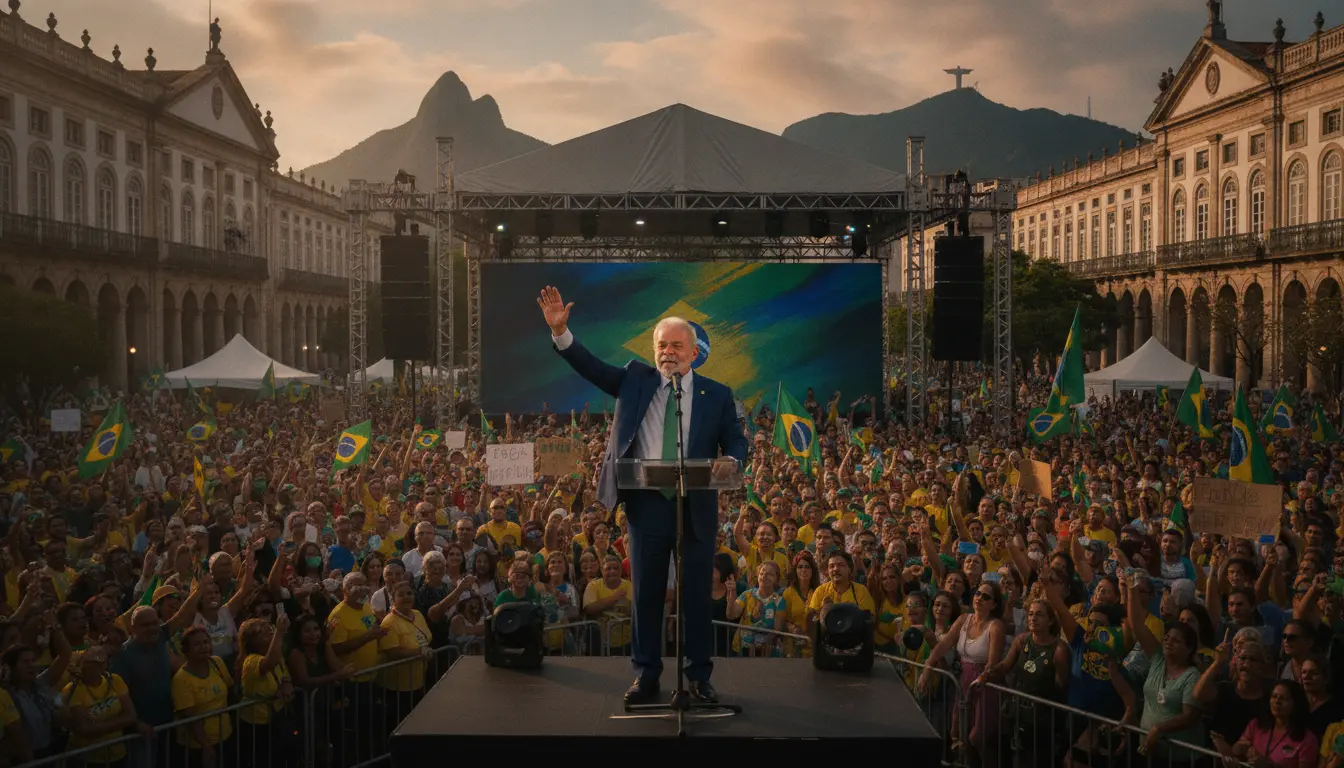
Brazil Braces for Contentious 2026 Presidential Election as Lula Eyes Re-election Bid
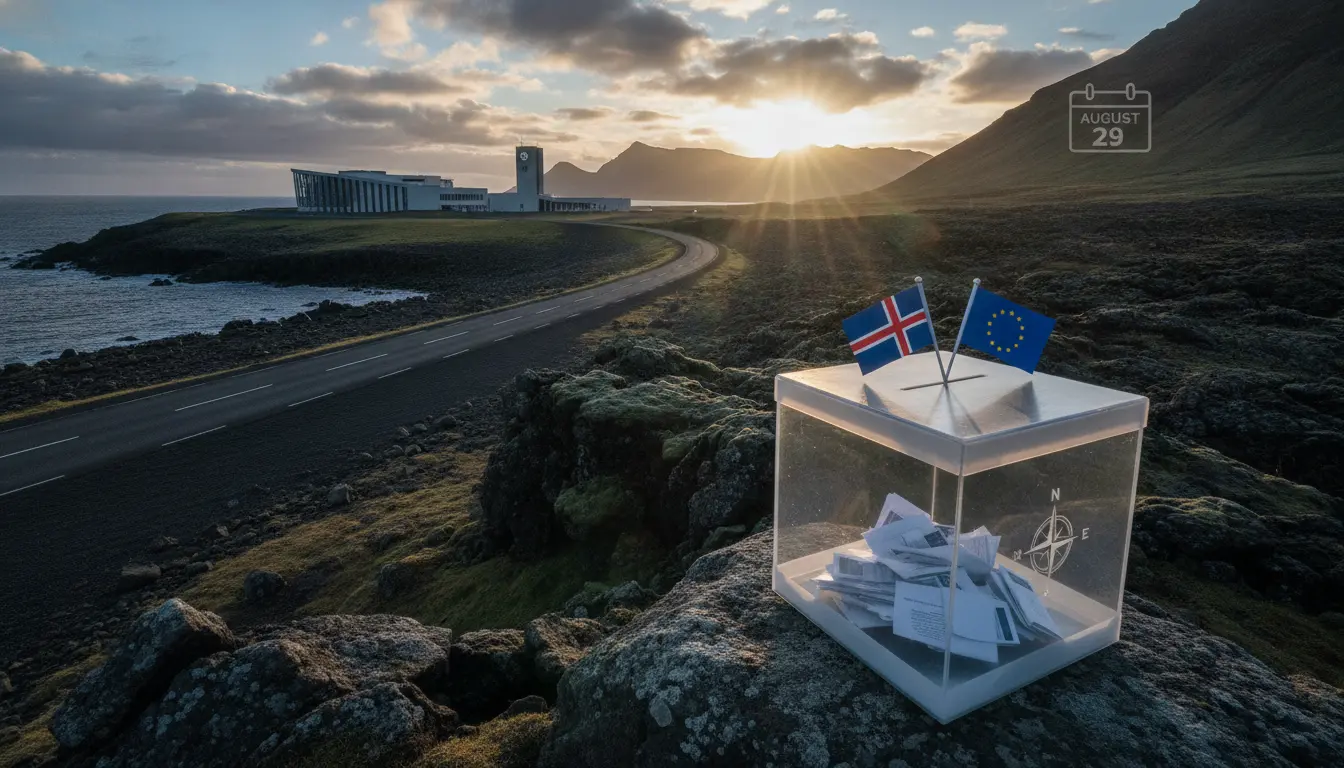
Icelanders to Vote on Future of EU Accession Path in August 2026

Sweden's 2026 Election Looms as Political Blocs Grapple for Governing Mandate
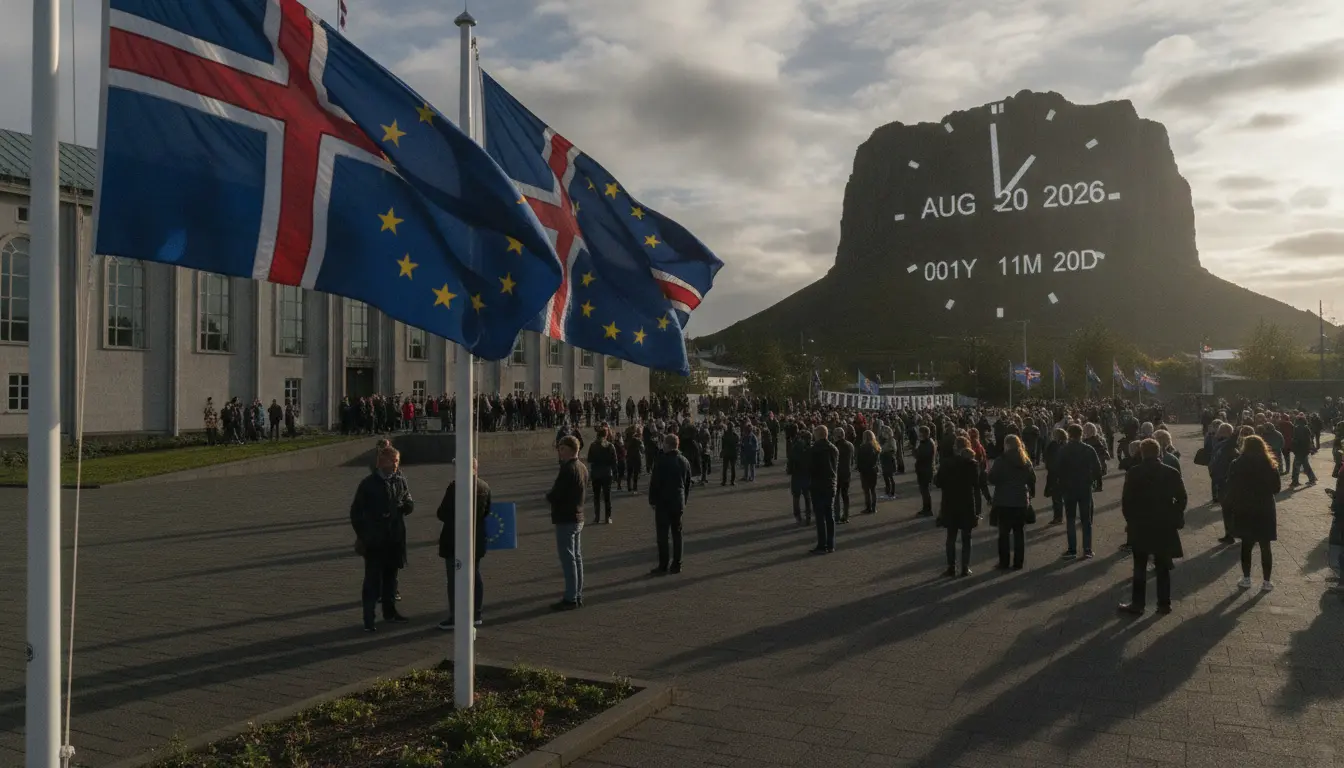
Iceland Schedules Landmark Referendum on European Union Membership for August 2026

Eurozone Economic Headwinds Intensify Pressure on ECB for Potential October 2026 Rate Cut

Brazilian Senate Weighs Landmark Constitutional Amendment to Rein in Supreme Court Powers