


Iceland Schedules Landmark Referendum on European Union Membership for August 2026
Iceland is set to hold a nationwide referendum on August 20, 2026, to determine whether the island nation will pursue an application for full membership in the European Union. The decision to put the question to the electorate marks a pivotal moment in Iceland's modern history, rekindling a long-standing debate that has deeply divided the political landscape and public opinion for decades. This upcoming vote will force a definitive stance on the country's relationship with the continent's most powerful political and economic bloc, with profound implications for its sovereignty, economy, and geopolitical standing.
Historically, Iceland has maintained a complex and often cautious relationship with the European Union. The country initially applied for membership in 2009 in the wake of its devastating financial crisis, a move largely driven by a desire for economic stability and greater integration with Europe. However, negotiations quickly stalled, primarily due to Iceland's staunch protection of its vital fishing industry and its insistence on full control over its rich fishing grounds – an area where the EU's Common Fisheries Policy (CFP) demands shared resource management. Sovereignty over natural resources, particularly its highly lucrative fisheries, has always been a red line for Icelandic negotiators and a fundamental pillar of national identity, making full adherence to EU policies a contentious proposition. The application was ultimately withdrawn by the Icelandic government in 2015, seemingly putting the issue to rest.
The re-emergence of the EU membership question on the national agenda comes amidst shifting global dynamics and domestic considerations. Supporters of joining the EU often point to the benefits of access to the vast single market, potential economic stability, and increased political influence on the international stage. They argue that aligning with the EU could diversify Iceland's economy beyond its traditional reliance on fishing and tourism, foster innovation, and provide a stronger framework for legal and regulatory cooperation. Furthermore, advocates suggest that EU membership could bolster Iceland's security in an increasingly complex geopolitical environment.
Conversely, opponents of EU membership frequently cite concerns about surrendering sovereignty, particularly over the aforementioned fisheries, and the potential loss of an independent monetary policy. They argue that Iceland’s small, agile economy benefits from its autonomy, allowing it to respond quickly to global economic shifts without being tied to the broader eurozone. Critics also raise fears that joining the EU could dilute Iceland's unique cultural identity and democratic processes, subject its laws to external oversight, and potentially lead to a less favorable position for its crucial agricultural sector. The experience of other European nations, including the UK's departure from the Union, also provides a fresh context for these debates, with both sides drawing lessons from Brexit’s economic and political ramifications.
The announcement of the referendum sets the stage for an intense period of national debate and campaigning. Political parties across the spectrum are expected to articulate their positions vigorously, with the ruling coalition likely facing pressure to clarify its stance beyond simply facilitating the vote. Public sentiment remains fractured, with polls historically showing a populace divided between those favoring closer ties with the EU, those preferring the status quo within the European Economic Area (EEA), and those advocating for complete independence. This upcoming referendum is not merely a vote on an international agreement; it is a fundamental choice about Iceland's future trajectory, its identity in a globalized world, and its economic destiny. The outcome will resonate far beyond the island's shores, marking a significant moment for Nordic cooperation and the broader European project.
As the 2026 date approaches, both pro-EU and anti-EU movements are expected to mobilize extensively, utilizing media, grassroots campaigns, and public forums to sway undecided voters. The debate will undoubtedly delve deep into issues of national pride, economic viability, and the strategic advantages and disadvantages of closer integration with the continent. Regardless of the outcome, the referendum itself represents a critical democratic exercise, allowing the Icelandic people to directly shape their nation’s path forward on a question of paramount importance.
Stay Informed. Act Smarter.
Get weekly highlights, major headlines, and expert insights — then put your knowledge to work in our live prediction markets.
Related News
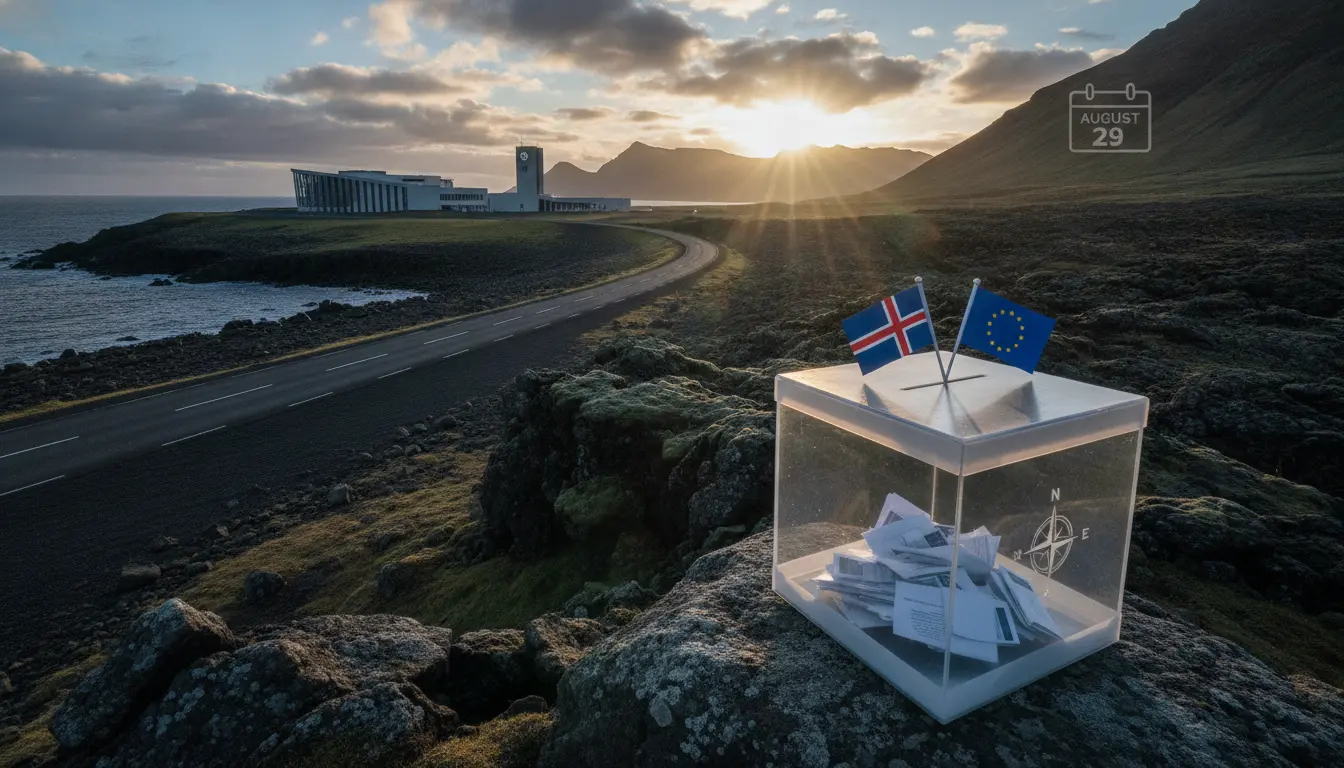
Icelanders to Vote on Future of EU Accession Path in August 2026

Sweden's 2026 Election Looms as Political Blocs Grapple for Governing Mandate

New Zealand's Political Landscape Gears Up for Highly Contested 2026 General Election

ECB Navigates Persistent Inflation and Growth Headwinds Ahead of Future Rate Adjustments
Likud Gears Up for High-Stakes 2026 Israeli Knesset Election Amid Deepening Political Divides

UEFA-FIFA Power Struggle Intensifies, Casting Doubt on European Participation in 2026 World Cup
Brazil Braces for Contentious 2026 Presidential Election as Lula Eyes Re-election Bid

European Union Prepares for Intensifying Threat of Simultaneous 'Red' Heatwave Alerts

Belgium and Netherlands Gear Up to Co-Host 2026 Men's FIH Hockey World Cup Amid Global Anticipation

European Capitals Brace for Potentially Record-Shattering July Heat in 2026