

- News
- Sport
- UEFA-FIFA Power Struggle Intensifies, Casting Doubt on European Participation in 2026 World Cup
UEFA-FIFA Power Struggle Intensifies, Casting Doubt on European Participation in 2026 World Cup
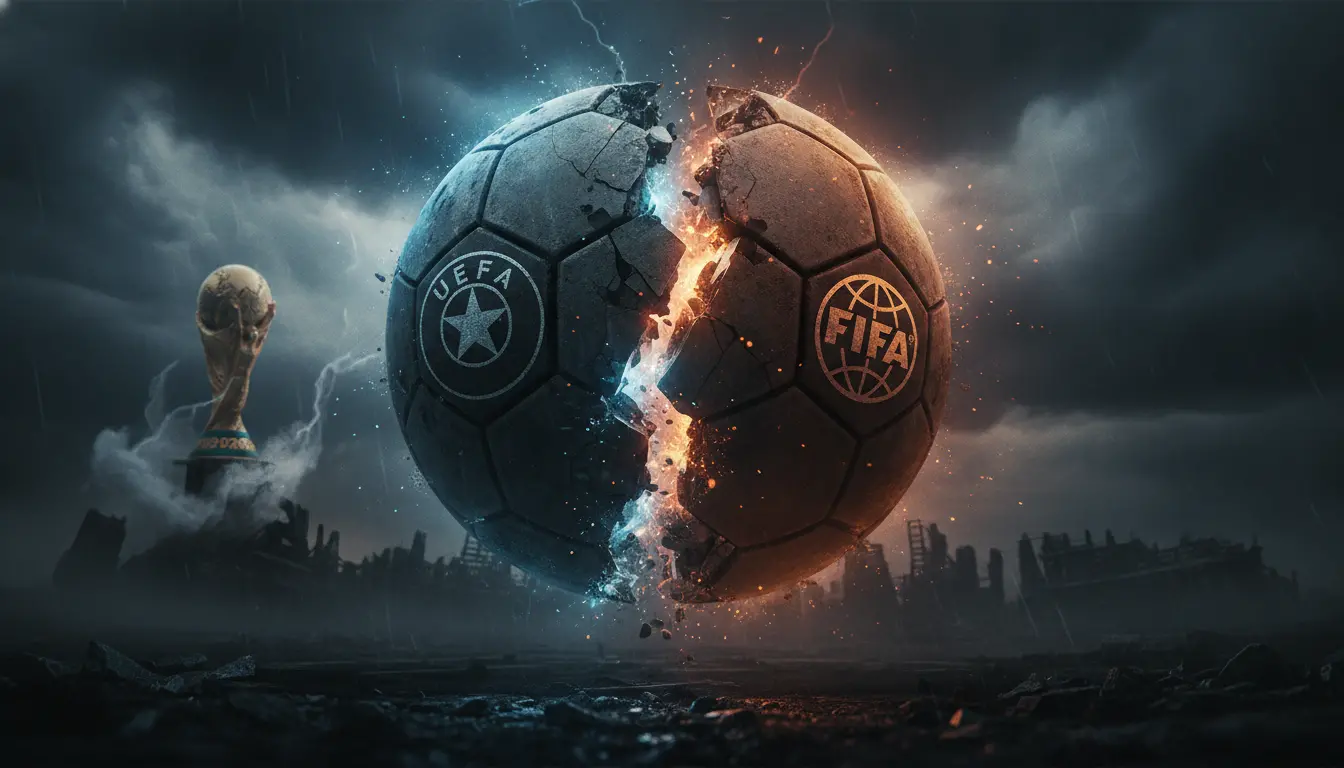
A deep and increasingly acrimonious rift between two of world football's most powerful bodies, UEFA and FIFA, is casting a long shadow over the future of the sport's marquee event, the World Cup. Tensions, which have simmered for years, have reached a critical point, with European football’s governing body holding firm on its threat to boycott future tournaments, including the upcoming 2026 World Cup in North America. The standoff, rooted in fundamental disagreements over governance, finance, and the sport’s calendar, threatens to fracture the global football landscape and devalue its most prestigious competition.
The conflict is largely centered on the ambitious and often controversial vision of FIFA President Gianni Infantino. Since taking office, Infantino has pursued a transformative agenda aimed at expanding FIFA’s commercial footprint and redistributing power within the global game. His proposals have frequently clashed with the interests of UEFA and its influential president, Aleksander Čeferin. Key flashpoints have included the push for a biennial World Cup, which was met with fierce resistance and ultimately shelved, and the expansion of the FIFA Club World Cup, which European clubs and leagues view as a direct encroachment on their already congested calendars and commercial domains.
The most recent catalyst for the heightened tensions was a controversial plan floated by FIFA’s leadership to sell off significant commercial rights related to the World Cup to external investors, potentially including private equity or sovereign wealth funds. For UEFA, this represented a step too far—an attempt to cede control of football’s crown jewel and fundamentally alter the financial model that has underpinned the sport for decades. Officials in Europe argue that such a move would prioritize short-term profit over the long-term health and integrity of the game, a position that has solidified their resolve and hardened their opposition to Infantino's administration.
In response to what it perceives as a series of power grabs, UEFA has deployed its most powerful piece of leverage: the collective might of its member nations. A World Cup without European powerhouses such as Germany, France, England, Spain, and Italy is almost unthinkable, both from a competitive and a commercial standpoint. European teams have won the last four World Cups and comprise a significant portion of the tournament’s global viewership and sponsorship appeal. UEFA’s boycott threat is therefore not an empty one; it is a calculated warning that a significant portion of the football world is prepared to splinter from FIFA’s orbit if their concerns are not addressed. This stance has found support from other influential confederations, most notably South America's CONMEBOL, which has often allied with UEFA in opposition to FIFA's plans.
For his part, Gianni Infantino frames his initiatives as necessary for global football development. He contends that his plans are designed to create more opportunities and distribute more revenue to the 211 member associations, particularly those outside the wealthy European bubble. This narrative plays well with many nations in Africa, Asia, and the Americas, who feel marginalized by the concentration of power and wealth in Europe. Infantino’s strategy relies on building a broad coalition of these smaller federations to push through his reforms, effectively challenging the historic dominance of the European and South American blocs.
As the 2026 World Cup, set to be hosted by the United States, Canada, and Mexico, approaches, the stakes could not be higher. While backroom negotiations and political maneuvering are ongoing, the public posturing has created an atmosphere of unprecedented uncertainty. A resolution would require significant compromise, likely forcing FIFA to scale back its most ambitious commercial plans and grant UEFA greater say in the governance of the international calendar. Failure to find common ground could lead to a seismic schism in world football, forcing nations, clubs, and players to choose sides. For now, the football world watches with bated breath, hoping the guardians of the global game can pull back from the brink before its most celebrated event is irrevocably damaged.
Stay Informed. Act Smarter.
Get weekly highlights, major headlines, and expert insights — then put your knowledge to work in our live prediction markets.
Related News
FIFA President Gianni Infantino Faces Mounting Pressure Amid Renewed Integrity Concerns
Speculation Intensifies Over Mexico-South Africa Pairing for 2026 FIFA World Cup Opening Match
Belgium and Netherlands Gear Up to Co-Host 2026 Men's FIH Hockey World Cup Amid Global Anticipation
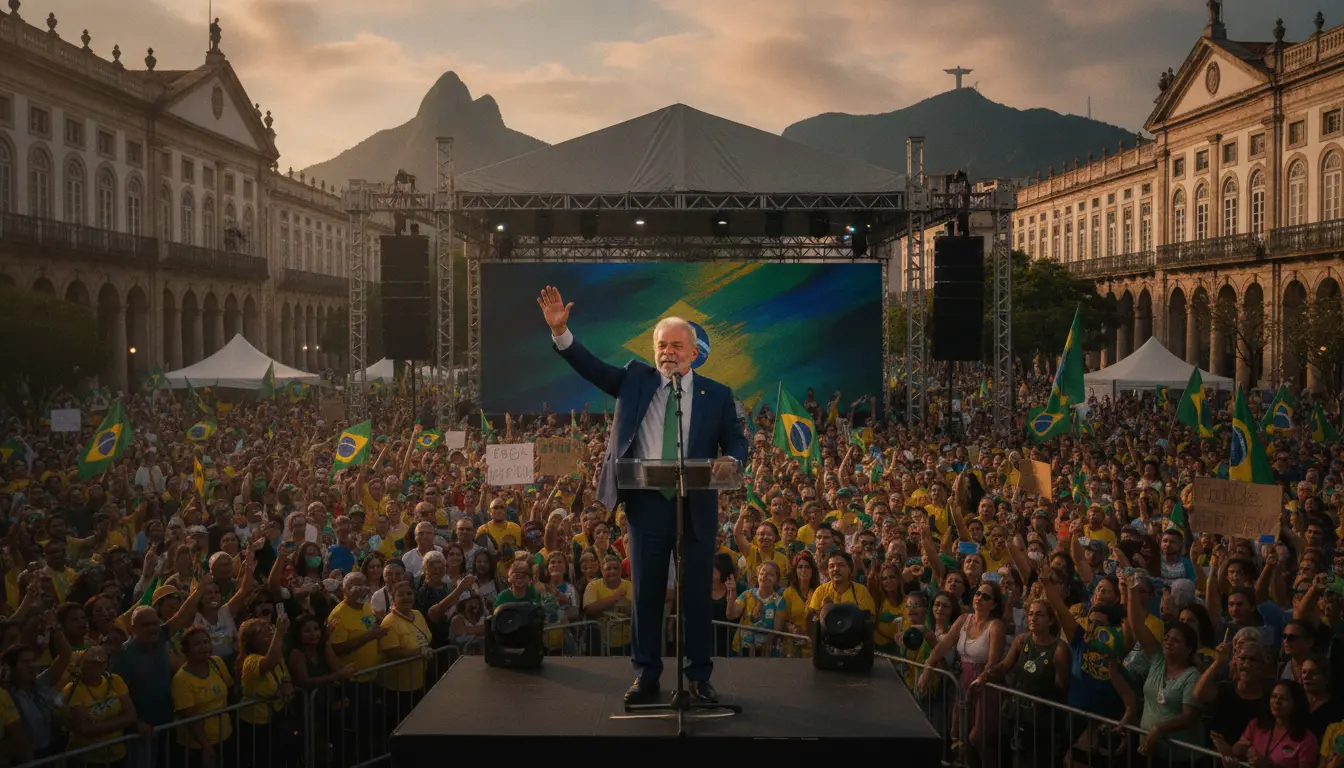
Brazil Braces for Contentious 2026 Presidential Election as Lula Eyes Re-election Bid
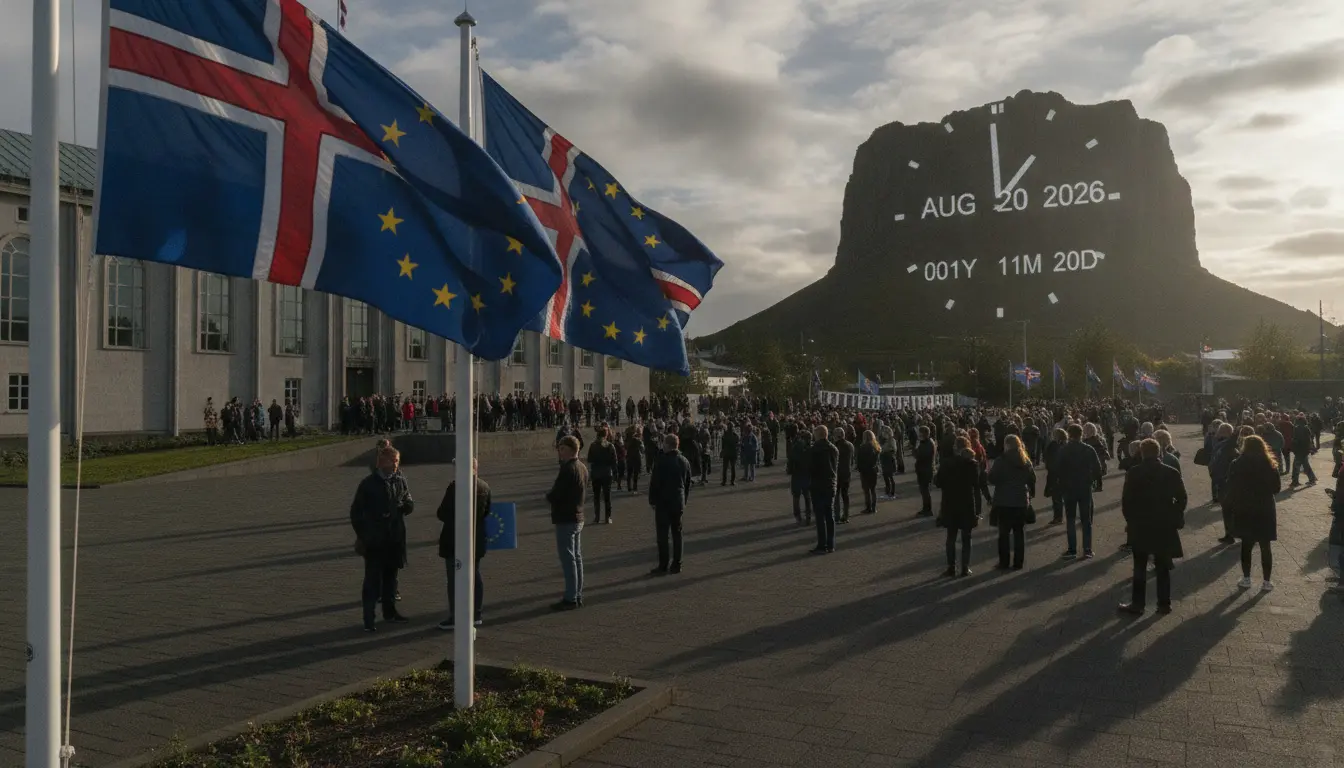
Iceland Schedules Landmark Referendum on European Union Membership for August 2026
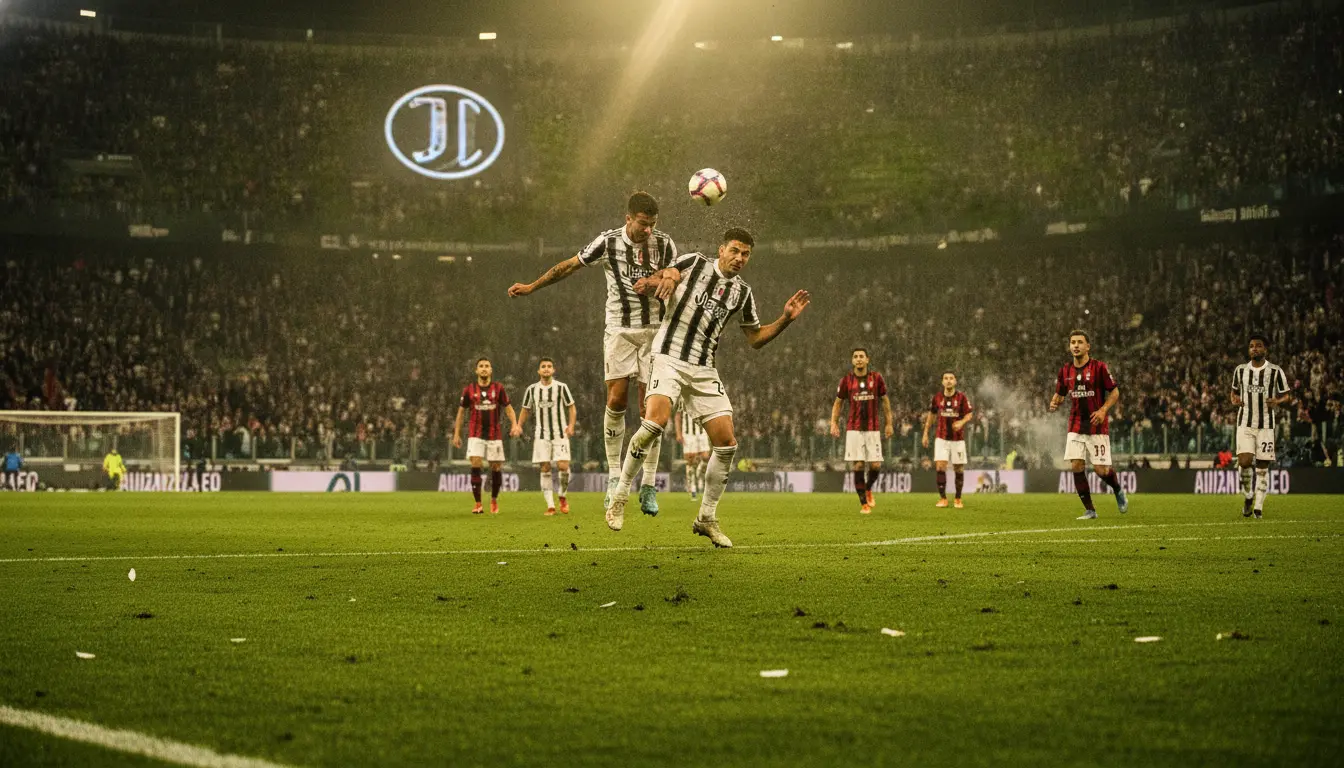
Juventus and AC Milan Lock Horns in Pivotal Serie A Showdown for Title Aspirations
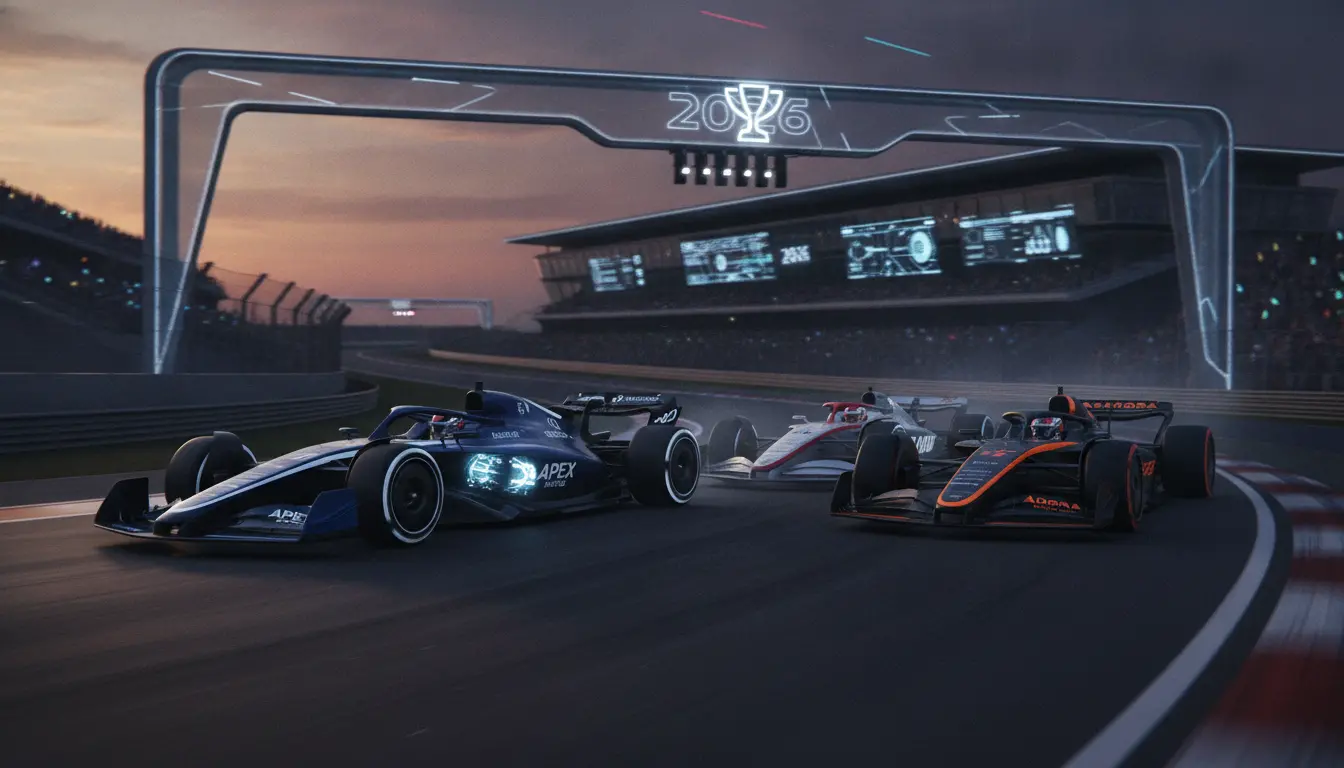
Key Teams Position Themselves for Dominance in Anticipated 2026 F1 Constructors' Championship
Global Temperatures Point to Potential Record-Breaking Summer by 2026 Amid Worsening Climate Trends
Anticipation Builds for 2026 European Women's Volleyball Championship as Co-Hosts Prepare

European Capitals Face Mounting Risk of Record-Breaking Heatwaves by Summer 2026