

- News
- Sport
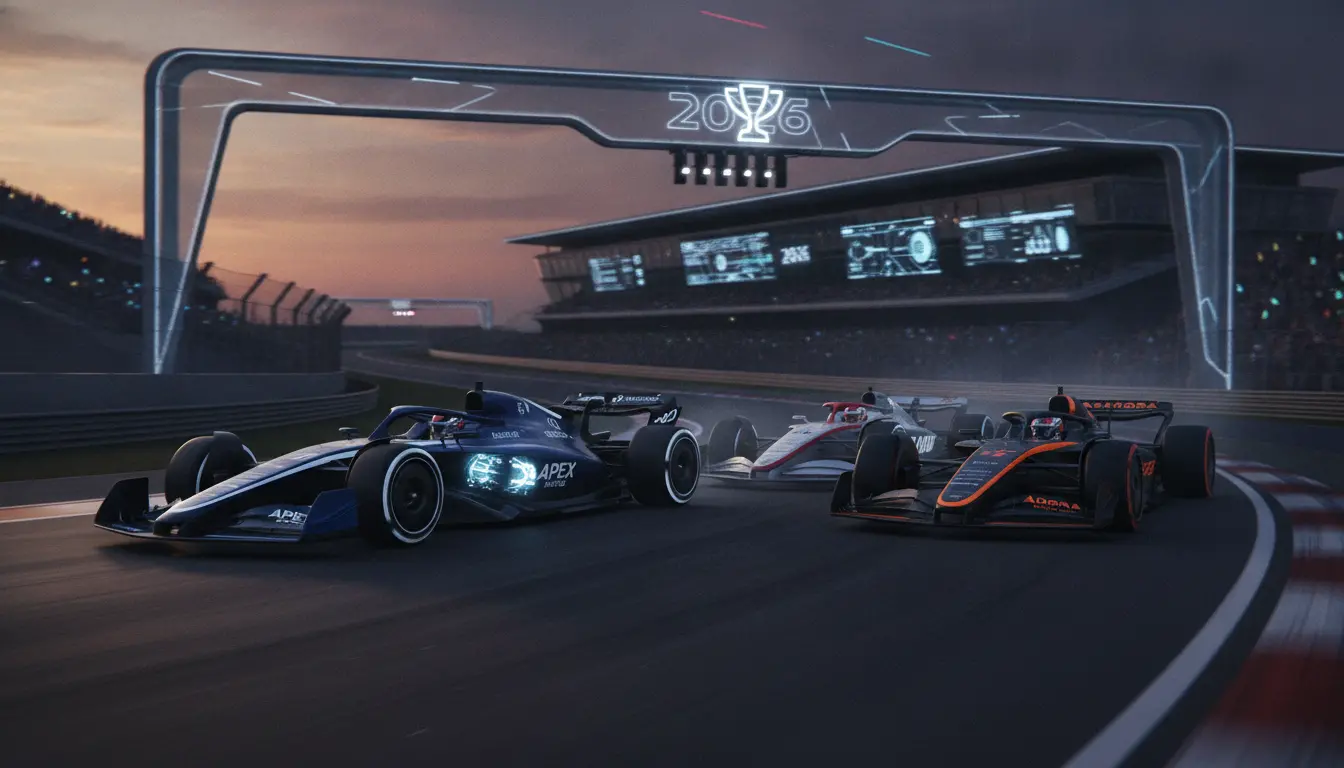
- Key Teams Position Themselves for Dominance in Anticipated 2026 F1 Constructors' Championship
Key Teams Position Themselves for Dominance in Anticipated 2026 F1 Constructors' Championship
As the 2026 Formula 1 season draws closer, the motorsport world is bracing for one of the most significant regulatory overhauls in recent memory, poised to reshape the Constructors' Championship landscape. With radical changes slated for both power units and chassis aerodynamics, teams are already deep into development, strategically positioning themselves for what promises to be an intensely competitive era. The upcoming regulations are designed to promote greater sustainability, cost efficiency, and closer racing, but their true impact on the established pecking order remains the most compelling unknown.
The core of the 2026 regulations lies in the redesigned power units, which will feature a simplified turbo-hybrid architecture with a significant increase in electrical power (from 120kW to 350kW) and the complete removal of the MGU-H (Motor Generator Unit – Heat). This shift aims to attract new manufacturers, notably Audi, which is set to enter the sport in partnership with Sauber. The reliance on 100% sustainable fuels also marks a critical step towards Formula 1's net-zero carbon target by 2030. These technical changes demand a completely fresh approach to engine design and integration, potentially leveling the playing field and offering a golden opportunity for teams that can master the new specifications most effectively. Power unit development cycles are long and resource-intensive, meaning the decisions and investments made by manufacturers now will dictate their competitiveness for years to come.
Alongside the engine changes, aerodynamic regulations will undergo a substantial revision, focusing on active aerodynamics with movable front and rear wings to reduce drag on straights and increase downforce in corners. The cars are also expected to be smaller and lighter, making them more agile and reducing the ‘dirty air’ effect that has hampered close racing in the past. These aero concepts will demand a fundamental rethink from design teams, moving away from the ground effect philosophy that has dominated the current era. Teams like Red Bull, who have demonstrated exceptional aerodynamic prowess under current rules, will face the challenge of adapting their philosophy, while others, such as Mercedes and Ferrari, might see an opportunity to regain their stride if they can crack the new aero puzzle sooner.
Major players like Red Bull Racing, Ferrari, and Mercedes-AMG are already heavily investing in their 2026 projects, with dedicated teams of engineers and substantial budgetary allocations. Red Bull Powertrains, for instance, is developing its own power unit for the first time, a monumental undertaking for the reigning champions, in collaboration with Ford. Ferrari, with its long history as an engine manufacturer, possesses inherent advantages in integrating chassis and power unit, while Mercedes aims to reassert its dominance after a challenging period under the current ground effect rules. McLaren and Aston Martin are also expected to be strong contenders, having shown significant upward trajectories and bolstering their infrastructure and technical personnel.
The stakes in the Constructors' Championship are immense, encompassing not only prestige and sporting glory but also significant financial rewards and the ability to attract top talent. A strong showing in 2026 could define a team's trajectory for the rest of the decade, influencing sponsorships, manufacturer support, and driver decisions. The driver market, in particular, will be keenly watching the early developments, as top-tier talent will inevitably gravitate towards teams perceived to have the best package under the new regulations. With constructors pouring resources into simulation, research, and development, the race for an early advantage is already in full swing, setting the stage for a dramatic and potentially unpredictable battle for supremacy.
The entry of Audi as a full factory team signals the broader industry confidence in Formula 1's future direction and the allure of the new technical framework. Their investment brings fresh competition and engineering perspectives to the grid, further intensifying the challenge for established players. The blend of new power unit designs, overhauled aerodynamics, and the promise of a more level playing field means that every aspect of team operation – from engine development and chassis design to driver strategy and operational efficiency – will be scrutinized as the 2026 season approaches. The anticipation is palpable, not just among fans but within the sport's technical heartlands, as teams strive to be the first to unlock the performance potential of Formula 1’s next generation.
Ultimately, the 2026 season is poised to be a reset button for Formula 1, challenging existing hierarchies and rewarding innovation. The meticulous preparation happening behind closed doors now will translate directly into on-track performance, determining which team emerges as the Constructors' Champion in this pivotal new era. The complexity of the technical challenge, coupled with the sport’s relentless pursuit of excellence, guarantees an enthralling spectacle as the grid adapts to its most significant transformation in years.
Stay Informed. Act Smarter.
Get weekly highlights, major headlines, and expert insights — then put your knowledge to work in our live prediction markets.
Related News

New Zealand's Political Landscape Gears Up for Highly Contested 2026 General Election

Brazil Braces for Contentious 2026 Presidential Election as Lula Eyes Re-election Bid

AI Race Intensifies as Major Companies Target 2026 for Next-Generation Language Models

Belgium and Netherlands Gear Up to Co-Host 2026 Men's FIH Hockey World Cup Amid Global Anticipation

UEFA-FIFA Power Struggle Intensifies, Casting Doubt on European Participation in 2026 World Cup

OpenAI Targets GPT-6 Release by 2026 as AI Race Intensifies

Global Temperatures Point to Potential Record-Breaking Summer by 2026 Amid Worsening Climate Trends

PGA Tour Prepares for Intense 2026 FedExCup Race Amid Evolving Golf Landscape

Anticipation Builds for 2026 AIG Women's British Open, A Premier Major Championship

Sweden's 2026 Election Looms as Political Blocs Grapple for Governing Mandate