

- News
- Science
- Global Temperatures Point to Potential Record-Breaking Summer by 2026 Amid Worsening Climate Trends
Global Temperatures Point to Potential Record-Breaking Summer by 2026 Amid Worsening Climate Trends
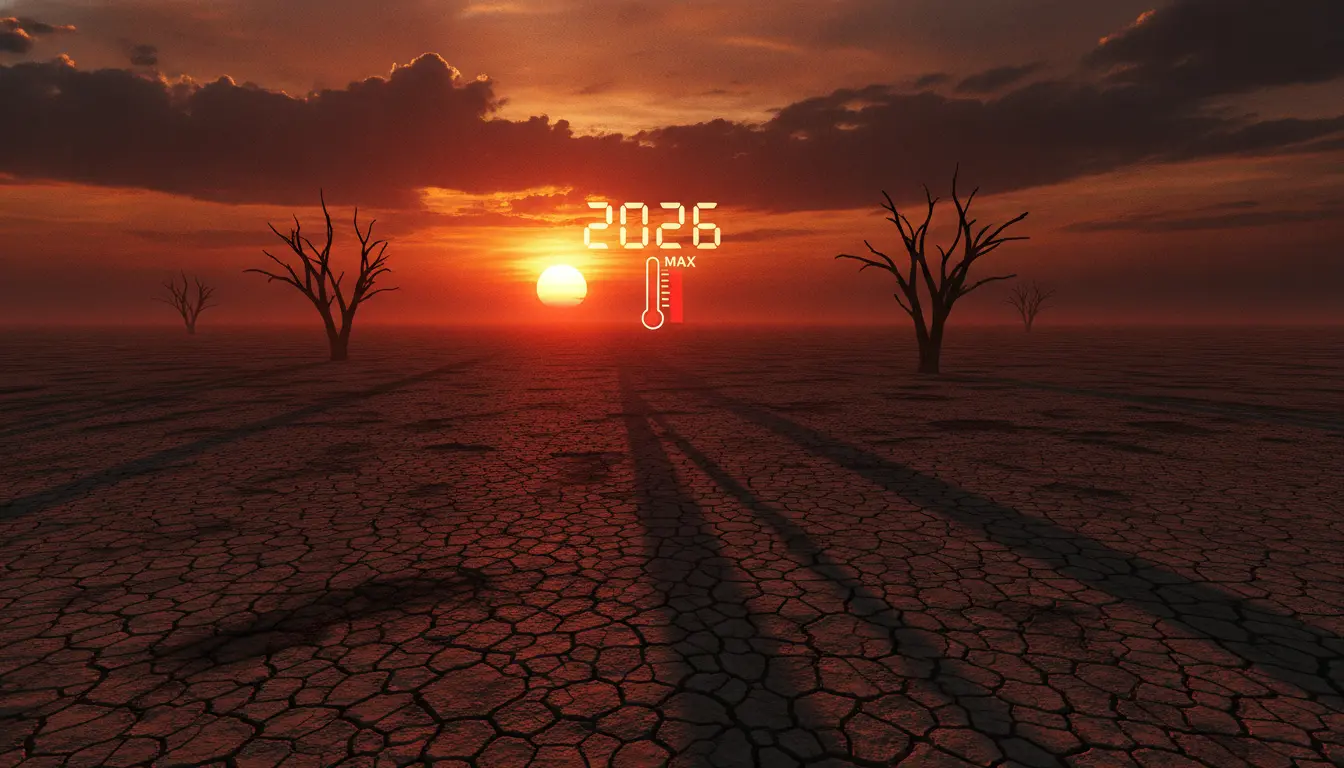
Climate scientists worldwide are issuing stark warnings as global temperature trends indicate a significant likelihood that the summer of 2026 could register as the hottest on record. This projection builds upon a succession of increasingly severe heatwaves experienced across major continents in recent years, fueling concerns that the planet is accelerating towards unprecedented climatic conditions unless drastic measures are taken to curb greenhouse gas emissions.
The past decade has seen a consistent upward creep in global average temperatures, with several years already vying for the title of warmest on record. Institutions like the European Union's Copernicus Climate Change Service (C3S) have been at the forefront of monitoring these shifts, providing crucial data that underpins these alarming forecasts. Their comprehensive analysis, which integrates satellite observations, in-situ measurements, and reanalysis data, has consistently highlighted the accelerating pace of global warming. The observed warming is unequivocally linked to human activities, primarily the burning of fossil fuels, which releases vast quantities of carbon dioxide and other heat-trapping gases into the atmosphere.
Recent summers have delivered a grim preview of what could become the new norm. Regions spanning Europe, Asia, and North America have grappled with prolonged periods of extreme heat, leading to widespread disruption and significant human and economic costs. These events are characterized not only by high daytime temperatures but also by elevated nighttime temperatures, which exacerbate health risks by preventing the human body from cooling down. The impacts extend beyond urban heat islands, causing devastating wildfires, severe droughts that cripple agricultural yields, and strain on crucial infrastructure such as power grids and water supplies.
The scientific consensus points to a compounding effect of factors contributing to these rising temperatures. Beyond the baseline warming from greenhouse gases, natural climate phenomena, such as El Niño, can amplify heat events. While El Niño cycles are temporary, their interaction with long-term anthropogenic warming pushes global temperatures into uncharted territory. Oceans, which absorb over 90% of the excess heat trapped by greenhouse gases, are also at record warmth, contributing to marine heatwaves that devastate ecosystems and release stored carbon, creating a dangerous feedback loop.
The stakes for a potentially record-hot 2026 summer are immense. Such an event would place unprecedented stress on public health systems, particularly in vulnerable populations, and could trigger widespread humanitarian crises. Food security would be further jeopardized by crop failures, leading to price spikes and increased hunger. Economically, industries from tourism to manufacturing would face severe operational challenges, while the cost of disaster relief and reconstruction would escalate dramatically. The biodiversity crisis would also deepen, with ecosystems struggling to adapt to rapid environmental shifts, leading to species loss and ecosystem collapse.
While the scientific community continues to refine its projections, the core message remains consistent: the world is on a trajectory towards more frequent and intense heat events. International agreements, such as the Paris Agreement, set ambitious goals to limit global warming, yet current national commitments fall short of achieving these targets. The imperative for global leaders, policymakers, and industries to accelerate the transition to renewable energy sources, enhance energy efficiency, and implement robust adaptation strategies has never been more urgent. The prospect of 2026 setting a new global heat record serves as a stark reminder of the narrowing window for effective climate action and the profound consequences of inaction.
Stay Informed. Act Smarter.
Get weekly highlights, major headlines, and expert insights — then put your knowledge to work in our live prediction markets.
Related News

European Capitals Face Mounting Risk of Record-Breaking Heatwaves by Summer 2026

European Capitals Brace for Potentially Record-Shattering July Heat in 2026

European Union Prepares for Intensifying Threat of Simultaneous 'Red' Heatwave Alerts

Forecasting TIME Magazine's 2026 Person of the Year: The Annual Gauge of Global Influence

OpenAI Targets GPT-6 Release by 2026 as AI Race Intensifies

AI Race Intensifies as Major Companies Target 2026 for Next-Generation Language Models

OpenAI's GPT-5 Launch Expected by 2026, Poised to Reshape AI Landscape

Belgium and Netherlands Gear Up to Co-Host 2026 Men's FIH Hockey World Cup Amid Global Anticipation

Google Targets Major AI Leap with Gemini 2.0 Ultra Development by 2026

UEFA-FIFA Power Struggle Intensifies, Casting Doubt on European Participation in 2026 World Cup