

- News
- Politics
- NATO's Article 5 Defense Pact Under Intensified Scrutiny Amid Geopolitical Flashpoints and US Political Uncertainty

NATO's Article 5 Defense Pact Under Intensified Scrutiny Amid Geopolitical Flashpoints and US Political Uncertainty
The bedrock principle of NATO, Article 5, which mandates collective defense for all member states, is facing renewed and intense scrutiny as geopolitical tensions escalate and the transatlantic alliance grapples with unprecedented internal and external pressures. This foundational tenet, stipulating that an attack on one member is considered an attack on all, has become a focal point of debate, prompting deep concern across European capitals and within defense circles about the future resilience of the alliance.
At the heart of the current unease are the ongoing ramifications of Russia's full-scale invasion of Ukraine, which has fundamentally reshaped European security dynamics, and inflammatory statements from prominent American political figures. Former President Donald Trump, for instance, has repeatedly questioned the United States' commitment to defending NATO allies, particularly those he perceives as not meeting their financial obligations to the alliance. His suggestions that he might not protect nations failing to spend at least 2% of their GDP on defense have sent shivers through the alliance, raising fundamental questions about the reliability of Washington's security guarantees and, by extension, the very credibility of Article 5.
Article 5 has only been formally invoked once in NATO's history — in response to the September 11, 2001, terrorist attacks on the United States. Its existence, however, has long served as a powerful deterrent against aggression, particularly during the Cold War. The principle is enshrined in the North Atlantic Treaty, committing members to assist any ally under armed attack, including the use of armed force if necessary. This commitment underpins the entire collective security architecture of the West, providing a bulwark against potential adversaries and fostering a sense of shared security among its now 32 members, extending from North America to the eastern frontiers of Europe.
The discussions surrounding Article 5 are not purely theoretical; they are deeply rooted in the harsh realities of current global events. Russia's continued aggression in Ukraine, its demonstrated willingness to flout international law, and its increasingly hostile rhetoric towards NATO members, particularly those on its borders, have thrust the potential for an Article 5 scenario into sharper relief. The conflict has highlighted vulnerabilities in European defense capabilities and spurred calls for greater military spending and coordination, even as political rhetoric in key member states occasionally casts doubt on the alliance's resolve. The specter of cyberattacks, hybrid warfare, or even direct conventional aggression spilling over into NATO territory from the ongoing conflict adds urgency to these deliberations.
For many European nations, particularly those on NATO's eastern flank, the unwavering commitment of all allies, especially the United States, to Article 5 is non-negotiable and essential for their national security. The perceived weakening of this commitment, or even the persistent questioning of it, creates a dangerous vacuum that could potentially embolden adversaries and undermine decades of peace and stability in Europe. The stakes are immense: the credibility of the world's most powerful military alliance, the deterrence against further large-scale conflict, and the future shape of the international order itself hinge on NATO's continued unity and its unequivocal adherence to its founding principles. The ongoing debate, therefore, is not merely about defense budgets or political posturing; it is about the fundamental promise of collective security in an increasingly perilous world.
As member states navigate this complex geopolitical landscape, the challenge will be to reaffirm and strengthen the commitment to Article 5, ensuring that its deterrent effect remains robust and unambiguous. This requires not only increased defense spending and military readiness but also clear and consistent political messaging from all capitals, particularly Washington. The next few years will be critical in demonstrating NATO's enduring relevance and its collective will to uphold the principle that an attack on one is indeed an attack on all, ensuring the security and stability of its vast membership in the face of evolving threats.
Stay Informed. Act Smarter.
Get weekly highlights, major headlines, and expert insights — then put your knowledge to work in our live prediction markets.
Related News
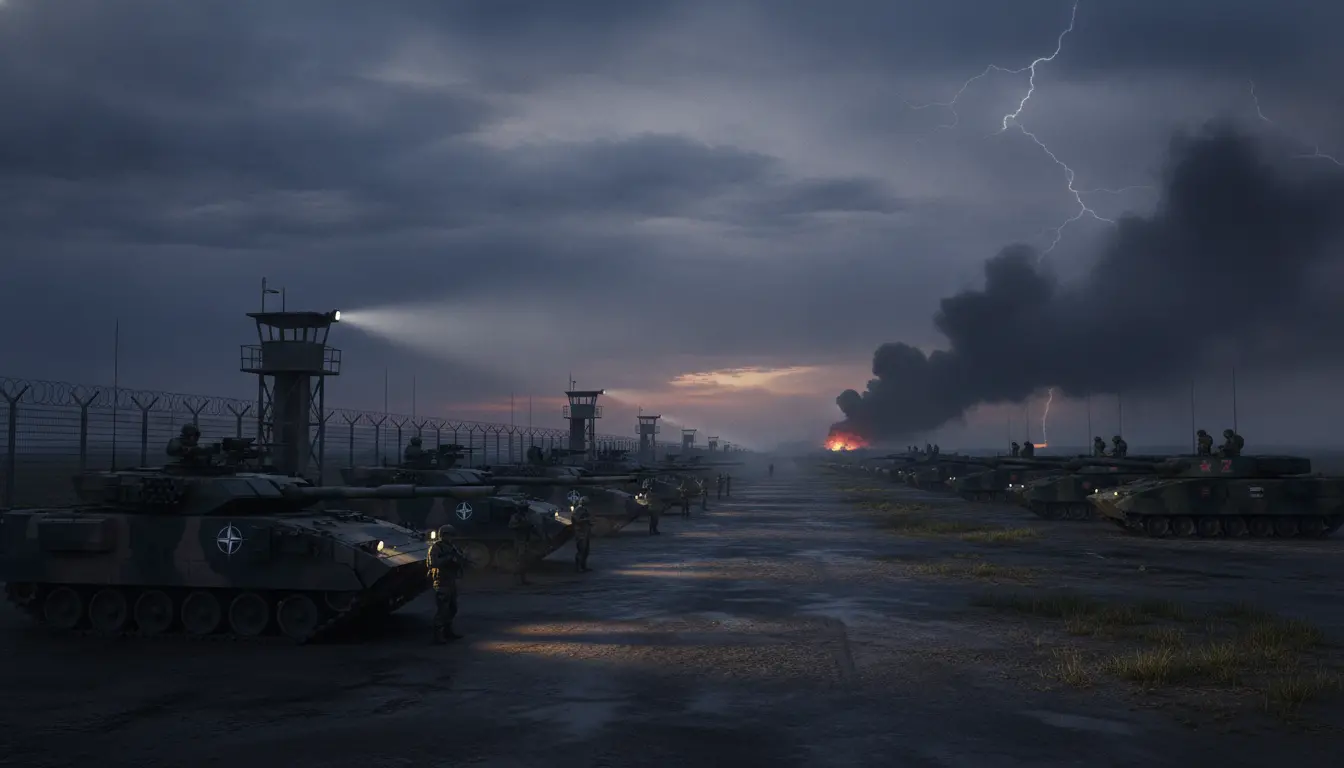
NATO's Collective Defense Clause Tested as Russian Military Actions Escalate Tensions at Border
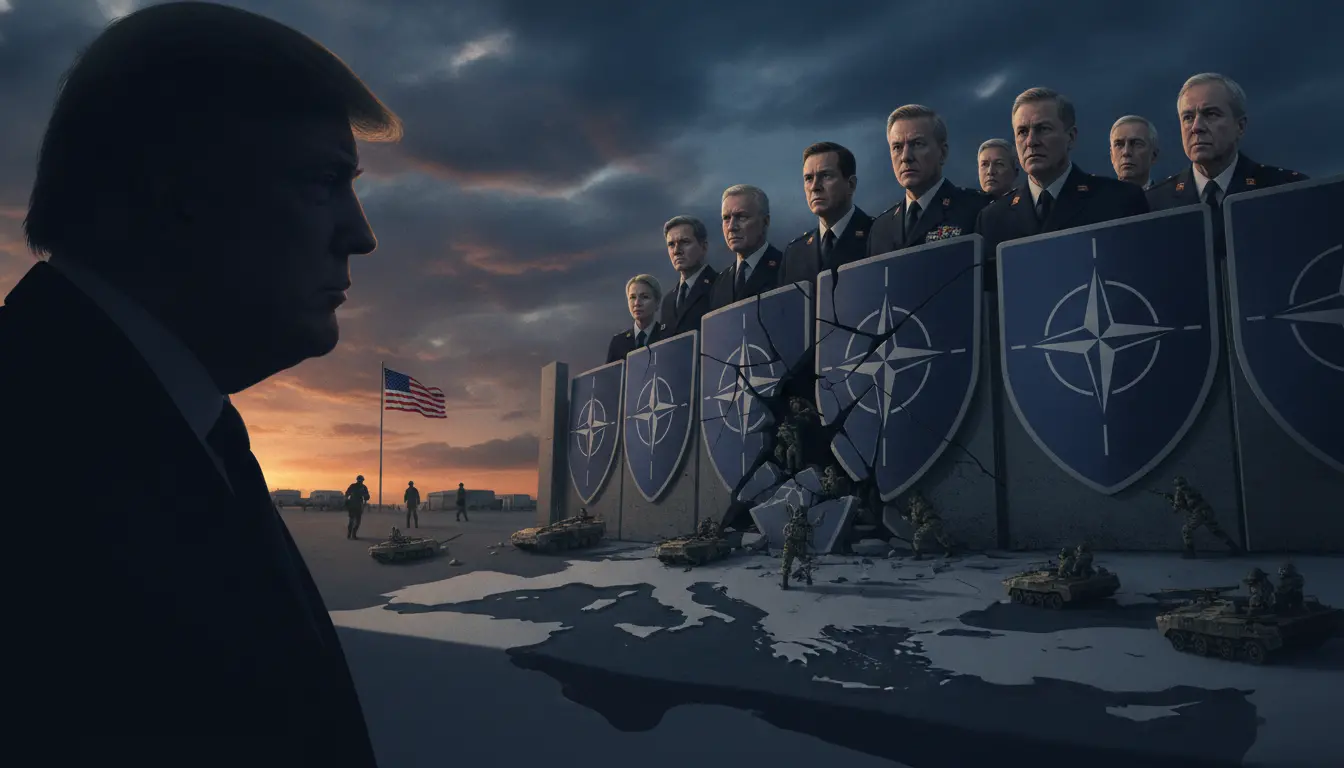
Trump's Renewed Threats to Withdraw US Troops from Europe Spark Alarm Among NATO Allies

NATO Considers Further Expansion Amid European Security Concerns

Trump's 'America First' Doctrine Casts Shadow Over NATO's Future Ahead of Ankara Summit

Allies Express Alarm as Trump Signals Potential US Troop Reductions in Europe
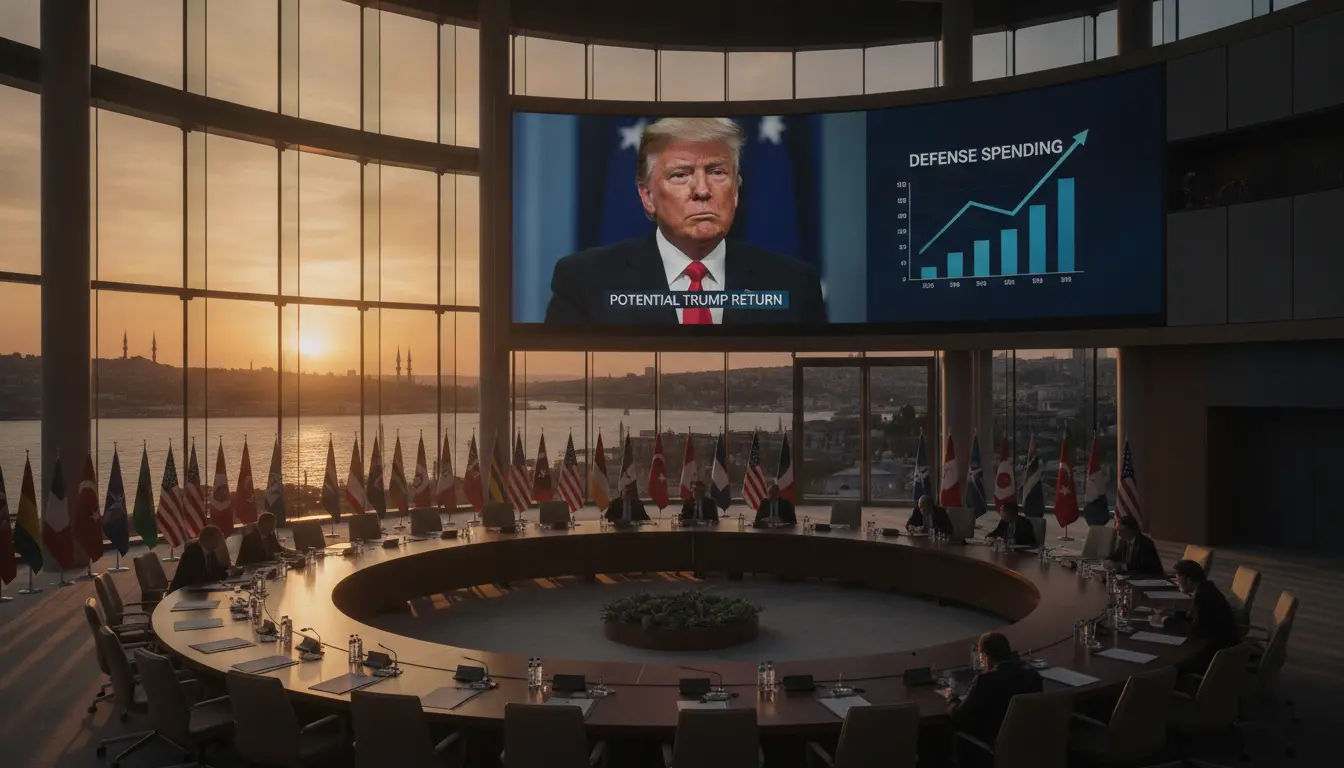
2026 NATO Summit in Turkey Prepares for Potential Trump Return Amid Defense Spending Pressure
Succession Discussions Intensify for NATO's Top Post as 2026 Deadline Approaches

European Union Pushes for Landmark Common Defense Policy by 2026 Amid Geopolitical Shifts
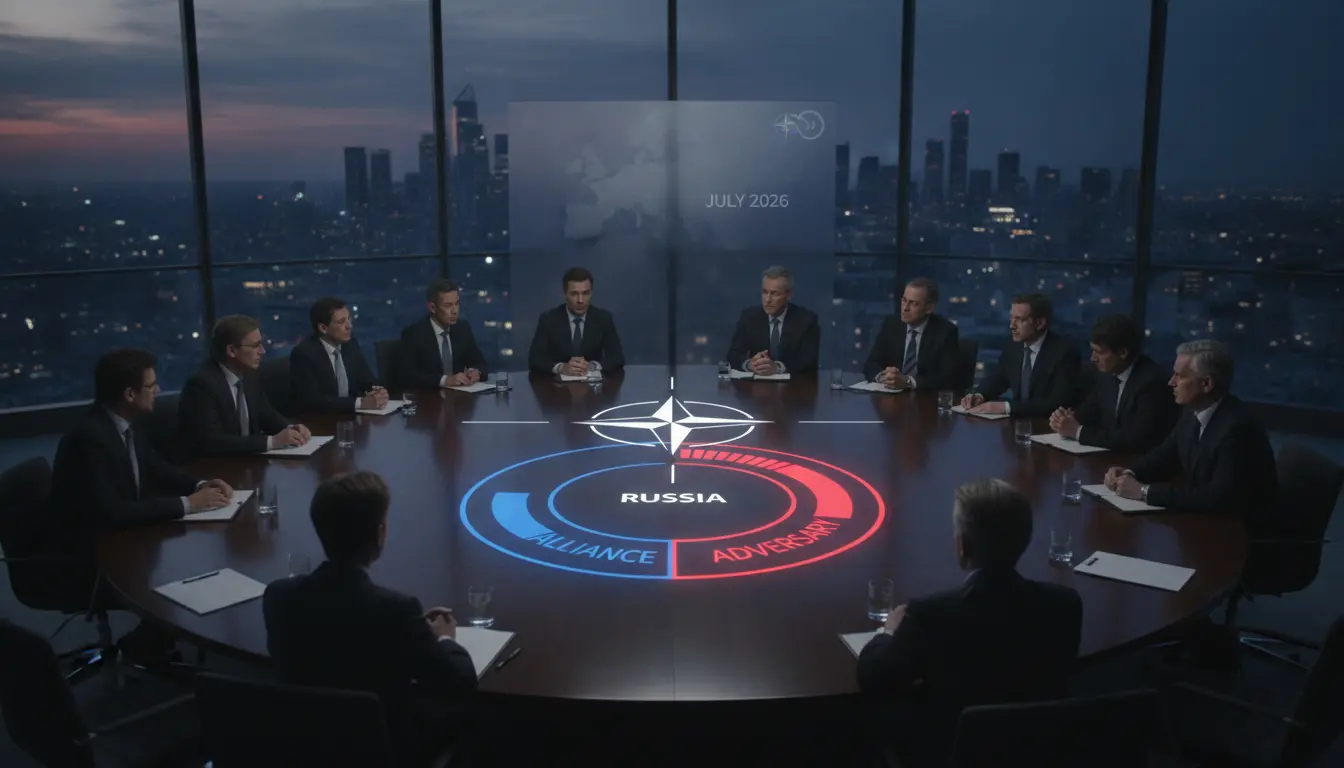
NATO Members Weigh Explicit 'Adversary' Label for Russia Ahead of 2026 Summit

Concerns Over US Political Dynamics Cloud Zelensky's Potential NATO Summit Address in Ankara