


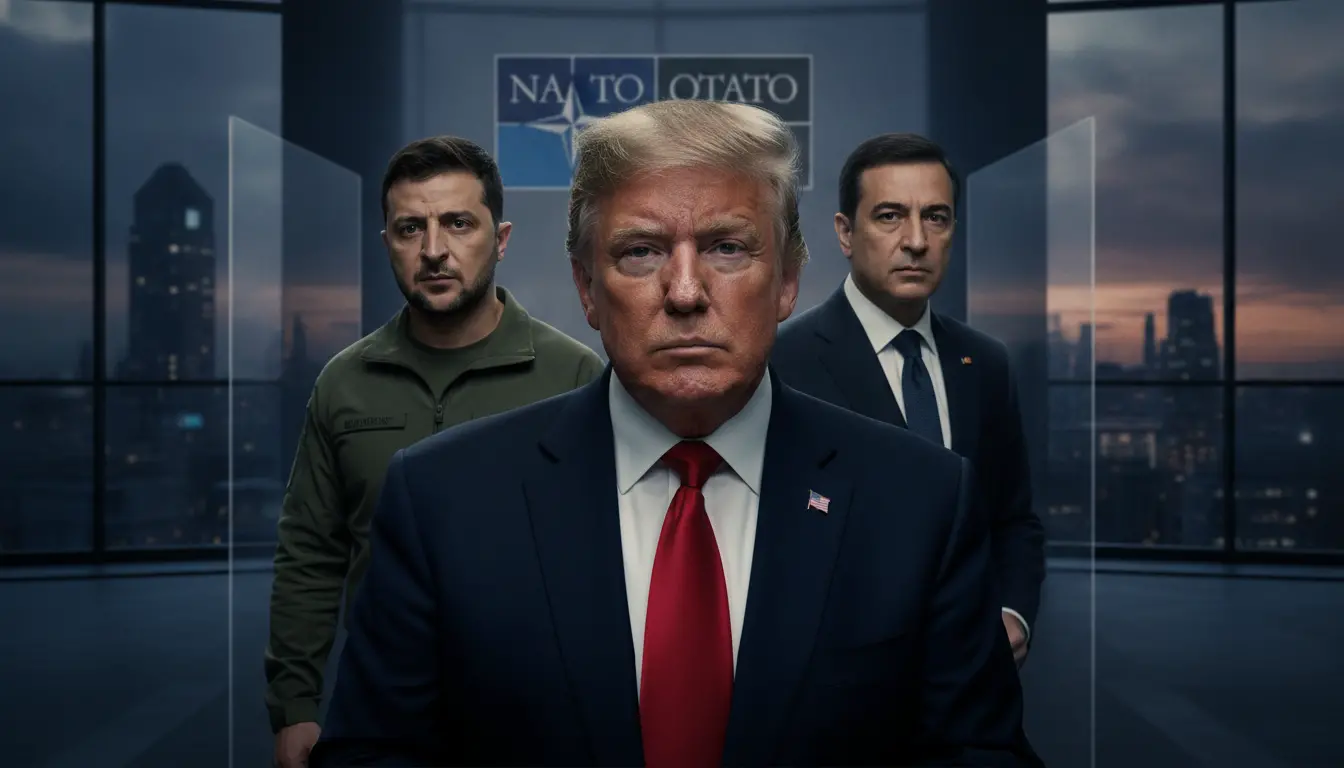
Trump's 'America First' Doctrine Casts Shadow Over NATO's Future Ahead of Ankara Summit
As the North Atlantic Treaty Organization prepares for its 2026 summit in Ankara, a cloud of uncertainty looms over the alliance, driven by persistent questions surrounding the United States' commitment under a potential second Trump presidency. The central issue, which has simmered for years, revolves around defense spending, with former and potentially future President Donald Trump expected to once again leverage America’s significant military and financial contributions to force a reckoning among European allies.
This friction is not new. During his first term, Trump consistently and publicly berated NATO members for failing to meet the alliance's guideline of spending at least 2% of their GDP on defense—a target agreed upon in 2014 following Russia's annexation of Crimea. He frequently characterized these nations as “delinquent” and framed the transatlantic security pact in transactional terms, suggesting the U.S. was unfairly shouldering the financial burden of Europe’s defense. His rhetoric sent shockwaves through European capitals and the American foreign policy establishment, raising unprecedented doubts about the reliability of the Article 5 collective defense guarantee, the cornerstone of the 77-year-old alliance.
While Russia's full-scale invasion of Ukraine in 2022 served as a stark wake-up call, galvanizing many European nations to significantly increase their defense budgets, the progress has not been uniform across the 32-member bloc. This mixed record provides fertile ground for a renewed 'America First' campaign against the alliance's status quo. Analysts anticipate that a re-elected President Trump would arrive at the Ankara summit with a clear ultimatum: either all members meet their financial obligations unequivocally, or Washington will begin a substantial drawdown of its military assets and support. The prospect of a definitive plan to reduce U.S. contributions by 10% or more has become a focal point of intense speculation in diplomatic and military circles.
A significant reduction in the U.S. commitment would fundamentally reshape Europe's security architecture. The United States provides the lion's share of NATO’s collective military capabilities, including critical enablers like strategic airlift, intelligence, surveillance, reconnaissance, and the nuclear deterrent. A unilateral American pullback would not only create a capabilities vacuum that Europe would struggle to fill in the short-to-medium term but would also send a powerful signal to adversaries, most notably Russia, that the alliance's unity is fractured. For frontline states like Poland and the Baltic nations, who rely heavily on the U.S. presence as a deterrent, such a move would represent a profound security crisis.
Supporters of Trump’s position argue that his hardline stance is a necessary corrective, forcing wealthy European nations to take greater responsibility for their own security after decades of perceived complacency. They contend that reallocating American resources away from Europe would allow the U.S. to better focus on domestic priorities and the strategic challenge posed by China. From this perspective, a more self-reliant Europe is a stronger partner, and Trump's transactional diplomacy is simply a pragmatic tool to achieve that end.
However, a vast majority of foreign policy experts and allied leaders view the situation with deep alarm. They argue that the value of NATO far exceeds a simple balance sheet of spending contributions. The alliance, they maintain, is a force multiplier for American power and influence, providing a stable and secure Europe that is vital to U.S. economic and security interests. Critics warn that undermining this bedrock of transatlantic security for short-term financial gains would be a strategic blunder of historic proportions, potentially emboldening Russian aggression and unraveling the international order that has largely kept the peace since World War II. As the summit in Ankara approaches, the world will be watching to see if the alliance can withstand its most severe internal test to date.
Stay Informed. Act Smarter.
Get weekly highlights, major headlines, and expert insights — then put your knowledge to work in our live prediction markets.
Related News
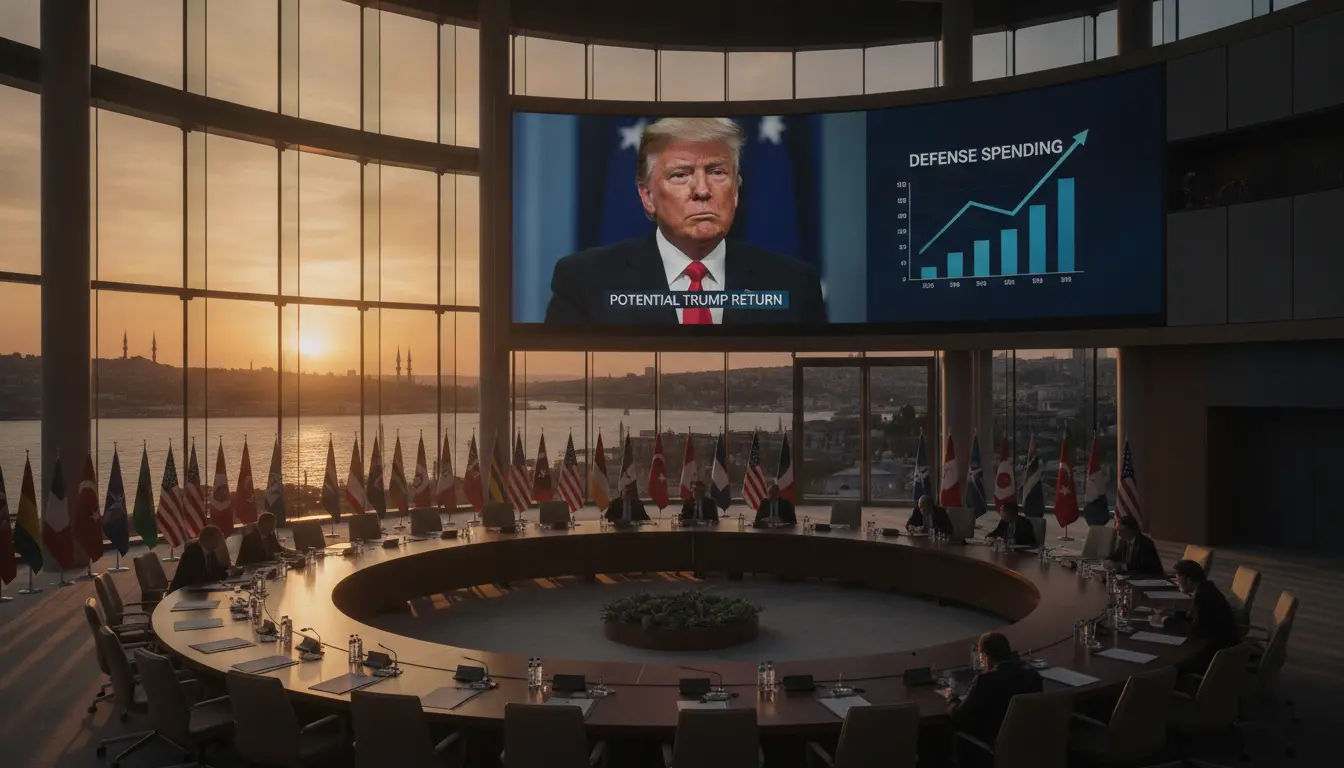
2026 NATO Summit in Turkey Prepares for Potential Trump Return Amid Defense Spending Pressure

Allies Express Alarm as Trump Signals Potential US Troop Reductions in Europe
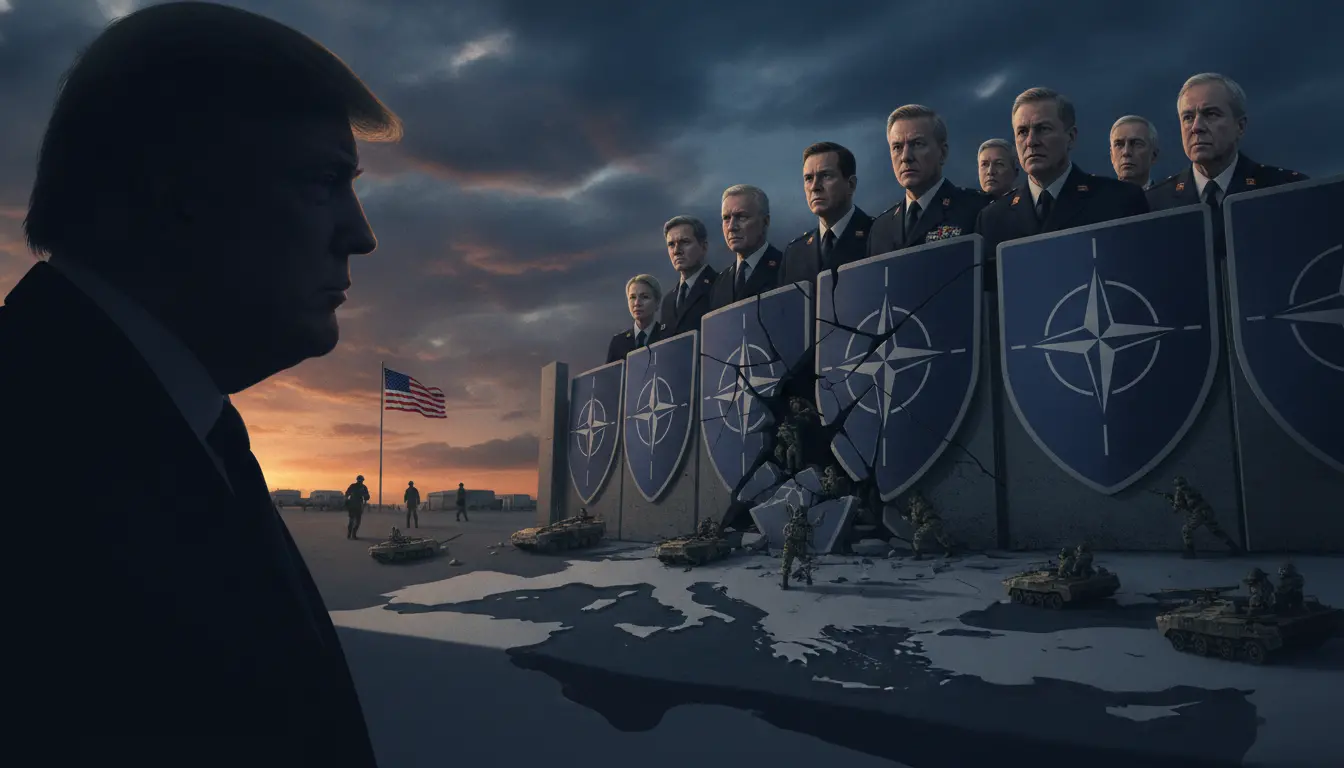
Trump's Renewed Threats to Withdraw US Troops from Europe Spark Alarm Among NATO Allies
Concerns Over US Political Dynamics Cloud Zelensky's Potential NATO Summit Address in Ankara
NATO's Article 5 Defense Pact Under Intensified Scrutiny Amid Geopolitical Flashpoints and US Political Uncertainty
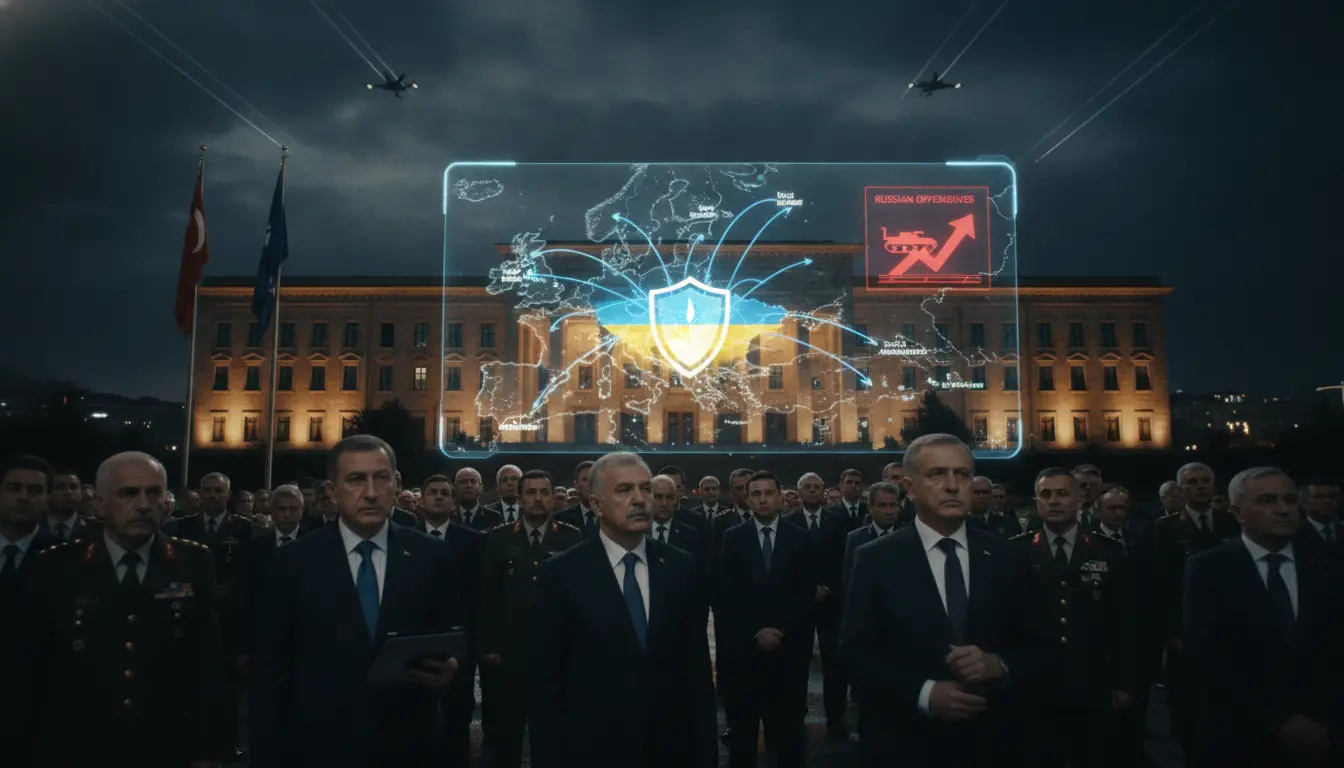
Eyes on Ankara as NATO Prepares Landmark Military Aid Package for Ukraine Amid Renewed Russian Offensives
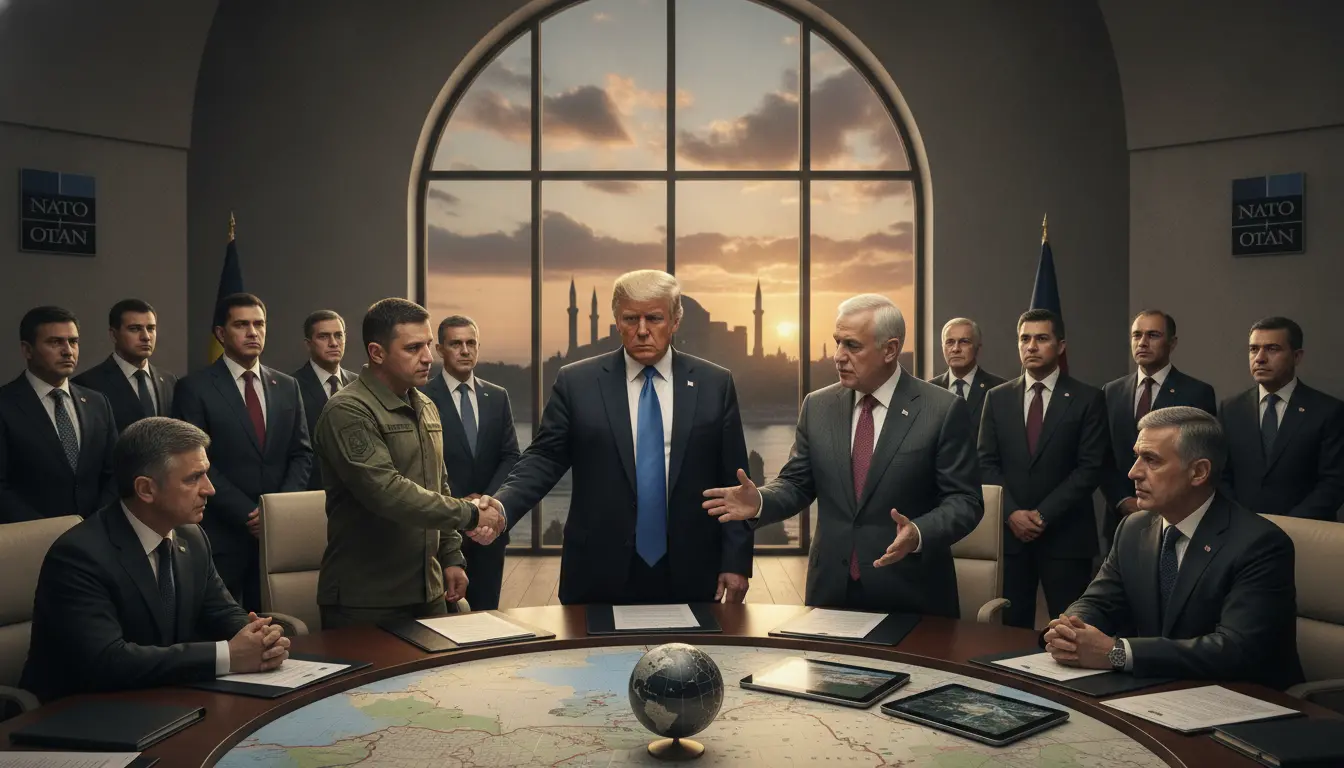
Trump's High-Stakes NATO Summit: Pivotal Meetings with Ukrainian and Syrian Leaders Could Reshape Global Conflicts
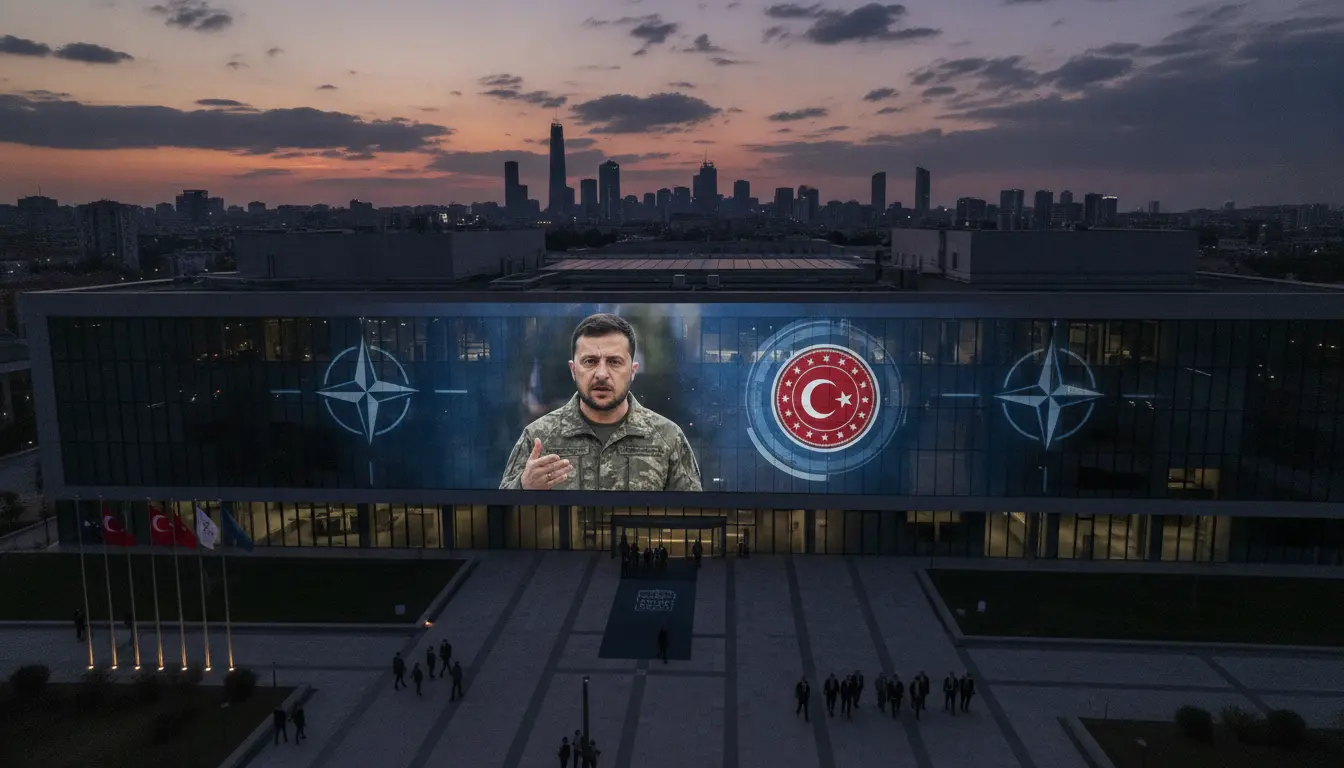
Ankara Prepares for Pivotal 2026 NATO Summit Amid Ukraine's Push for Formal Address
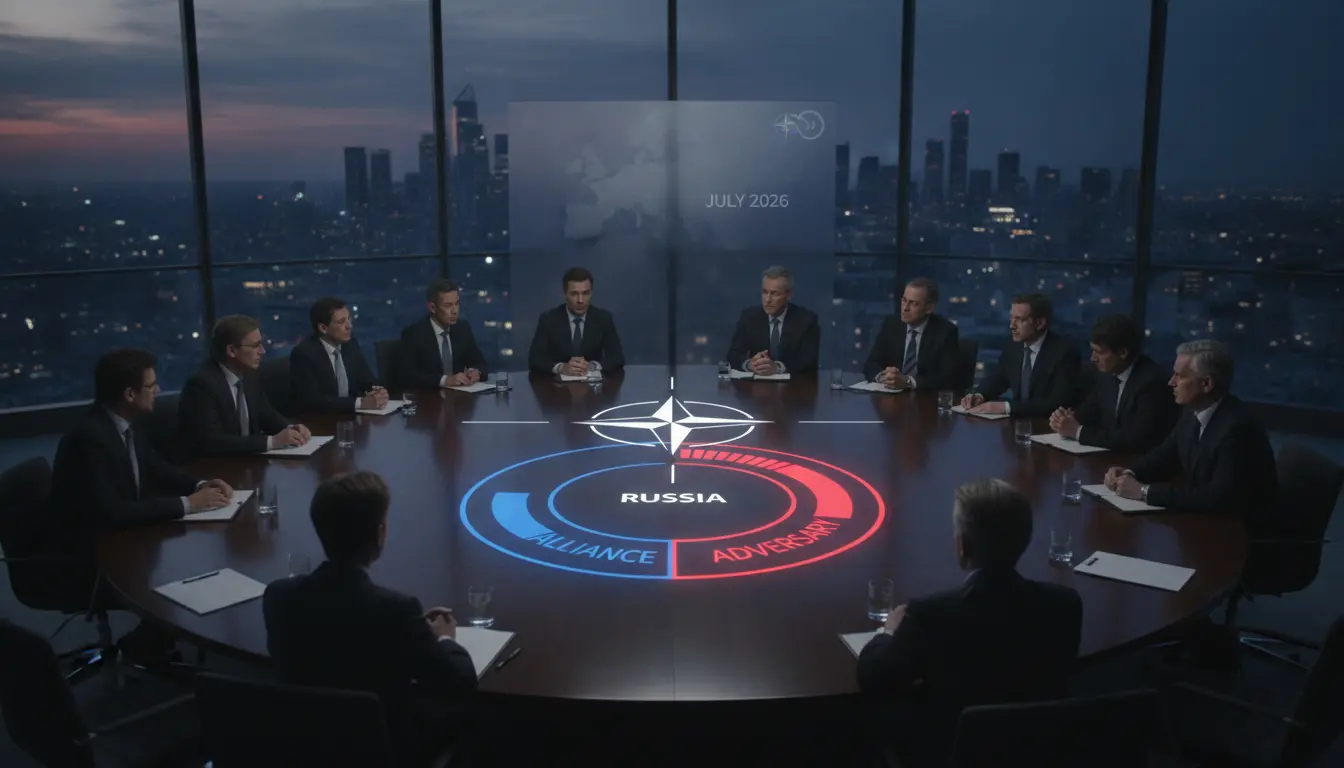
NATO Members Weigh Explicit 'Adversary' Label for Russia Ahead of 2026 Summit
Trump Eyes Separate Bilateral Meetings with Zelensky, Syrian Foreign Minister at NATO Summit