

Succession Discussions Intensify for NATO's Top Post as 2026 Deadline Approaches
The North Atlantic Treaty Organization is entering a crucial period of leadership transition, with quiet but intensive discussions underway among member states to select the alliance’s next Secretary General. Current chief Jens Stoltenberg, whose tenure has been extended multiple times amid global crises, is expected to step down by late 2024, setting the stage for an official announcement of his successor sometime before the end of 2026. The stakes are exceptionally high as NATO navigates its most challenging geopolitical landscape in decades, marked by ongoing conflict in Ukraine, escalating tensions with Russia, and the need to adapt to emerging threats from China and in the cyber domain.
Stoltenberg, a former Prime Minister of Norway, has steered the alliance through a tumultuous period since 2014, earning widespread praise for his diplomatic skill and steady leadership. His term, initially set to end in 2022, was extended thrice, most recently until October 2024. These extensions were largely driven by a consensus among NATO members to maintain continuity and stability, especially following Russia’s full-scale invasion of Ukraine. His ability to foster unity across 32 diverse nations, including the recent additions of Finland and Sweden, has been a defining feature of his leadership, making the search for his replacement a delicate and complex undertaking.
The selection process for the Secretary General is informal and relies heavily on consensus among all member states, rather than a formal vote. The role demands an individual with exceptional diplomatic acumen, significant political weight on the international stage, and a deep understanding of defense and security matters. The chosen leader must be able to represent the alliance effectively, chair its numerous committees, and, critically, forge agreement among sometimes disparate national interests. While there are no strict geographical rules, tradition often dictates a European leader, frequently from a smaller member state, to ensure a balance of power within the alliance, with the United States invariably holding the top military command.
Several prominent figures have emerged as potential candidates in various rounds of speculation. Among the most frequently mentioned is Dutch Prime Minister Mark Rutte, a seasoned politician with extensive experience on the European stage. His long tenure and reputation for pragmatism make him a strong contender. Another name often cited is Estonian Prime Minister Kaja Kallas, whose firm stance on Russia and deep understanding of Eastern European security concerns resonate strongly with a significant bloc of member states. Other past considerations have included UK Defence Secretary Ben Wallace and former UK Prime Minister Boris Johnson, though their candidacies have faced varying levels of support. The ongoing discussions will weigh a candidate's political stature, ability to unify, and vision for NATO's future against the specific needs of the alliance in the current global climate.
Finding a successor who can effectively bridge the transatlantic divide, manage the diverse security priorities of member states, and command respect from both smaller and larger nations represents a significant challenge. The next Secretary General will inherit an alliance that is simultaneously expanding and grappling with fundamental questions about its strategic direction, defense spending commitments, and collective security posture. The war in Ukraine has underscored the vital importance of NATO’s deterrent capabilities and its role in upholding international law, placing immense pressure on the alliance to select a leader capable of sustaining its unity and effectiveness.
Crucially, the next leader will also be tasked with overseeing the continued adaptation of NATO's Strategic Concept, addressing the rise of hybrid warfare, and navigating the complex implications of China's growing global influence. The announcement of a new Secretary General, while potentially not formalized until late 2026, requires extensive groundwork, sensitive diplomatic negotiations, and the forging of a delicate consensus. Member states understand that a smooth and timely transition is paramount to ensure NATO remains a steadfast pillar of international security during a period of unprecedented global instability.
Stay Informed. Act Smarter.
Get weekly highlights, major headlines, and expert insights — then put your knowledge to work in our live prediction markets.
Related News
Mark Rutte Poised for NATO's Top Post Amid Broad Alliance Support
Global Diplomatic Scramble Intensifies for Next UN Secretary-General
NATO Considers Further Expansion Amid European Security Concerns
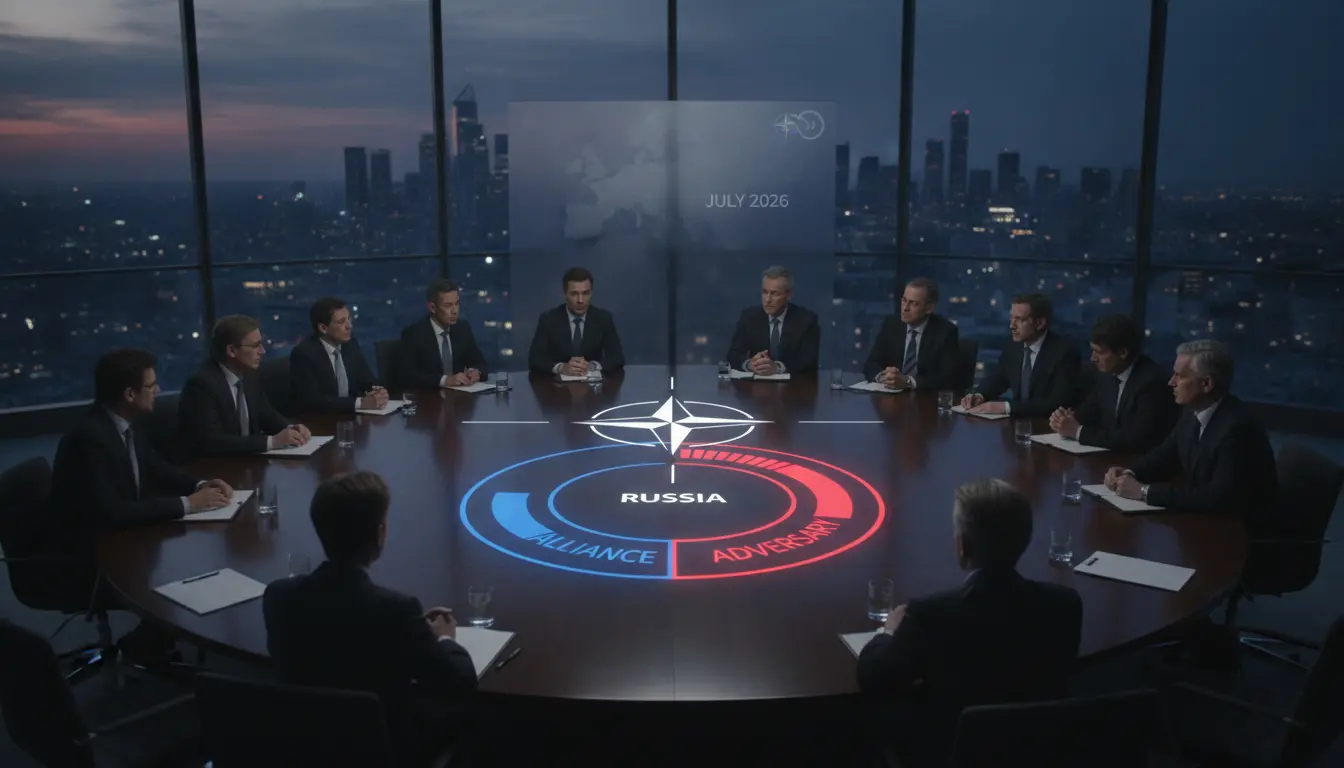
NATO Members Weigh Explicit 'Adversary' Label for Russia Ahead of 2026 Summit
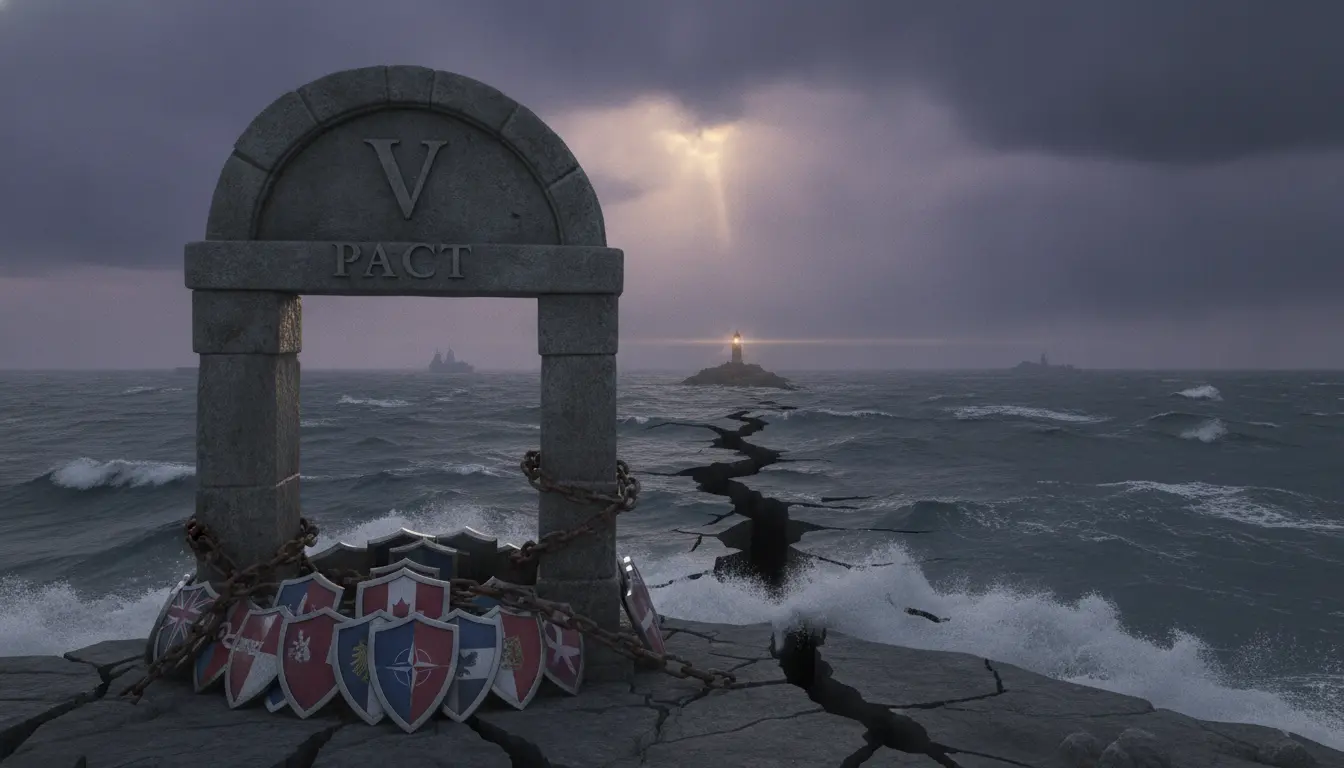
NATO's Article 5 Defense Pact Under Intensified Scrutiny Amid Geopolitical Flashpoints and US Political Uncertainty

G7 Nations Brace for Potential Leadership Shifts Ahead of 2026
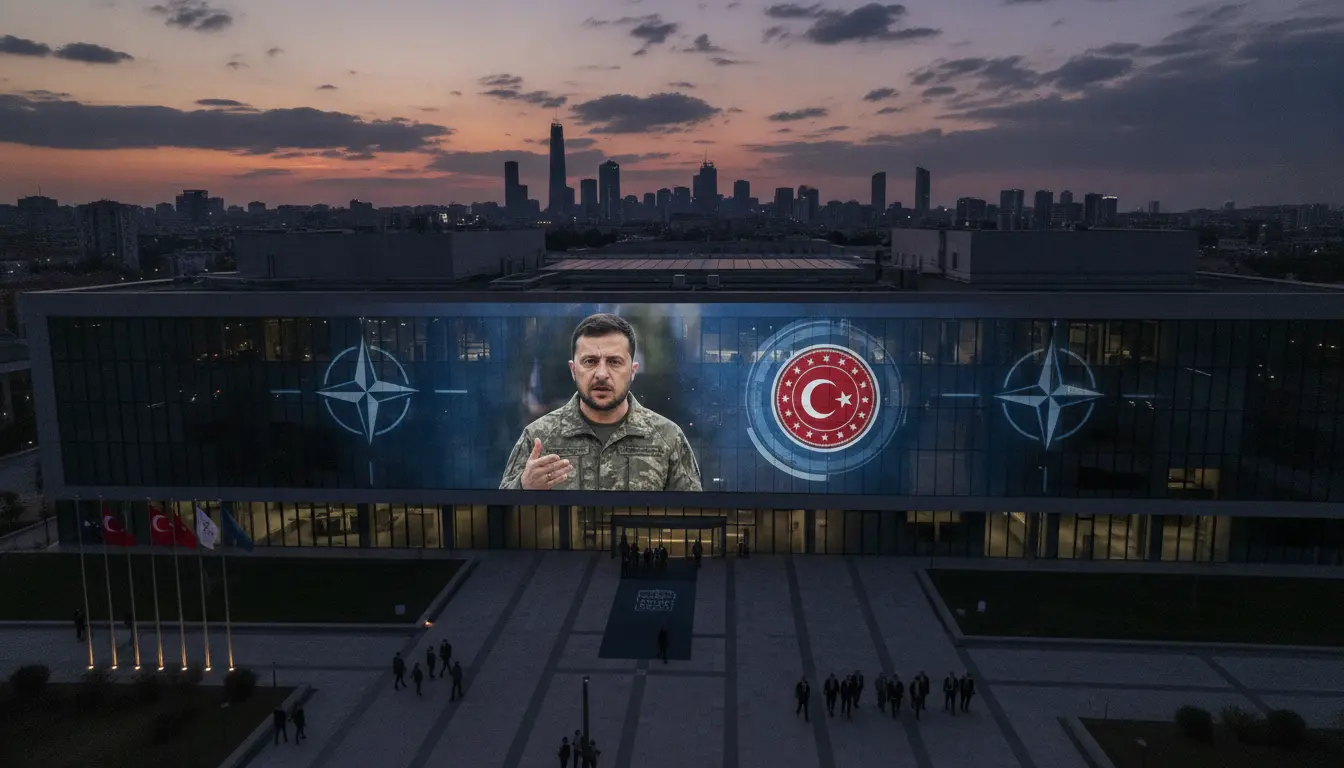
Ankara Prepares for Pivotal 2026 NATO Summit Amid Ukraine's Push for Formal Address

UK Labour Party Poised for Leadership Transition as 2026 Ballot Deadline Approaches
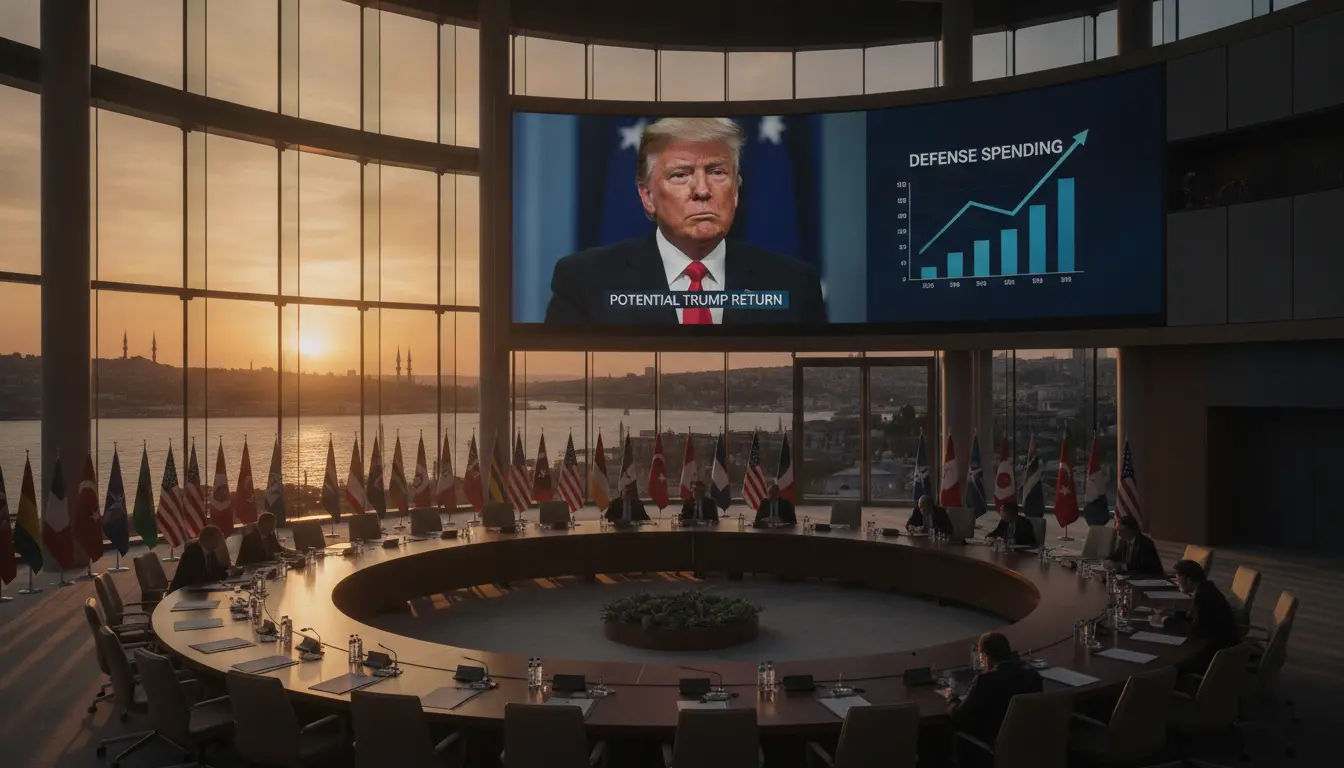
2026 NATO Summit in Turkey Prepares for Potential Trump Return Amid Defense Spending Pressure
Zelenskyy Signals Upcoming Cabinet Reshuffle, New Ukrainian Prime Minister Expected