


G7 Nations Brace for Potential Leadership Shifts Ahead of 2026
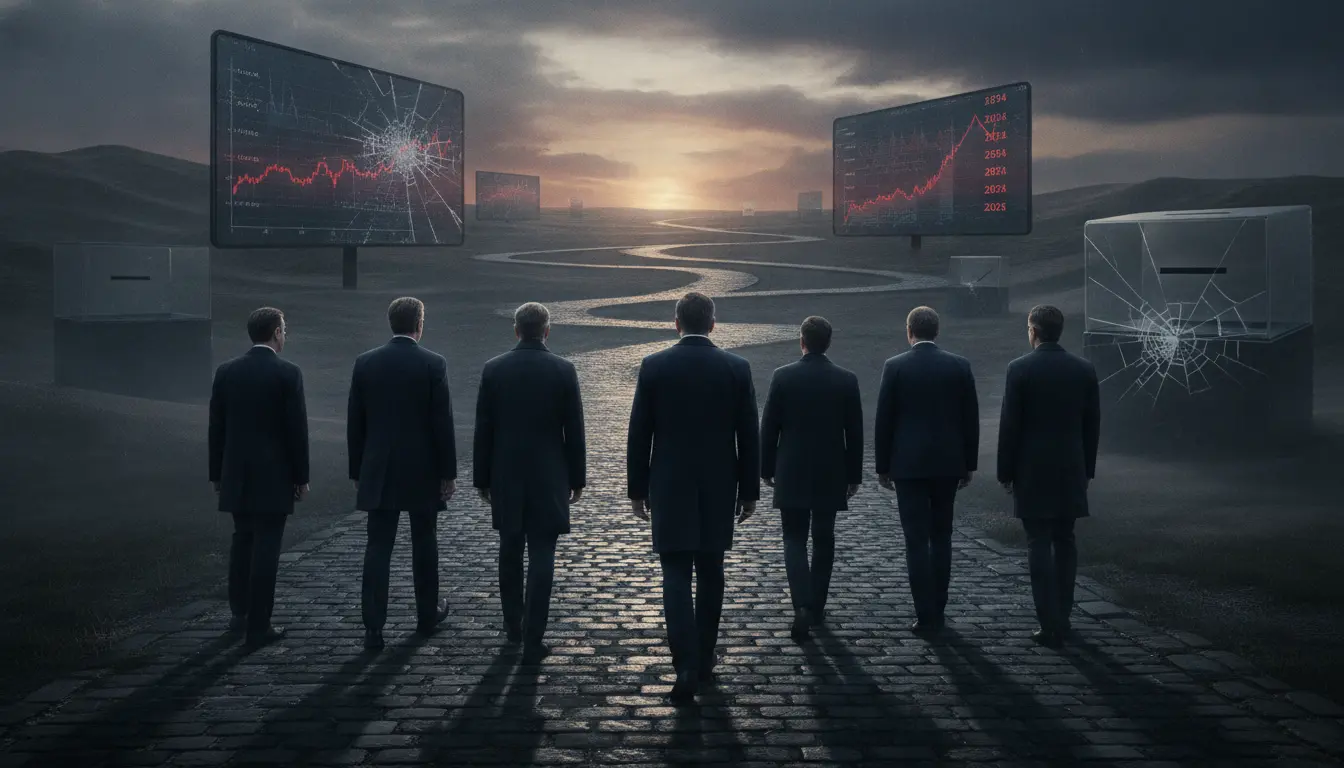
The political landscape across the Group of Seven (G7) industrialized nations is rife with speculation about potential leadership transitions by the close of 2026. A confluence of factors, including upcoming electoral cycles, shifting public sentiment, domestic policy challenges, and the inherent pressures of global leadership, suggests a period of significant volatility for several heads of government. While democratic processes naturally involve changes at the top, the current environment presents an intensified scrutiny on the stability and longevity of those at the helm of the world's leading economies.
Currently, the G7 comprises the leaders of Canada, France, Germany, Italy, Japan, the United Kingdom, and the United States, along with the European Union. Each leader faces a unique set of circumstances that could impact their tenure. From navigating complex geopolitical tensions like the war in Ukraine and ongoing economic instability, to addressing pressing domestic issues such as inflation, climate change, and social cohesion, the demands on these figures are immense. Public approval ratings, often a barometer of a leader's political health, are under constant fluctuation, and the prospect of a national election or a significant political crisis looms large for many.
In the United States, President Joe Biden, at 81, is campaigning for re-election in November 2024. The electoral outcome will definitively shape the US leadership for the period in question. Should he lose, the presidency would change hands in January 2025. Across the Atlantic, the United Kingdom's Prime Minister Rishi Sunak confronts a challenging political environment. His Conservative Party lags significantly in opinion polls, with a general election constitutionally due by January 2025 at the latest. A decisive defeat would inevitably lead to a change in Downing Street, ushering in a new government and leader.
Meanwhile, several other G7 leaders are also contending with political headwinds. French President Emmanuel Macron, though not facing another presidential election until 2027, has grappled with a lack of a stable parliamentary majority, making legislative action difficult and necessitating frequent political maneuvering. Germany's Chancellor Olaf Scholz leads a tripartite coalition government that has faced internal friction and criticism over its economic policies and response to various crises. Public support for his Social Democratic Party and the broader coalition has waned, raising questions about its long-term stability ahead of the next federal election, scheduled for 2025.
Further east, Japanese Prime Minister Fumio Kishida has seen his approval ratings dip amid economic stagnation and recent political funding scandals, prompting speculation about his ability to maintain leadership within the ruling Liberal Democratic Party. While his current term as party president extends until September 2024, internal party dynamics can be swift and unforgiving. In Canada, Prime Minister Justin Trudeau, now in his ninth year in office, has experienced declining public approval and faces persistent challenges, including housing affordability and a polarized political climate, ahead of an election expected by late 2025. Italian Prime Minister Giorgia Meloni, while enjoying relatively stable approval compared to some counterparts, operates within a historically volatile political system, though her current government has shown resilience thus far.
The potential for leadership turnover within the G7 carries significant implications for global governance and policy coordination. Each leader brings a unique national perspective and set of priorities to the international stage, influencing discussions on trade, security, climate action, and development. Changes at the top could lead to shifts in diplomatic alliances, re-evaluations of existing international commitments, and alterations in domestic policy direction, creating a period of uncertainty for both internal governance and multilateral cooperation. The dynamic nature of modern democratic politics ensures that the question of leadership stability remains a constant focus for observers and participants alike.
Ultimately, the confluence of electoral cycles, economic pressures, geopolitical shifts, and domestic political realities ensures that the leadership of the G7 nations will remain a subject of intense scrutiny and potential transformation as the calendar progresses towards the end of 2026. The coming years promise to be a period of significant political evolution, shaping the future trajectory of these influential global players and their collective impact on the world stage.
Stay Informed. Act Smarter.
Get weekly highlights, major headlines, and expert insights — then put your knowledge to work in our live prediction markets.
Related News

G7 Nations Face Heightened Prospects of Leadership Changes by End of 2026
Political Turmoil and Electoral Pressures Challenge G7 Leaders Ahead of 2026
G7 Leaders Face Heightened Scrutiny Amid Turbulent Political Landscape Through 2026

Political Volatility Intensifies Scrutiny on G7 Leadership Stability Through 2026
G7 Leaders Navigate Tumultuous Political Landscape Ahead of Key Electoral Tests

G7 Nations Face Intensifying Scrutiny Over Leadership Stability Amid Domestic and Global Pressures

G7 Leaders Grapple with Widespread Political Volatility and Looming Electoral Challenges
G7 Leaders Face Intensifying Political Pressures, Raising Questions About Tenure Through 2026
G7 Leaders Face Intensifying Political Pressures and Electoral Challenges Through 2026

Political Headwinds Batter G7 Leaders, Threatening Major Shakeup by 2026