

- News
- Politics
- European Union Pushes for Landmark Common Defense Policy by 2026 Amid Geopolitical Shifts
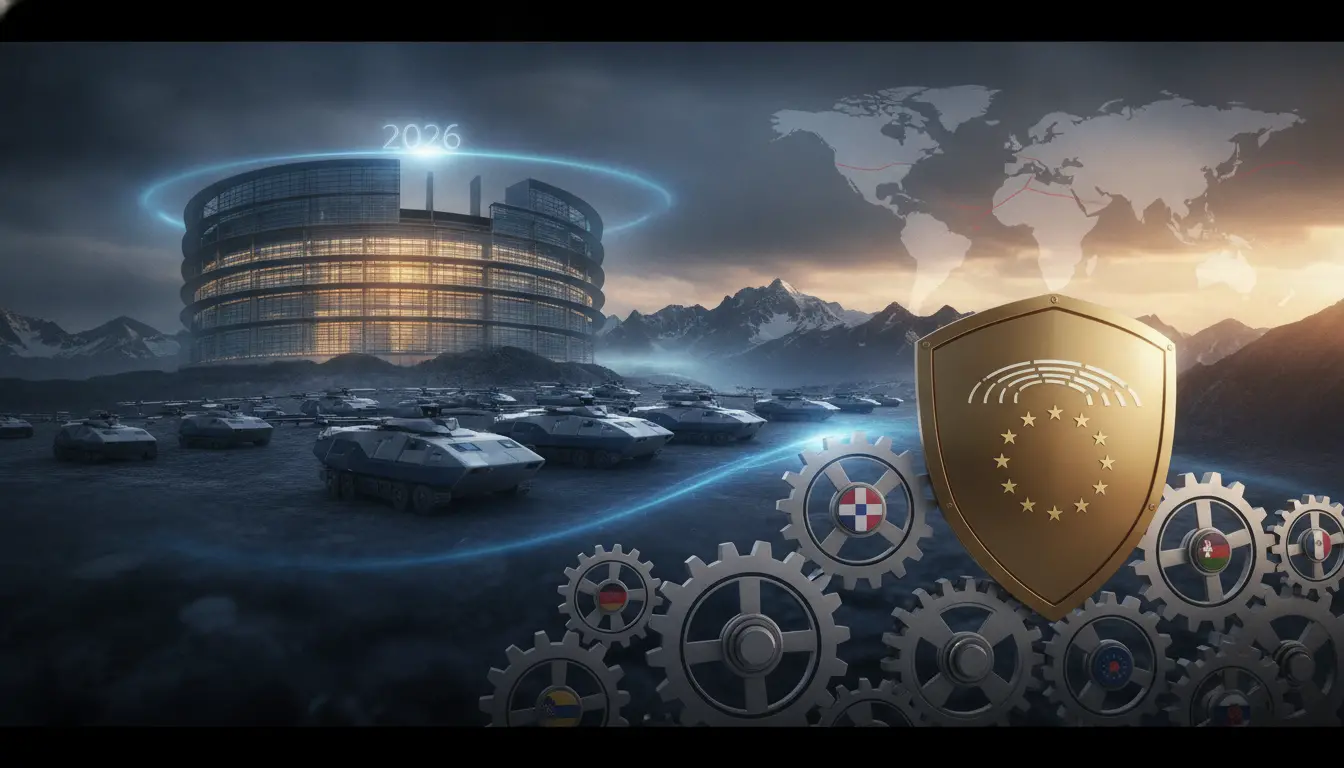
European Union Pushes for Landmark Common Defense Policy by 2026 Amid Geopolitical Shifts
In a pivotal response to an increasingly volatile global landscape, the European Union is accelerating its efforts to forge a robust, common defense policy, with an ambitious target of significant agreement by the end of 2026. This push is not merely a bureaucratic exercise but a fundamental re-evaluation of Europe's security architecture, driven by geopolitical tremors ranging from the ongoing conflict in Ukraine to shifting transatlantic dynamics and emerging threats from state and non-state actors.
The urgency for greater defense integration within the EU has been amplified dramatically by Russia's full-scale invasion of Ukraine. This conflict shattered decades of peace on the continent and exposed existing fragilities in European security provisions, despite the enduring strength of NATO. Many European leaders now acknowledge that relying solely on NATO, and by extension, the United States, for collective defense may no longer be sufficient for the continent's long-term strategic autonomy. The discussions reflect a growing consensus that the EU must enhance its capacity to act decisively and independently in its neighborhood and beyond, a sentiment frequently articulated by top Brussels officials and prominent member state leaders.
Key initiatives are already underway, building on existing frameworks like the Permanent Structured Cooperation (PESCO), which aims to foster joint defense projects and investments among participating member states. The European Defense Fund (EDF) provides financial incentives for collaborative defense research and development, seeking to strengthen the European defense industrial base and reduce fragmentation. Moreover, the EU's Strategic Compass, adopted in 2022, outlines a comprehensive plan for strengthening the Union's security and defense by 2030, including the creation of a Rapid Deployment Capacity of up to 5,000 troops. The proposed new policy seeks to consolidate and expand upon these foundational elements, potentially introducing more binding commitments and a clearer institutional framework for joint decision-making and deployment.
However, the path to a genuinely common defense policy is fraught with complex challenges. National sovereignty remains a deeply entrenched principle, with many member states wary of ceding control over their armed forces and strategic decision-making to Brussels. Disagreements over defense spending, procurement priorities, and the allocation of resources have historically hampered deeper integration. The relationship with NATO is another critical dimension; while most EU member states are also NATO members, ensuring complementarity rather than duplication of efforts is essential. Furthermore, the sheer scale of investment required to modernize and harmonize Europe's diverse military capabilities presents a formidable fiscal hurdle, necessitating difficult budgetary choices across the Union.
Proponents argue that a stronger EU defense posture would not only enhance the continent's security but also bolster its diplomatic leverage on the global stage. By pooling resources and expertise, the EU could achieve economies of scale, improve interoperability, and foster a more competitive European defense industry, reducing reliance on external suppliers. This strategic autonomy is seen by many as crucial for Europe to navigate a multipolar world where power dynamics are constantly shifting and traditional alliances face new pressures. The envisioned policy could encompass joint intelligence sharing, harmonized military doctrines, coordinated procurement, and the ability to deploy EU forces rapidly for crisis management and stabilization operations.
Senior European Commission and Council officials are actively engaging with member states to iron out the details of such a comprehensive policy. The timeline for reaching a significant agreement by the end of 2026 reflects a political will to capitalize on the current momentum, even amidst varying national perspectives and political cycles across the 27-member bloc. The outcome will depend heavily on sustained political commitment, effective diplomacy, and the ability to bridge national interests with the collective security imperatives of the Union. The stakes are high: a successful common defense policy could redefine Europe's role as a global security actor, while failure could leave the continent more vulnerable in an increasingly unpredictable world.
Stay Informed. Act Smarter.
Get weekly highlights, major headlines, and expert insights — then put your knowledge to work in our live prediction markets.
Related News
NATO Considers Further Expansion Amid European Security Concerns
NATO Members Weigh Explicit 'Adversary' Label for Russia Ahead of 2026 Summit
NATO's Article 5 Defense Pact Under Intensified Scrutiny Amid Geopolitical Flashpoints and US Political Uncertainty
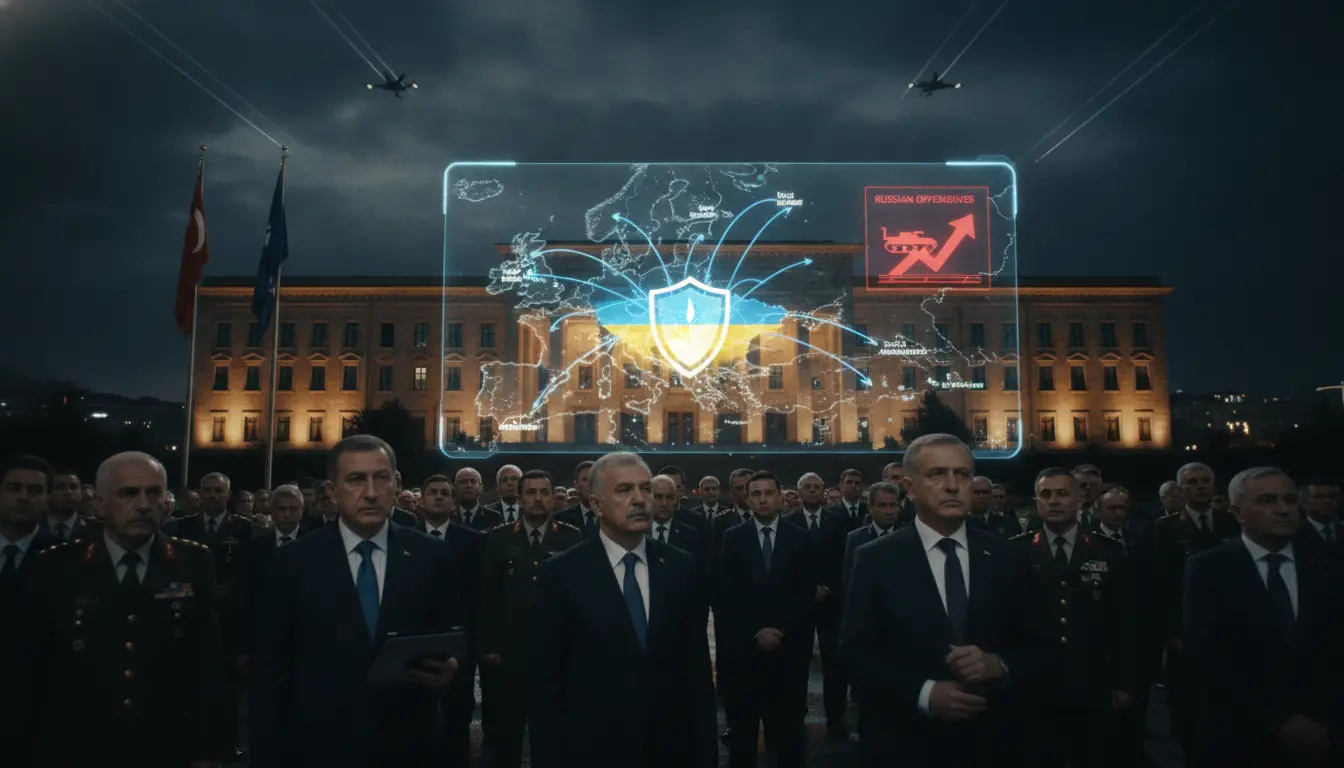
Eyes on Ankara as NATO Prepares Landmark Military Aid Package for Ukraine Amid Renewed Russian Offensives
Succession Discussions Intensify for NATO's Top Post as 2026 Deadline Approaches
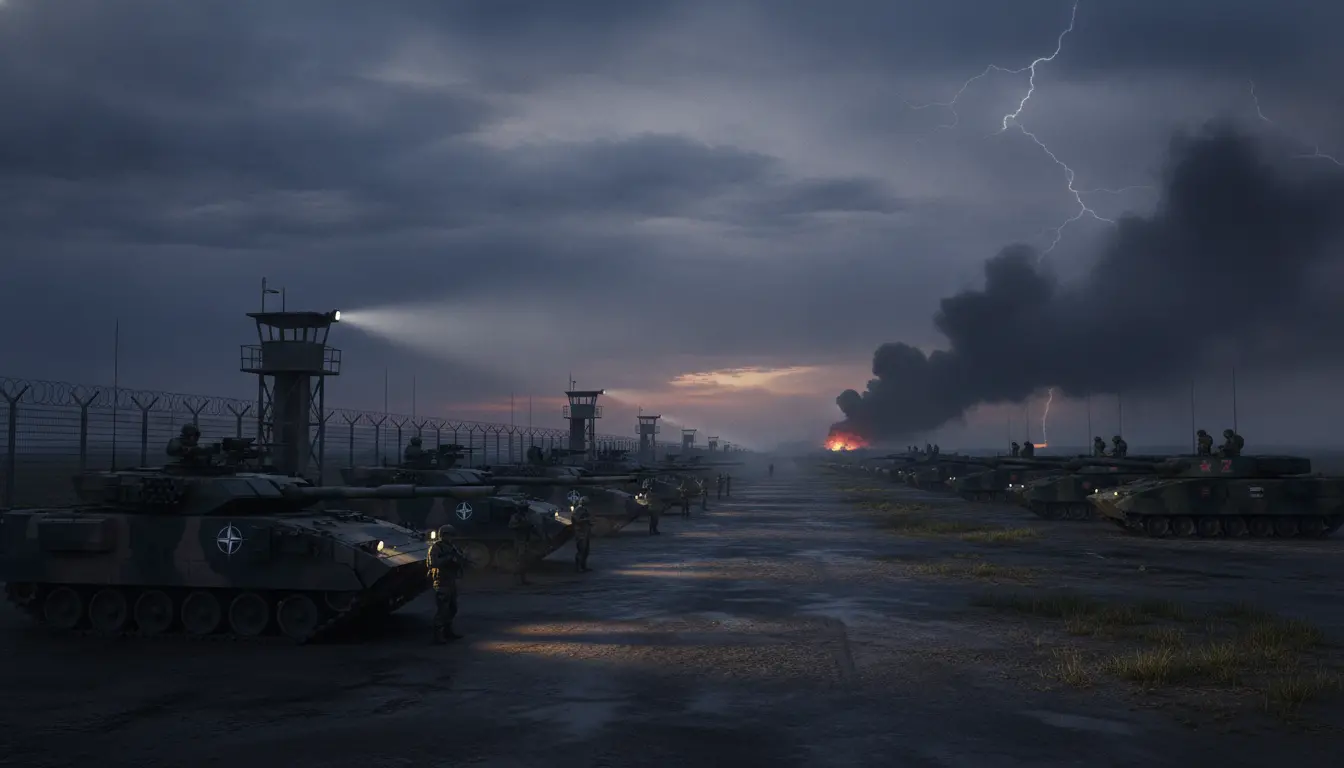
NATO's Collective Defense Clause Tested as Russian Military Actions Escalate Tensions at Border

Washington Considers Imposing New Trade Tariffs on Spain Amid Diplomatic Rifts

European Union Grapples with Potential Trade Sanctions on Israeli West Bank Settlements
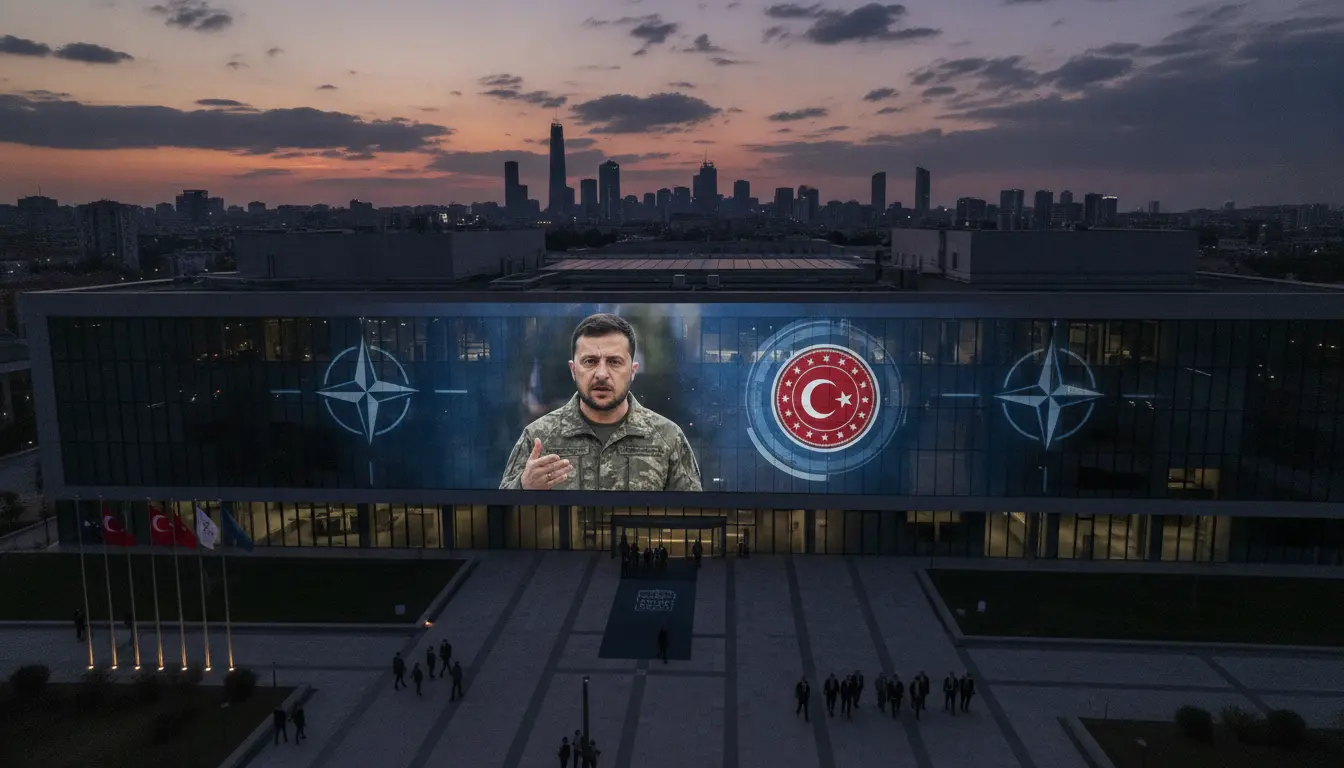
Ankara Prepares for Pivotal 2026 NATO Summit Amid Ukraine's Push for Formal Address

Allies Express Alarm as Trump Signals Potential US Troop Reductions in Europe