


Washington Considers Imposing New Trade Tariffs on Spain Amid Diplomatic Rifts
The prospect of the United States imposing new trade sanctions or tariffs on Spain has cast a shadow over transatlantic relations, fueled by persistent disagreements on key geopolitical issues. This potential shift in Washington's trade policy, which could materialize by late 2026, stems primarily from long-standing disputes over Spain's contributions to NATO defense spending and its diplomatic stance regarding the Iran conflict. Such measures, if enacted, would mark a significant escalation, potentially disrupting established economic ties and further straining diplomatic goodwill between two historical allies.
The call for European allies to increase their defense spending has been a recurring theme in Washington for years, particularly emphasized by previous administrations. The United States has consistently argued that many NATO members, including Spain, fall short of the alliance's agreed-upon target of allocating at least 2% of their GDP to defense. Spain, while demonstrating a commitment to increasing its defense budget, has faced internal economic pressures and political debates over military expenditure, making it challenging to rapidly meet the 2% benchmark. This perceived shortfall has been a source of frustration for American policymakers who advocate for a more equitable burden-sharing within the alliance, seeing it as a test of commitment to collective security.
Beyond NATO, Spain's approach to the Iran nuclear deal and broader Middle East policy has frequently diverged from more hawkish American positions. While the U.S. under certain administrations has pursued a strategy of "maximum pressure" against Tehran, often including stringent sanctions, Spain, along with many other European Union members, has generally favored a more diplomatic engagement. This approach has sought to preserve the Joint Comprehensive Plan of Action (JCPOA) and maintain channels of communication, often in contrast to calls for stricter isolation. This difference in strategic outlook creates a fundamental friction point, with Washington potentially viewing Spain's stance as undermining international efforts to curb Iran's regional influence or nuclear ambitions.
The economic relationship between the U.S. and Spain is robust, characterized by significant trade in goods and services, as well as substantial mutual investment. American exports to Spain include machinery, aircraft, and agricultural products, while Spanish exports to the U.S. range from food products and pharmaceuticals to vehicles and industrial components. The imposition of tariffs or sanctions could significantly impact industries in both countries, leading to higher consumer prices, reduced competitiveness, and potential job losses. Historically, the U.S. has used trade leverage to influence foreign policy decisions of allies, as seen in past disputes with European nations over agricultural subsidies or aerospace industry support, setting a precedent for such assertive measures in the name of national interest.
For Spain, facing U.S. trade restrictions would pose a complex challenge. As a key member of the European Union, it would likely seek support and solidarity from Brussels, potentially elevating the dispute to an EU-U.S. trade confrontation. Such a scenario would test the cohesion of transatlantic alliances at a time when global stability is increasingly fragile and cooperation is paramount. Furthermore, it would force Spain to re-evaluate its foreign policy autonomy, particularly concerning its engagement with the Middle East and its commitment to European strategic independence. The prospect of such measures not only threatens economic fallout but also carries profound implications for the intricate web of diplomatic and security relationships that underpin the Western alliance system.
As the 2026 timeframe approaches, diplomatic channels will likely intensify as both sides seek to avoid a full-blown trade conflict. The outcome will depend on a delicate balance of political will, economic pressure, and the evolving geopolitical landscape. For Washington, the move would aim to compel Spain into aligning more closely with American foreign policy priorities, while for Madrid, it would be a test of its sovereignty and its ability to navigate complex international demands without ceding critical economic ground. The coming months are set to define a critical chapter in US-Spanish relations, with ripple effects across NATO and the broader international community, influencing the shape of future transatlantic cooperation.
Stay Informed. Act Smarter.
Get weekly highlights, major headlines, and expert insights — then put your knowledge to work in our live prediction markets.
Related News

US Considers Imposing Fresh Tariffs on Chinese Goods Amid Persistent Trade Frictions

US-China Economic Standoff Intensifies Amidst Calls for New Tariffs by 2026
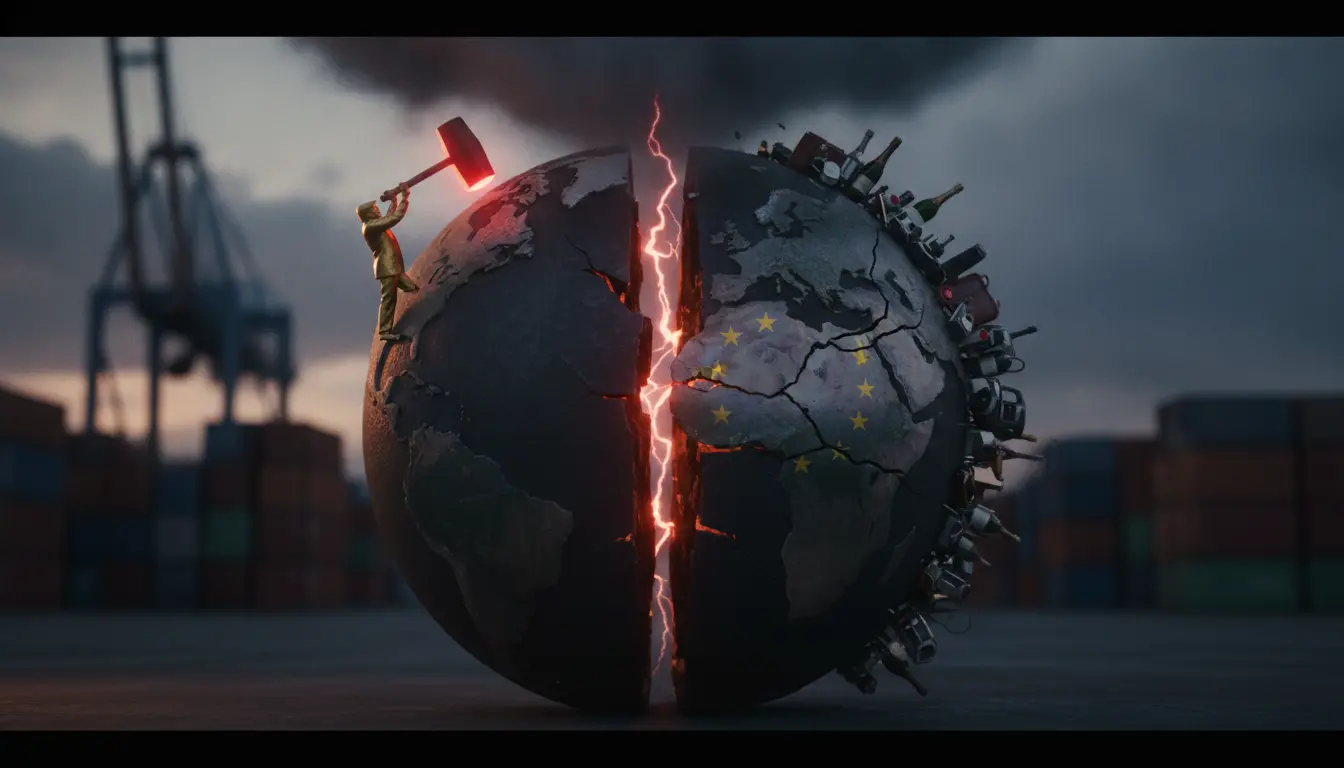
Trump's Threat of 100% Tariffs on Europe Stokes Fears of a New Transatlantic Trade War

US Considers Reviving 100% Tariffs on European Digital Services, Sparking Transatlantic Trade Concerns
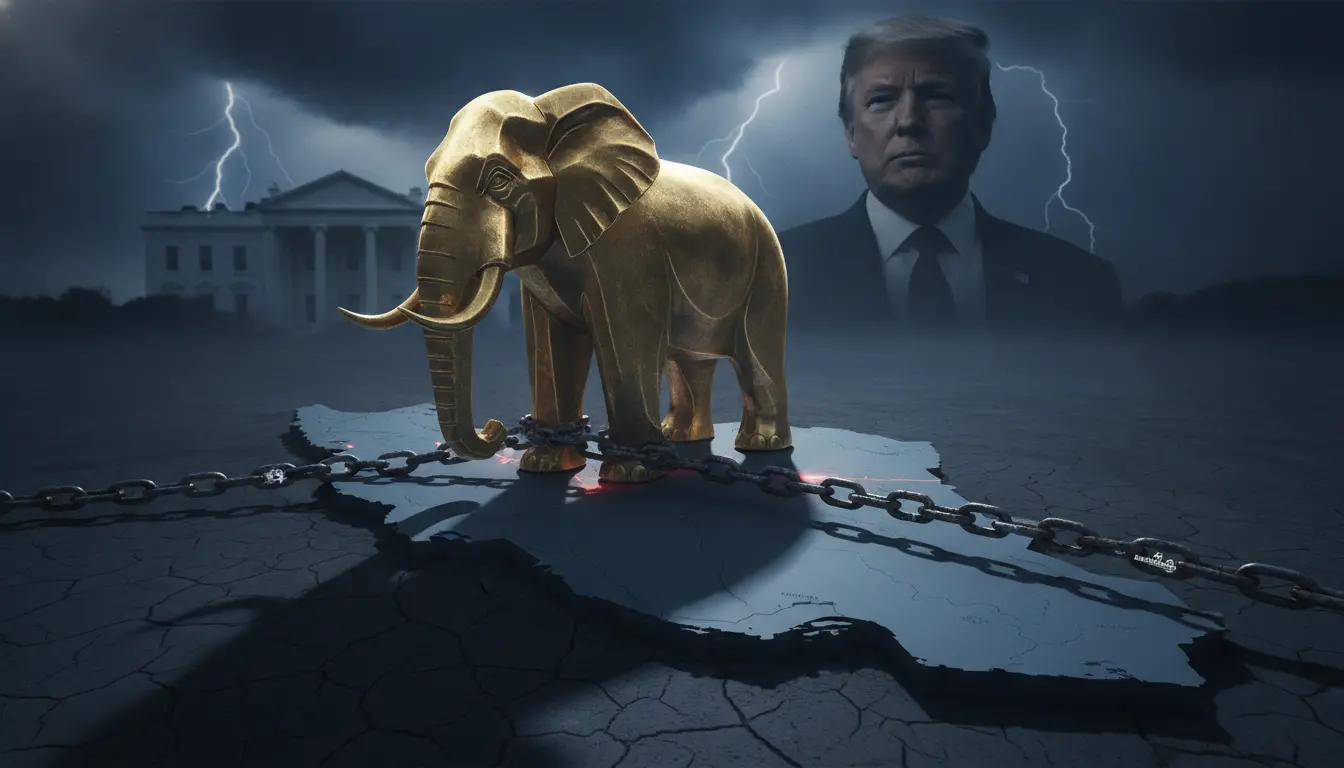
Potential Trump Administration Eyes Significant Economic Sanctions Escalation Against Iran

Former President Trump's Tariff Threat on European Digital Services Looms Ahead of US Election
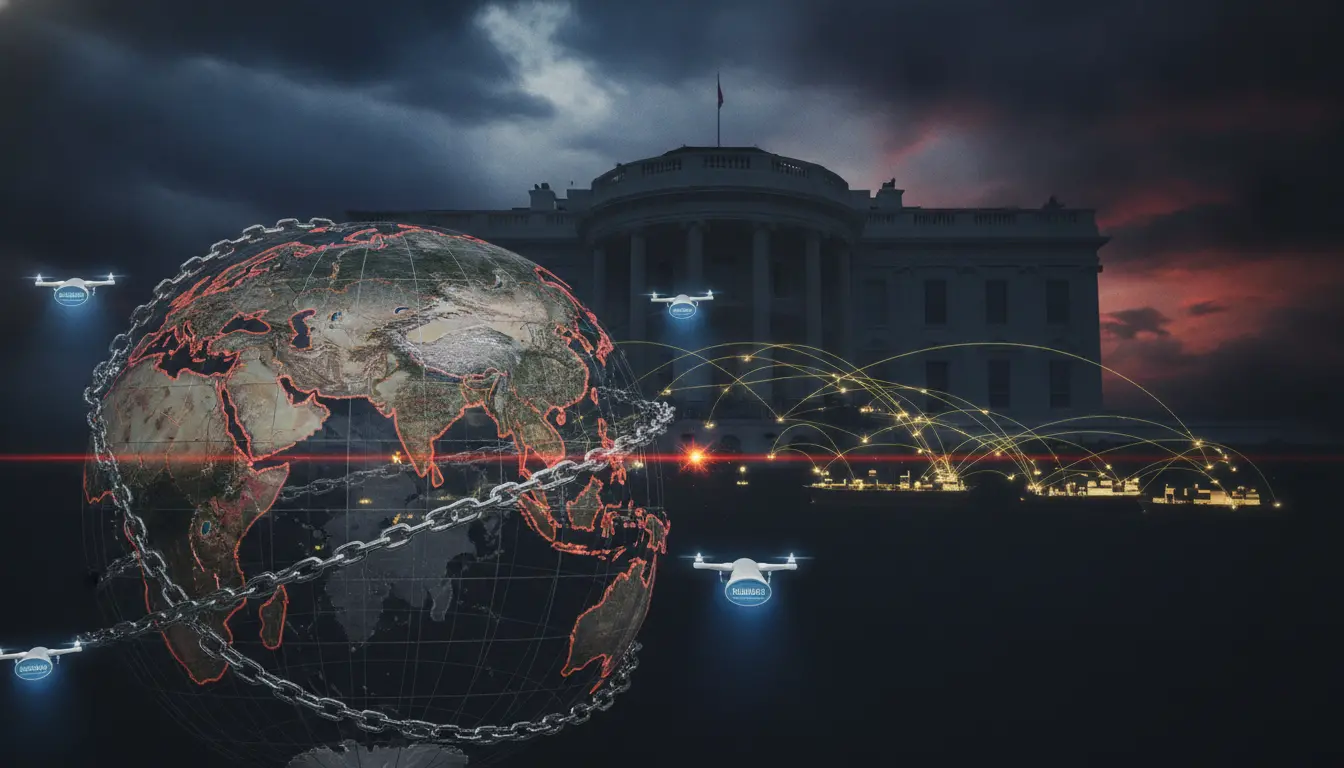
White House Intensifies Global Scrutiny Over Alleged China Tariff Evasion Network
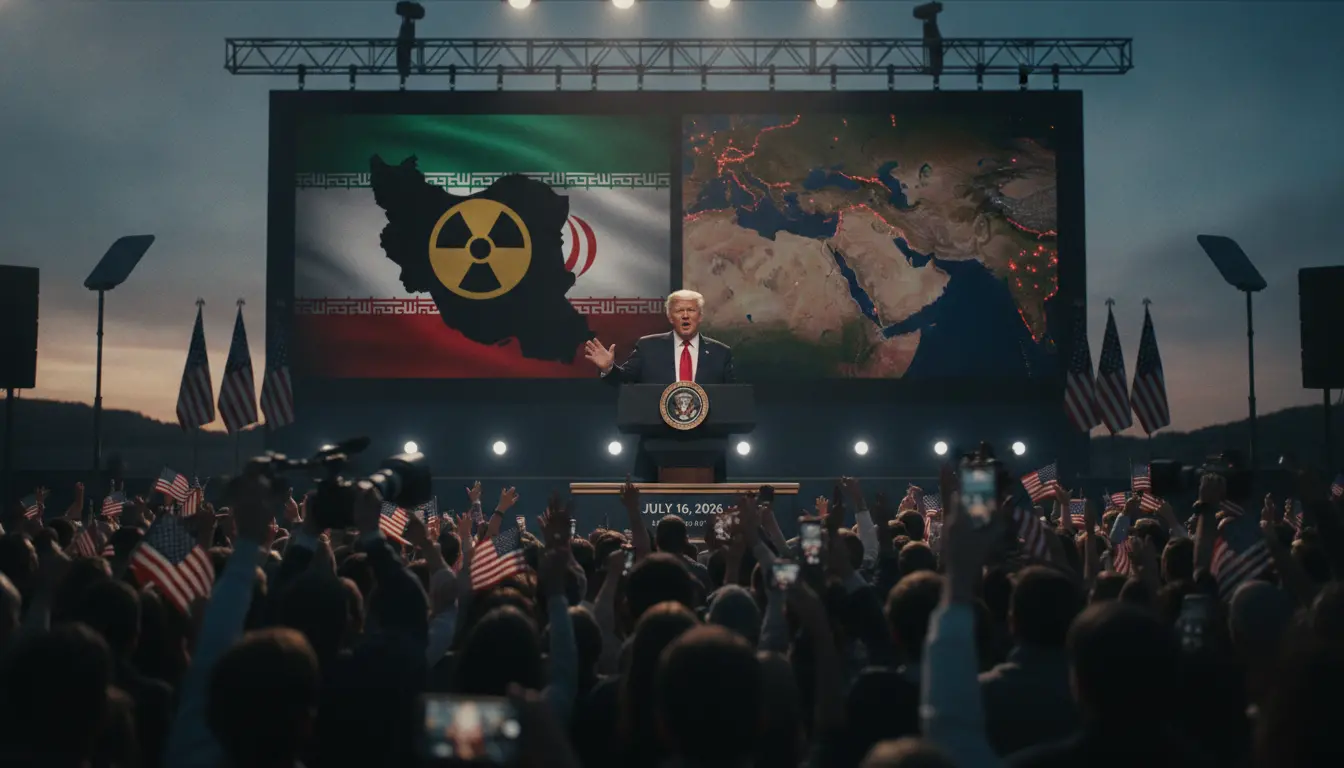
President Trump Poised to Announce New Iran Sanctions Amid Escalating Regional Tensions

Trump's Tariffs Threat Rekindles US-EU Digital Tax Tensions

European Union Grapples with Potential Trade Sanctions on Israeli West Bank Settlements