

- News
- Politics
- Concerns Over US Political Dynamics Cloud Zelensky's Potential NATO Summit Address in Ankara
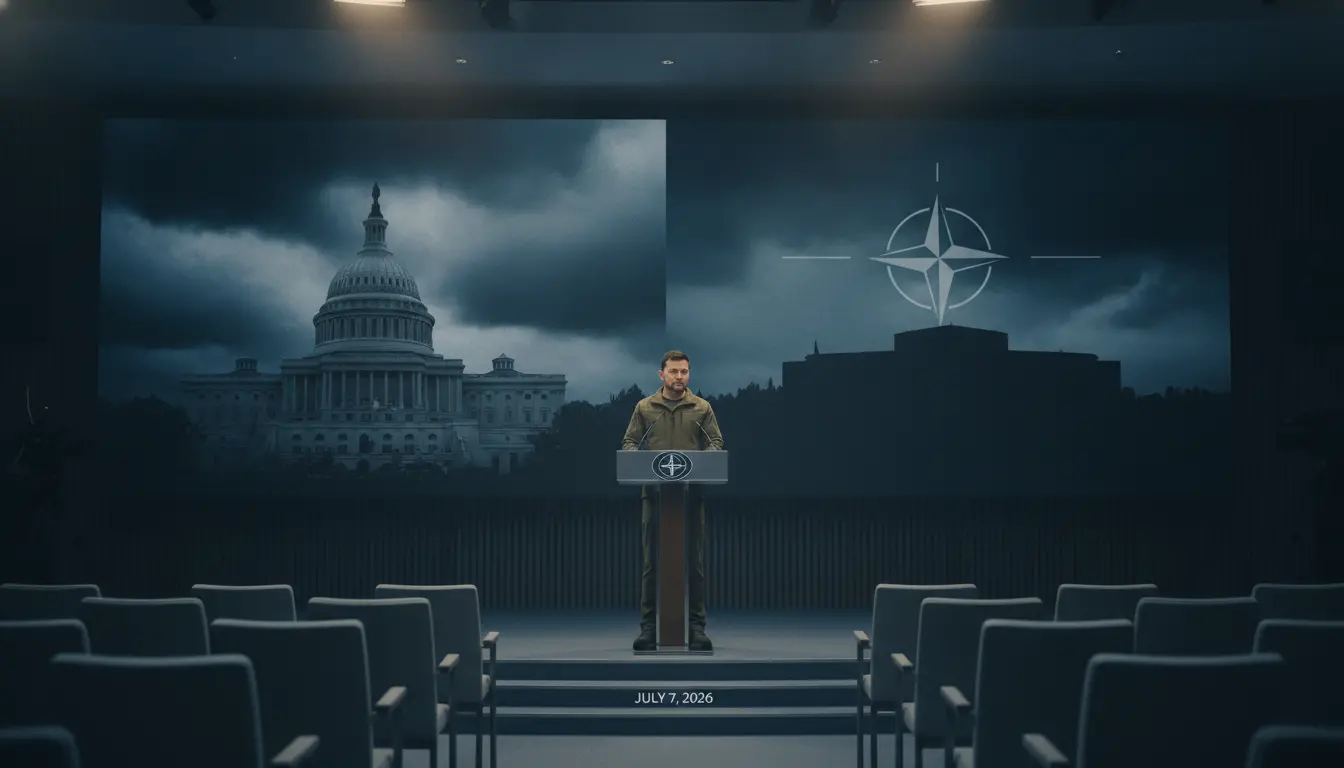
Concerns Over US Political Dynamics Cloud Zelensky's Potential NATO Summit Address in Ankara
Speculation is mounting regarding Ukrainian President Volodymyr Zelensky's potential in-person participation at the upcoming NATO Summit in Ankara, Turkey, scheduled for July 7, 2026. Reports suggest that a significant factor influencing the decision may be a diplomatic effort to preemptively manage geopolitical sensitivities, particularly those related to former U.S. President Donald Trump and his possible future influence on American foreign policy and alliances. The underlying tension highlights the delicate balance NATO members must strike as they navigate ongoing support for Ukraine while preparing for potential shifts in the global political landscape.
Since the full-scale invasion of Ukraine by Russia in February 2022, President Zelensky has been a tireless advocate for his nation, frequently addressing international bodies, parliaments, and summits, often via video link, to galvanize support and secure vital military and financial aid. His presence, whether virtual or in person, at such high-profile gatherings has consistently served as a powerful symbol of Ukrainian resilience and a direct appeal to the international community. The prospect of his exclusion from a crucial NATO summit, especially one hosted by a pivotal member like Turkey, would mark a notable departure from recent precedent and could send a concerning signal about the alliance's resolve and unity.
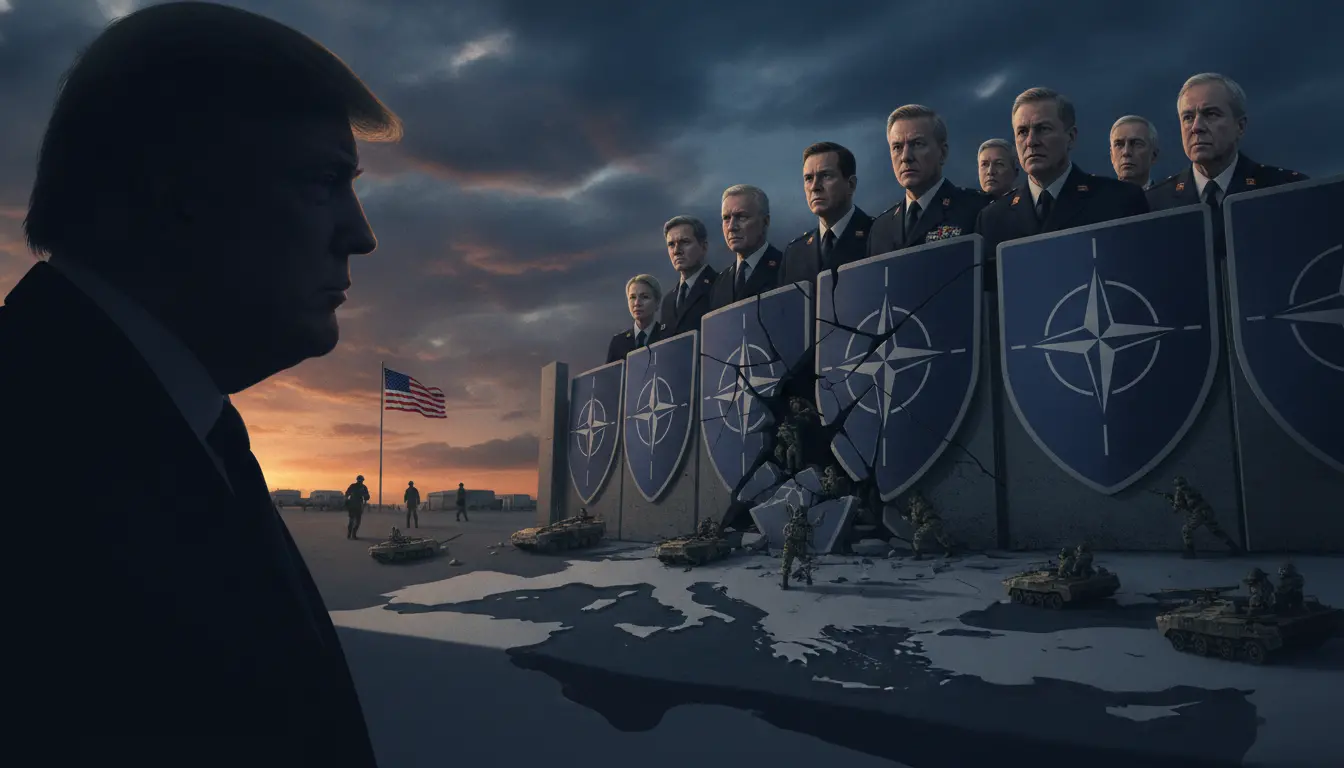
The context of the proposed exclusion points to broader anxieties within the transatlantic alliance. Former President Trump has, in the past, expressed skepticism about NATO's value, criticized member states for not meeting defense spending targets, and voiced reservations about the extent of U.S. aid to Ukraine. Should he return to the White House, there is widespread apprehension that his administration could adopt a less supportive stance towards Kyiv and potentially challenge core tenets of NATO collective defense. These concerns are reportedly prompting some diplomatic circles to consider measures that could minimize friction or avoid perceived provocations, even years in advance of a potential change in U.S. leadership.
Turkey, as the host nation, finds itself in a complex geopolitical position. Ankara maintains unique, often transactional, relationships with both Russia and the West, frequently acting as a mediator while pursuing its own strategic interests. Its decision-making regarding summit protocols would undoubtedly weigh its standing within NATO against its broader diplomatic objectives and its desire to avoid unnecessary international political headaches. While Turkey has condemned the invasion of Ukraine, it has also maintained channels with Moscow and historically been critical of perceived Western interference in its region. Balancing these factors while hosting a summit that directly addresses the war in Ukraine and the future of European security presents a significant challenge.
The stakes for Ukraine are immense. Any perceived distancing or diminished platform at a high-level NATO meeting could be interpreted as a weakening of international support, potentially boosting Russian morale and complicating Kyiv's efforts to secure long-term security guarantees and integration into Western structures. For NATO, maintaining a united front against Russian aggression and unequivocally backing Ukraine's sovereignty remains paramount, even as internal political considerations and the specter of future U.S. policy shifts loom large. The alliance's credibility and its commitment to its foundational principles could be tested by how it navigates such sensitive diplomatic questions.
The 2026 NATO Summit is expected to be a critical moment for reaffirming the alliance's strategic direction, particularly concerning its eastern flank and its relationship with Ukraine. Whether President Zelensky ultimately addresses the summit in person or through other means, the discussions leading up to it underscore the profound geopolitical complexities at play. The mere suggestion of limiting his role due to external political considerations highlights the fragility of international consensus and the far-reaching impact of domestic political dynamics on global security architecture. The coming months will likely see intense diplomatic maneuvering as member states work to forge a cohesive path forward amidst these unfolding challenges.
Ultimately, the situation surrounding President Zelensky's potential participation in Ankara is a bellwether for the broader challenges facing the transatlantic alliance. It forces NATO members to confront how they will continue to support Ukraine, deter Russia, and maintain unity in an increasingly unpredictable world, all while navigating the potential for significant shifts in leadership and policy among its most powerful members. The choices made will have lasting implications for regional stability and the future of the international order.
Stay Informed. Act Smarter.
Get weekly highlights, major headlines, and expert insights — then put your knowledge to work in our live prediction markets.
Related News
Ankara Prepares for Pivotal 2026 NATO Summit Amid Ukraine's Push for Formal Address
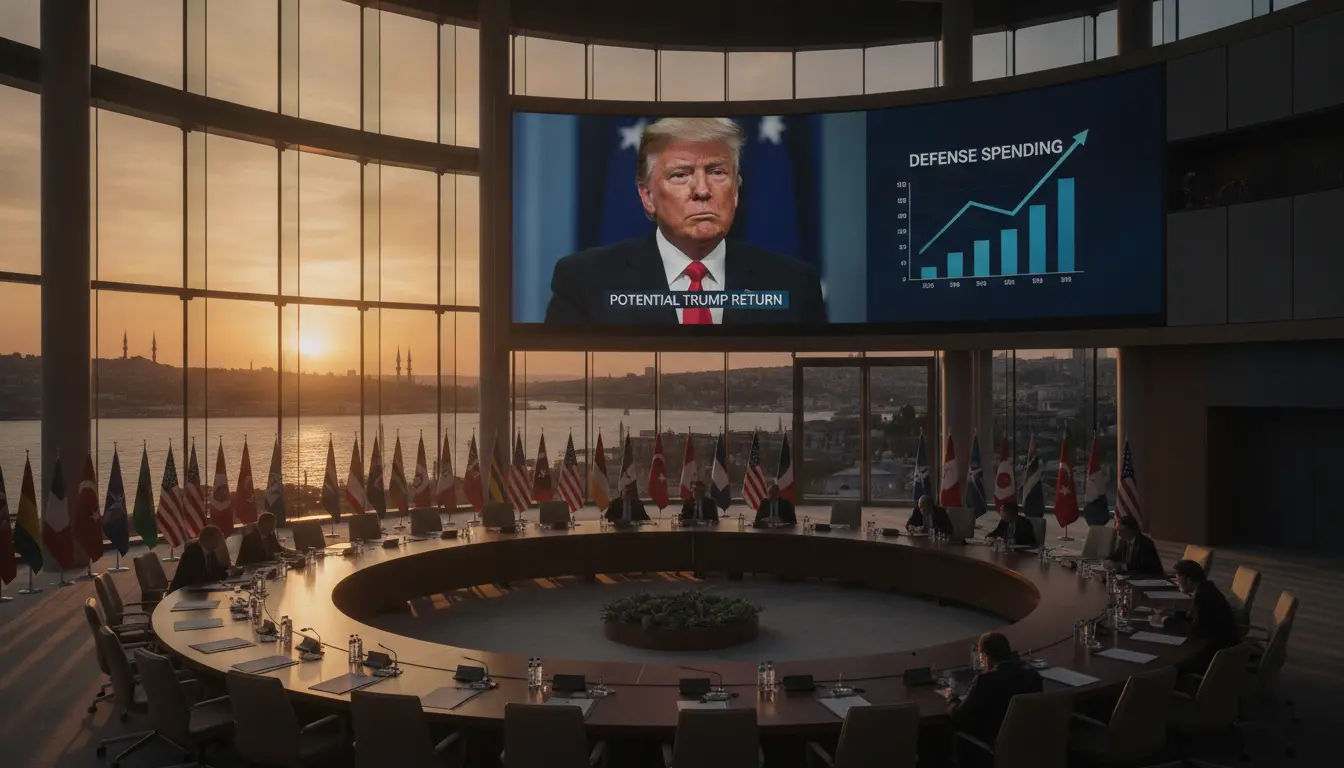
2026 NATO Summit in Turkey Prepares for Potential Trump Return Amid Defense Spending Pressure
Trump Eyes Separate Bilateral Meetings with Zelensky, Syrian Foreign Minister at NATO Summit

Trump's 'America First' Doctrine Casts Shadow Over NATO's Future Ahead of Ankara Summit
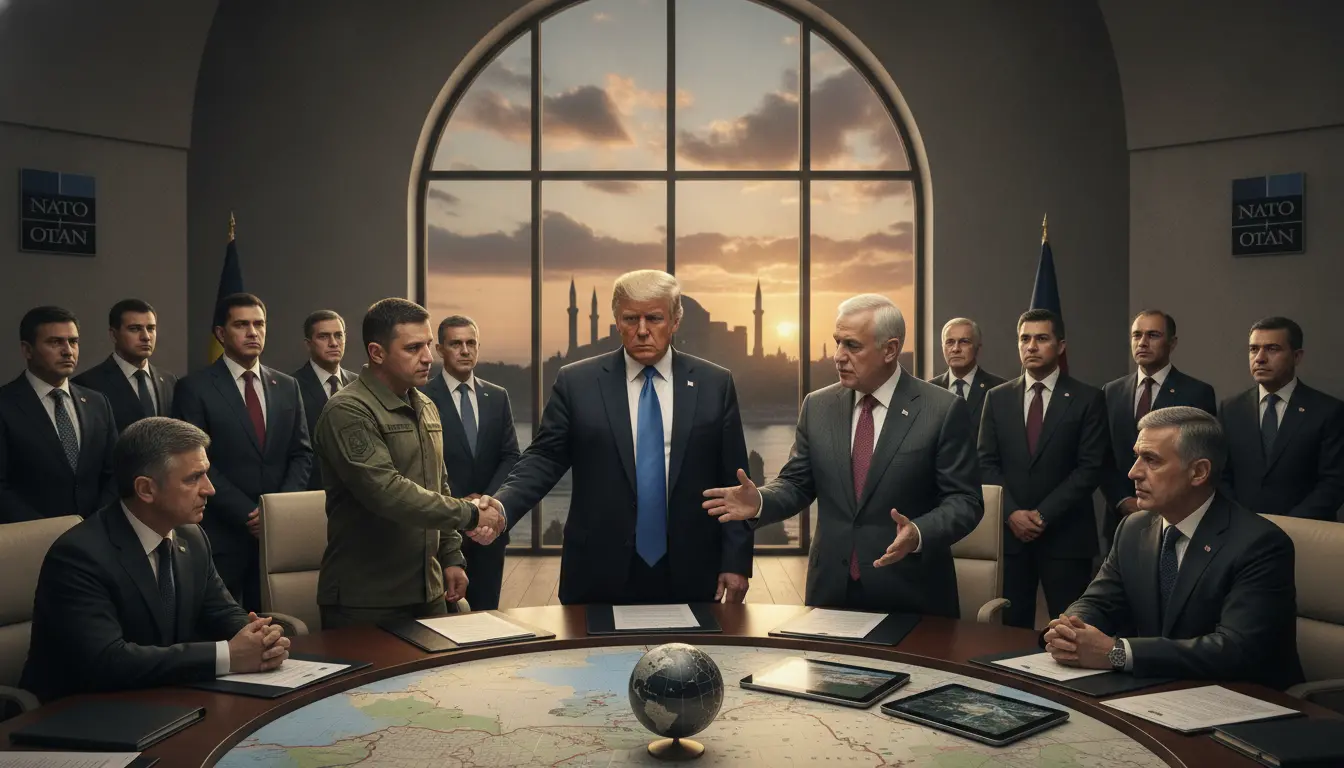
Trump's High-Stakes NATO Summit: Pivotal Meetings with Ukrainian and Syrian Leaders Could Reshape Global Conflicts
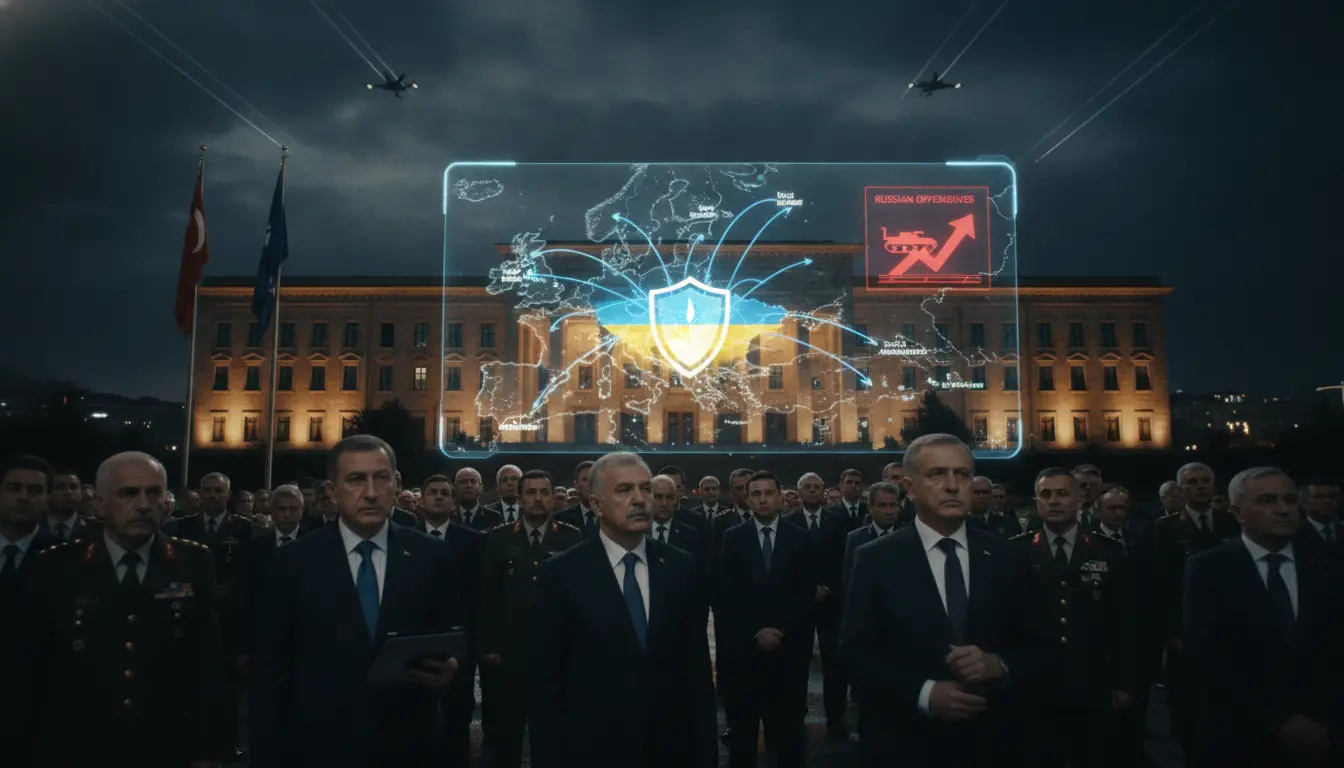
Eyes on Ankara as NATO Prepares Landmark Military Aid Package for Ukraine Amid Renewed Russian Offensives
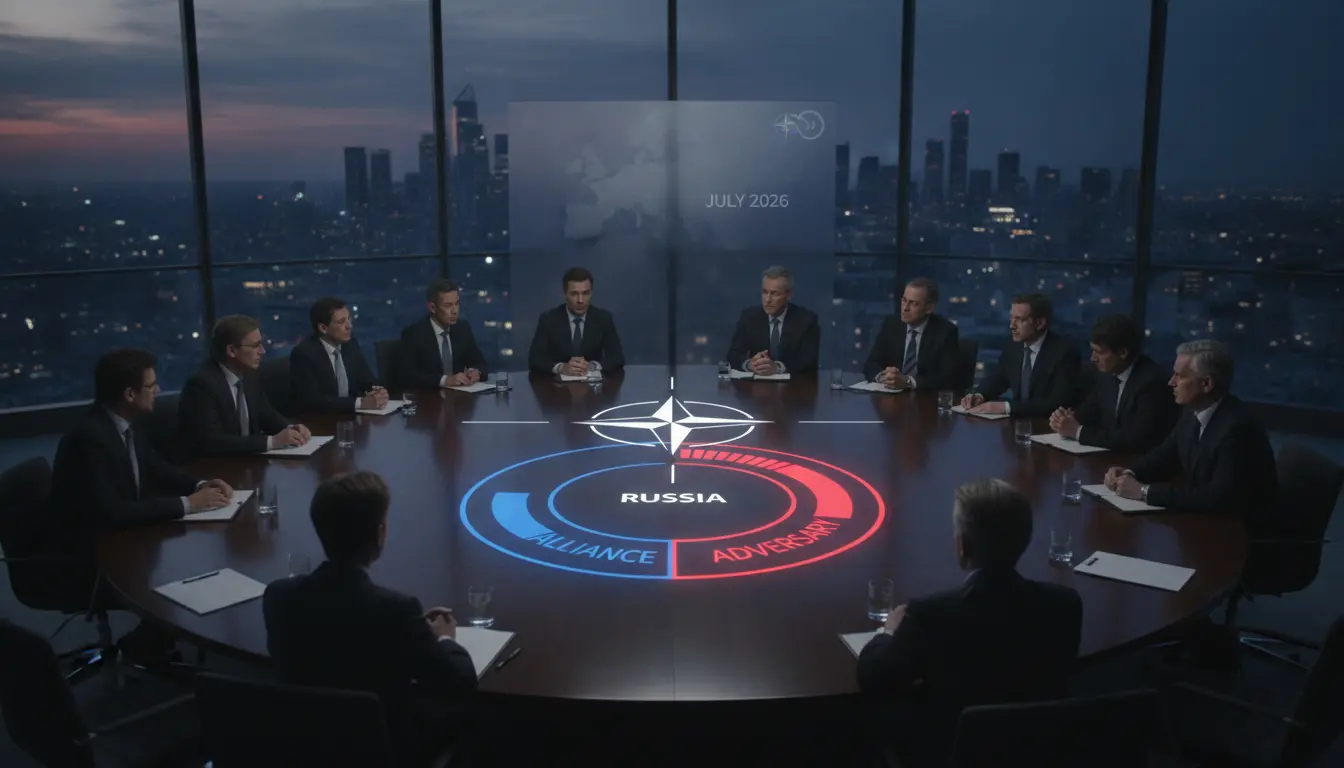
NATO Members Weigh Explicit 'Adversary' Label for Russia Ahead of 2026 Summit
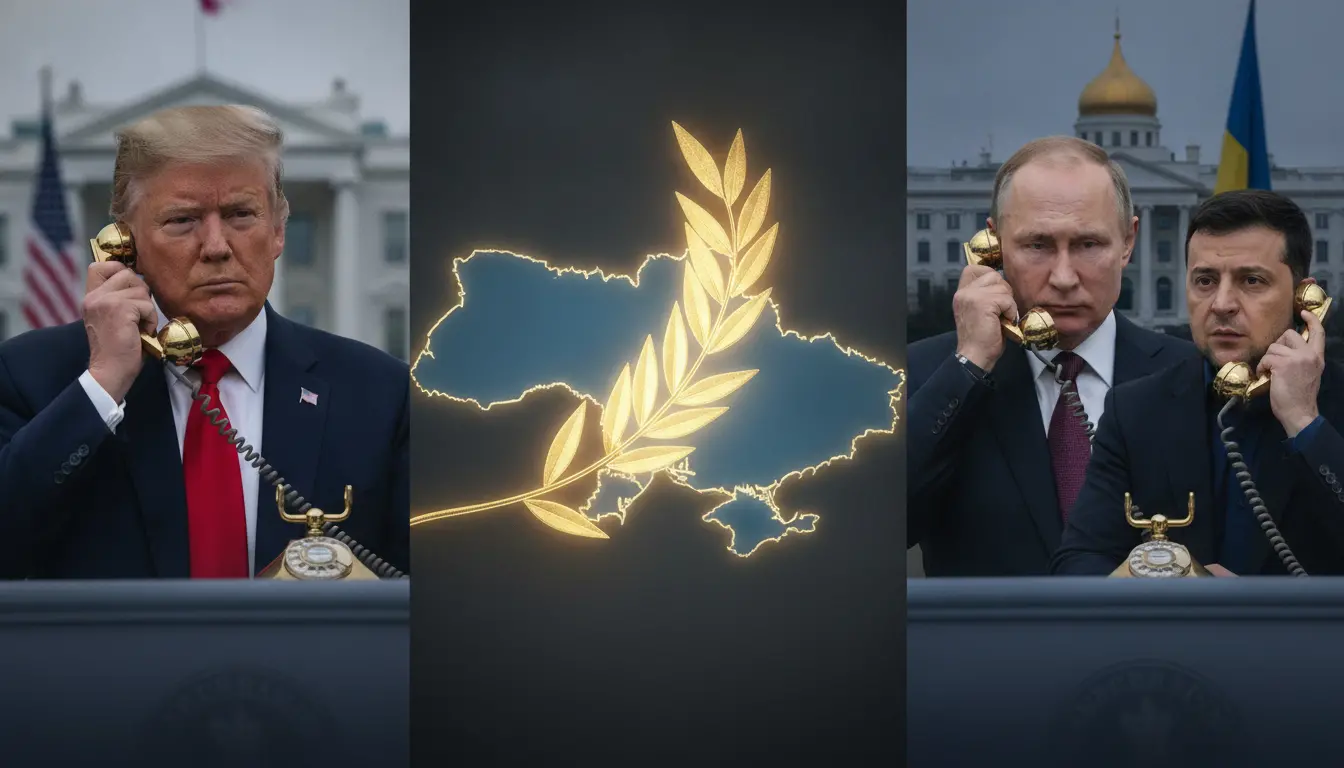
Trump Offers to Broker Ukraine Peace Deal in Calls with Putin and Zelenskyy Ahead of NATO Summit

Allies Express Alarm as Trump Signals Potential US Troop Reductions in Europe
Trump's Renewed Threats to Withdraw US Troops from Europe Spark Alarm Among NATO Allies