

OPEC+ Set to Deliberate Oil Output Strategy Amid Iran Tensions, Price Swings
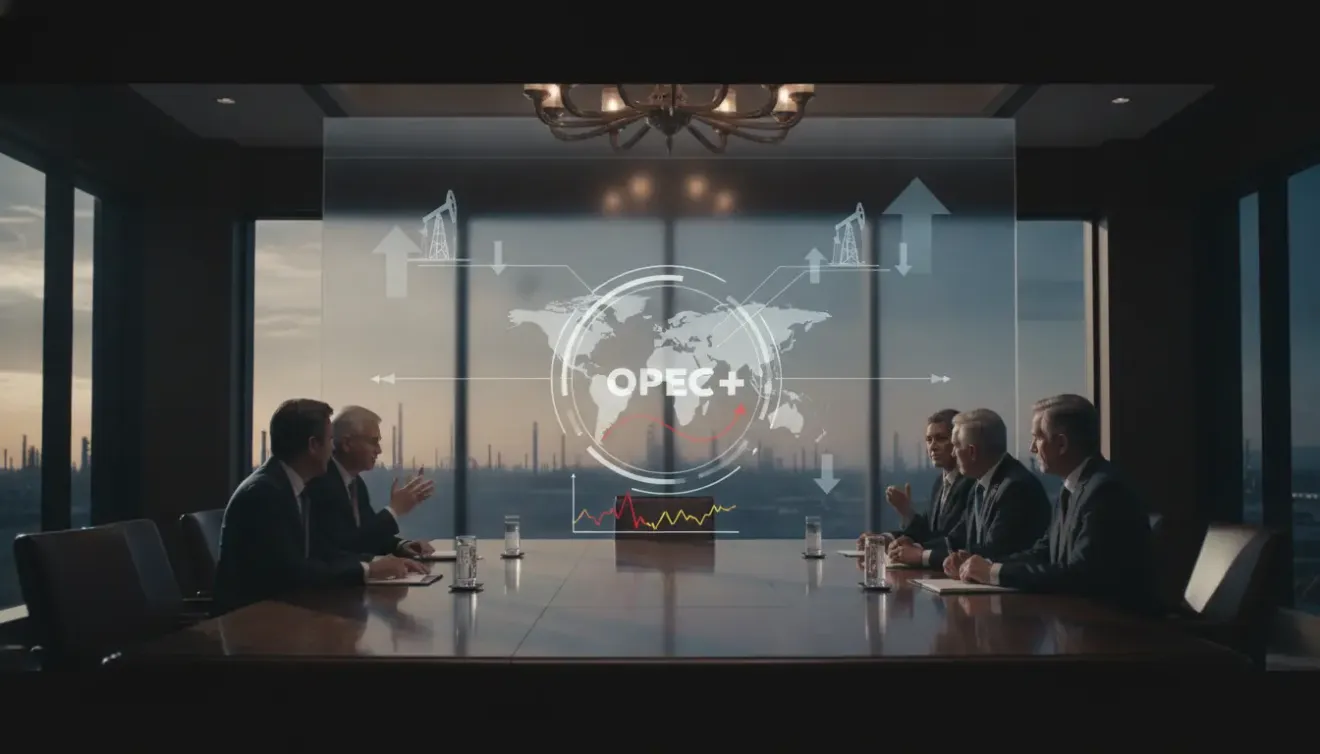
The world's leading oil producers, grouped under the OPEC+ alliance, are poised for a critical meeting on November 29 to determine their collective production targets. The decision, expected to either maintain current output levels or potentially deepen cuts, comes against a backdrop of pronounced global economic uncertainties, volatile crude oil prices, and escalating geopolitical tensions, particularly those involving the United States and Iran in the Middle East. Analysts and policymakers worldwide are closely monitoring the upcoming deliberations, understanding that the outcome will significantly influence energy markets and global inflationary pressures in the months ahead.
OPEC+, an alliance formed by the Organization of the Petroleum Exporting Countries and non-OPEC allies led by Russia, has been instrumental in managing global oil supply for several years. Their primary objective is to stabilize the oil market by balancing supply with demand, thereby preventing severe price crashes or spikes that could destabilize producer economies and global consumers alike. The group has a history of proactive interventions, including significant production cuts initiated in late 2022 and extended through 2023, with a broader output management framework in place until the end of 2024, and potentially reviewed through 2026. These measures have largely been aimed at shoring up prices amidst concerns over slowing global economic growth and robust non-OPEC supply.
The current market environment presents a complex challenge. While robust demand from some emerging economies and recent geopolitical concerns in the Middle East have provided some price support, fears of a global economic slowdown, particularly in China and Europe, persist. These demand-side anxieties are often countered by supply-side concerns, including the specter of potential disruptions arising from the volatile geopolitical landscape. Brent crude futures, the international benchmark, have seen substantial swings in recent weeks, reflecting the inherent uncertainty surrounding both economic health and political stability. Traders and analysts are grappling with mixed signals, making the OPEC+ task of forecasting and managing supply even more intricate.
A significant element in the upcoming meeting's calculus is the renewed tension between the United States and Iran. While Iran's oil exports have been under stringent U.S. sanctions for years, any escalation in regional conflicts involving Iran or its proxies invariably raises concerns about the security of shipping lanes in the Persian Gulf, a crucial conduit for a substantial portion of the world's oil supply. Such fears tend to drive up prices, adding a geopolitical risk premium. However, the practical implications for OPEC+ production decisions remain nuanced, as Iran is a member but its output is largely disconnected from the group's quota system due to sanctions.
Ultimately, the alliance must weigh the need to support oil prices for their members' budgetary stability against the risk of stifling global economic activity if prices climb too high. The consensus among many observers is that OPEC+ is likely to maintain its current production targets, signaling stability and potentially waiting for clearer demand signals before making any dramatic shifts. However, a deeper cut, though less anticipated, cannot be entirely ruled out if the group perceives a significant weakening in demand or a need to further bolster prices. Any decision will be a finely tuned balance, reflecting the diverse interests of its members and the prevailing global energy dynamics.
The implications of the Nov 29 decision will reverberate far beyond the oil fields. For consumers, the outcome could translate directly into fluctuating gasoline prices and heating costs. For central banks, oil prices are a crucial factor in managing inflation, impacting monetary policy decisions globally. Moreover, the decision will underscore OPEC+'s continued influence over the global energy landscape, even as the world gradually pivots towards renewable sources. The meeting serves as a powerful reminder of the intricate interplay between geopolitics, economics, and commodity markets, shaping the immediate future of the global energy equation.
Stay Informed. Act Smarter.
Get weekly highlights, major headlines, and expert insights — then put your knowledge to work in our live prediction markets.
Related News

OPEC+ Set to Convene in November 2026 to Deliberate Oil Production Strategy Amid Market Volatility

Global Oil Markets Brace for Sustained Volatility as Geopolitical Tensions, US-Iran Talks Shape Brent Crude Outlook

Escalating US-Iran Tensions Threaten Global Oil Supply, Pushing Crude Prices Higher

Global Energy Markets Brace for Potential $100 Brent Crude Amid Persistent Geopolitical Instability

Washington Considers Full Reinstatement of Iran Oil Sanctions Amid Deepening Regional Tensions

Escalating Middle East Tensions Point to Sustained Upward Pressure on Brent Crude Prices

Reports Indicate Potential Full Lifting of US Oil Sanctions on Iran by Late 2026

US Weighs Sanctions Relief on Iranian Oil Amid Ongoing Diplomatic Initiatives

US and Iran Face High-Stakes Negotiations Amidst Pressures to Secure Strait of Hormuz

President Trump Poised to Announce New Iran Sanctions Amid Escalating Regional Tensions