

- News
- Finance
- Global Energy Markets Brace for Potential $100 Brent Crude Amid Persistent Geopolitical Instability
Global Energy Markets Brace for Potential $100 Brent Crude Amid Persistent Geopolitical Instability
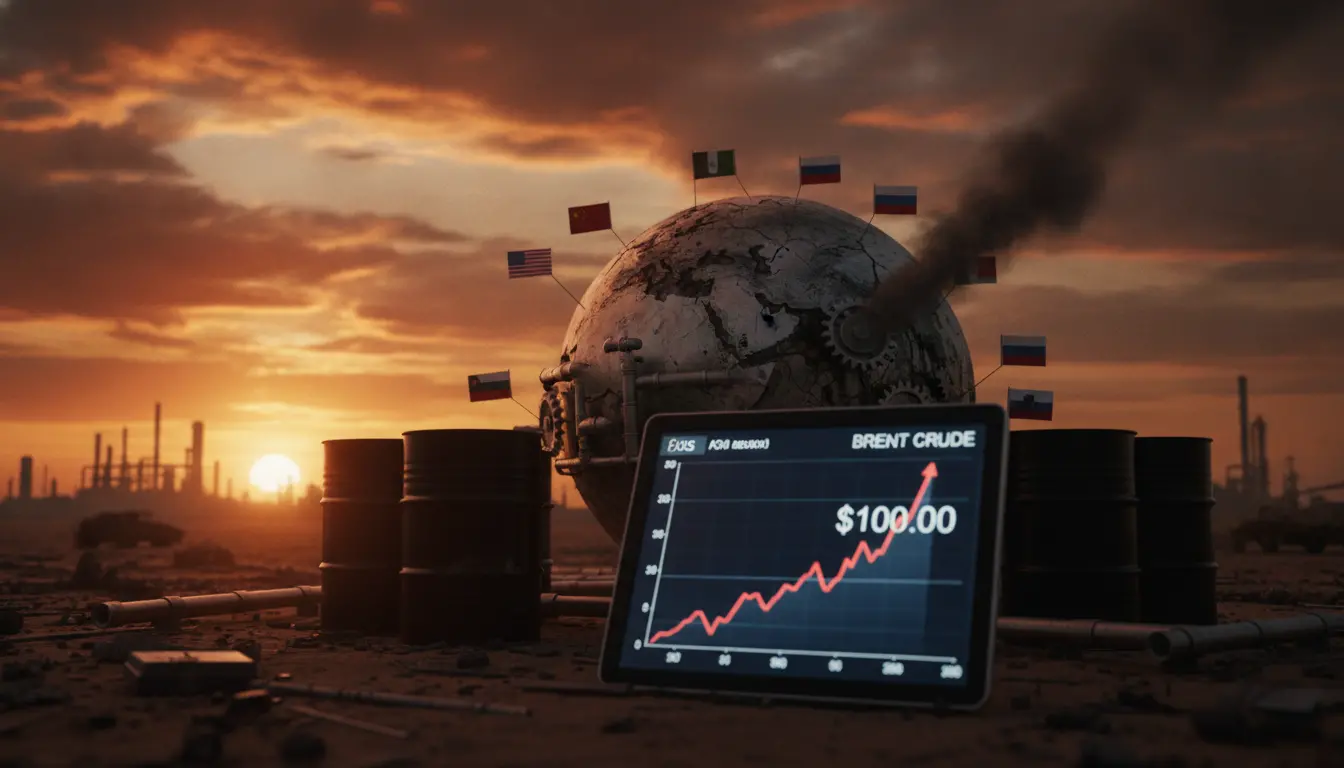
The global energy landscape is currently navigating a period of profound uncertainty, with market analysts and policymakers closely monitoring the trajectory of Brent crude oil prices. A confluence of geopolitical tensions, supply chain vulnerabilities, and evolving demand dynamics has ignited discussions about the potential for crude benchmarks to once again surpass the $100 per barrel mark in the coming years. This prospect carries significant implications for global inflation, economic stability, and energy security worldwide.
The volatility in oil markets is not a new phenomenon, but the current environment is marked by an unusually complex web of interdependent factors. Historically, major price spikes have often been triggered by supply disruptions stemming from conflict or cartel actions. While the past few years have seen prices fluctuate wildly — from pandemic-induced lows to post-Ukraine invasion highs — a sustained move above $100 would signal a significant shift, reflecting either severe supply constraints or a robust, unexpected surge in global demand. Underlying this narrative is a delicate balance between Opec+ production strategies, the pace of the global energy transition, and the resilience of non-OPEC supply, particularly from the United States.
At the heart of the supply concerns are ongoing geopolitical flashpoints. The enduring conflict in Ukraine continues to reshape global energy flows, with sanctions on Russian oil and refined products forcing a redistribution of supplies and creating inefficiencies. Simultaneously, instability in the Middle East, particularly the conflict in Gaza and attacks on shipping in the Red Sea, poses a constant threat to crucial oil transit routes and regional production. Any significant escalation in these areas could instantaneously disrupt a substantial portion of global supply, sending prices soaring. The actions of major oil producers like Saudi Arabia and the broader OPEC+ alliance, which have demonstrated a willingness to manage supply to stabilize markets, will remain critical in shaping the near-term outlook.
On the demand side, the global economic picture remains mixed but generally points towards continued, albeit moderate, growth. Emerging economies, particularly China and India, are expected to be the primary drivers of demand growth, even as developed nations make concerted efforts towards decarbonization. A stronger-than-anticipated global economic recovery could exert upward pressure on prices, particularly if supply growth struggles to keep pace. Conversely, a significant global slowdown or recession could dampen demand, mitigating the impact of any supply-side shocks. The interplay between these demand trends and the consistent output from non-OPEC sources, most notably the robust U.S. shale industry, will be pivotal.
Beyond immediate supply and demand fundamentals, investment trends in the oil and gas sector also play a crucial role. Years of underinvestment in new upstream projects, partly driven by environmental concerns and capital discipline, have created a tighter supply cushion. While renewable energy sources are expanding rapidly, crude oil is expected to remain a dominant energy source for transportation and industrial processes for decades. This structural underinvestment, coupled with the long lead times required for major oil projects, means that even a modest increase in demand or a minor supply disruption could have an outsized impact on prices in the medium term.
The implications of Brent crude consistently trading above $100 per barrel would be far-reaching. For consumers, it would translate into higher fuel prices, impacting transportation costs and household budgets, potentially fueling inflationary pressures that central banks are already battling. For businesses, especially those in manufacturing and logistics, elevated energy costs could squeeze profit margins and necessitate price increases, further contributing to inflation. From a macroeconomic perspective, sustained high oil prices could act as a drag on global economic growth, complicating recovery efforts and potentially triggering policy responses from governments and central banks aiming to mitigate the economic fallout. The convergence of these powerful forces underscores why the $100 threshold remains a key benchmark for energy market observers and the global economy alike, representing a potential pivot point for future stability and prosperity.
Ultimately, the path of Brent crude oil prices towards or beyond $100 per barrel in the coming years will be determined by a complex interplay of geopolitical developments, the discipline of oil-producing nations, the pace of global economic growth, and the evolving dynamics of energy investment. The underlying risks of supply disruption combined with resilient, if not surging, demand, create a scenario where significant price appreciation remains a tangible possibility, demanding close attention from all corners of the global economy.
Stay Informed. Act Smarter.
Get weekly highlights, major headlines, and expert insights — then put your knowledge to work in our live prediction markets.
Related News
Escalating Middle East Tensions Point to Sustained Upward Pressure on Brent Crude Prices

Global Oil Markets Brace for Sustained Volatility as Geopolitical Tensions, US-Iran Talks Shape Brent Crude Outlook
Escalating US-Iran Tensions Threaten Global Oil Supply, Pushing Crude Prices Higher
Washington Considers Full Reinstatement of Iran Oil Sanctions Amid Deepening Regional Tensions

Oil Climbs After Fresh Trump Threat as US-Iran Peace Talks Begin

Houthi Rebels Declare 'Maritime Embargo' on Saudi Arabia, Raising Specter of Widespread Oil Disruption

Geopolitical Alarm Rings as US-Iran Standoff Threatens Strait of Hormuz Shipping

US Weighs Sanctions Relief on Iranian Oil Amid Ongoing Diplomatic Initiatives

US Explores Major Oil Trade Pact with Venezuela Amid Sanctions Relief Talks

Global Shipping on High Alert as Military Tensions Simmer in Strait of Hormuz