

- News
- Finance
- Global Oil Markets Brace for Sustained Volatility as Geopolitical Tensions, US-Iran Talks Shape Brent Crude Outlook

Global Oil Markets Brace for Sustained Volatility as Geopolitical Tensions, US-Iran Talks Shape Brent Crude Outlook
Global energy markets are grappling with profound uncertainty, as Brent Crude oil prices navigate a tumultuous landscape shaped by escalating geopolitical tensions, shifting supply-demand dynamics, and delicate diplomatic maneuvers. Recent weeks have witnessed significant price fluctuations, with benchmarks retreating from previous highs amidst a complex interplay of factors that underscore the inherent volatility of the crude oil sector. The market's sensitivity to even subtle shifts in global stability is once again laid bare, as stakeholders brace for continued turbulence across the coming years.
A primary driver of this renewed instability stems from the simmering tensions in the Middle East, specifically the intricate and often volatile relationship between the United States and Iran, exacerbated by the ongoing US-Israel alignment. The region, a pivotal source of global oil supply, remains a flashpoint where any escalation of conflict carries immediate and substantial implications for crude benchmarks. Reports of prices dipping to levels not seen since the initial intensification of the US-Israel conflict with Iran highlight how deeply intertwined regional security is with the global energy supply chain. Concerns over potential disruptions to vital shipping lanes, particularly through the Strait of Hormuz, remain a perennial worry for oil traders and importing nations alike, creating a pervasive risk premium that can abruptly inflate or deflate prices.
Amidst this backdrop, the prospect of ongoing diplomatic engagements between the United States and Iran has emerged as a double-edged sword for oil prices. While talks could theoretically pave the way for de-escalation and a more stable regional environment, they also carry the potential for significant shifts in global oil supply. Any agreement that might lead to a loosening of sanctions on Tehran could allow Iran to significantly boost its crude exports, adding substantial volumes to an already finely balanced market. This potential influx of Iranian oil, combined with the production strategies of OPEC+ nations – particularly Saudi Arabia and Russia – creates a complex supply outlook. OPEC+ has consistently demonstrated its capacity to influence market direction through coordinated production cuts or increases, and its upcoming policy decisions will be critical in shaping future price trajectories, often with an eye toward maintaining market stability while maximizing member revenues.
Beyond geopolitics, the health of the global economy continues to exert considerable influence over oil demand. Concerns about a potential slowdown in major economies, particularly China, the world's largest oil importer, could dampen consumption growth across industrial and transportation sectors. Conversely, a robust global recovery, especially in manufacturing output and international travel, would bolster demand, potentially pushing prices upward. Central bank monetary policies, including interest rate decisions by institutions like the Federal Reserve and the European Central Bank, also play a significant role, impacting industrial activity, consumer spending, and the overall cost of capital for energy projects. The interplay between these macroeconomic indicators and the inherently inelastic nature of oil demand makes for a delicate balancing act, where minor economic shifts can trigger outsized price movements.
Looking further ahead, the long-term outlook for oil markets is characterized by a confluence of evolving factors. The global push towards decarbonization and the transition to renewable energy sources introduce structural challenges to long-term oil demand growth, even as developing nations continue to rely heavily on fossil fuels for their economic expansion. Investments in new exploration and production have been volatile, influenced by past price crashes and mounting environmental pressures, potentially creating supply constraints down the line. Furthermore, the capacity of strategic petroleum reserves in major consumer countries to act as a buffer against price shocks remains a key, albeit finite, tool for governments seeking to stabilize markets. The trajectory of Brent Crude will thus not only be determined by immediate geopolitical and economic shifts but also by these deeper, systemic transformations within the global energy landscape. The confluence of these forces ensures that market participants will remain highly attuned to any developments that could alter the delicate supply-demand equilibrium, making long-term forecasting an exercise in navigating unprecedented complexity.
Stay Informed. Act Smarter.
Get weekly highlights, major headlines, and expert insights — then put your knowledge to work in our live prediction markets.
Related News

Escalating Middle East Tensions Point to Sustained Upward Pressure on Brent Crude Prices
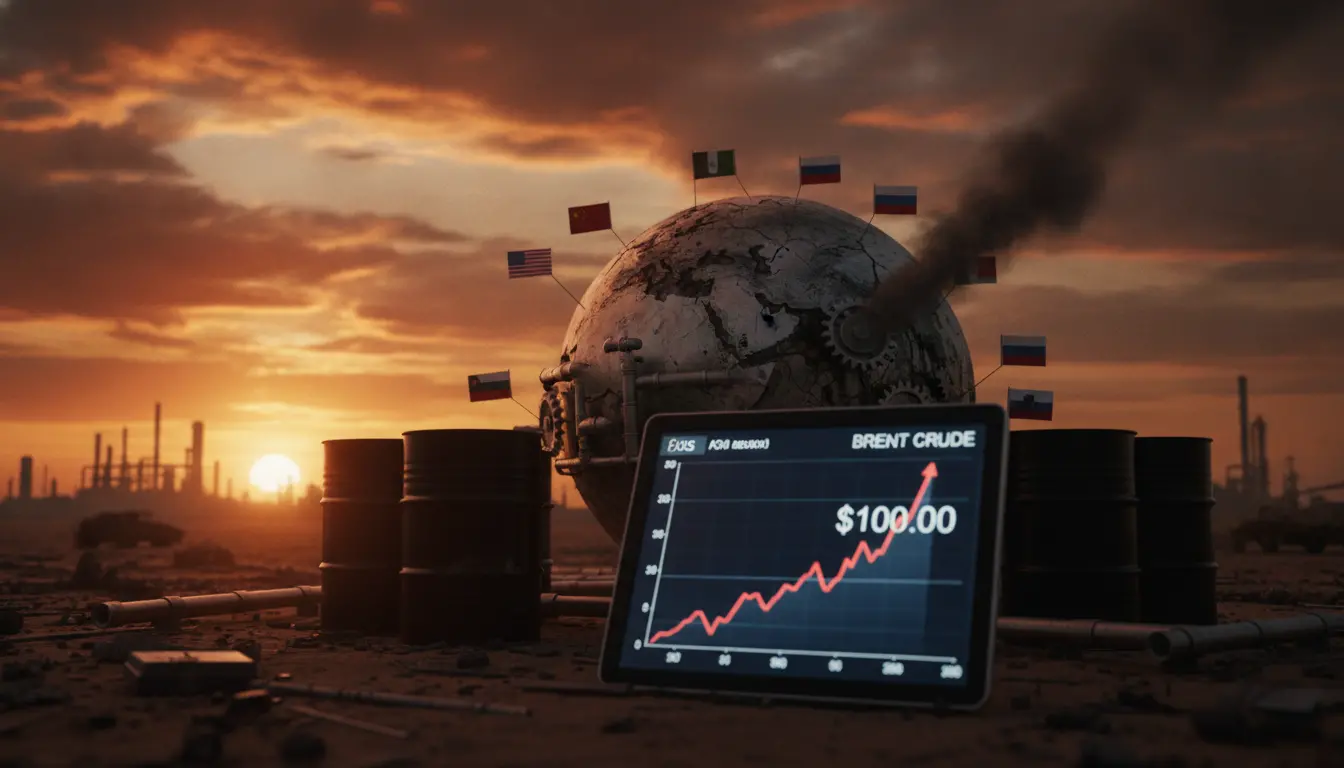
Global Energy Markets Brace for Potential $100 Brent Crude Amid Persistent Geopolitical Instability

Escalating US-Iran Tensions Threaten Global Oil Supply, Pushing Crude Prices Higher

US Weighs Sanctions Relief on Iranian Oil Amid Ongoing Diplomatic Initiatives

US and Iran Face High-Stakes Negotiations Amidst Pressures to Secure Strait of Hormuz

Washington Considers Full Reinstatement of Iran Oil Sanctions Amid Deepening Regional Tensions

Oil Climbs After Fresh Trump Threat as US-Iran Peace Talks Begin

US-Iran Diplomatic Breakthrough Boosts Oil Flow Through Critical Strait of Hormuz

Heightened Geopolitical Tensions Spark Concerns Over Potential US-Iran Conflict

Reports Indicate Potential Full Lifting of US Oil Sanctions on Iran by Late 2026