


Oil Climbs After Fresh Trump Threat as US-Iran Peace Talks Begin
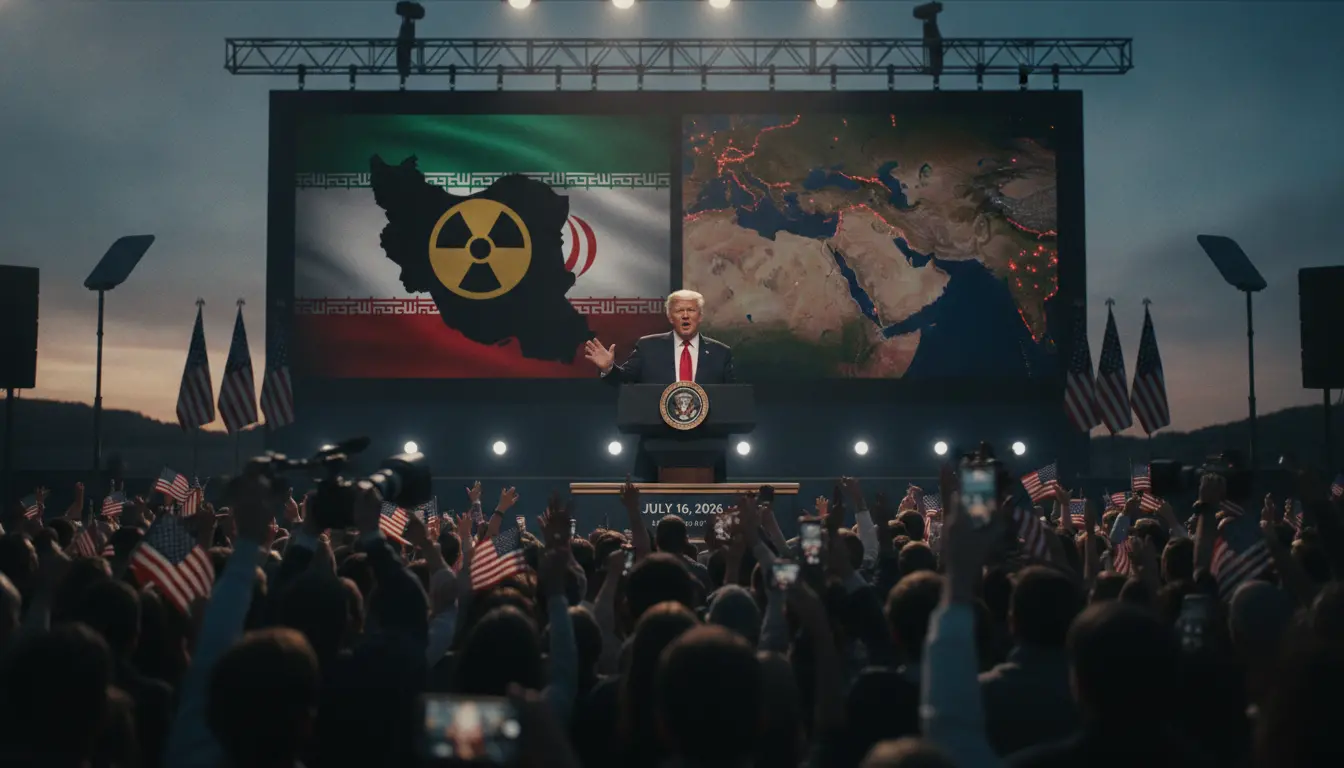
Global oil markets were jolted by a fresh wave of geopolitical anxiety on Tuesday, as prices for crude advanced following a stark warning from former President Donald Trump directed at Iran. The comments, which threatened direct U.S. strikes should Iranian-backed Hezbollah continue its attacks on Israel, injected a significant risk premium into energy prices and cast a long shadow over the fragile, ongoing peace negotiations between Washington and Tehran. The price of Brent crude, the international benchmark, ticked higher in morning trading, reflecting traders' immediate recalibration of supply-disruption risks in the volatile Middle East.
The verbal escalation arrived at a particularly delicate moment for international diplomacy. Behind the scenes, officials from the United States and Iran have been engaged in tentative, indirect talks aimed at de-escalating the broader regional tensions that have simmered for months. These discussions are seen by market analysts as a potential, albeit long-shot, pathway to stabilizing a region critical to the world’s energy supply. A successful diplomatic outcome could lead to a relaxation of sanctions and a more predictable flow of oil, whereas a breakdown risks a return to the brinkmanship that has previously sent prices soaring. Trump's intervention, however, serves as a potent reminder of the political complexities and hawkish sentiments that could derail any progress, making the path to a lasting accord fraught with uncertainty.
At the core of the market's unease is the intricate web of proxy conflicts in the Middle East. Trump's threat specifically linked U.S. military action against Iran to the activities of Hezbollah, a powerful Lebanese group with deep ties to Tehran. By drawing this direct line, the statement effectively broadens the potential triggers for a major confrontation. For oil traders, any conflict involving Iran immediately raises the specter of disruption to the Strait of Hormuz, the world’s most important oil chokepoint. Approximately one-fifth of global petroleum liquids consumption passes through this narrow waterway, and any military action in or around it could severely constrict supply, leading to a dramatic spike in global energy costs. The market’s reaction, while measured, underscores its sensitivity to any rhetoric that increases the probability of such a scenario.
Analysts are now closely scrutinizing the dual narratives shaping the energy landscape: the cautious optimism of diplomatic engagement versus the persistent drumbeat of potential conflict. The immediate price increase reflects the market's inherent bias to price in risk first and hope for peace later. The latest comments have forced investors to weigh the likelihood that escalating proxy battles could draw the major powers into a more direct and devastating confrontation. This geopolitical premium, which had softened in recent weeks amid signs of dialogue, has now been firmly re-established, with traders bracing for further volatility as they monitor both official diplomatic channels and the heated rhetoric from political figures.
Looking ahead, the trajectory of oil prices will remain inextricably linked to the day-to-day developments in US-Iran relations and the broader security situation in the Middle East. The market will be watching for any official response from Tehran or Washington to the latest threats, as well as any tangible signs of progress or regression in the ongoing peace talks. Until a more stable diplomatic foundation is established, crude oil is likely to remain highly reactive to headlines, with traders on high alert for any statement or event that could tip the delicate balance between fragile diplomacy and open conflict. For consumers and the global economy, the stakes are high, as sustained higher energy prices could fuel inflationary pressures and complicate economic recovery efforts.
Stay Informed. Act Smarter.
Get weekly highlights, major headlines, and expert insights — then put your knowledge to work in our live prediction markets.
Related News
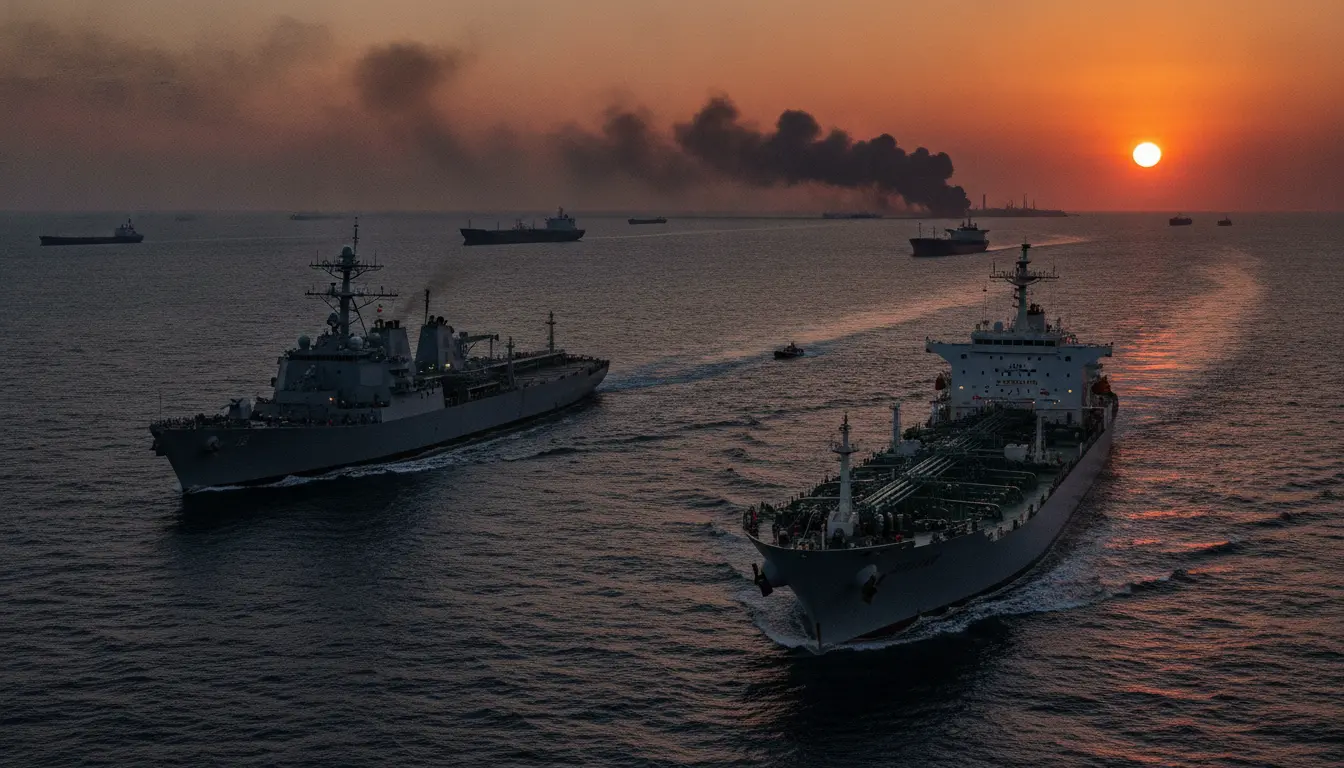
Escalating US-Iran Tensions Threaten Global Oil Supply, Pushing Crude Prices Higher

US-Iran Tensions Escalate Amid Renewed Rhetoric, Raising Specter of Direct Confrontation

Former President Trump Threatens Renewed US Military Action Against Iran Amid Escalating Regional Tensions

U.S. Considers Strategic Military Options Amid Heightened Tensions in Strait of Hormuz
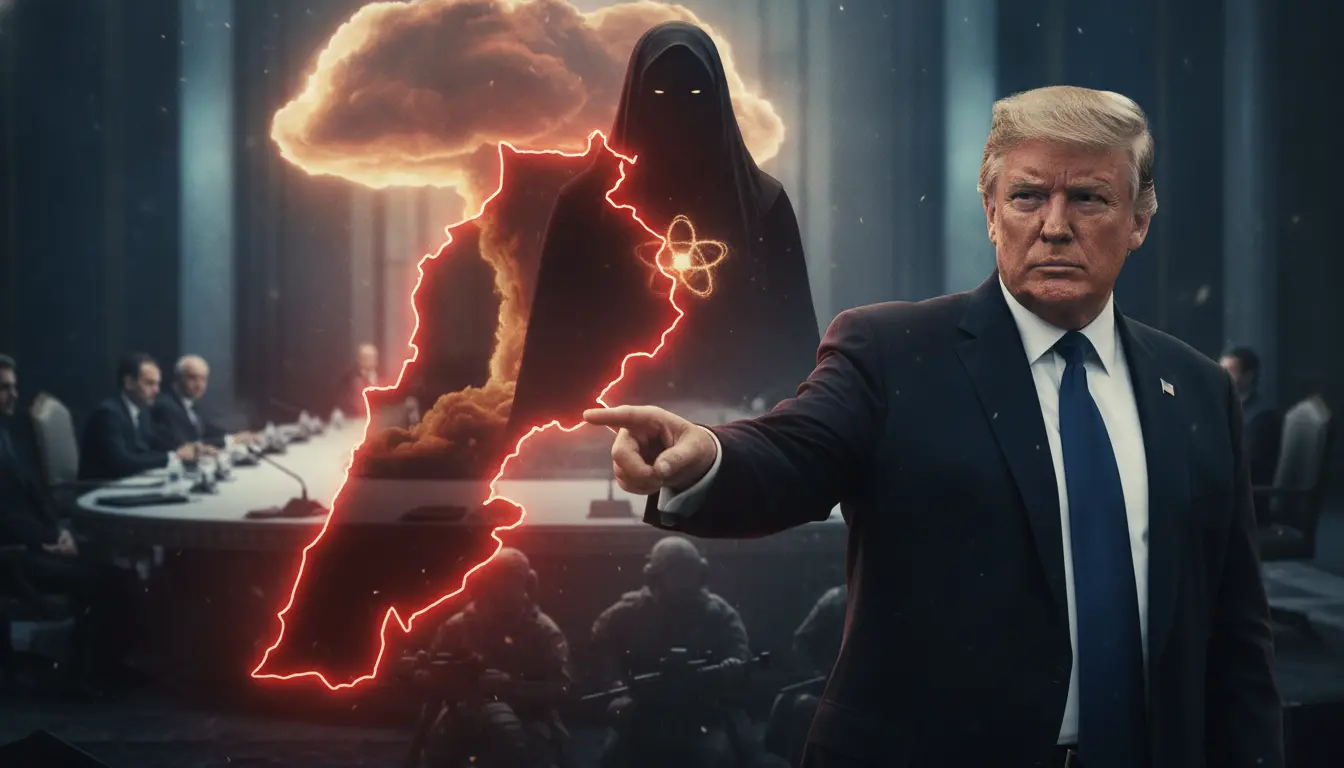
Trump threatens Iran on Lebanon amid nuclear talks
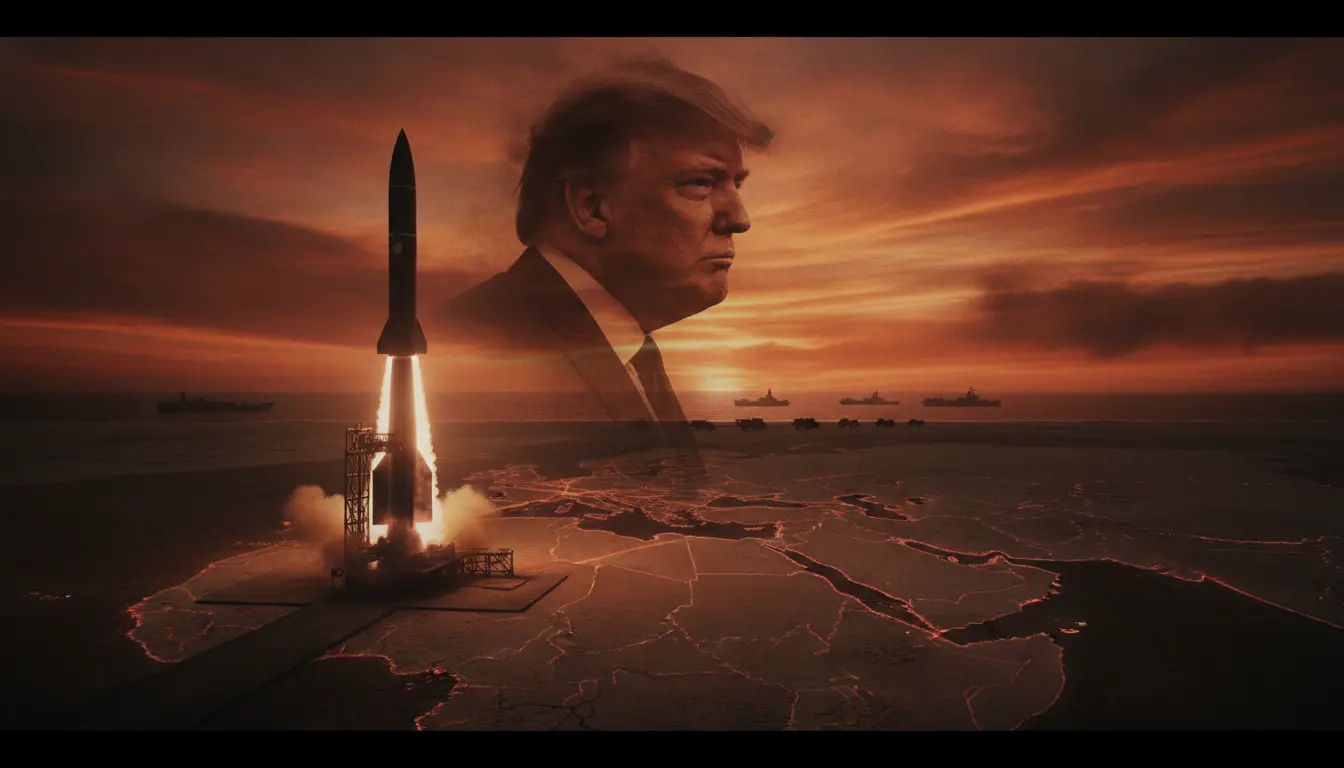
Trump's 'Massive Attack' Rhetoric on Iran Stokes Fears of Renewed Middle East Conflict
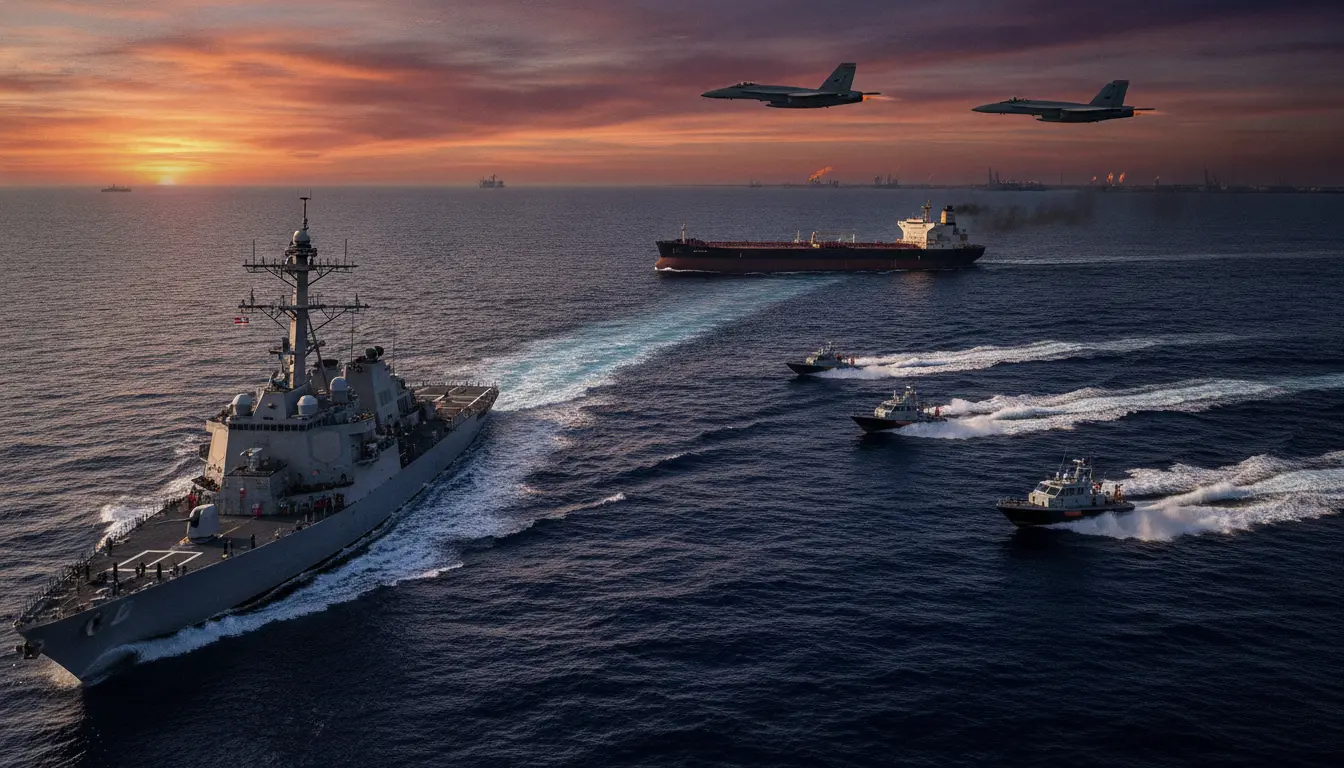
US-Iran Tensions Soar Amid Escalating Strikes and Maritime Incidents in Gulf
President Trump Poised to Announce New Iran Sanctions Amid Escalating Regional Tensions

Middle East Unrest Casts Shadow Over Strait of Hormuz Oil Transit Security

US-Iran Tensions Escalate, Jeopardizing Global Shipping Through Strait of Hormuz