

- News
- Finance
- Houthi Rebels Declare 'Maritime Embargo' on Saudi Arabia, Raising Specter of Widespread Oil Disruption

Houthi Rebels Declare 'Maritime Embargo' on Saudi Arabia, Raising Specter of Widespread Oil Disruption
Yemen's Houthi rebels have dramatically escalated their campaign of maritime attacks, announcing a 'maritime embargo' targeting Saudi Arabia in a move that threatens to severely disrupt one of the world's most critical energy arteries. This declaration marks a significant strategic shift from the group's previous targeting of Israel-linked vessels, now placing a major OPEC producer squarely in their sights. The announcement, broadcast through Houthi-controlled media, has sent shockwaves through global energy and security circles, raising the alarming prospect of a direct confrontation that could choke a vital chokepoint for international oil trade and trigger a new surge in global energy prices.
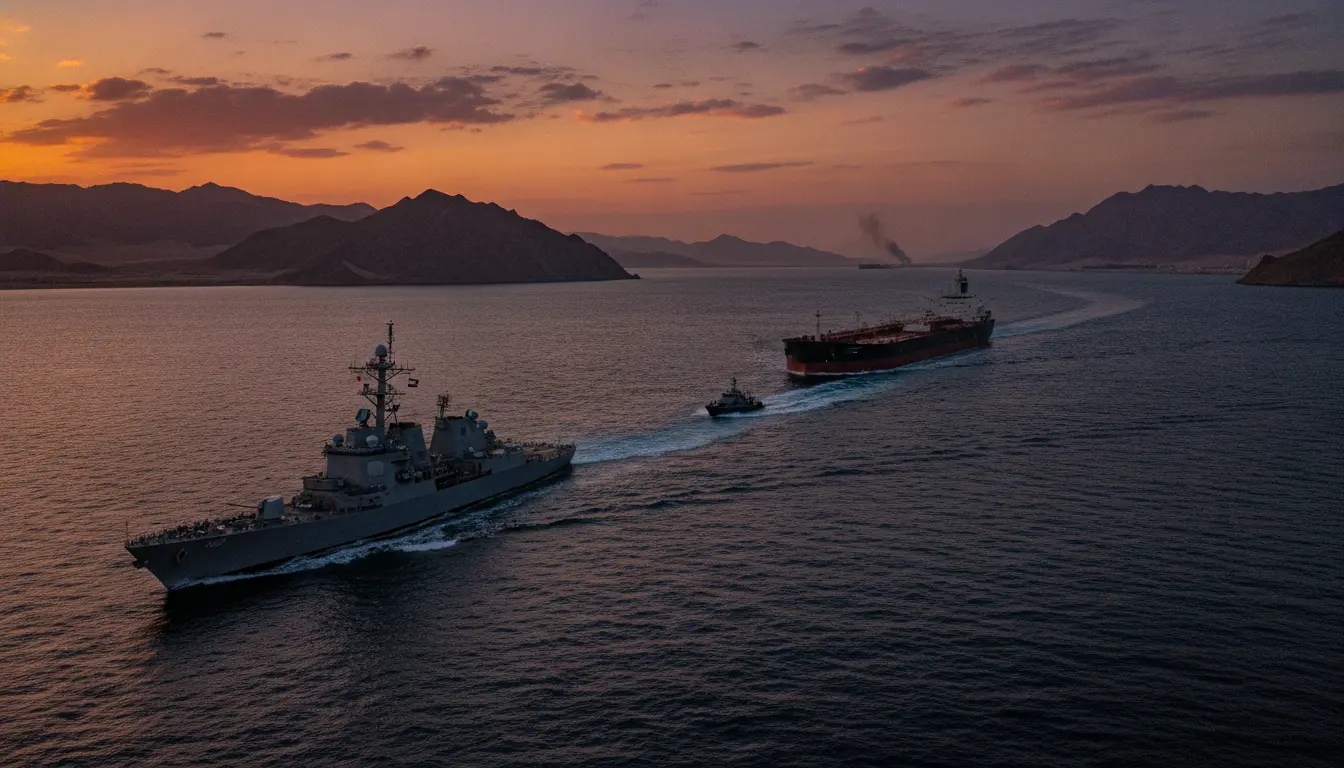
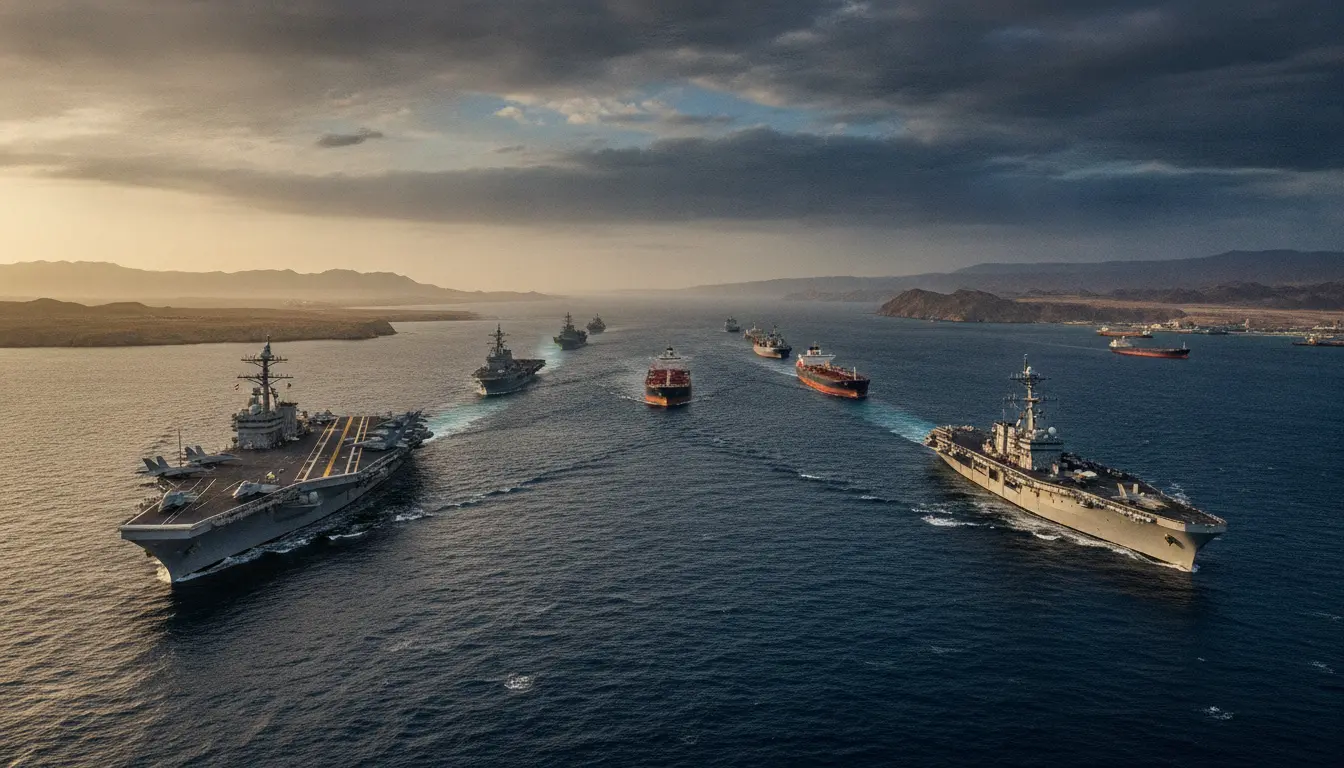
The new threat directly targets ships associated with Saudi Arabia transiting the Red Sea and the Gulf of Aden, a waterway through which a substantial portion of the kingdom's crude oil exports travel to European markets. For months, the Iran-backed Houthis have demonstrated their capability to strike commercial and naval vessels using a combination of drones, anti-ship ballistic missiles, and naval mines. Despite an international naval task force led by the United States and retaliatory airstrikes on Houthi positions, the group has proven resilient and undeterred, continuing its attacks and now expanding its list of targets to include a regional rival with whom it has been engaged in a fragile, undeclared truce.
This move fundamentally alters the geopolitical calculus in the Middle East. It places immense pressure on Riyadh, which has been actively pursuing a diplomatic exit from its near-decade-long intervention in Yemen's civil war. The embargo is seen by analysts as a Houthi attempt to gain leverage in ongoing peace negotiations and to force concessions from the Saudi government. It also tests the limits of the recent China-brokered diplomatic rapprochement between Saudi Arabia and Iran. Observers are now closely watching for Tehran's reaction and whether it will restrain its Yemeni allies or tacitly endorse this dangerous new phase of the conflict, which directly endangers the economic stability of its new diplomatic partner.
The potential economic consequences are immense. Saudi Arabia is the world's largest oil exporter, shipping millions of barrels per day through the Bab el-Mandeb strait at the mouth of the Red Sea. A sustained and successful blockade could remove a significant volume of crude from the market, with ripple effects on global supply chains, inflation, and economic growth. While a full-scale physical blockade is difficult to enforce, the threat alone is enough to cause significant disruption. Shipping insurance premiums for the region are expected to skyrocket, and major tanker operators may be forced to reroute vessels around the Cape of Good Hope in Africa, a far longer and more expensive journey that would tie up tanker capacity and add substantial costs to every barrel delivered.
Energy market analysts are now modeling worst-case scenarios that were previously considered remote possibilities. While the immediate impact on Brent crude futures may be contained pending a direct attack on a Saudi-flagged tanker, the risk premium is now undeniably higher. The announcement forces energy traders and policymakers to confront the vulnerability of global energy infrastructure. The Houthis have signaled their intent and proven their capabilities; the key uncertainty is the scale and intensity of their forthcoming actions. A single successful strike on a supertanker could not only cause an environmental disaster but could also halt traffic through the strait and send oil prices to levels not seen in over a decade.
The international community faces a daunting challenge in responding to this escalation. The existing military posture in the Red Sea has failed to secure the waterway, and a more direct and sustained military campaign against the Houthis carries the risk of igniting a wider regional war. For Saudi Arabia, the options range from intensifying defensive naval patrols to launching a new offensive in Yemen, a move that would unravel years of painstaking diplomatic work. As the world watches, the stability of the global economy now hinges on the volatile dynamics within a narrow strait of water off the coast of a war-torn nation.
Stay Informed. Act Smarter.
Get weekly highlights, major headlines, and expert insights — then put your knowledge to work in our live prediction markets.
Related News
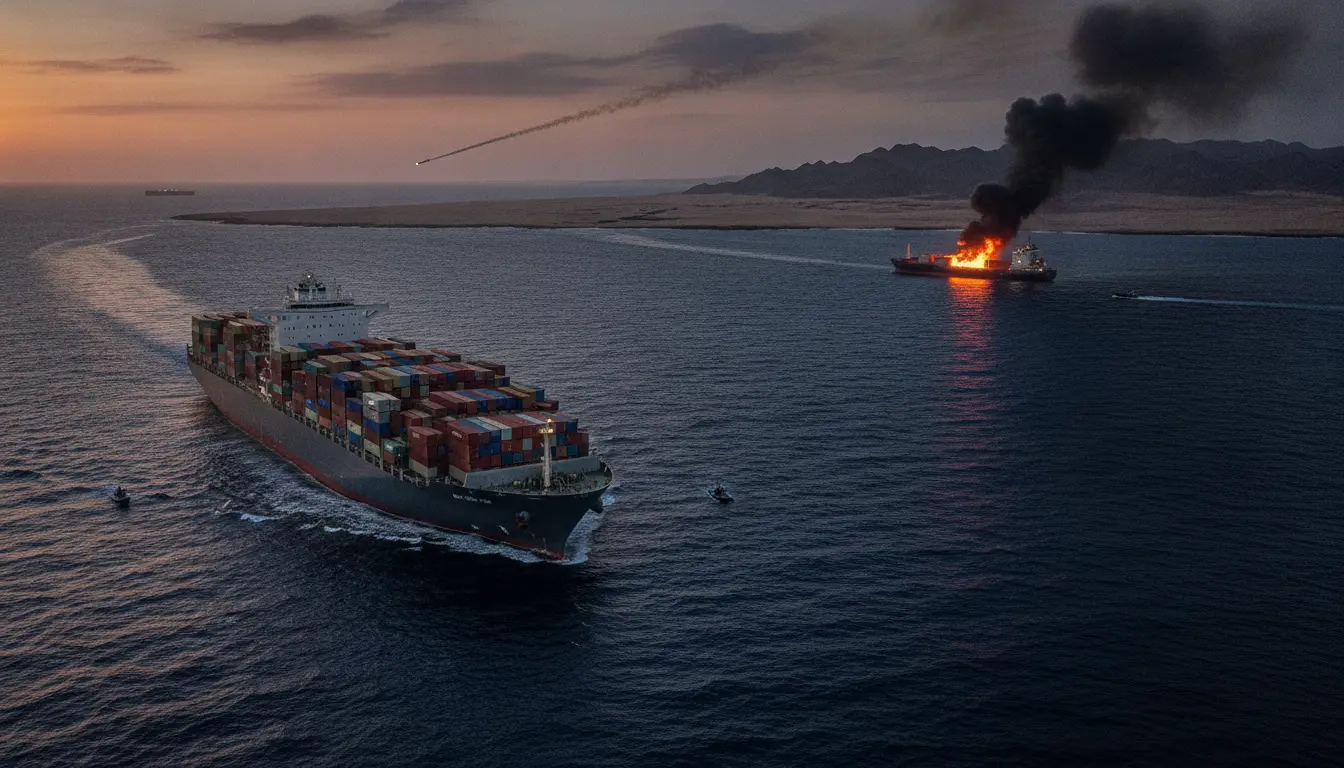
Mounting Houthi Maritime Attacks Pose Persistent Threat to Red Sea Shipping

Global Shipping on High Alert as Military Tensions Simmer in Strait of Hormuz

Strait of Hormuz Security Remains Precarious Amid Escalating Regional Tensions
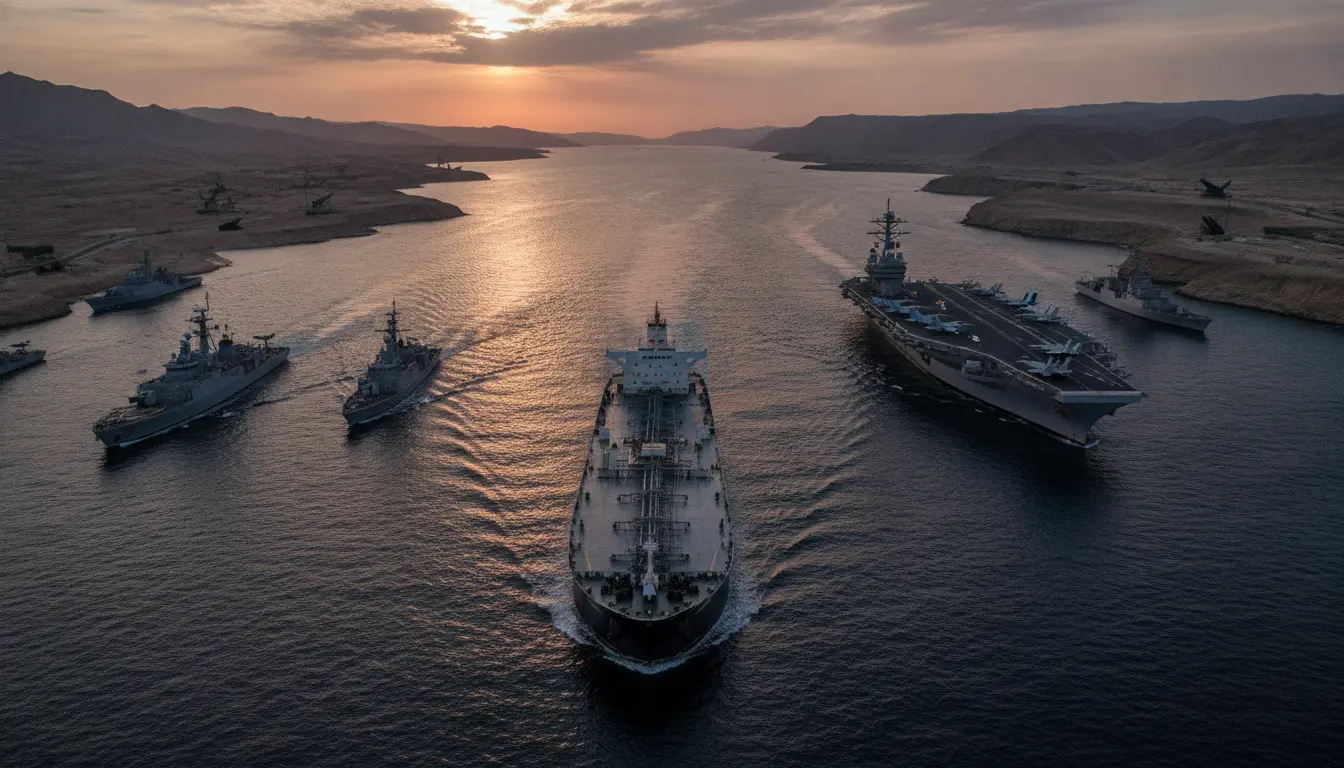
Geopolitical Alarm Rings as US-Iran Standoff Threatens Strait of Hormuz Shipping
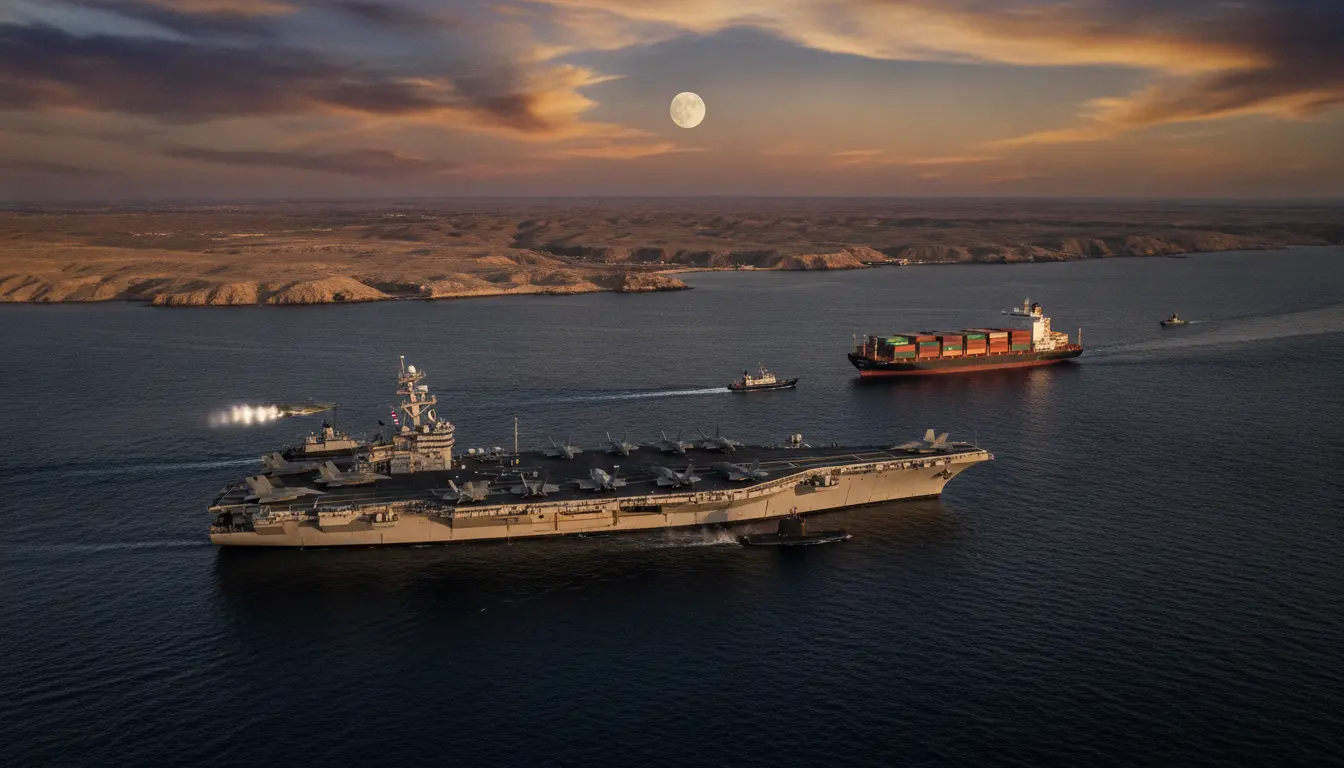
US Issues Ultimatum to Iran on Strait of Hormuz Shipping Amid Renewed Hostilities
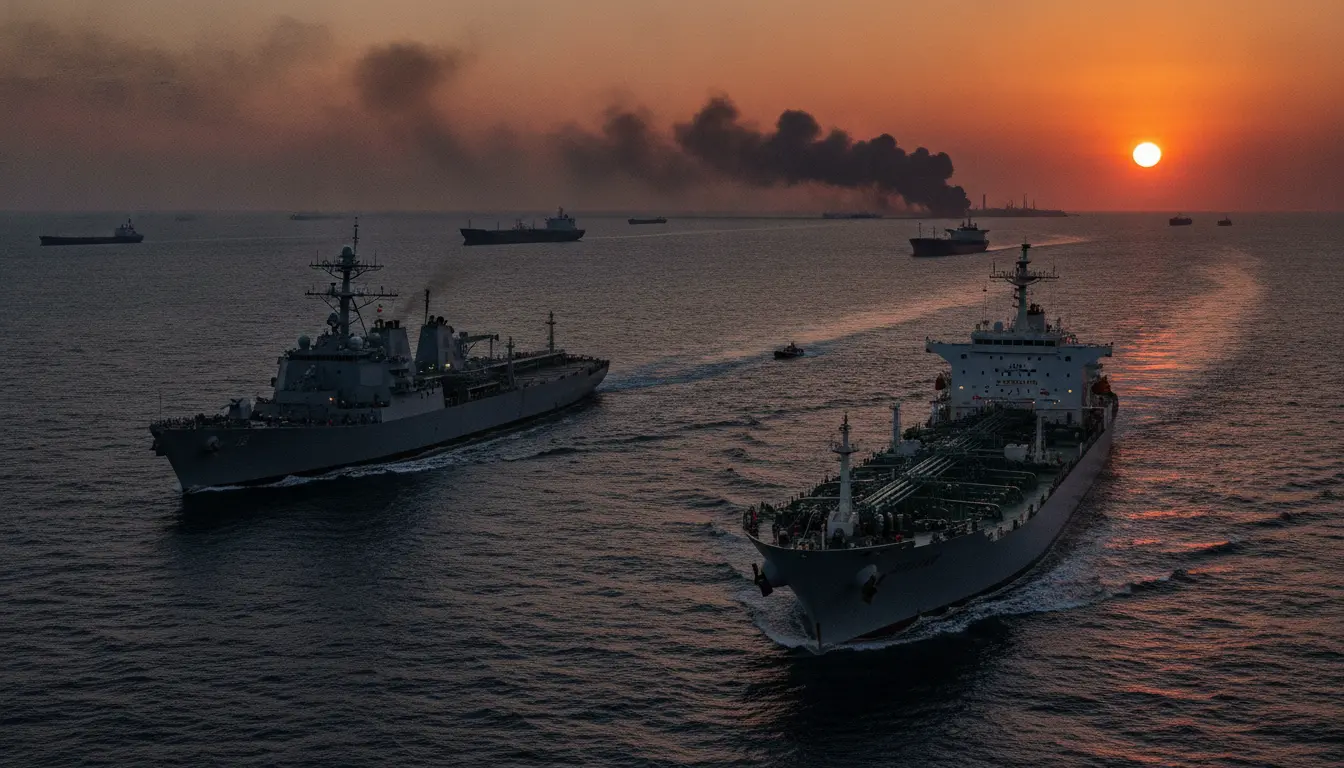
Escalating US-Iran Tensions Threaten Global Oil Supply, Pushing Crude Prices Higher
Strait of Hormuz Faces Heightened Tensions as Maritime Incidents Recur
U.S. Considers Naval Blockade in Strait of Hormuz Amid Escalating Tensions with Iran

Washington Considers Full Reinstatement of Iran Oil Sanctions Amid Deepening Regional Tensions

US-Iran Tensions Escalate, Jeopardizing Global Shipping Through Strait of Hormuz