

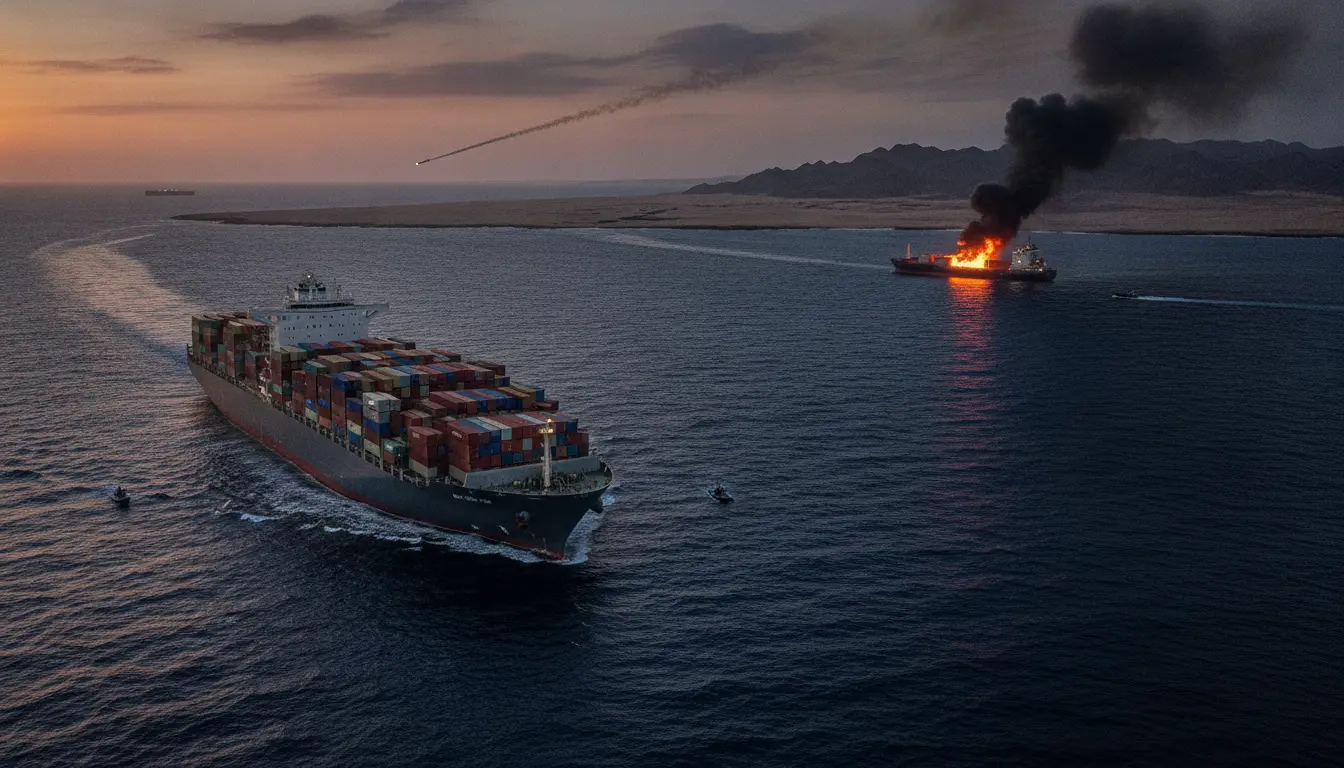
Mounting Houthi Maritime Attacks Pose Persistent Threat to Red Sea Shipping
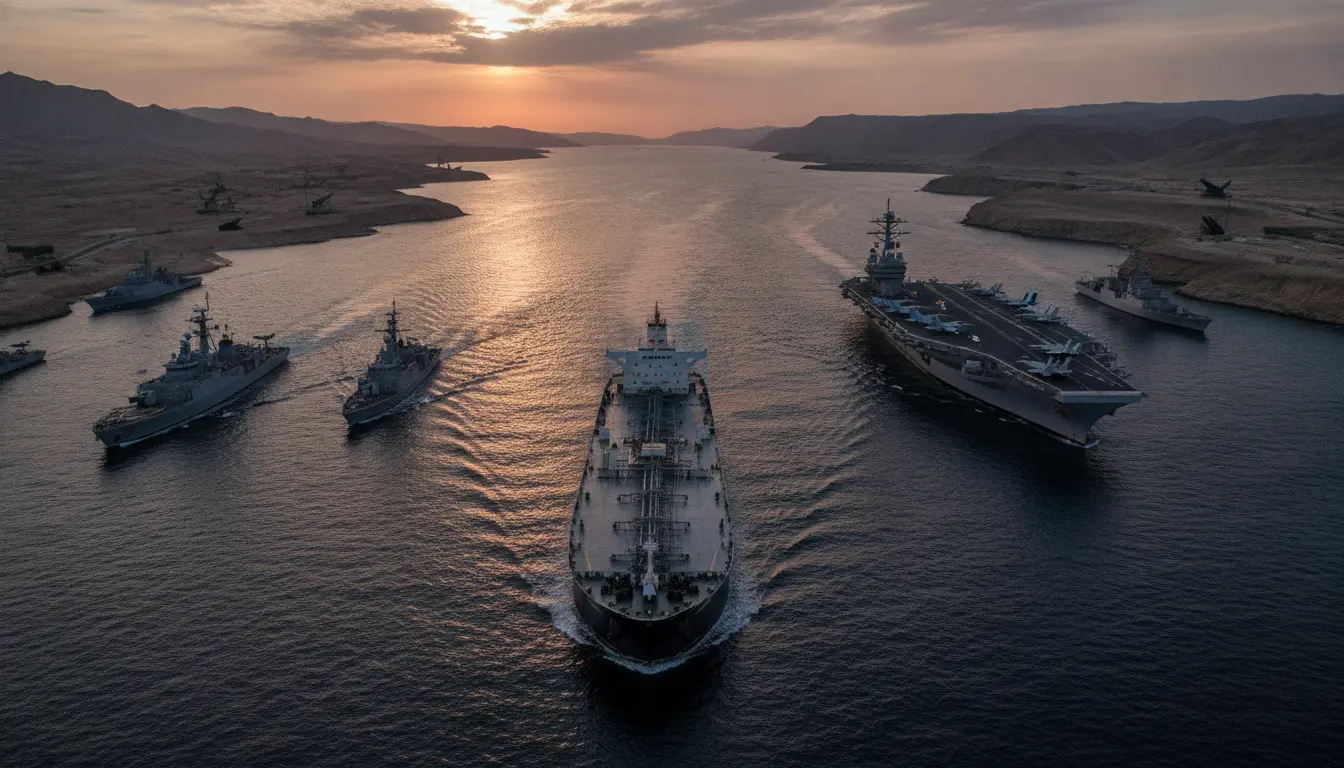
Yemen's Houthi rebels have continued to escalate their campaign of maritime assaults in the vital Red Sea waterway, posing a sustained and growing threat to international commercial shipping. These aggressive actions, characterized by the deployment of drones, ballistic missiles, and anti-ship cruise missiles, have severely disrupted one of the world's most critical maritime arteries. The attacks have forced numerous shipping companies to reroute vessels around Africa, leading to significantly increased transit times and freight costs, and creating a substantial challenge for global trade and geopolitical stability in the Middle East.
Since late 2023, the Houthis, formally known as Ansar Allah, have launched dozens of attacks on commercial vessels, claiming these actions are in solidarity with Palestinians amid the ongoing conflict in Gaza. The Iran-backed group, which controls much of northern Yemen, including the capital Sana'a and the key port of Hodeidah, has declared that all vessels linked to Israel, the United States, or the United Kingdom are legitimate targets. This stance has transformed the Red Sea, a narrow choke point connecting the Suez Canal to the Gulf of Aden, into a dangerous war zone, raising fears of a broader regional conflagration and further destabilizing a region already fraught with tension.
The Houthis' capabilities have proven more robust and resilient than initially anticipated by some international observers. Their arsenal, reportedly enhanced through years of conflict and external support, includes sophisticated anti-ship missiles capable of striking targets hundreds of miles offshore, as well as an array of unmanned aerial vehicles (UAVs). While many projectiles have been intercepted by naval forces, the sheer volume and persistence of the attacks underscore the group's determination and operational reach. The targeting has been indiscriminate at times, affecting ships with tenuous or no direct links to the declared adversaries, further highlighting the peril to all commercial traffic in the region.
In response to the escalating threat, a multinational naval coalition, led primarily by the United States and the United Kingdom, has been formed under Operation Prosperity Guardian. This initiative aims to protect shipping and deter Houthi aggression through enhanced naval presence and defensive measures. Additionally, the US and UK, with support from other allies, have conducted multiple rounds of retaliatory strikes against Houthi military infrastructure within Yemen. These strikes have targeted missile launchers, drone storage facilities, and radar sites in an effort to degrade the rebels' ability to launch further attacks. However, despite these military interventions, the Houthis have vowed to continue their campaign, demonstrating a high tolerance for risk and an apparent lack of deterrence.
The economic ramifications of the Red Sea crisis are substantial. The rerouting of vessels around the Cape of Good Hope adds thousands of miles to voyages between Asia and Europe, extending travel times by weeks and consuming significantly more fuel. This has translated into higher shipping insurance premiums, increased operational costs for carriers, and ultimately, higher prices for consumers on a wide range of goods. Supply chains, still recovering from pandemic-era disruptions, face renewed strain, impacting industries from automotive manufacturing to retail. Moreover, regional economies reliant on Red Sea maritime trade, such as Egypt with its Suez Canal revenues, are feeling the pinch.
Beyond economics, the situation carries grave geopolitical risks. The Red Sea crisis risks further entangling global powers in the Yemeni civil war, which has already claimed hundreds of thousands of lives and caused one of the world's worst humanitarian disasters. The direct military engagement with the Houthis also risks drawing Iran more directly into a confrontation, potentially escalating tensions across the entire Middle East. The long-term challenge lies in finding a durable solution that addresses the Houthis' grievances and capabilities without further destabilizing the already fragile regional security architecture. The international community grapples with the difficult task of restoring freedom of navigation while navigating the complex web of regional rivalries and internal conflicts that fuel the current crisis.
With no immediate end to the Houthi campaign in sight and sustained international efforts proving difficult to fully mitigate the threat, the Red Sea remains a flashpoint of significant global concern. The implications for maritime security, international trade, and the broader regional balance of power are profound, underscoring the urgent need for both diplomatic and security solutions to de-escalate the volatile situation.
Stay Informed. Act Smarter.
Get weekly highlights, major headlines, and expert insights — then put your knowledge to work in our live prediction markets.
Related News
Strait of Hormuz Security Remains Precarious Amid Escalating Regional Tensions
Houthi Rebels Declare 'Maritime Embargo' on Saudi Arabia, Raising Specter of Widespread Oil Disruption
Global Shipping on High Alert as Military Tensions Simmer in Strait of Hormuz
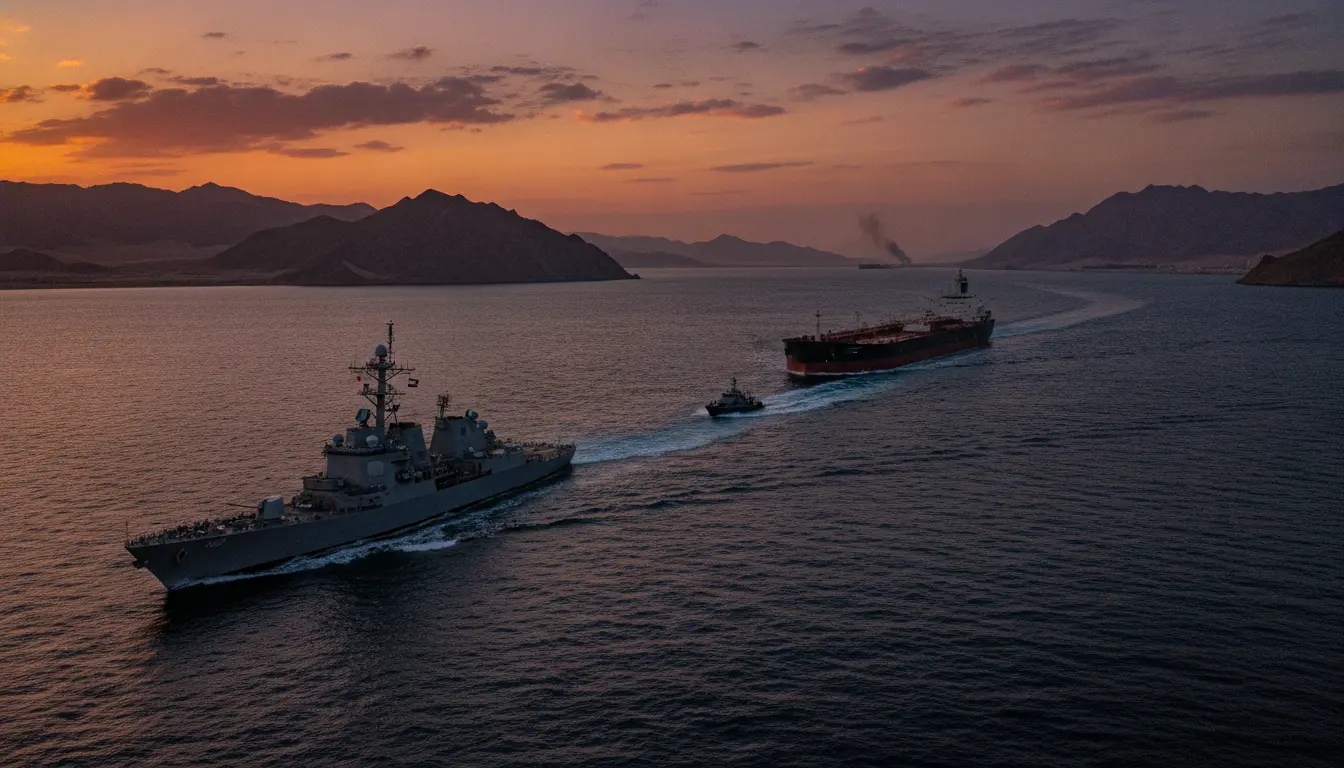
Strait of Hormuz Faces Heightened Tensions as Maritime Incidents Recur
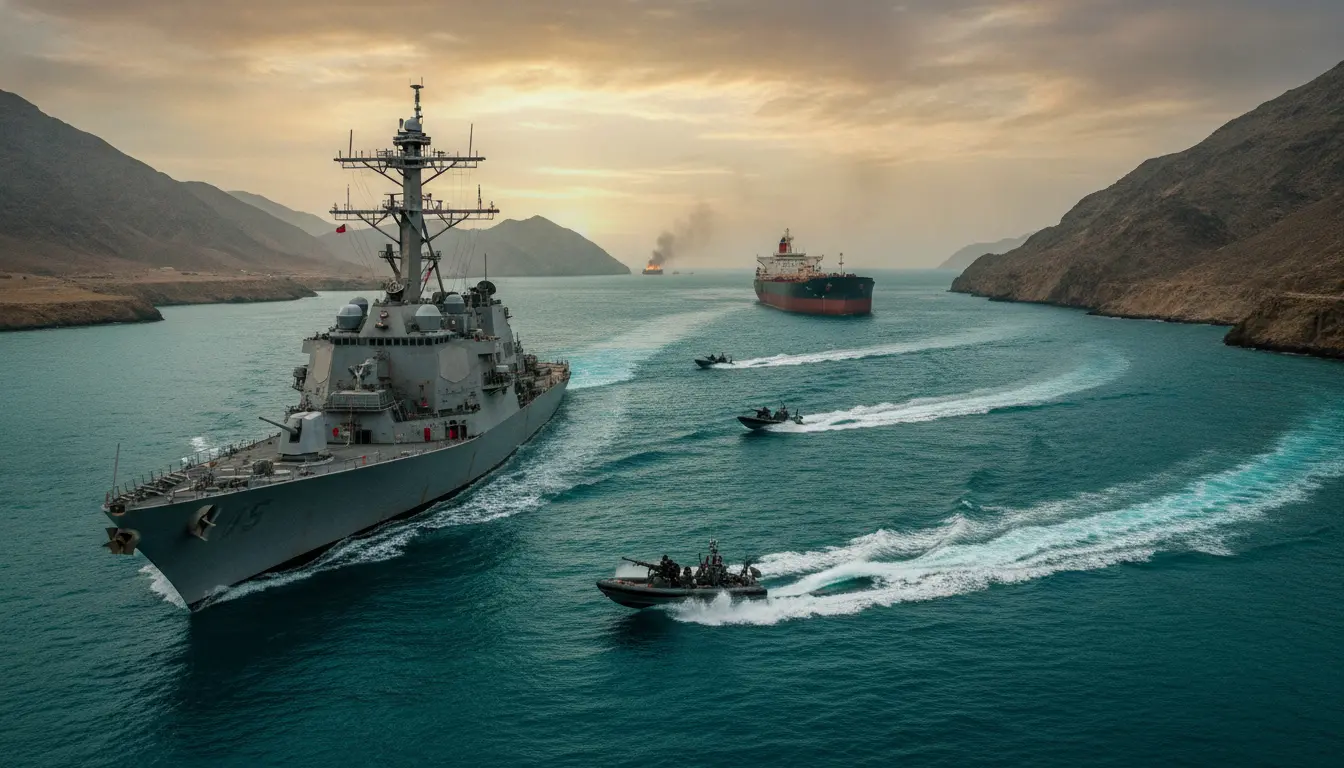
Strait of Hormuz Faces Heightened Security Risks Amid Escalating Iranian Maritime Actions
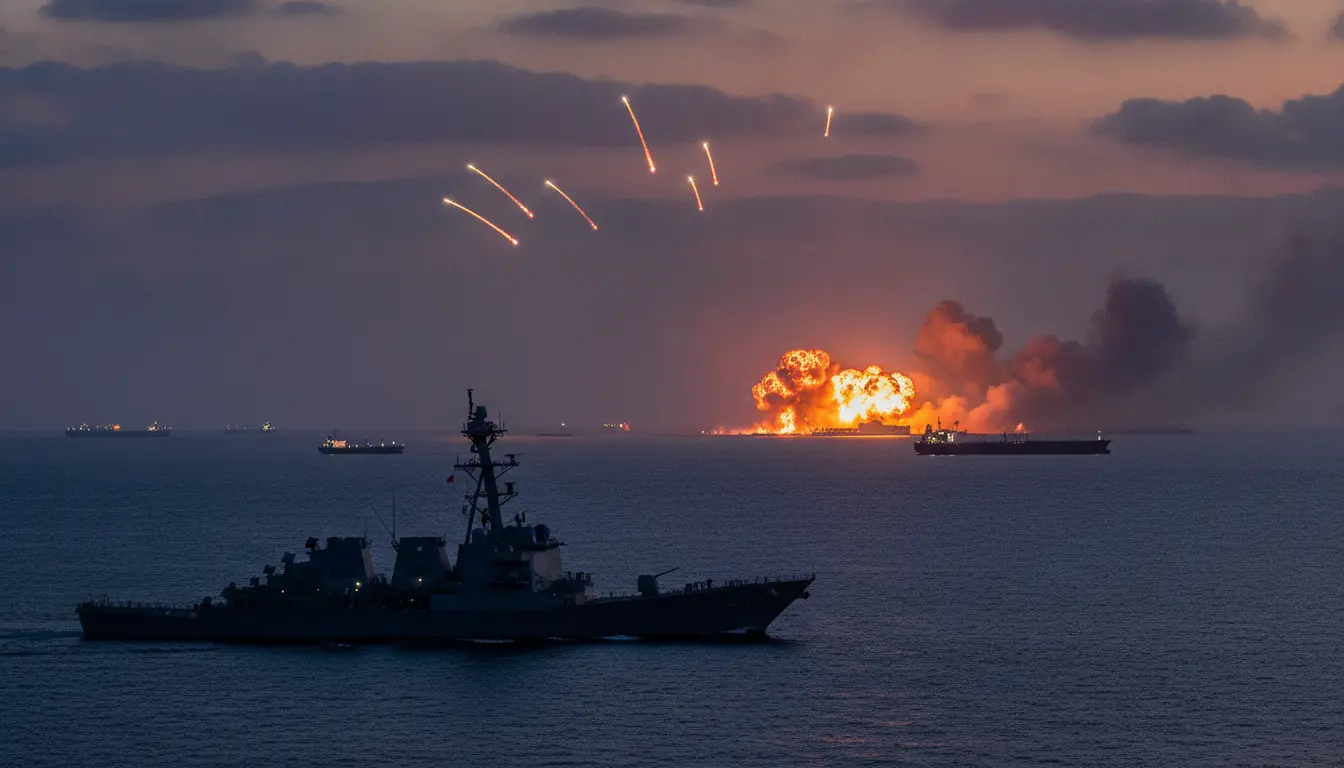
US Military Targets Iranian-Linked Sites Amid Escalating Gulf Shipping Tensions
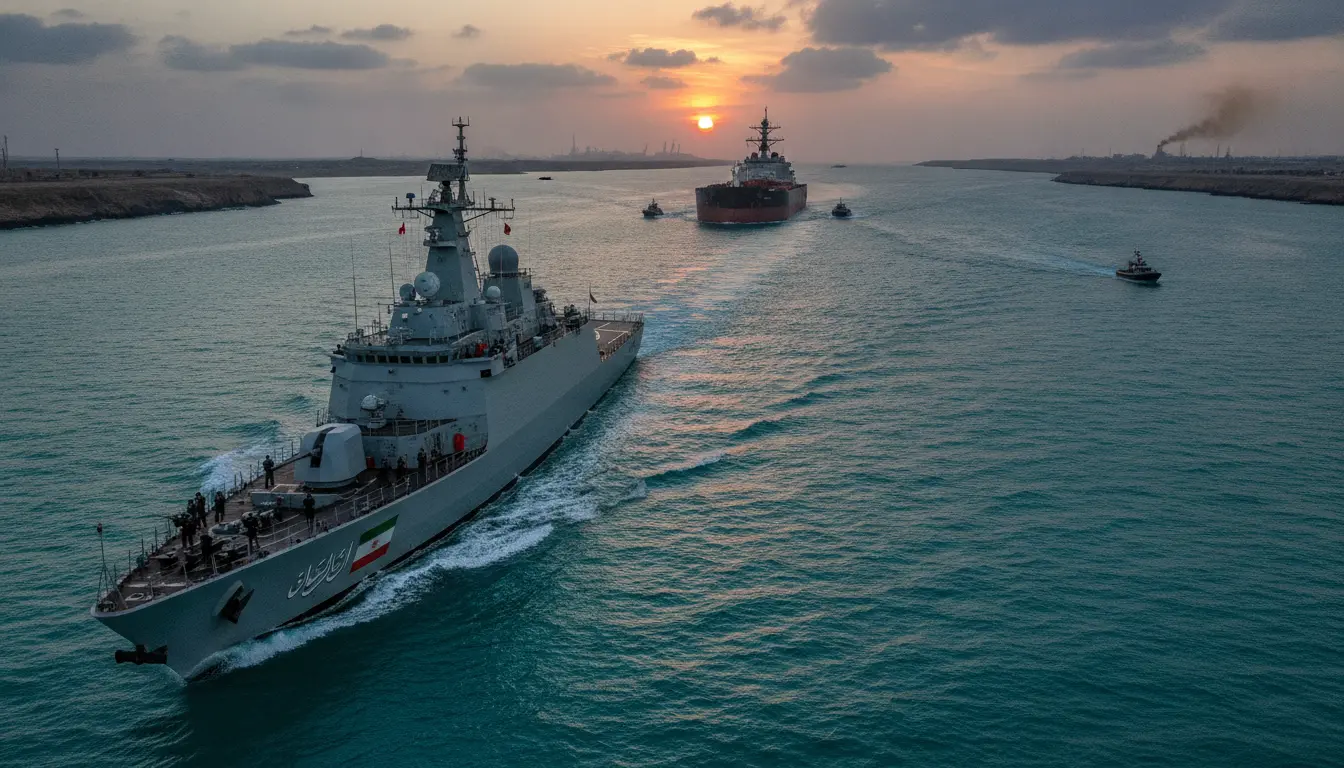
Iran's Maritime Actions Stoke Tensions in Crucial Strait of Hormuz
Geopolitical Alarm Rings as US-Iran Standoff Threatens Strait of Hormuz Shipping

Escalating US-Iran Tensions Stoke Fears of Formal Conflict Declaration

Washington Weighs Escalation Amid Persistent Iranian-Backed Aggression in Middle East