


Escalating Middle East Tensions Point to Sustained Upward Pressure on Brent Crude Prices
Global energy markets are grappling with mounting uncertainty as geopolitical tensions in the Middle East intensify, driving a persistent upward trajectory for Brent Crude oil prices. The strategic importance of the region, coupled with current flashpoints, has led analysts to project a sustained period of elevated oil costs, with some forecasts suggesting the benchmark could surpass $95 per barrel in the long term, reshaping economic outlooks worldwide.
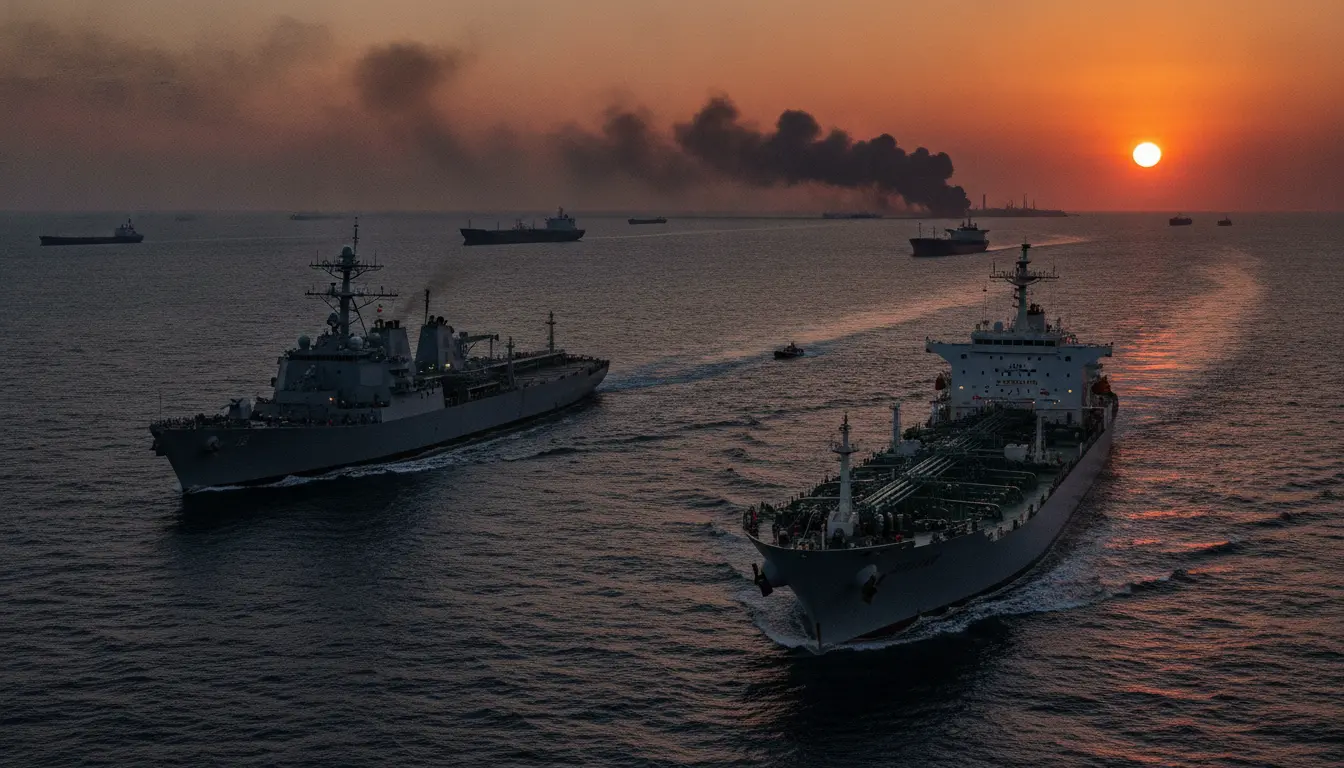
The volatile situation is primarily centered around critical maritime routes, most notably the Strait of Hormuz. This narrow waterway, a vital chokepoint at the mouth of the Persian Gulf, facilitates the passage of roughly a fifth of the world's total petroleum liquids consumption. Recent actions by various actors, including drone and missile attacks on shipping in the Red Sea and Gulf of Aden, have underscored the region's fragility, raising fears of broader disruptions to global energy supplies. While these incidents have already impacted shipping costs and transit times, the latent threat of a more direct confrontation or blockade in the Strait of Hormuz itself remains a paramount concern for energy security.
Beyond the immediate threats to shipping, the broader geopolitical landscape in the Middle East contributes significantly to the pricing pressure. The enduring shadow of the Israeli-Hamas conflict, along with the complex interplay of regional powers and proxy forces, creates an environment ripe for miscalculation. Iran's naval activities and its influence over key non-state actors are closely watched by oil market participants, as any perceived escalation involving the Islamic Republic could directly threaten the stability of oil flows through the Persian Gulf. Such an eventuality would not only create immediate supply shocks but also inject a deep level of systemic risk into long-term energy planning.
Supply-side fundamentals also play a crucial role in supporting higher prices. OPEC+ nations, led by Saudi Arabia and Russia, have largely maintained a strategy of managed supply, aiming to stabilize the market and support prices. While global oil demand has shown resilience, particularly in emerging economies, the spare production capacity among major producers remains relatively tight. This delicate balance means that even minor supply disruptions, whether from geopolitical events or unexpected operational issues, can have an outsized impact on prices, pushing them further north.
Moreover, the economic implications of sustained high oil prices are far-reaching. For importing nations, particularly those in Europe and Asia, elevated energy costs translate directly into higher inflation, impacting consumer purchasing power and industrial production. Central banks, already battling persistent inflationary pressures, could face renewed challenges, potentially influencing interest rate decisions and broader monetary policy. Businesses reliant on transportation and energy-intensive processes would see their operating costs increase, potentially squeezing profit margins and dampening investment.
Looking ahead, the trajectory of Brent Crude will largely depend on a complex interplay of geopolitical de-escalation, global economic performance, and the production strategies of major oil exporters. While long-term trends point towards a gradual transition to renewable energy sources, the world's immediate and medium-term reliance on fossil fuels means that Middle Eastern stability will continue to be a dominant factor. The $95 per barrel threshold represents not just a numerical value but a significant economic benchmark, signaling a period of considerable cost for consumers and a potential recalibration of global economic growth expectations if current tensions persist or worsen.
Stay Informed. Act Smarter.
Get weekly highlights, major headlines, and expert insights — then put your knowledge to work in our live prediction markets.
Related News

Global Energy Markets Brace for Potential $100 Brent Crude Amid Persistent Geopolitical Instability

Global Oil Markets Brace for Sustained Volatility as Geopolitical Tensions, US-Iran Talks Shape Brent Crude Outlook
Escalating US-Iran Tensions Threaten Global Oil Supply, Pushing Crude Prices Higher

Global Shipping on High Alert as Military Tensions Simmer in Strait of Hormuz

Strait of Hormuz Faces Heightened Tensions as Maritime Incidents Recur

US-Iran Tensions Escalate, Jeopardizing Global Shipping Through Strait of Hormuz

Geopolitical Alarm Rings as US-Iran Standoff Threatens Strait of Hormuz Shipping

Strait of Hormuz Security Remains Precarious Amid Escalating Regional Tensions

Middle East Unrest Casts Shadow Over Strait of Hormuz Oil Transit Security

Houthi Rebels Declare 'Maritime Embargo' on Saudi Arabia, Raising Specter of Widespread Oil Disruption