


Reports Indicate Potential Full Lifting of US Oil Sanctions on Iran by Late 2026
Reports emerging from diplomatic circles suggest a potential breakthrough in US-Iran relations, with indications pointing to a comprehensive deal that could see all American oil sanctions on Tehran fully lifted by September 17, 2026. This development, if confirmed and fully implemented, would mark a significant shift in the longstanding geopolitical standoff between the two nations, holding profound implications for global energy markets, regional stability, and the future of Iran's economy. The proposed timeline for complete implementation underscores the intricate and phased nature of such a diplomatic arrangement, requiring sustained commitment and intricate verification mechanisms from all parties involved.
For decades, US sanctions, particularly those targeting Iran’s crucial oil sector, have been a cornerstone of American foreign policy aimed at curtailing Tehran's nuclear program and its alleged destabilizing activities in the Middle East. Following the 1979 Islamic Revolution, various rounds of sanctions were imposed, but they intensified dramatically after the US withdrawal from the Joint Comprehensive Plan of Action (JCPOA), or Iran nuclear deal, in 2018. These punitive measures have severely crippled Iran's economy, drastically cutting its oil exports—a primary source of national revenue—and isolating it from the international financial system. The economic pressure has been immense, leading to inflation, currency depreciation, and widespread public discontent within Iran, while simultaneously removing significant volumes of Iranian crude from the global market.
The current wave of reported negotiations comes amidst a complex global landscape. For Iran, an end to sanctions promises a lifeline, allowing it to boost oil production and exports, attract much-needed foreign investment, and alleviate the severe economic hardship faced by its populace. For the United States, such a deal could be seen as a pathway to de-escalate tensions in a volatile region, potentially influence global oil prices, and re-engage with Tehran on a more stable footing, albeit with deep-seated mistrust still prevalent. While the exact details of the purported deal remain opaque, sources suggest it encompasses reciprocal concessions, with the lifting of oil sanctions serving as a primary economic incentive for Iran to adhere to certain diplomatic undertakings.
The prospect of fully lifting all US oil sanctions by late 2026 presents formidable challenges. Beyond the initial agreement, the implementation phase will require meticulous monitoring to ensure compliance, a task made difficult by the historical lack of trust. Key stakeholders, including powerful hardline factions within Iran and skeptical members of Congress in the United States, could pose significant obstacles to the deal's longevity. Regional rivals, notably Israel and Saudi Arabia, have also consistently expressed apprehension about any agreement that might ease pressure on Iran, fearing it could empower Tehran and embolden its proxies across the Middle East. Navigating these internal and external pressures will be critical for the durability of any accord.
Should the sanctions indeed be fully rescinded, the economic ramifications for Iran would be transformative. The country possesses the world's fourth-largest proven crude oil reserves and the second-largest natural gas reserves. Re-entering the global oil market at full capacity could inject billions of dollars into its economy annually, facilitating reconstruction, infrastructure development, and a potential improvement in living standards. For the international market, the return of millions of barrels per day of Iranian crude would likely impact global supply and prices, potentially easing inflationary pressures in an era of heightened energy demand. However, the path to full market reintegration is not immediate and would require substantial investment in Iran's aging oil infrastructure.
The diplomatic reports highlight a critical juncture in US-Iran relations, presenting a fragile opportunity for a calibrated re-engagement. The specified timeline suggests a phased approach to de-escalation and economic re-integration, acknowledging the immense complexities involved. While the full lifting of oil sanctions could unlock significant economic potential for Iran and reshape the dynamics of global energy supply, the success of such an ambitious undertaking will hinge on unwavering political will, robust verification mechanisms, and the ability of both nations to navigate profound domestic and international opposition in the coming years. The stakes are undeniably high, with potential outcomes ranging from a new era of détente to renewed regional instability if the fragile equilibrium is disturbed.
Stay Informed. Act Smarter.
Get weekly highlights, major headlines, and expert insights — then put your knowledge to work in our live prediction markets.
Related News

US Weighs Sanctions Relief on Iranian Oil Amid Ongoing Diplomatic Initiatives

Tentative 14-Point US-Iran Memorandum on De-escalation and Sanctions Relief Reportedly Under Discussion

Prospects for Significant U.S. Sanctions Relief on Iran Under Scrutiny

US-Iran Diplomatic Breakthrough Boosts Oil Flow Through Critical Strait of Hormuz

Washington Considers Full Reinstatement of Iran Oil Sanctions Amid Deepening Regional Tensions

US and Iran Face High-Stakes Negotiations Amidst Pressures to Secure Strait of Hormuz

Prospects for a Permanent US-Iran Peace Deal by 2026 Face Formidable Diplomatic Hurdles

US and Iran Engage in Critical Swiss Talks Amidst Strait of Hormuz Tensions
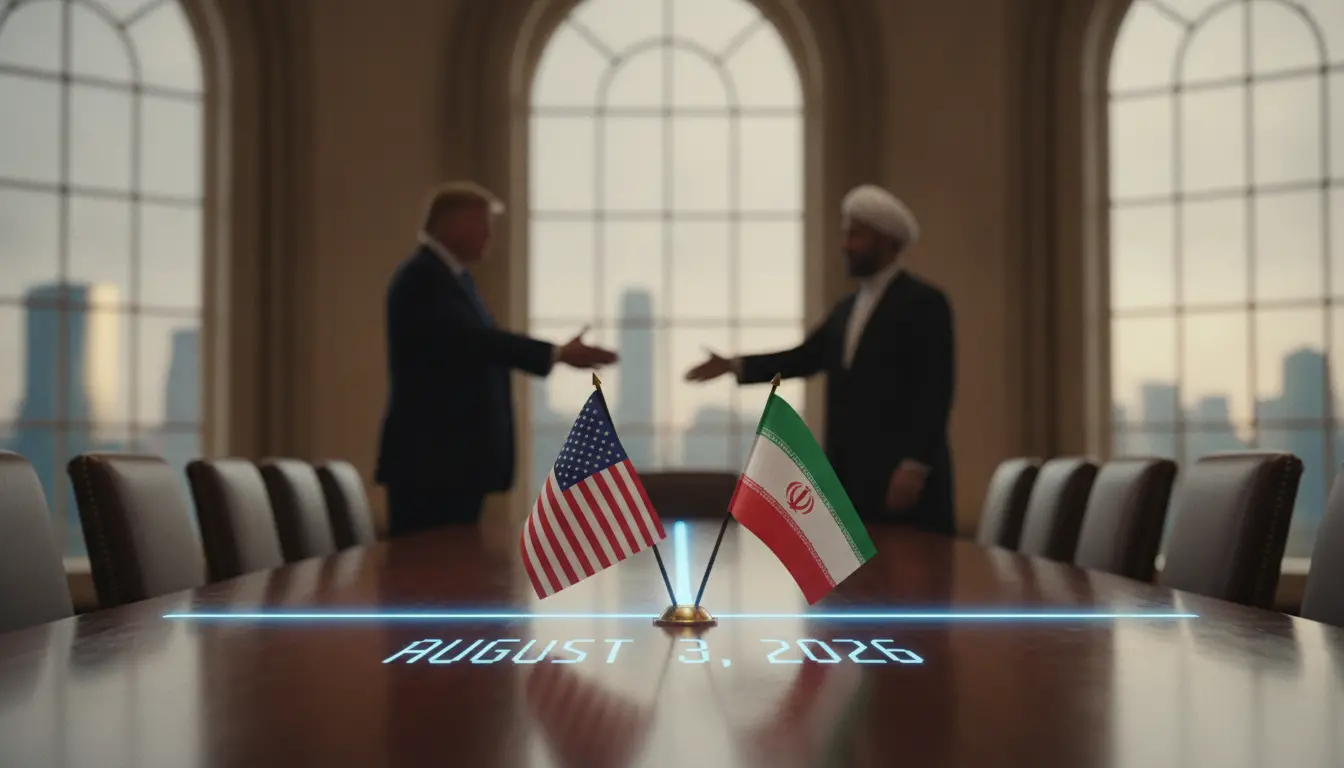
Trump Administration Announces Intent to Resume Formal Nuclear Negotiations with Iran on August 3, 2026

Future of US-Iran Diplomacy Under Scrutiny Amid Reports of Potential High-Level Talks