

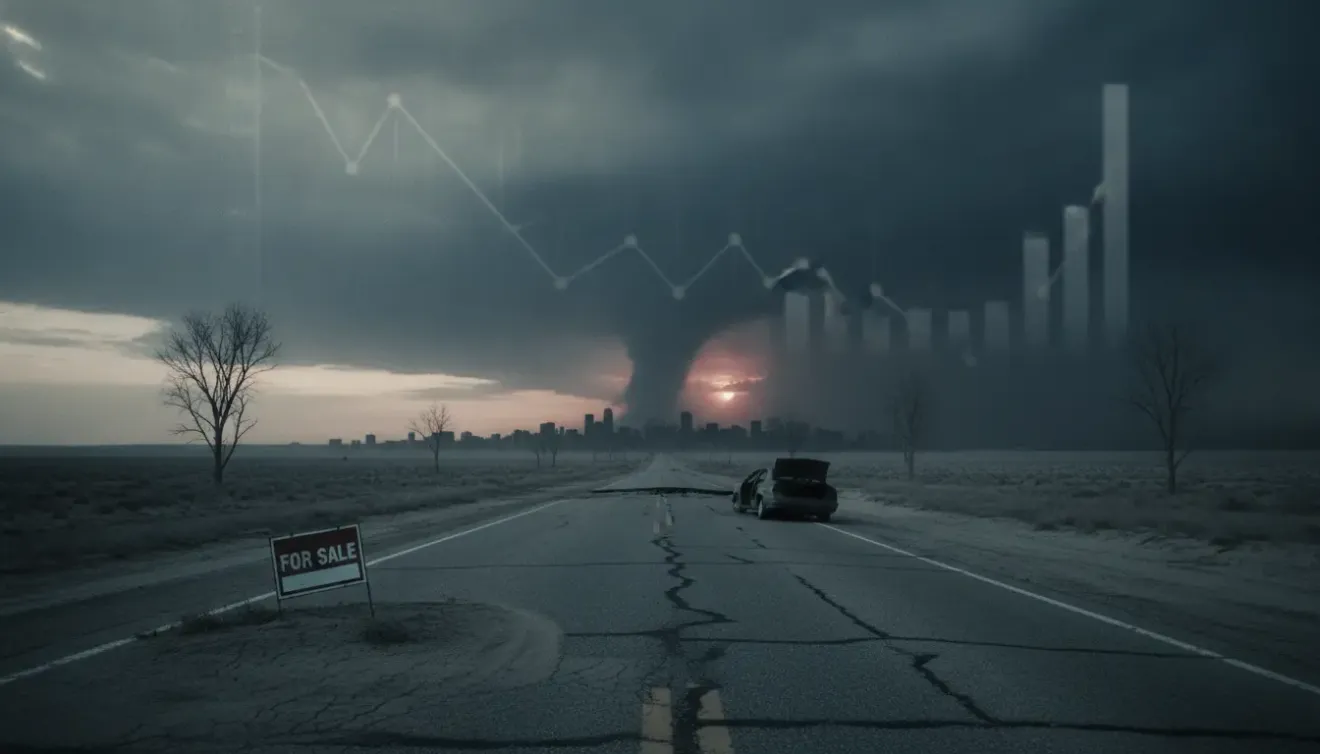
Analysts Warn of Persistent US Recession Risk Extending to 2027
The specter of an economic recession continues to loom large over the United States, with a growing consensus among economists and policymakers that significant risks could persist through the end of 2027. This extended horizon reflects a complex interplay of factors, from the lagged effects of aggressive monetary tightening by the Federal Reserve to ongoing global instability and evolving consumer behavior. A recession, typically defined as two consecutive quarters of negative real GDP growth, would represent a significant downturn from the post-pandemic recovery, impacting employment, corporate profits, and overall household wealth.
The current economic landscape is largely shaped by the battle against inflation. After reaching multi-decade highs, the Consumer Price Index (CPI) prompted the Federal Reserve to embark on its most rapid series of interest rate hikes in decades. While these measures have shown some success in moderating price increases, they have simultaneously raised borrowing costs across the board, cooling demand and tightening financial conditions. The challenge for the Fed lies in achieving a "soft landing" – taming inflation without triggering a severe economic contraction. History, however, suggests that engineered disinflations often carry a high risk of leading to a recession, as the full impact of monetary policy typically takes 12 to 18 months, if not longer, to fully materialize.
Various economic indicators are under intense scrutiny as analysts attempt to gauge the trajectory of the US economy. While the labor market has shown surprising resilience, with low unemployment rates and consistent job creation, other signals suggest underlying fragility. Manufacturing indices have softened, consumer spending, though robust in some sectors, faces headwinds from elevated interest rates and the depletion of pandemic-era savings. Perhaps most notably, the inversion of the yield curve – where short-term Treasury yields exceed long-term yields – has historically been a reliable precursor to recessions, signaling investor concerns about future growth prospects. Moreover, the robust performance of some market segments, particularly in technology, contrasts with more subdued activity in traditional industries, creating a bifurcated economic picture.
Forecasts from leading institutions reveal a diversity of opinion, though many point to elevated risk. The Congressional Budget Office (CBO), for instance, has adjusted its economic outlook to reflect slower growth projections, while some major investment banks periodically update their recession probability models. Some economists argue that the unique characteristics of the post-pandemic economy, including significant fiscal stimulus and a strong household balance sheet, might enable the US to avoid a deep recession. Others contend that structural shifts in global trade, persistent geopolitical tensions – including the ongoing conflict in Ukraine and instability in the Middle East – and the potential for a slowdown in major trading partners like China and the Eurozone, could yet push the US economy into a contraction.
The implications of a sustained period of recession risk are profound. Businesses face uncertainty regarding investment decisions, hiring plans, and supply chain management. Households may experience job insecurity, tighter credit conditions, and pressure on their disposable incomes. Policymakers, including the Federal Reserve and Congress, would be confronted with difficult choices regarding interest rate adjustments, fiscal stimulus measures, and social support programs. Navigating the economic landscape through 2027 will require careful monitoring of data, flexible policy responses, and an acknowledgment of both domestic vulnerabilities and interconnected global pressures, as the nation seeks to maintain stability and foster sustainable growth. Ultimately, the balancing act between inflation control and economic stability will define the coming years for the American economy.
Stay Informed. Act Smarter.
Get weekly highlights, major headlines, and expert insights — then put your knowledge to work in our live prediction markets.
Related News

US Economy Navigates Heightened Recession Risks Amidst Shifting Monetary Policy and Global Headwinds

Economists Intensify Debate on US Recession Risk Through 2026 Amid Fed's Inflation Fight

Economists Intensify Debate on US Recession Timeline Amid Evolving Economic Landscape

US Economic Outlook for 2026 Hinges on Inflation Control and Productivity Revival

US Federal Reserve's Long-Term Interest Rate Path Under Intense Scrutiny

Federal Reserve's Long-Term Interest Rate Path Below 4.0% by 2027 Spurs Economic Debate

Analysts Eye Potential Rise in US Unemployment Rate as Federal Reserve Navigates Economic Crossroads

Federal Reserve's Long-Term Inflation Battle Intensifies Ahead of July 2026 Core PCE Report

Federal Reserve's Long-Term Strategy Under Scrutiny as Analysts Project Path to 2026 Rate Decisions

ECB Eyes Potential Further Rate Hikes Amid Persistent Eurozone Inflation Concerns