

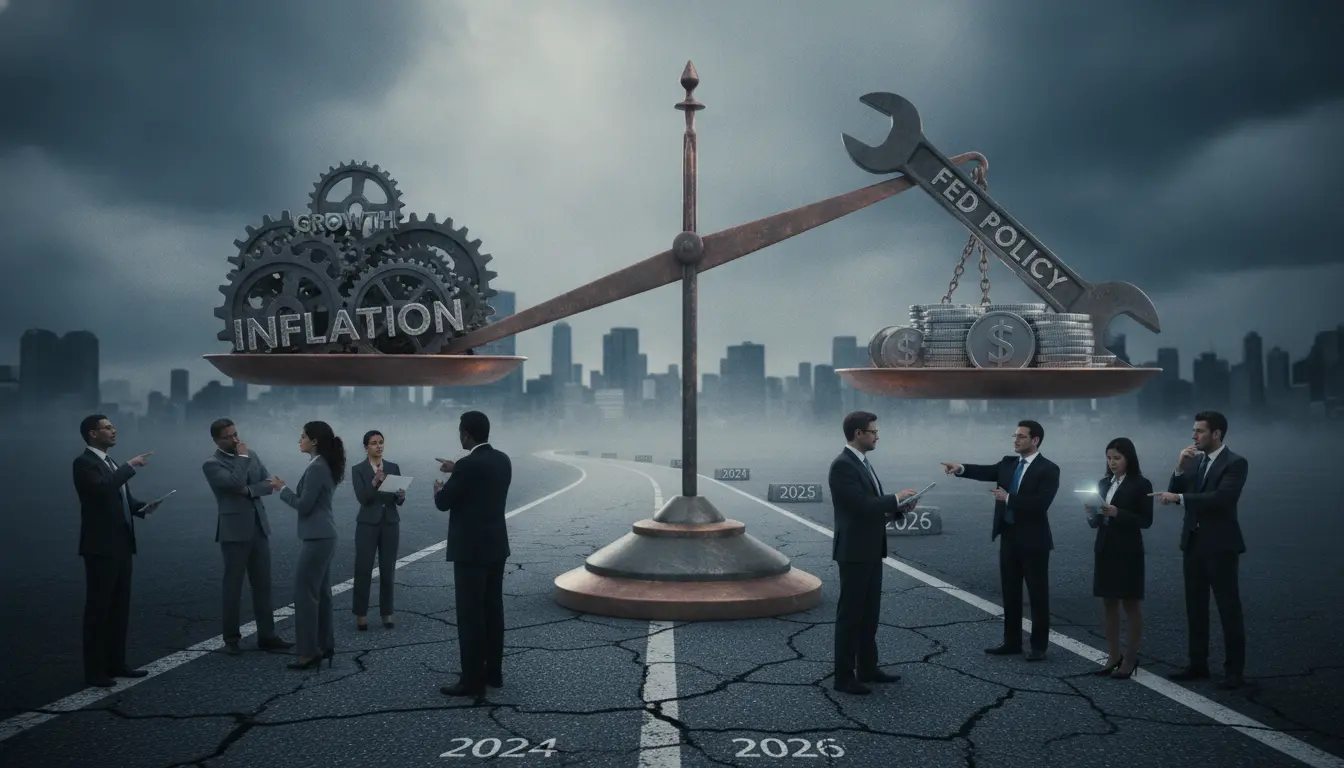
Economists Intensify Debate on US Recession Risk Through 2026 Amid Fed's Inflation Fight
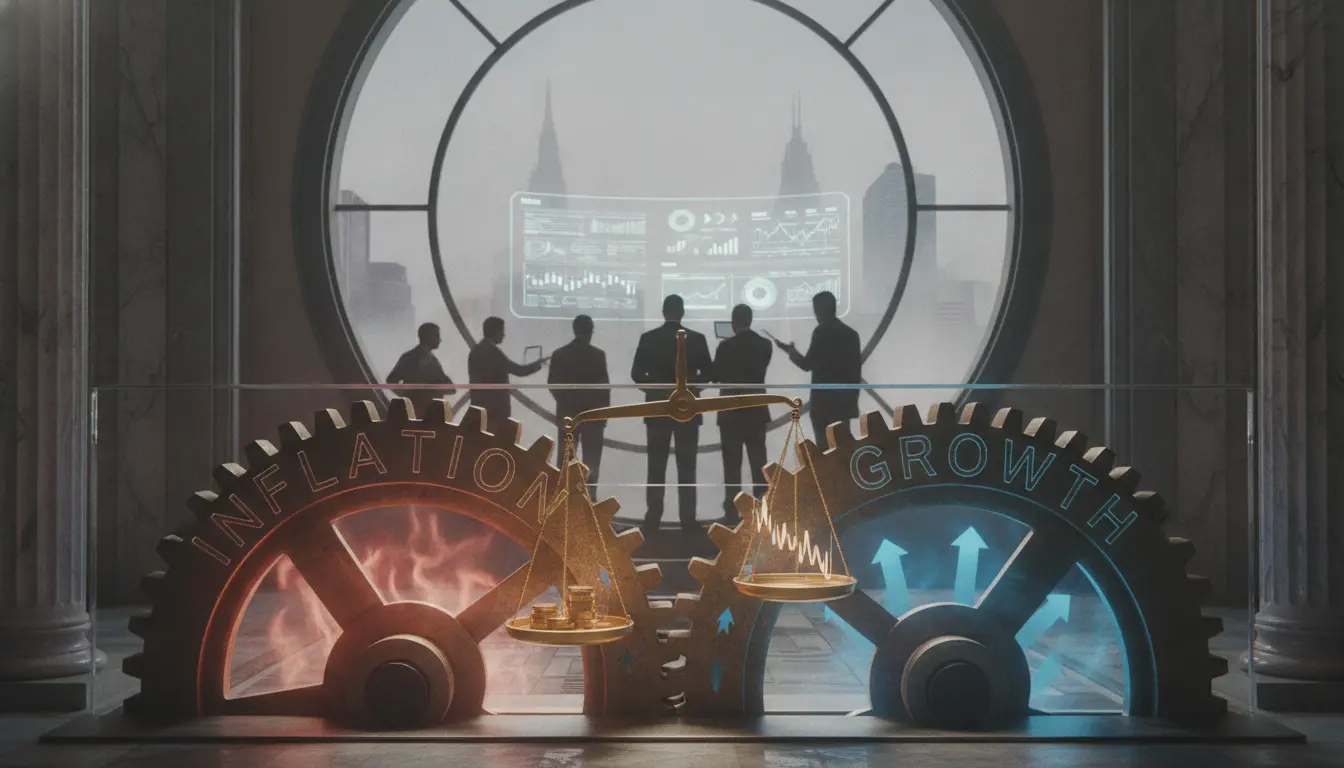
The United States economy is at a critical juncture, with a growing number of economists and financial institutions debating the likelihood of a recession emerging by the close of 2026. This ongoing discussion underscores the formidable challenge facing the Federal Reserve as it attempts to steer the economy toward price stability without triggering a significant downturn. While recent data has shown surprising resilience in key sectors, lingering concerns about the cumulative effect of aggressive monetary tightening and evolving global dynamics continue to fuel a cautious outlook among many analysts.
The genesis of this debate traces back to the unprecedented inflation surge following the COVID-19 pandemic, which prompted the Federal Reserve to embark on the most aggressive interest rate hiking cycle in decades. From early 2022 through mid-2023, the federal funds rate was raised eleven times, bringing it to a range of 5.25% to 5.50%—a two-decade high. The objective was clear: cool down an overheating economy and bring inflation back to the central bank's 2% target. While inflation has receded significantly from its peak, the persistence of core inflation metrics and a still-tight labor market suggest that the battle is far from over. This prolonged period of elevated interest rates forms the bedrock of recession concerns, as higher borrowing costs typically suppress business investment, consumer spending, and ultimately, economic growth.
Adding complexity to the forecast are mixed economic signals. On one hand, the U.S. labor market has remained remarkably robust, with unemployment rates near historic lows and consistent job creation, albeit at a moderating pace. Consumer spending, a major driver of economic activity, has also largely held up, supported by solid wage growth and household savings accumulated during the pandemic. Corporate earnings, while facing headwinds, have not collapsed across the board. These factors lend credence to the "soft landing" proponents, who argue that the Fed can successfully engineer a gradual slowdown without plunging the economy into recession. However, skeptics point to leading indicators such as manufacturing output, housing market activity, and certain consumer confidence surveys, which show signs of strain, suggesting that the full impact of higher rates may yet be realized.
Several key factors will influence the economic trajectory over the next two years. The Federal Reserve's future policy decisions remain paramount; any perceived misstep in either tightening too much or easing too soon could destabilize markets and economic activity. Geopolitical tensions, particularly in Eastern Europe and the Middle East, pose risks to global supply chains and energy prices, potentially reigniting inflationary pressures. Domestically, the national debt and deficit continue to expand, raising questions about long-term fiscal sustainability, while a highly anticipated election cycle could introduce policy uncertainty. Furthermore, the capacity for consumers to continue spending, especially as pandemic-era savings dwindle and credit card debt rises, is a critical variable economists are closely monitoring.
Many prominent financial institutions, including major banks and investment firms, have offered divergent perspectives. Some predict a mild recession in the coming years, citing historical precedents where aggressive rate hikes eventually led to economic contractions. Others maintain a more optimistic stance, believing that structural changes in the U.S. economy, coupled with proactive monetary policy, could avert a severe downturn. The consensus, if one can be found, leans towards a period of slower growth, making the margin for error for policymakers incredibly thin. The debate reflects not just differing economic models, but also varied interpretations of current data and the resilience of the U.S. economy in an unprecedented global landscape.
The stakes of this debate are substantial, affecting everything from investment strategies and corporate planning to household budgets and employment prospects. A recession could lead to job losses, decreased corporate profits, and a significant pull-back in consumer spending, impacting millions of Americans. Conversely, a continued expansion, even if modest, would underscore the U.S. economy's ability to navigate complex challenges. As 2026 approaches, the interplay between Federal Reserve actions, fiscal policy, and broader global events will dictate whether the world's largest economy successfully navigates these treacherous waters or succumbs to a downturn.
Policymakers, businesses, and individuals alike are closely watching critical economic indicators—inflation prints, employment reports, GDP revisions, and consumer sentiment—for clearer signals of the path ahead. The Federal Reserve's commitment to its dual mandate of maximum employment and price stability means it will continue to carefully weigh incoming data, but the path to a genuinely stable and growing economy without a significant contraction remains fraught with uncertainty and subject to intense scrutiny from economists worldwide.
Stay Informed. Act Smarter.
Get weekly highlights, major headlines, and expert insights — then put your knowledge to work in our live prediction markets.
Related News
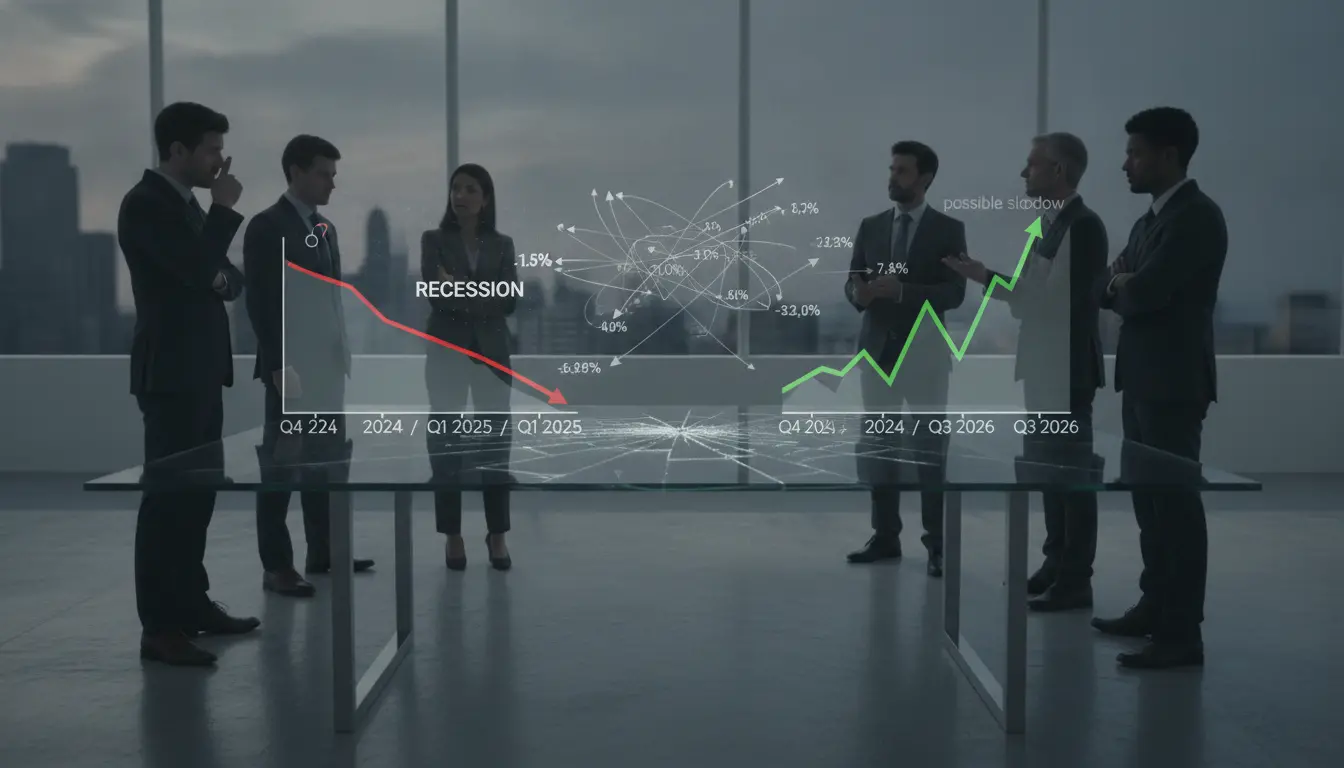
Economists Intensify Debate on US Recession Timeline Amid Evolving Economic Landscape

US Economy Navigates Heightened Recession Risks Amidst Shifting Monetary Policy and Global Headwinds
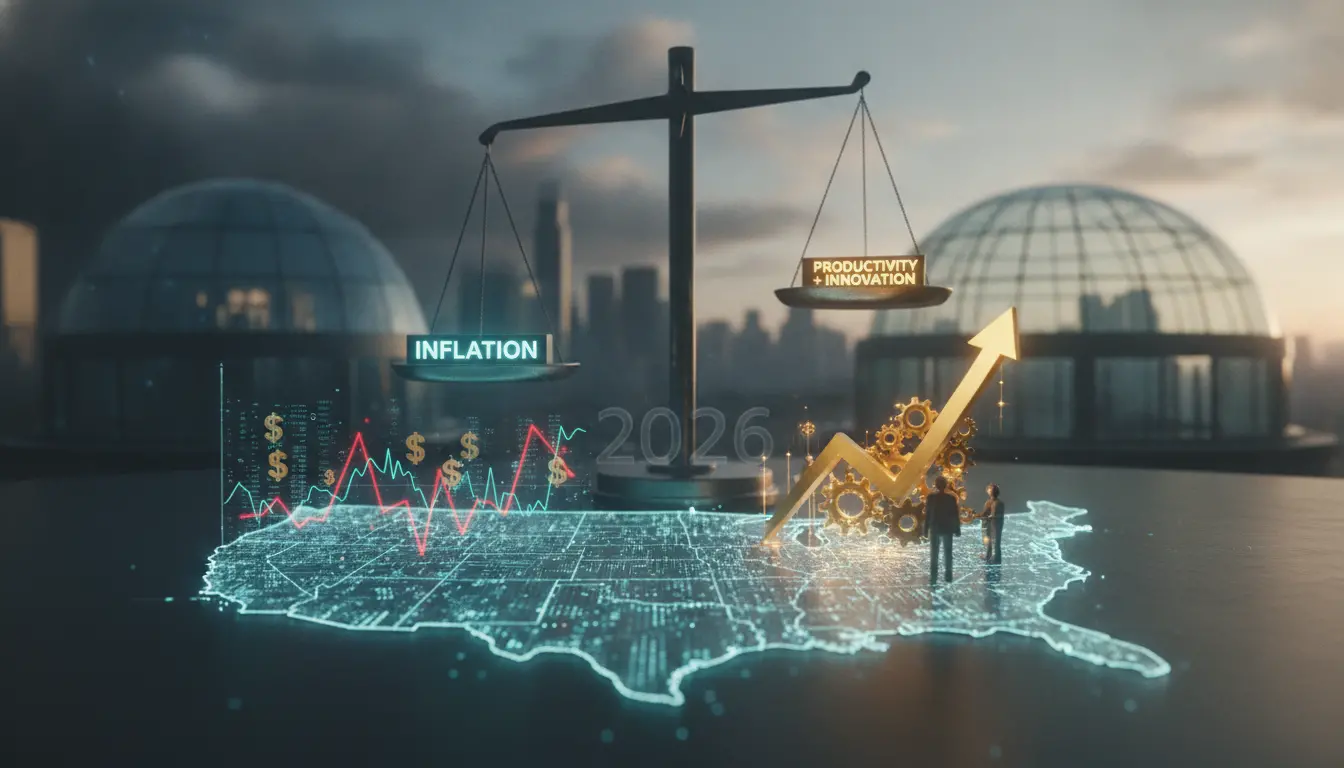
US Economic Outlook for 2026 Hinges on Inflation Control and Productivity Revival
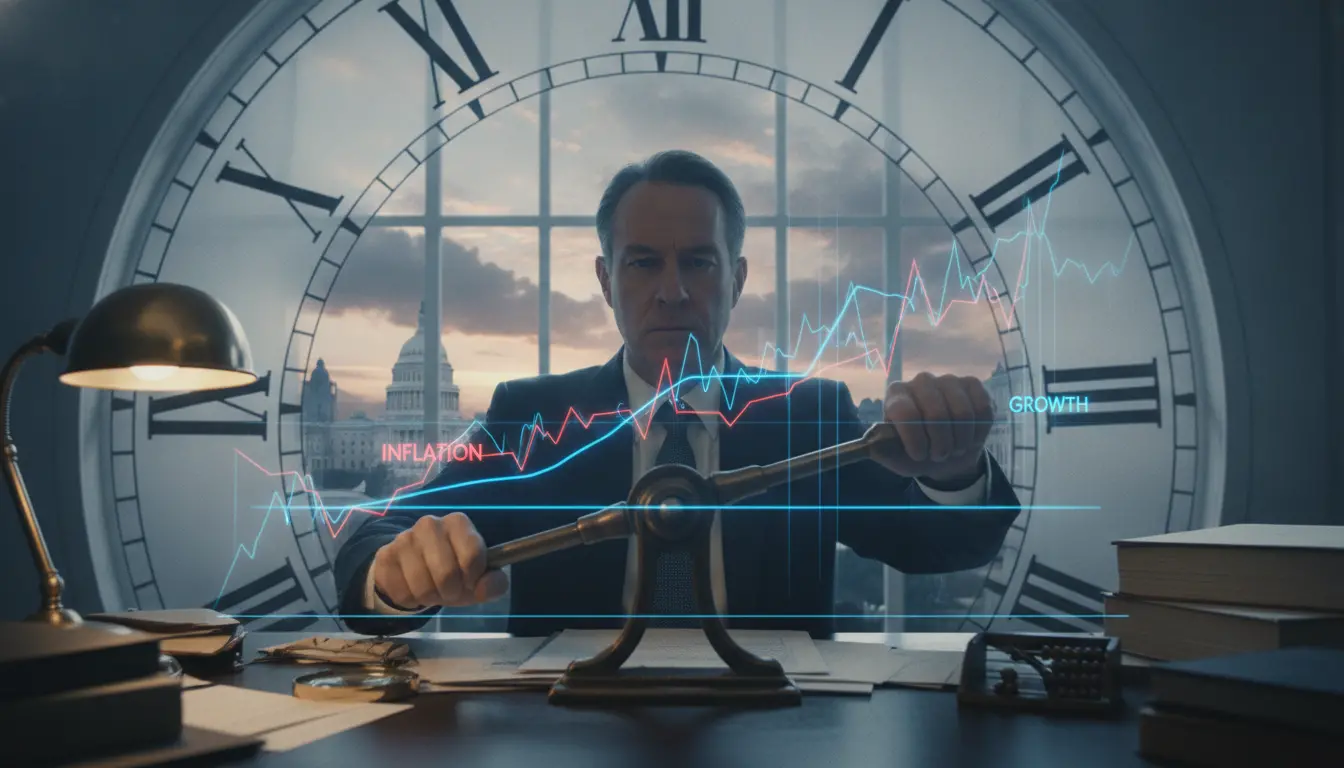
US Federal Reserve's Long-Term Interest Rate Path Under Intense Scrutiny
Federal Reserve's Long-Term Strategy Under Scrutiny as Analysts Project Path to 2026 Rate Decisions
Federal Reserve's Long-Term Inflation Battle Intensifies Ahead of July 2026 Core PCE Report
Fed Grapples With Long-Term Rate Outlook as 'Higher for Longer' Mantra Tested by Economic Data
Analysts Eye Potential Rise in US Unemployment Rate as Federal Reserve Navigates Economic Crossroads
Federal Reserve's Rate Cut Prospects by 2026 Hinge on Evolving Inflation and Growth Data
Federal Reserve Prepares for Critical July 2026 Rate Decision Amid Evolving Economic Landscape