

- News
- Finance
- Federal Reserve Prepares for Critical July 2026 Rate Decision Amid Evolving Economic Landscape

Federal Reserve Prepares for Critical July 2026 Rate Decision Amid Evolving Economic Landscape
The Federal Reserve's Federal Open Market Committee (FOMC) is set to convene in July 2026, with global financial markets keenly awaiting its decision on the federal funds rate. This upcoming meeting will be pivotal, signaling the central bank's stance on economic stability and inflation amidst a complex and continuously shifting global financial environment. The trajectory of inflation, labor market dynamics, and broader economic growth metrics will undoubtedly dominate the discussions as policymakers weigh their options for monetary policy, aiming to strike a delicate balance between price stability and robust economic activity.
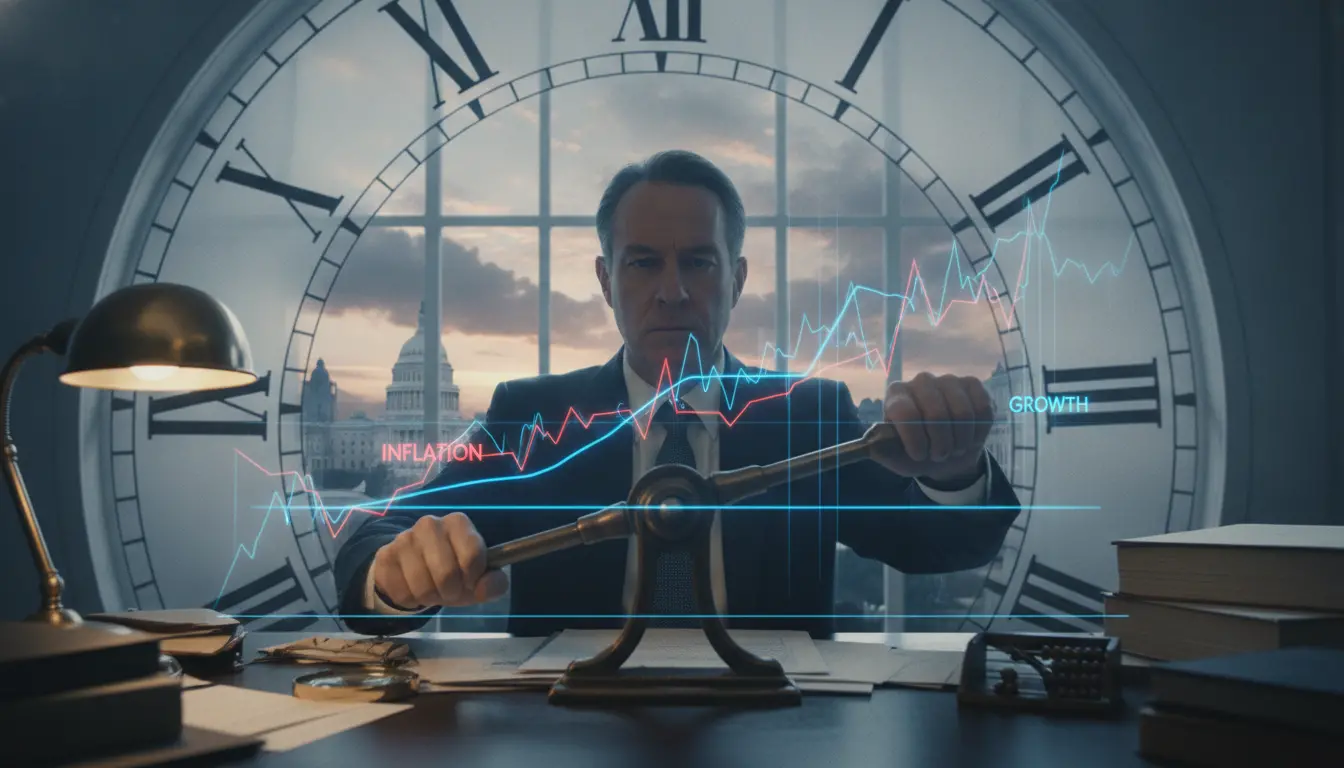
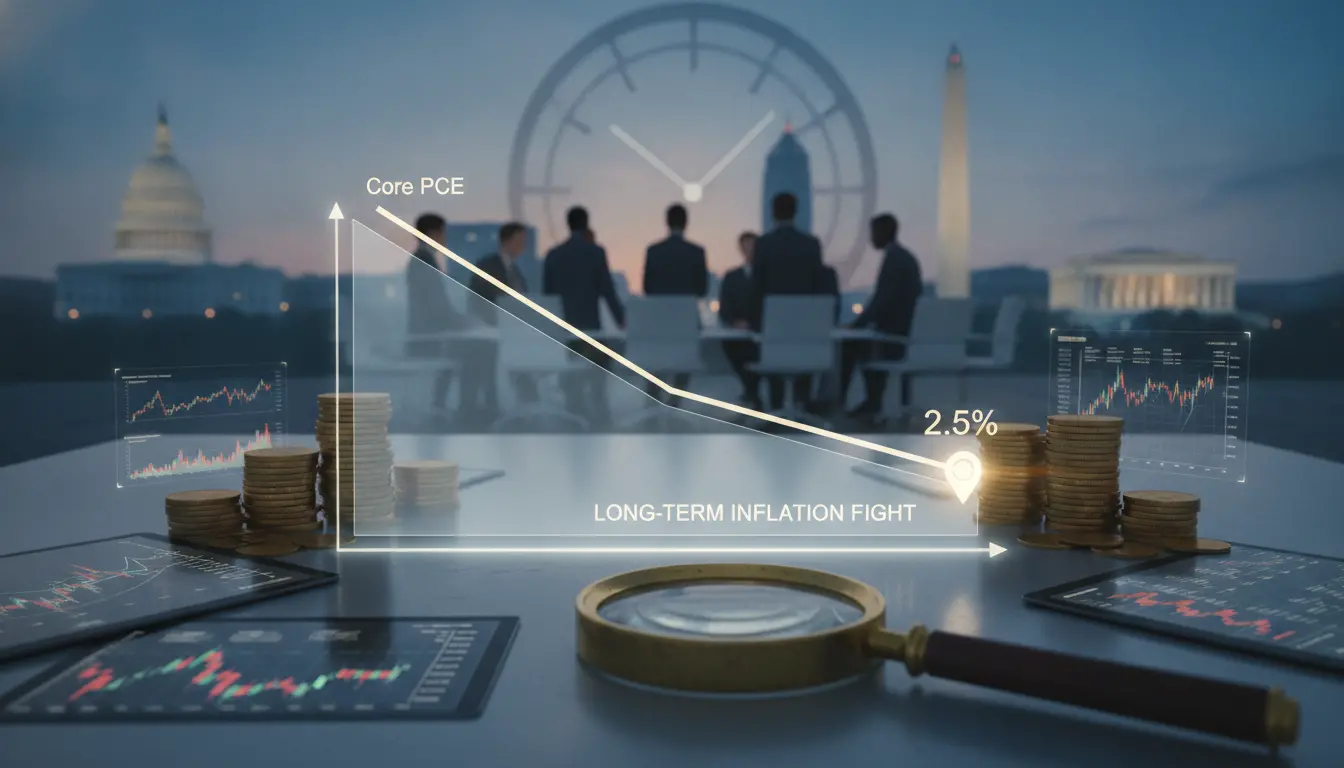
The Federal Reserve operates under a dual mandate from Congress: to achieve maximum employment and stable prices. The federal funds rate, a key tool in its arsenal, influences borrowing costs across the economy, impacting everything from consumer loans to corporate investment. Following a period of aggressive rate hikes initiated in the early 2020s to combat surging inflation, the central bank has entered a more nuanced phase of monetary policy. This period has seen policymakers navigate the delicate balance between curbing inflationary pressures without inadvertently triggering an economic downturn. The long-term objective remains to guide inflation back towards the Fed's 2% target, a goal that has proven challenging given persistent supply-side issues, geopolitical tensions, and shifts in consumer demand patterns.
As the July 2026 meeting approaches, the FOMC will meticulously analyze a raft of economic indicators. Inflation reports, particularly the Consumer Price Index (CPI) and Personal Consumption Expenditures (PCE) index, will be paramount. Any signs of persistent upward pressure or, conversely, a sustained return to the 2% target would heavily inform their decision. Employment data, including the monthly jobs report, wage growth figures, and unemployment rates, will also be scrutinized to assess the health of the labor market and its potential impact on inflation. Furthermore, policymakers will consider Gross Domestic Product (GDP) growth, manufacturing output, retail sales, and consumer confidence surveys to gauge the overall momentum of the economy. Global economic conditions, including geopolitical stability and the performance of key trading partners, also factor into the calculus, given their potential to influence domestic prices and demand.
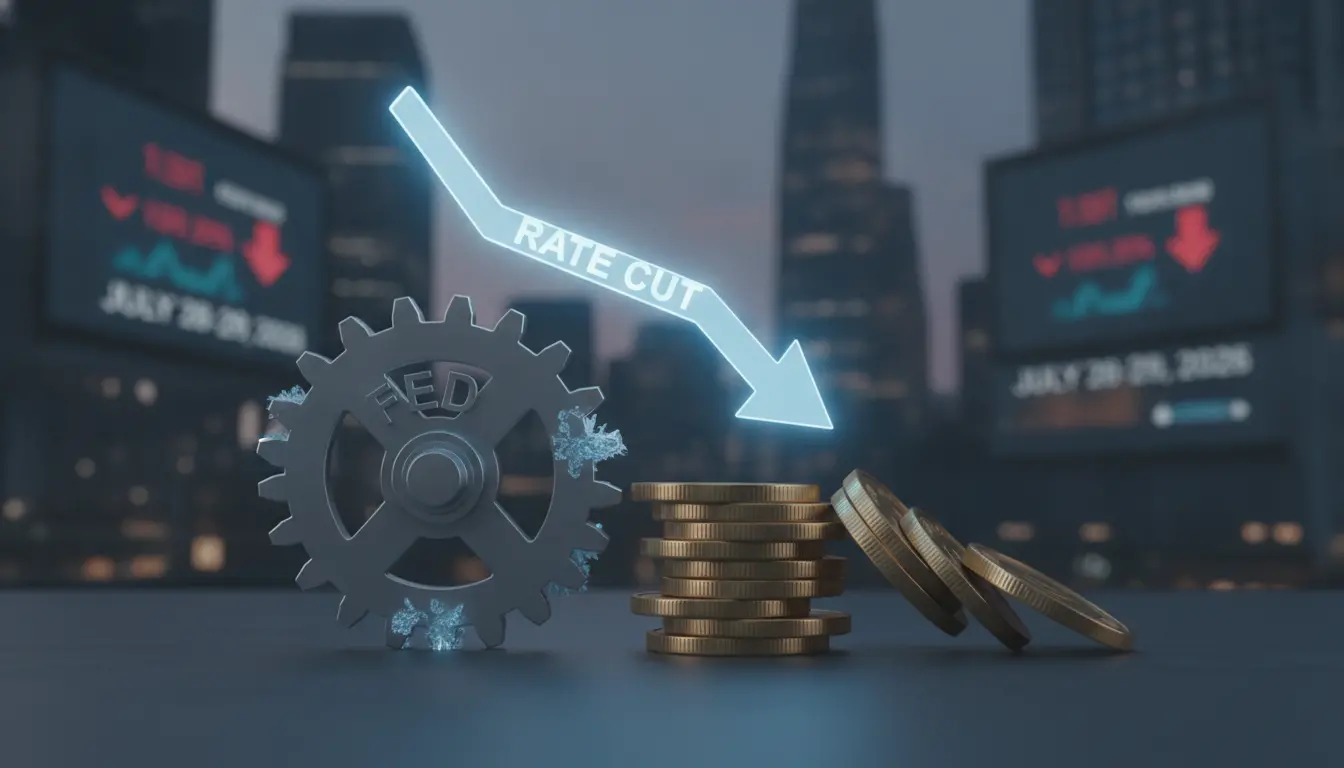
Analysts and market observers are already projecting various scenarios for the July 2026 decision. Should inflation prove stubborn and remain elevated above the 2% target, and the labor market demonstrate resilience, the FOMC might lean towards maintaining or even raising the federal funds rate further to cool the economy. Conversely, a significant slowdown in economic growth, coupled with a sustained decline in inflation, could pave the way for rate cuts, aiming to stimulate economic activity and prevent a recession. The challenge lies in the lag effects of monetary policy, meaning today's decisions impact the economy many months down the line, requiring foresight and careful calibration. The central bank's communication strategy, including post-meeting statements and press conferences, will be crucial in shaping market expectations and ensuring transparency.
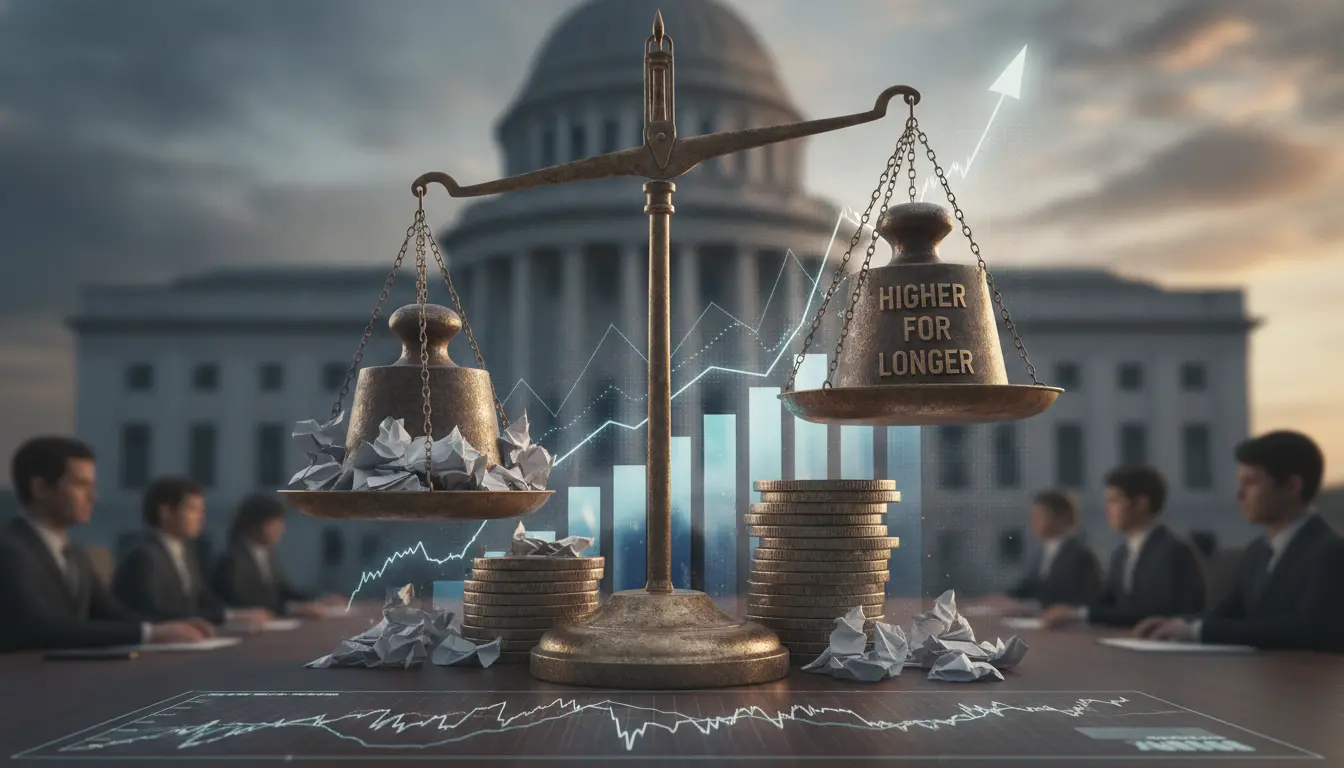
The outcome of the July 2026 FOMC meeting will have far-reaching implications, extending beyond immediate market reactions. Businesses will adjust investment plans, consumers will reconsider borrowing decisions, and the global financial landscape will recalibrate in response to the Fed's signals. A sustained period of high interest rates could continue to weigh on sectors sensitive to borrowing costs, such as housing and durable goods. Conversely, a pivot towards lower rates could inject new liquidity and confidence into the economy, potentially spurring growth but risking a resurgence of inflationary pressures if not managed carefully. The Fed's ongoing balancing act underscores the profound responsibility placed upon its policymakers to steer the world's largest economy through a period of persistent uncertainty and structural change.
Stay Informed. Act Smarter.
Get weekly highlights, major headlines, and expert insights — then put your knowledge to work in our live prediction markets.
Related News

Federal Reserve Eyes Steady Rates for September 2026 FOMC Meeting Amid Evolving Economic Data

Federal Reserve's Long-Term Strategy Under Scrutiny as Analysts Project Path to 2026 Rate Decisions

Federal Reserve's Rate Cut Prospects by 2026 Hinge on Evolving Inflation and Growth Data

Federal Reserve Signals Potential 2026 Rate Hike Amidst Growing AI-Driven Inflation Concerns
US Federal Reserve's Long-Term Interest Rate Path Under Intense Scrutiny

Federal Reserve's Long-Term Inflation Battle Intensifies Ahead of July 2026 Core PCE Report
Fed Signals Potential July Rate Cut as Inflation Cools and Growth Slows
Fed Grapples With Long-Term Rate Outlook as 'Higher for Longer' Mantra Tested by Economic Data

Eurozone Economic Outlook and Persistent Inflation Set Stage for ECB's Mid-2026 Monetary Policy Review
Fed’s Long-Term Inflation Fight Eyes 2.5 Percent Core PCE as Key Milestone