

Federal Reserve's Rate Cut Prospects by 2026 Hinge on Evolving Inflation and Growth Data
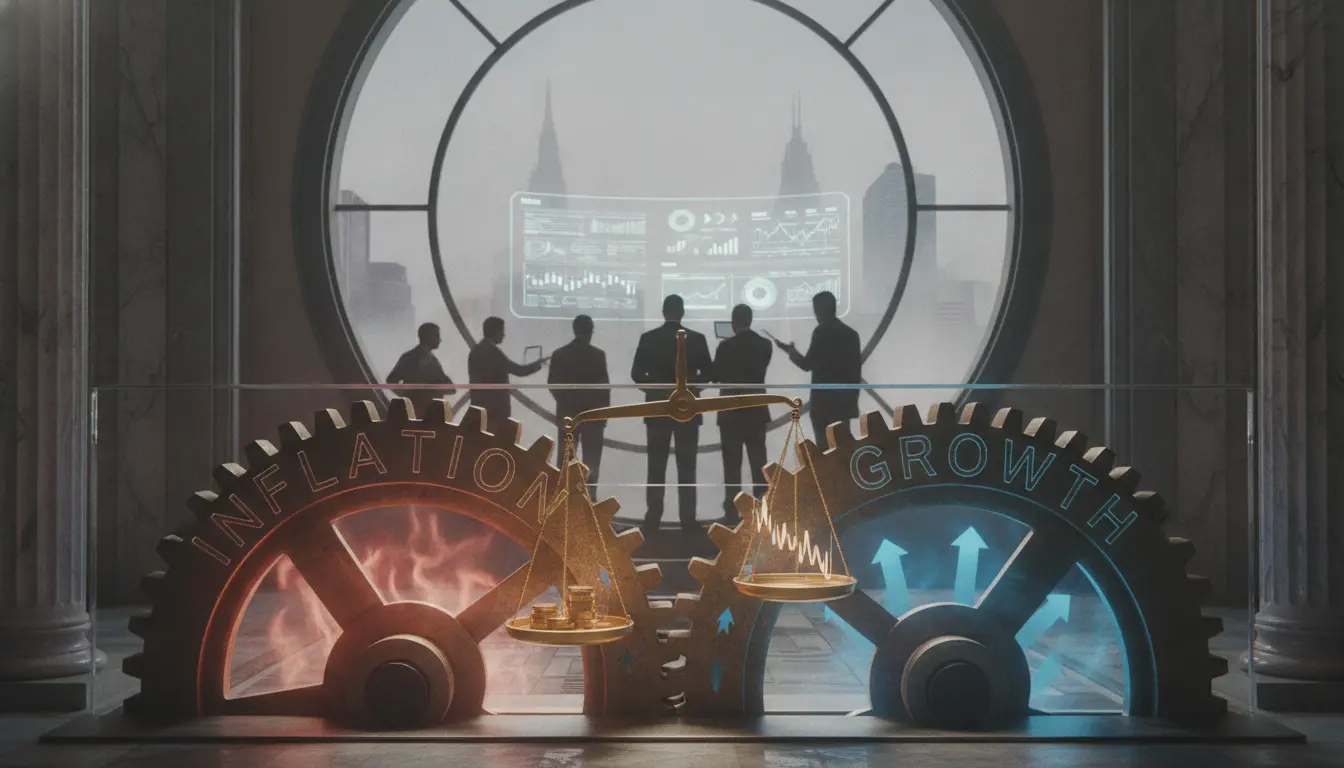
The Federal Reserve stands at a critical juncture, navigating an economic landscape marked by persistent, albeit cooling, inflation and robust, if slowing, growth. As policymakers look towards the horizon, the question of when, and if, interest rates will be lowered by the end of 2026 remains a central debate among economists and market watchers. The central bank's actions in the coming months and years will profoundly shape the trajectory of the U.S. economy, influencing everything from consumer borrowing costs to corporate investment decisions.
For nearly two years, the Fed aggressively hiked its benchmark interest rate, taking it from near zero to a 23-year high of 5.25%-5.50%. This decisive action was aimed at taming inflation, which had surged to levels not seen in four decades, driven by supply chain disruptions, strong consumer demand, and expansive fiscal policies. The strategy has shown signs of success, with the Consumer Price Index (CPI) and Personal Consumption Expenditures (PCE) price index retreating significantly from their peaks. However, inflation, particularly in the sticky services sector, continues to hover above the Fed's long-term 2% target, complicating any immediate pivot towards monetary easing.
The current economic narrative is a delicate balancing act. While inflation metrics have improved, the labor market has largely remained resilient, defying predictions of a significant downturn. Unemployment rates have stayed historically low, and wage growth, though moderating, still supports consumer spending. This strength in the jobs market, coupled with better-than-expected GDP growth, offers the Fed more flexibility but also underscores the risk of cutting rates too soon, potentially reigniting inflationary pressures. Federal Reserve Chair Jerome Powell and other policymakers have repeatedly emphasized a data-dependent approach, signaling a willingness to maintain restrictive policy for as long as necessary to ensure inflation is sustainably on track to 2%.
Looking out to 2026, several key variables will dictate the Fed's path. Foremost among them is the continued trajectory of inflation. A sustained deceleration, particularly in core services excluding housing, would provide strong impetus for rate cuts. Conversely, any reacceleration of prices, possibly due to geopolitical shocks, renewed supply chain issues, or persistent demand, would necessitate a 'higher for longer' stance. The strength of the broader economy, including business investment and consumer confidence, will also play a crucial role. A significant economic slowdown or recession would almost certainly prompt rate reductions, irrespective of inflation's exact level, as the Fed would shift its focus to supporting employment and growth.
Moreover, the global economic environment and fiscal policy considerations cannot be ignored. Developments in major trading partners, shifts in global commodity prices, and the U.S. government's own spending and borrowing patterns can all influence the domestic inflation outlook and the Fed's policy choices. The composition of the Federal Open Market Committee (FOMC) will also evolve, with potential changes in membership bringing new perspectives to the policy debate.
Economists remain divided on the precise timing and magnitude of future rate adjustments. Some argue that the current restrictive stance is already impacting economic activity, making future cuts inevitable to avoid a deeper downturn. They suggest that waiting too long risks an unnecessarily severe correction. Others contend that the Fed must remain vigilant, prioritizing the complete eradication of inflationary expectations over short-term economic fluctuations. The consensus leans towards a gradual easing cycle once confidence in the inflation trajectory is firm, but the specific timeline and the threshold for action are subject to continuous revision based on incoming data.
Ultimately, the prospect of the Federal Reserve implementing at least one interest rate cut by the end of 2026 hinges on a complex interplay of economic data, global events, and the evolving judgment of policymakers. The central bank's commitment to both price stability and maximum employment will continue to guide its decisions, seeking to engineer a soft landing while avoiding the pitfalls of either premature easing or excessive tightening.
Stay Informed. Act Smarter.
Get weekly highlights, major headlines, and expert insights — then put your knowledge to work in our live prediction markets.
Related News

Federal Reserve's Long-Term Strategy Under Scrutiny as Analysts Project Path to 2026 Rate Decisions
Fed Signals Potential July Rate Cut as Inflation Cools and Growth Slows

Federal Reserve Prepares for Critical July 2026 Rate Decision Amid Evolving Economic Landscape
US Federal Reserve's Long-Term Interest Rate Path Under Intense Scrutiny
Fed Grapples With Long-Term Rate Outlook as 'Higher for Longer' Mantra Tested by Economic Data
Federal Reserve Eyes Steady Rates for September 2026 FOMC Meeting Amid Evolving Economic Data
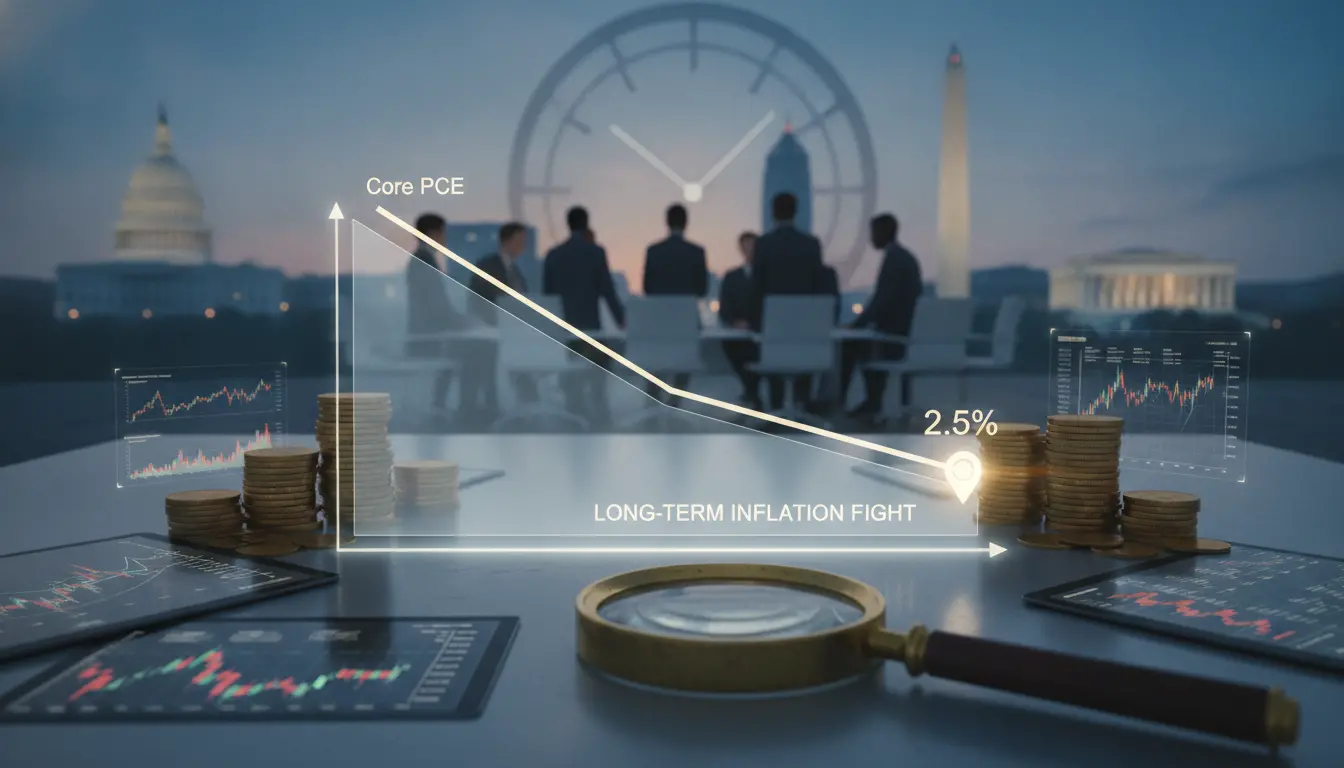
Fed’s Long-Term Inflation Fight Eyes 2.5 Percent Core PCE as Key Milestone
Fed's Inflation Battle Casts Long Shadow on Hopes for Sub-6% Mortgages by 2026
Economists Intensify Debate on US Recession Risk Through 2026 Amid Fed's Inflation Fight
Federal Reserve Signals Potential 2026 Rate Hike Amidst Growing AI-Driven Inflation Concerns