

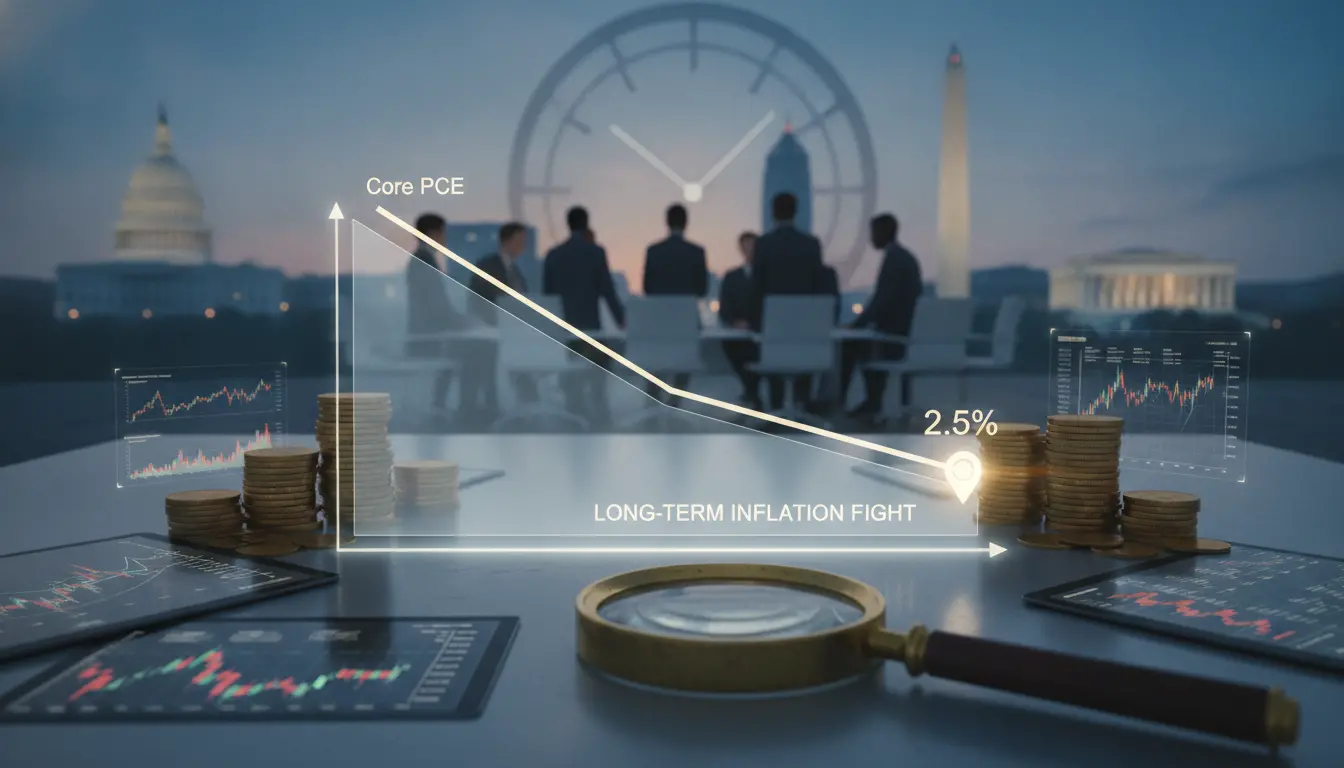
Fed’s Long-Term Inflation Fight Eyes 2.5 Percent Core PCE as Key Milestone
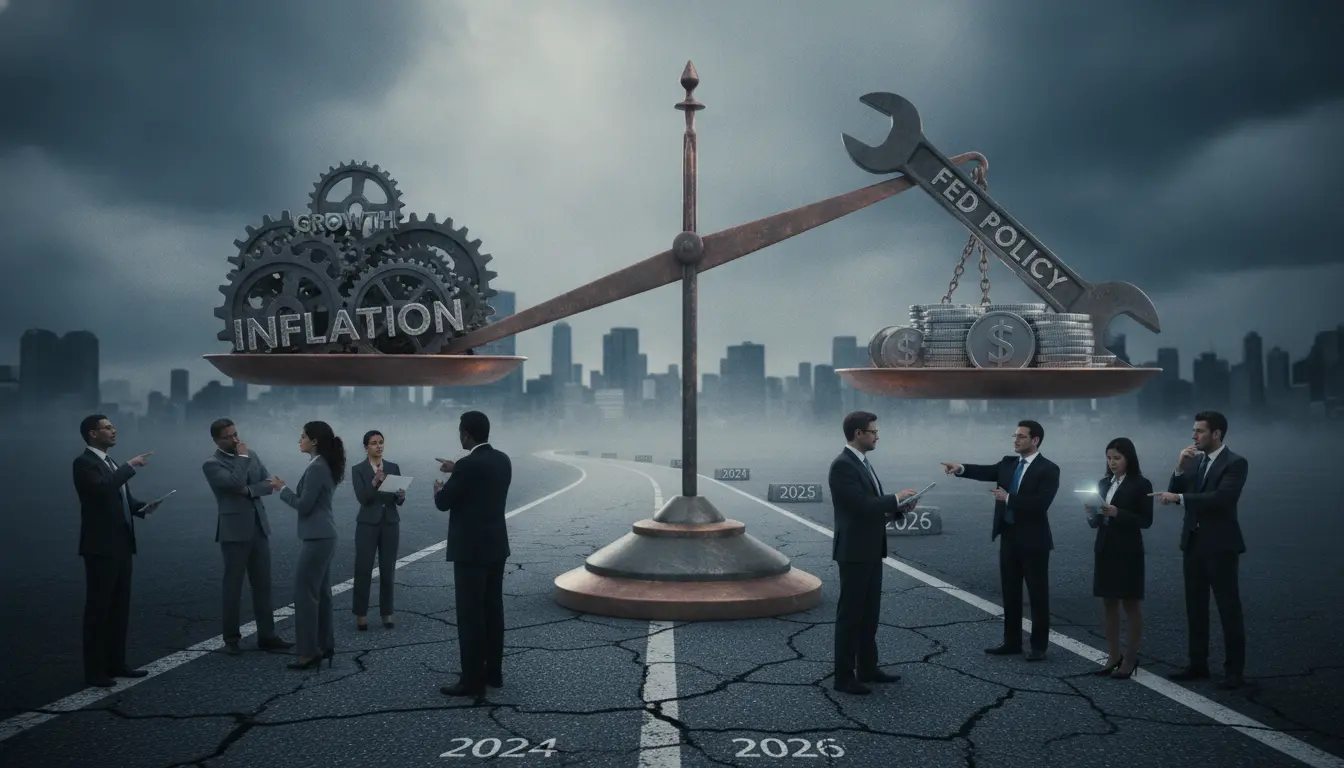
WASHINGTON – As the U.S. economy navigates the complex aftermath of post-pandemic inflation, Federal Reserve officials and market analysts are increasingly focused on a long-term horizon, with the path to a sustainable, low-inflation environment stretching well into the coming years. The central bank's protracted battle to cool price pressures has entered a crucial phase, where the focus has shifted from rapid-fire interest rate hikes to a patient, data-driven assessment of whether inflation is truly on a path back to the Fed's 2% target. Within this long-term view, a key intermediate benchmark is emerging: bringing the core Personal Consumption Expenditures (PCE) price index, the Fed's preferred inflation gauge, down below 2.5%.
Achieving this milestone by mid-2026 is seen not as the end of the mission, but as a critical sign that the most stubborn components of inflation have been tamed. The core PCE index, which excludes volatile food and energy prices, is considered by policymakers to be a more reliable indicator of underlying inflationary trends. Its descent from a peak of over 5.5% in 2022 has been a hard-won victory for the Fed's aggressive monetary tightening campaign, but the final leg of the journey—often dubbed the "last mile"—is proving the most challenging. Recent data has shown a stickiness in services inflation, driven by a resilient labor market and persistent wage growth, which has kept the core reading stubbornly above the central bank's comfort zone.
Federal Reserve Chair Jerome Powell has repeatedly emphasized the need for greater confidence that inflation is moving sustainably toward the 2% objective before the Federal Open Market Committee (FOMC) would consider lowering the federal funds rate from its current two-decade high. This cautious stance underscores the high stakes involved. Moving too soon to cut rates could risk reigniting price pressures, undoing the progress made and damaging the central bank's credibility. Conversely, holding rates too high for too long could unnecessarily slow the economy, potentially tipping it into a recession and leading to significant job losses.
The trajectory of core PCE over the next two years will be shaped by a confluence of economic forces. A primary factor is the continued normalization of the labor market. While unemployment remains low, signs of a better balance between labor supply and demand—such as moderating wage gains and a decline in job openings—are crucial for easing price pressures in the labor-intensive services sector. Another key component is productivity growth. If businesses can produce more with less, it can absorb higher labor costs without passing them on to consumers, providing a disinflationary impulse.
Furthermore, global supply chains, which were a major driver of the initial inflation surge, must remain stable. Geopolitical conflicts, shipping disruptions, or renewed pandemic-related lockdowns could introduce new shocks that complicate the Fed's task. The housing market also plays a significant role, as shelter costs are a major component of the PCE index. A continued moderation in rent growth and home prices is essential for the overall index to cool.
For the Fed, seeing core PCE settle below 2.5% would be a powerful signal that the underlying inflation dynamic has fundamentally shifted. It would suggest that the tight monetary policy has successfully re-anchored inflation expectations and that the economy can sustain non-inflationary growth. This would provide the necessary confidence for the FOMC to begin gradually normalizing interest rates, moving from a restrictive policy stance to a more neutral one. The journey to that point, however, remains uncertain and contingent on the careful calibration of policy in response to evolving economic data.
Ultimately, the path of inflation to 2026 will serve as the defining test of the Federal Reserve's post-pandemic strategy. The ability to guide the economy toward a soft landing—curbing inflation without causing a deep recession—is the central bank's primary objective. While the 2% target remains the ultimate goal, reaching the 2.5% threshold for core PCE will be a vital and closely watched milestone on that difficult journey, signaling that the worst of the inflationary storm has passed and a more stable economic future is within reach.
Stay Informed. Act Smarter.
Get weekly highlights, major headlines, and expert insights — then put your knowledge to work in our live prediction markets.
Related News

Federal Reserve's Long-Term Inflation Battle Intensifies Ahead of July 2026 Core PCE Report

Federal Reserve's Long-Term Strategy Under Scrutiny as Analysts Project Path to 2026 Rate Decisions
Federal Reserve's Rate Cut Prospects by 2026 Hinge on Evolving Inflation and Growth Data
US Federal Reserve's Long-Term Interest Rate Path Under Intense Scrutiny
Fed Grapples With Long-Term Rate Outlook as 'Higher for Longer' Mantra Tested by Economic Data
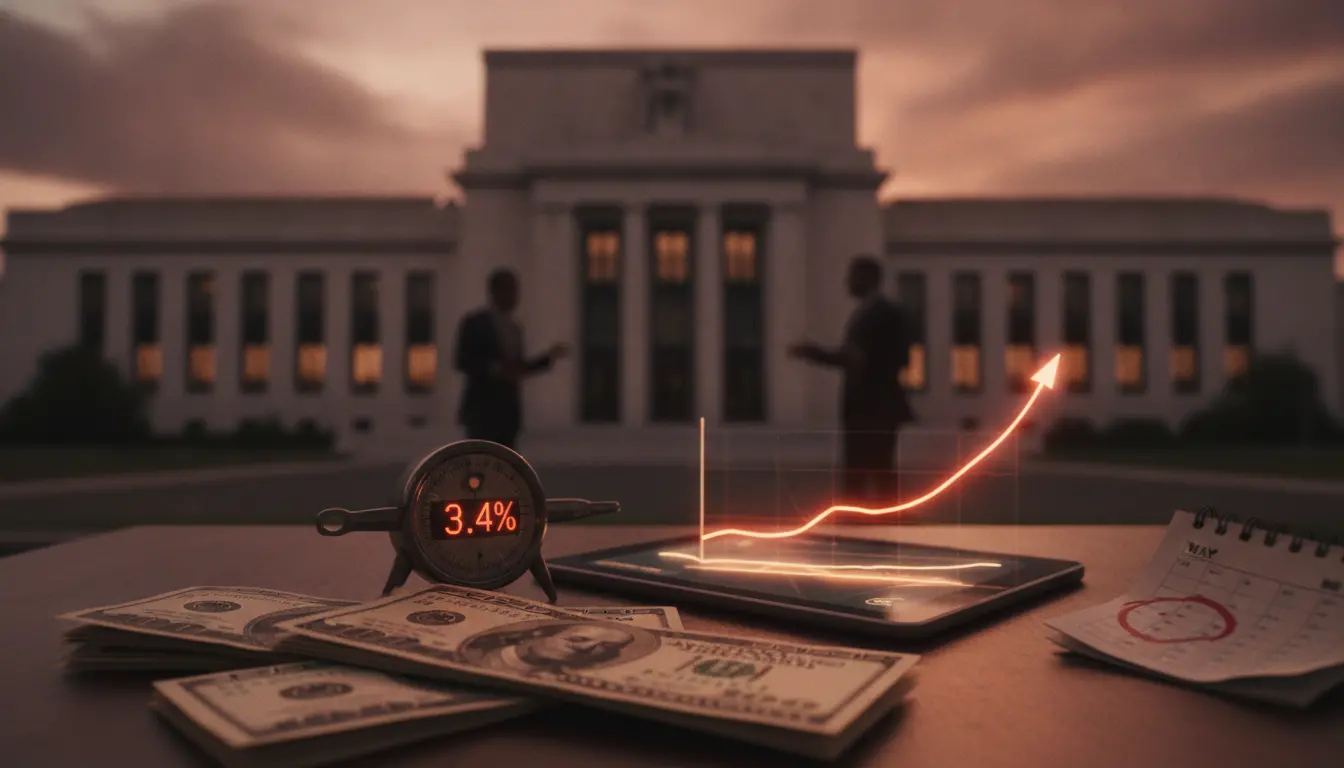
US Core PCE Inflation Accelerates to 3.4% in May, Heightening Federal Reserve Policy Concerns
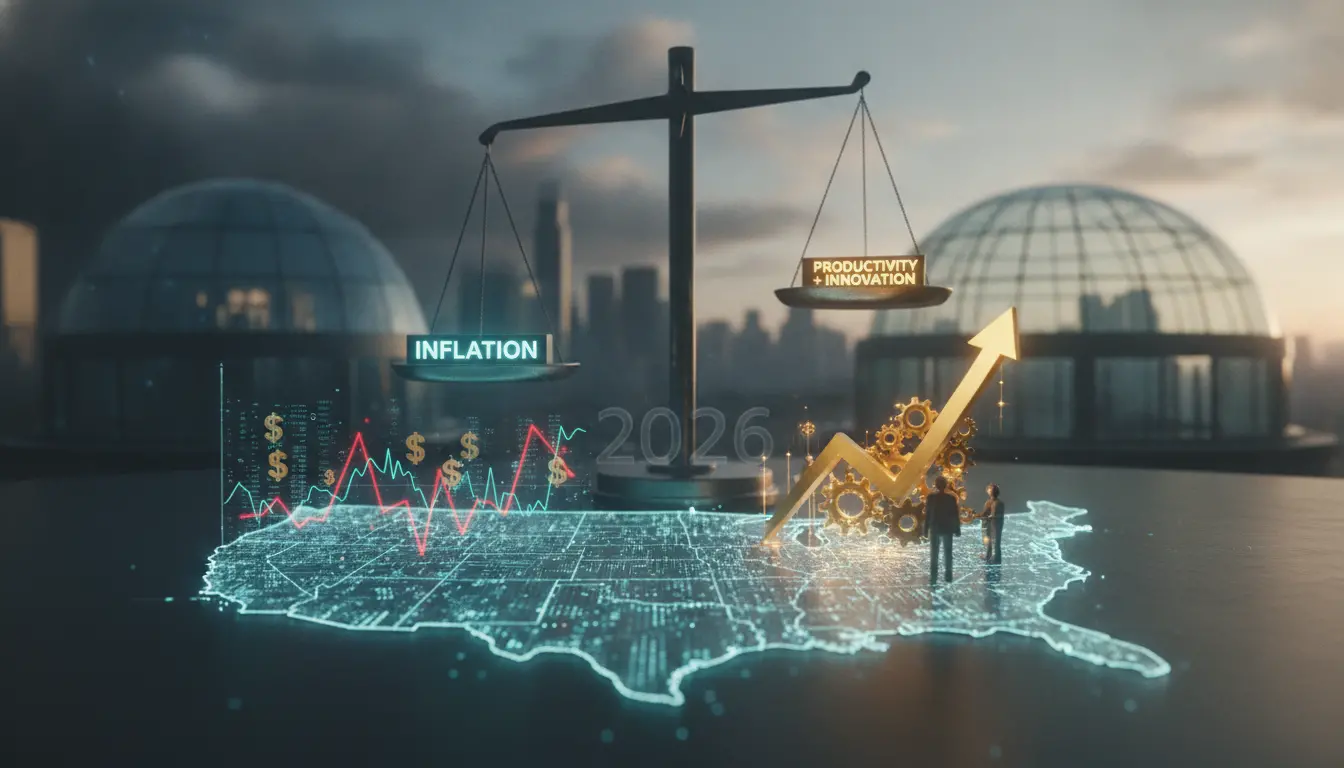
US Economic Outlook for 2026 Hinges on Inflation Control and Productivity Revival
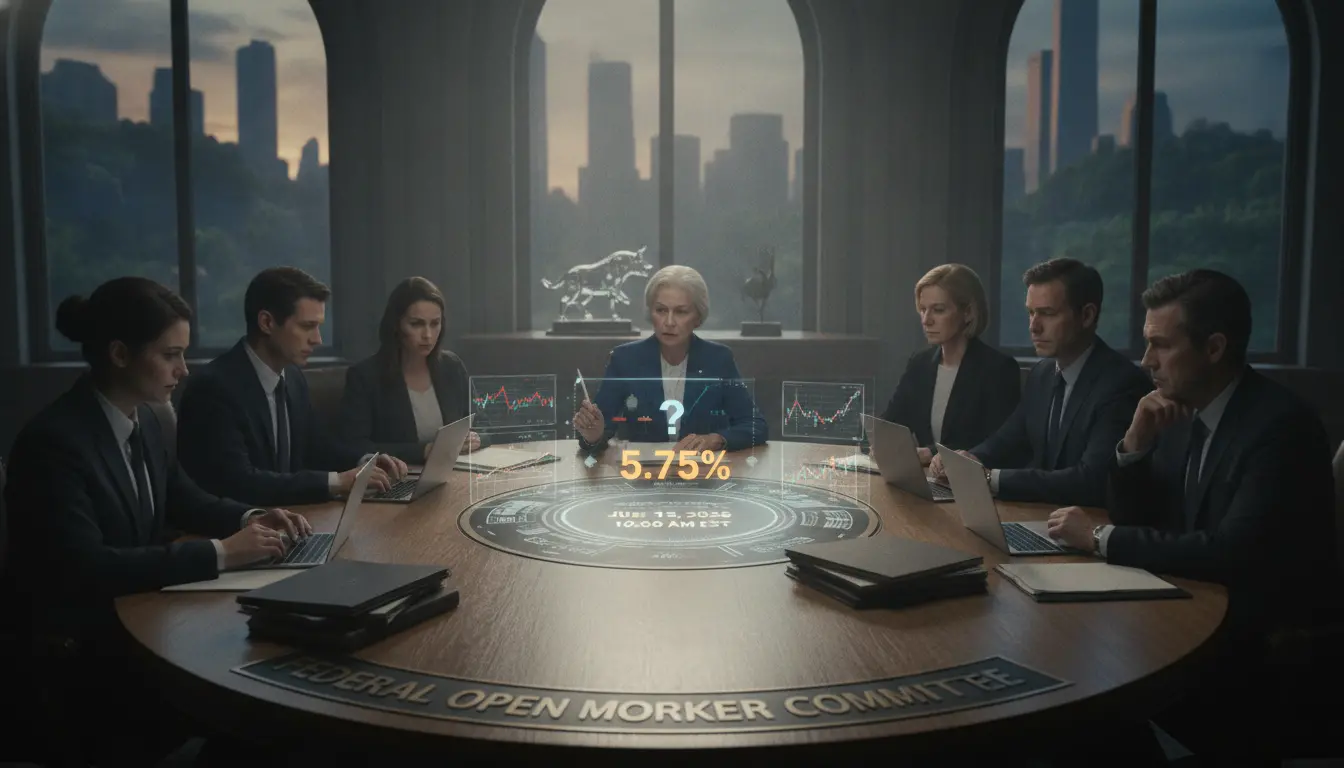
Federal Reserve Prepares for Critical July 2026 Rate Decision Amid Evolving Economic Landscape
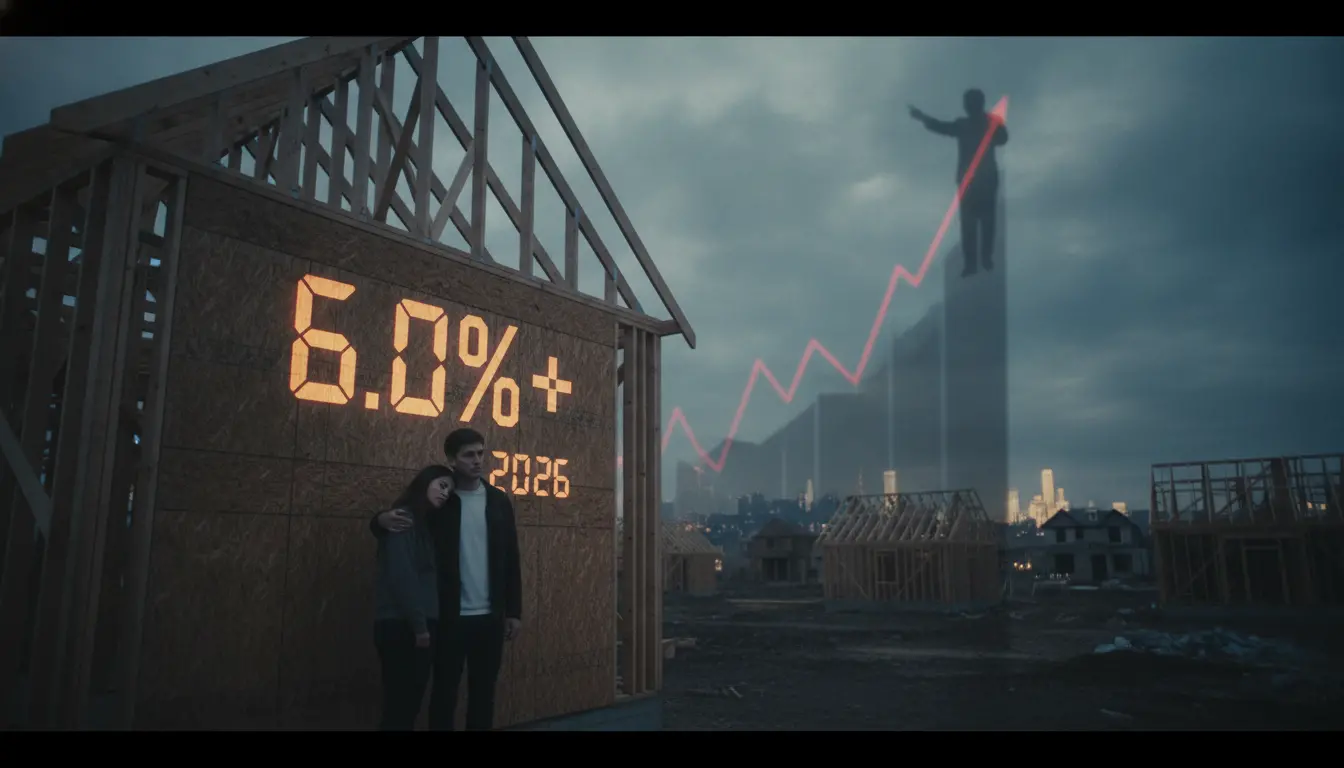
Fed's Inflation Battle Casts Long Shadow on Hopes for Sub-6% Mortgages by 2026
Economists Intensify Debate on US Recession Risk Through 2026 Amid Fed's Inflation Fight