

- News
- Finance
- US Core PCE Inflation Accelerates to 3.4% in May, Heightening Federal Reserve Policy Concerns
US Core PCE Inflation Accelerates to 3.4% in May, Heightening Federal Reserve Policy Concerns
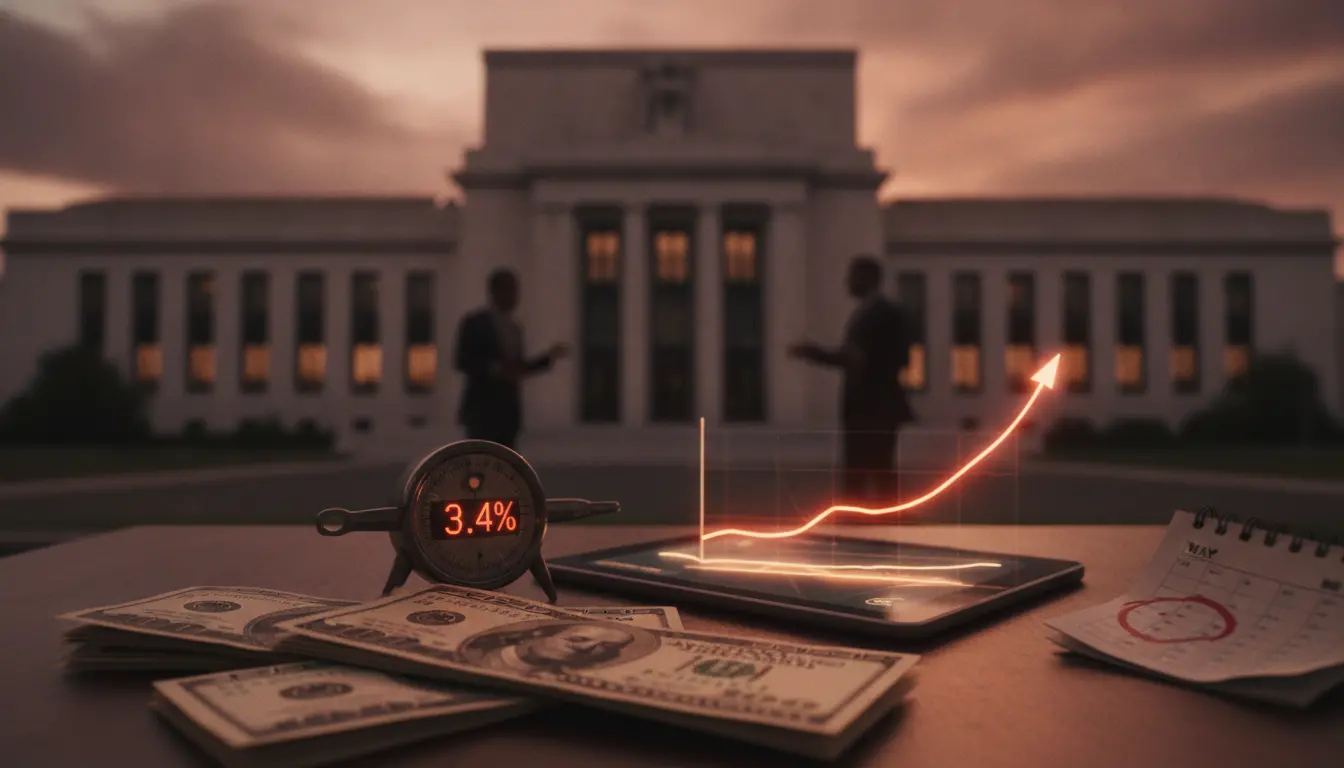
The United States core Personal Consumption Expenditures (PCE) price index, the Federal Reserve's preferred measure of inflation, registered a year-over-year increase of 3.4% in May, marking its highest level since October 2023. This uptick signals a persistent inflationary environment that presents a significant challenge for policymakers aiming to steer the economy toward price stability. The unexpected acceleration underscores the complex dynamics at play within the world's largest economy, reigniting debates about the trajectory of interest rates and the timeline for achieving the central bank’s elusive 2% inflation target.
Core PCE excludes volatile food and energy prices, offering a clearer picture of underlying inflationary trends. Its recent climb indicates that price pressures extend beyond these transient components, deeply embedding into services and other core goods. This resilience in inflation comes despite a sustained period of aggressive monetary tightening by the Federal Reserve, which has hiked its benchmark interest rate to a two-decade high. The Fed’s dual mandate of achieving maximum employment and price stability means that continued elevated inflation puts policymakers in a precarious position, balancing the risk of stifling economic growth against the imperative of taming rising costs for consumers.
The current inflationary landscape is influenced by a confluence of factors. A robust labor market, characterized by low unemployment and resilient wage growth, continues to fuel consumer spending, which in turn contributes to demand-side price pressures. Supply chain adjustments, while largely improved from pandemic-era disruptions, still present pockets of inefficiency that can drive up costs. Furthermore, housing inflation, though showing signs of moderation, remains a sticky component, with shelter costs filtering through the index with a lag. These underlying dynamics suggest that the path back to the Fed's 2% target will likely be protracted and fraught with potential setbacks.
Federal Reserve officials have consistently reiterated their commitment to bringing inflation down, emphasizing a data-dependent approach. Recent statements from Chairman Jerome Powell and other FOMC members have underscored a cautious stance, indicating that they require more definitive evidence of sustained disinflation before considering any adjustments to monetary policy, particularly interest rate cuts. The May PCE reading complicates this outlook, potentially pushing back expectations for rate reductions further into the future, and even reopening discussions about the possibility of further tightening should inflation prove more entrenched than anticipated.
The implications of this persistent inflation extend far beyond the financial markets. For American households, a higher cost of living erodes purchasing power and necessitates difficult budgetary decisions. Businesses face ongoing pressures from increased input costs and the challenge of passing these costs onto consumers without dampening demand. Globally, the US inflation trajectory has significant ramifications for currency markets, international trade, and the monetary policies of other central banks, as the Fed's actions ripple through the interconnected global economy.
Looking ahead towards June 2026, the current inflation data sets a challenging precedent for the Federal Reserve. The central bank's ability to navigate these complex economic currents without triggering a significant downturn will be closely scrutinized. Achieving a 'soft landing' – bringing inflation down without causing a recession – appears increasingly difficult as inflation proves more resilient than many forecasters initially predicted. The coming months will be critical, with each new data release shaping the Fed's strategy and influencing the broader economic outlook, determining whether price stability can truly be restored within a reasonable timeframe.
Economists and market analysts will be closely monitoring not only the headline and core PCE figures but also other key indicators such as wage growth, consumer sentiment, and unemployment rates. The persistent strength of the economy, combined with the stubbornness of inflation, suggests that the journey back to the Fed's target may involve continued vigilance and potentially a longer period of restrictive monetary policy than previously envisaged, fundamentally shaping the economic environment over the next two years.
Stay Informed. Act Smarter.
Get weekly highlights, major headlines, and expert insights — then put your knowledge to work in our live prediction markets.
Related News

Federal Reserve's Long-Term Inflation Battle Intensifies Ahead of July 2026 Core PCE Report
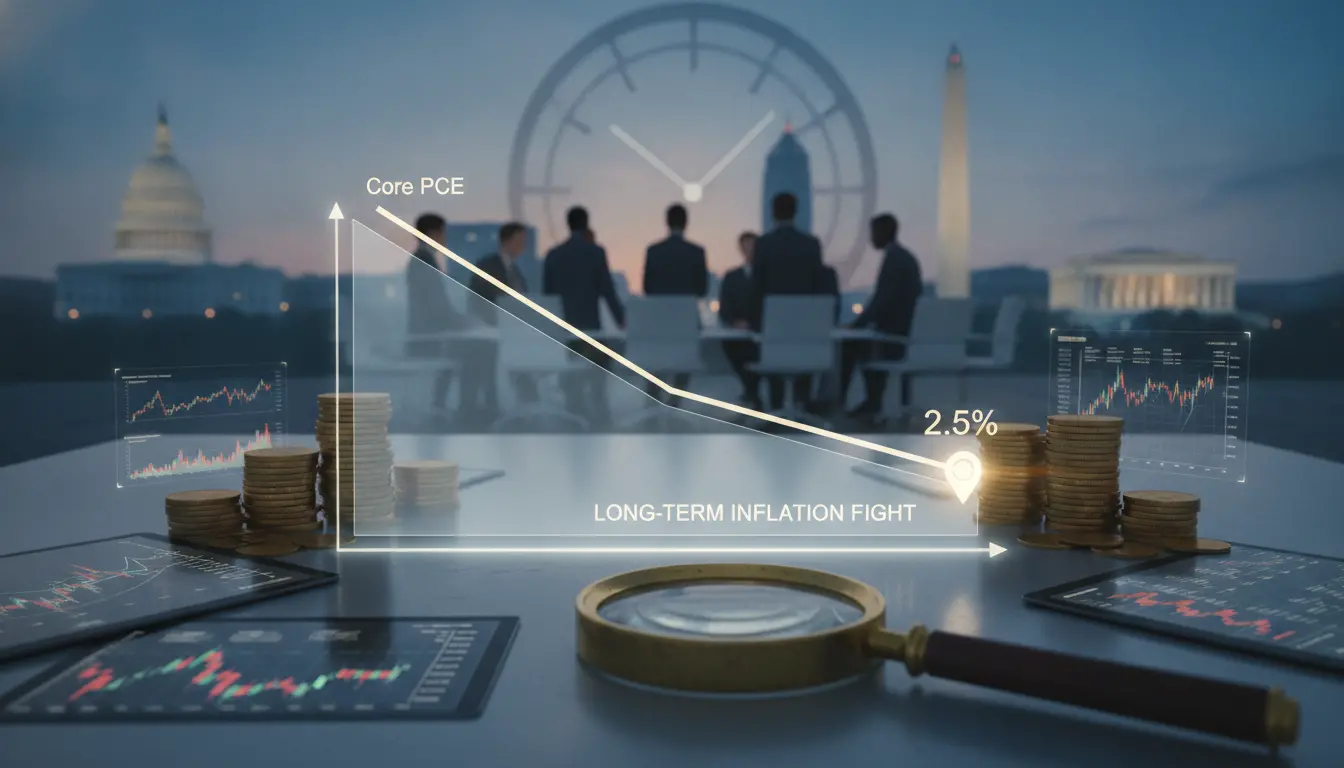
Fed’s Long-Term Inflation Fight Eyes 2.5 Percent Core PCE as Key Milestone
US Federal Reserve's Long-Term Interest Rate Path Under Intense Scrutiny

Economists Intensify Debate on US Recession Risk Through 2026 Amid Fed's Inflation Fight
Federal Reserve Signals Potential 2026 Rate Hike Amidst Growing AI-Driven Inflation Concerns
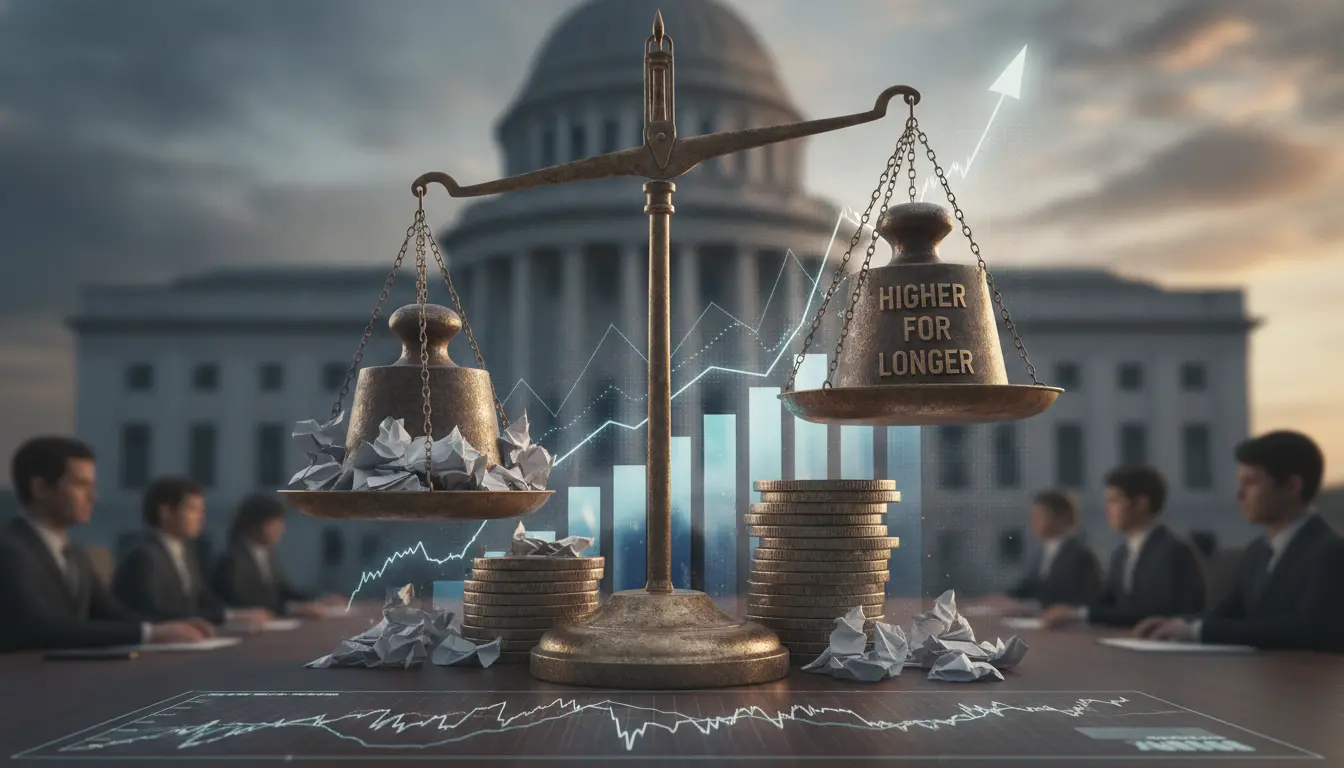
Fed Grapples With Long-Term Rate Outlook as 'Higher for Longer' Mantra Tested by Economic Data

Federal Reserve's Long-Term Strategy Under Scrutiny as Analysts Project Path to 2026 Rate Decisions
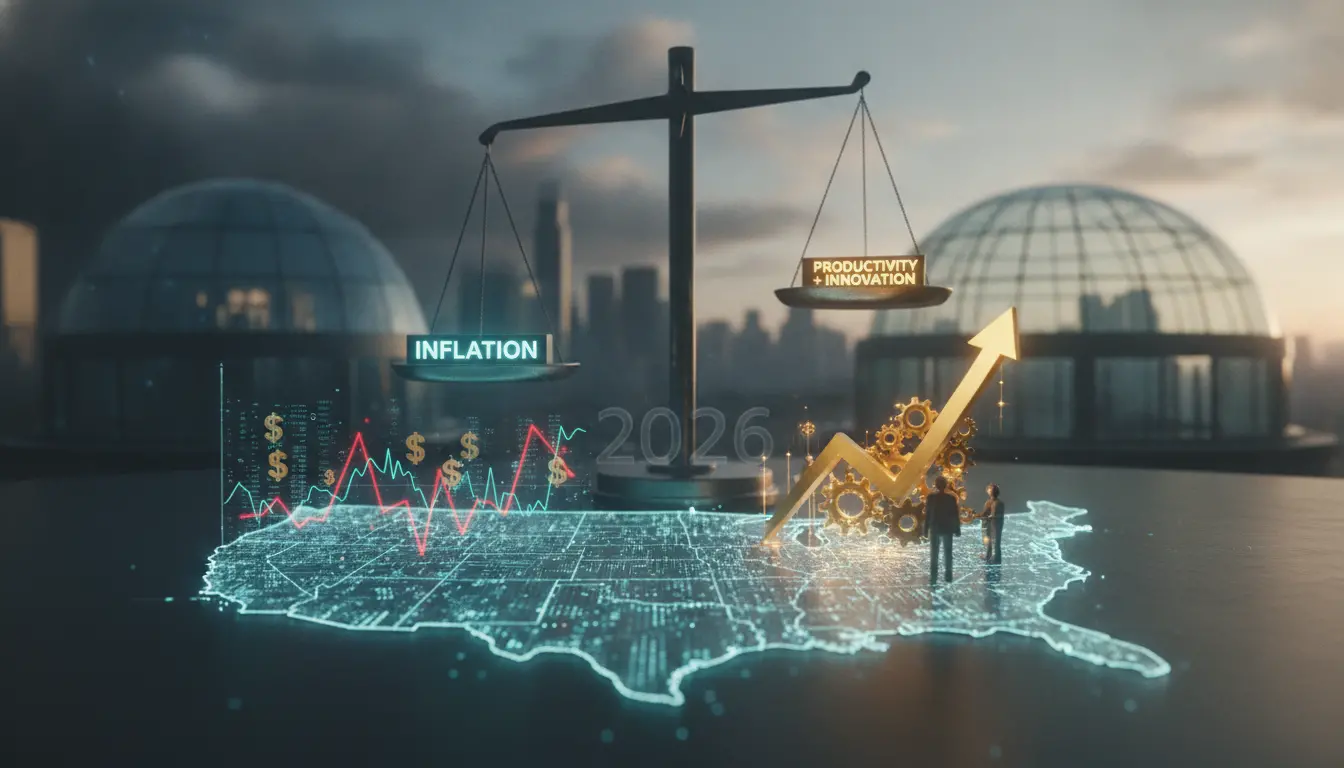
US Economic Outlook for 2026 Hinges on Inflation Control and Productivity Revival

US Economy Navigates Heightened Recession Risks Amidst Shifting Monetary Policy and Global Headwinds
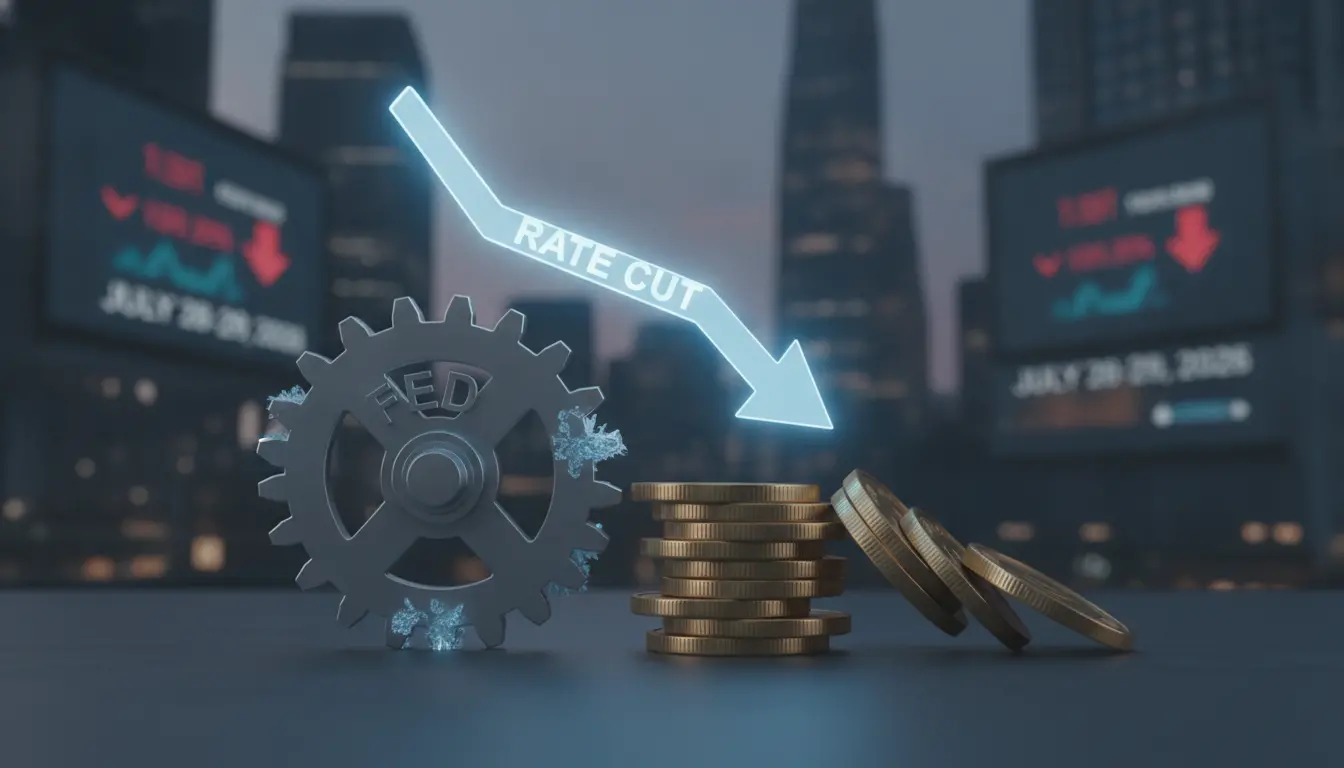
Fed Signals Potential July Rate Cut as Inflation Cools and Growth Slows