

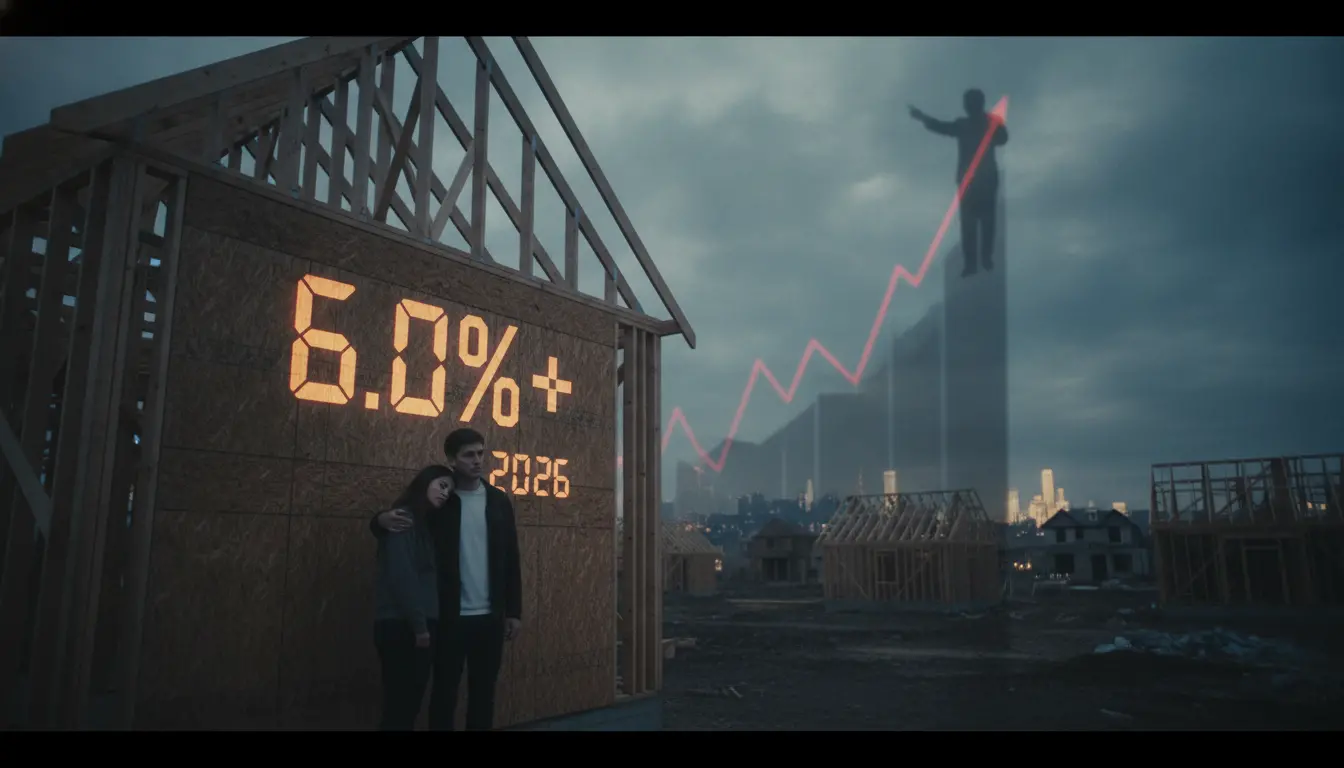
Fed's Inflation Battle Casts Long Shadow on Hopes for Sub-6% Mortgages by 2026
The American dream of homeownership remains pinned to a single, stubborn number: the interest rate on a 30-year fixed mortgage. For millions of prospective buyers, the prospect of that rate falling below the 6% threshold feels like a distant hope, a key that could unlock a housing market largely frozen by affordability concerns. The journey to that benchmark by the end of 2026, however, is fraught with economic uncertainty, hinging almost entirely on the Federal Reserve's protracted and delicate war against inflation. While rates have retreated from their two-decade peaks above 7.5%, their descent has been slow and uneven, leaving the market in a state of suspended animation.
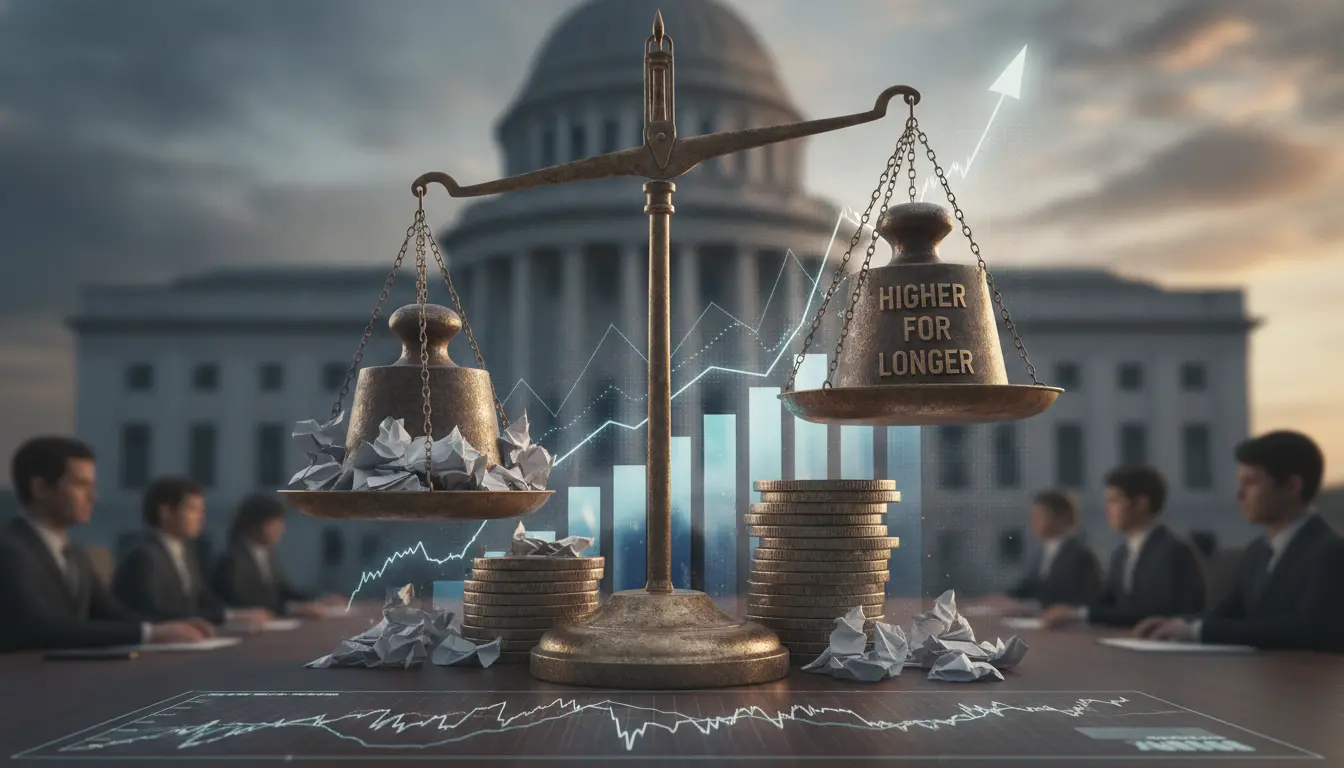
The current high-rate environment is a direct consequence of the Federal Reserve's aggressive monetary tightening campaign that began in early 2022. Faced with post-pandemic inflation soaring to 40-year highs, the central bank embarked on a rapid series of interest rate hikes, lifting its benchmark federal funds rate from near-zero to over 5%. While the Fed's target rate doesn't directly set mortgage rates, it heavily influences them. The policy reverberates through the bond market, particularly the yield on the 10-year Treasury note, which serves as the primary benchmark for 30-year mortgages. As the Fed signaled a “higher for longer” stance to ensure inflation was vanquished, bond yields remained elevated, keeping mortgage costs prohibitively high for many.
Now, the central question for the housing market is not if the Fed will cut rates, but when and how quickly. Federal Reserve Chair Jerome Powell and other officials have been clear: they need greater confidence that inflation is sustainably moving back toward their 2% target before they will consider easing policy. Recent economic data has provided a mixed picture, complicating the timeline. While inflation has cooled significantly from its peak, progress has stalled at times, with stubborn readings in services and housing costs. Simultaneously, a surprisingly resilient labor market and steady economic growth have given the Fed little reason to rush into rate cuts, fearing that a premature pivot could reignite price pressures.
For mortgage rates to fall below 6% and stay there, a specific sequence of events would likely need to unfold. The most favorable scenario involves a continued, gradual decline in inflation without a significant economic downturn—the coveted “soft landing.” In this outcome, the Fed could begin a slow, measured cycle of rate cuts later this year or in early 2025, allowing bond markets to stabilize and mortgage rates to drift downward over the next two years. A less optimistic path involves a more pronounced economic slowdown. Should the labor market weaken substantially or growth falter, the Fed would be forced to cut rates more aggressively, which would almost certainly pull mortgage rates below 6% but would come at the cost of a broader recession.
The implications for the housing market are profound. The current rate environment has created a “lock-in effect,” where existing homeowners with ultra-low mortgage rates secured before 2022 are unwilling to sell and move, crippling housing inventory. This supply shortage has kept home prices stubbornly high even as demand has weakened. A sustained drop in rates would be a double-edged sword. It would improve affordability and likely entice more sellers to list their homes, but it would also unleash a wave of pent-up demand from sidelined buyers. This influx could spark renewed bidding wars and potentially drive home prices even higher, offsetting some of the benefits of a lower borrowing cost.
Looking ahead to the 2026 horizon, the path for mortgage rates remains tethered to the Fed's delicate balancing act. The central bank is navigating between the risk of strangling the economy and the risk of letting inflation become entrenched. Its decisions over the coming 18 months will be the single most important determinant of borrowing costs. While a return to the 5% range seems plausible to many economists by 2026, it is far from guaranteed. For now, homebuyers, sellers, and the entire real estate industry will continue to watch the monthly inflation and employment reports with bated breath, knowing that each data point brings the dream of a sub-6% mortgage either a step closer or pushes it further away.
Stay Informed. Act Smarter.
Get weekly highlights, major headlines, and expert insights — then put your knowledge to work in our live prediction markets.
Related News

Federal Reserve's Rate Cut Prospects by 2026 Hinge on Evolving Inflation and Growth Data

Federal Reserve's Long-Term Strategy Under Scrutiny as Analysts Project Path to 2026 Rate Decisions
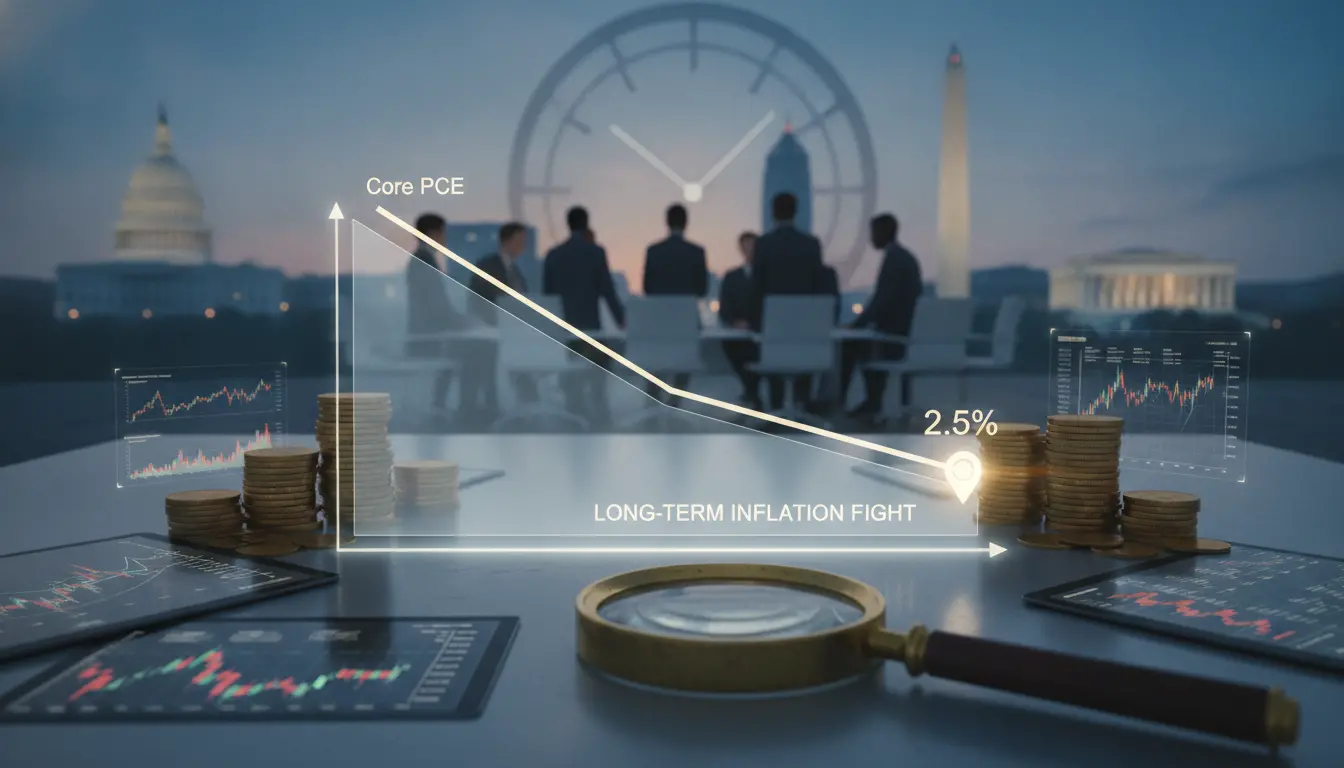
Fed’s Long-Term Inflation Fight Eyes 2.5 Percent Core PCE as Key Milestone
US Federal Reserve's Long-Term Interest Rate Path Under Intense Scrutiny

Federal Reserve Prepares for Critical July 2026 Rate Decision Amid Evolving Economic Landscape
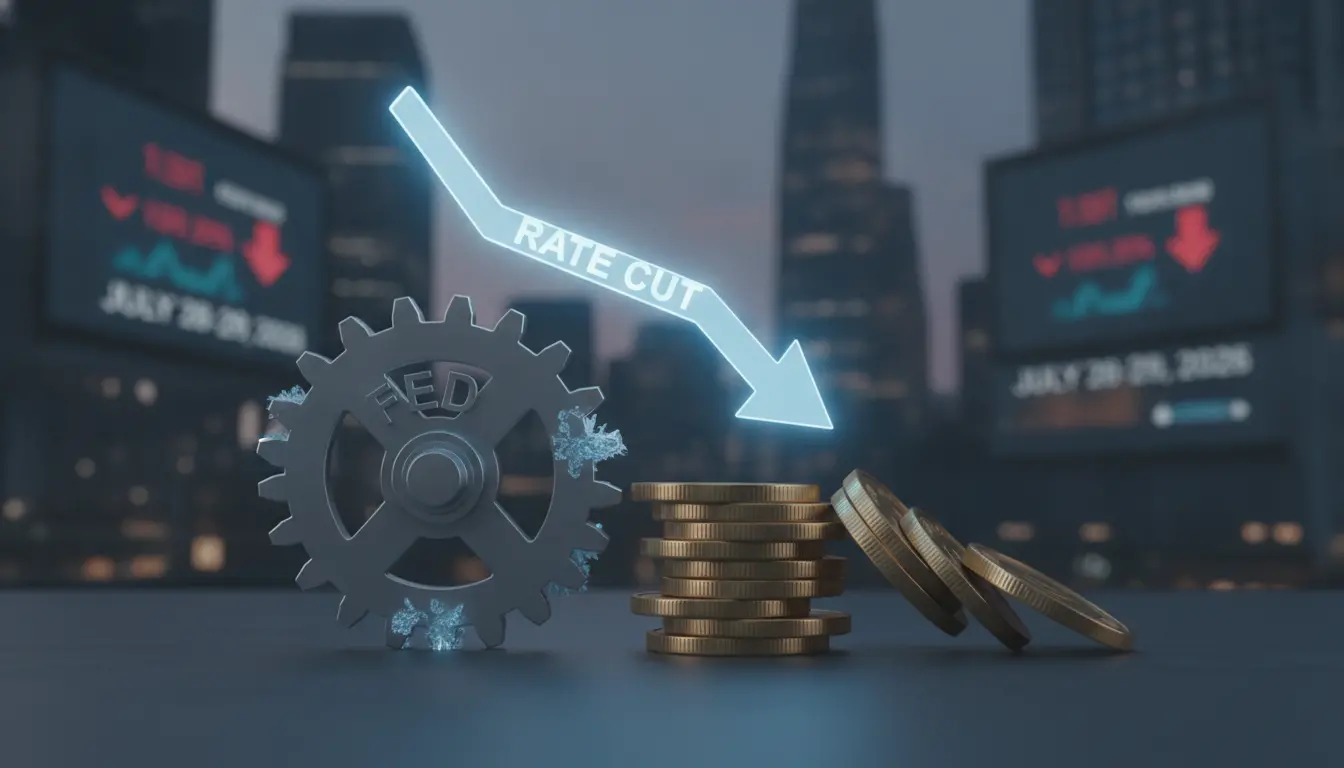
Fed Signals Potential July Rate Cut as Inflation Cools and Growth Slows

Federal Reserve Eyes Steady Rates for September 2026 FOMC Meeting Amid Evolving Economic Data

Federal Reserve's Long-Term Inflation Battle Intensifies Ahead of July 2026 Core PCE Report
Fed Grapples With Long-Term Rate Outlook as 'Higher for Longer' Mantra Tested by Economic Data
US Existing Home Sales Face Prolonged Headwinds Amid High Rates and Scarce Inventory