

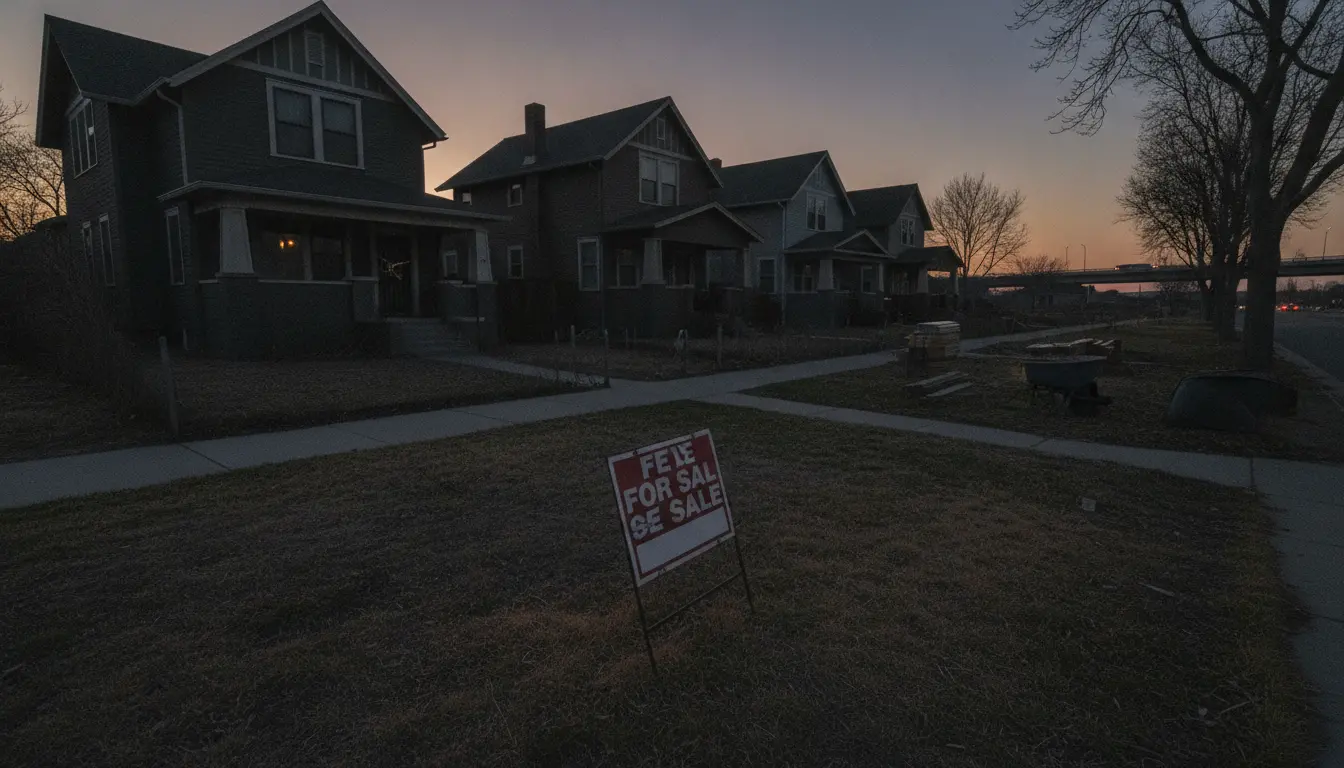
US Existing Home Sales Face Prolonged Headwinds Amid High Rates and Scarce Inventory
The United States housing market continues to navigate a challenging landscape, with existing home sales persistently constrained by high mortgage rates and a chronic shortage of available properties. Data releases from the National Association of Realtors (NAR) have consistently painted a picture of a market struggling to regain momentum, impacting everything from consumer confidence to broader economic growth. Existing home sales, representing the vast majority of the housing market, are a critical barometer of economic health, reflecting both affordability and homeowner mobility.
At the core of the current stagnation are two intertwined factors: elevated borrowing costs and historically low inventory. The Federal Reserve's aggressive interest rate hikes over the past few years, aimed at taming inflation, have pushed mortgage rates significantly higher than the ultra-low levels seen during the pandemic. This has created a powerful 'lock-in' effect, where homeowners who secured mortgages at 3% or 4% are reluctant to sell, knowing that purchasing a new home would entail a much higher monthly payment. Consequently, the supply of homes coming onto the market has remained remarkably tight, preventing any significant downward pressure on prices despite the reduced transaction volume.
This dynamic disproportionately affects various segments of potential buyers. First-time homebuyers, in particular, face a double whammy of high prices and steep interest rates, making the dream of homeownership increasingly elusive. Even move-up buyers, who typically rely on selling their current home to finance a new purchase, are finding themselves hesitant to trade up due to the substantial increase in their potential mortgage payments. While some regional variations exist, with certain metropolitan areas experiencing more acute supply issues or slight price corrections, the overall national trend indicates a market characterized by limited options and significant financial hurdles for prospective purchasers.
Recent data reflects this ongoing struggle. While there have been sporadic upticks in sales volume, these have largely been minor fluctuations rather than a sustained recovery. Pending home sales, an indicator of future activity, have similarly shown volatility, unable to break free from the overarching trends of affordability and inventory constraints. The median existing home price has also largely held steady or continued to tick upward in many areas, fueled by the scarcity of listings, further exacerbating the affordability crisis. Industry analysts point to a delicate balance: demand still exists, but it is effectively sidelined by the prevailing market conditions.
The implications of a sluggish housing market extend beyond just real estate agents and lenders. A healthy housing sector typically bolsters consumer wealth through equity gains, encourages spending on home furnishings and renovations, and supports employment in construction and related industries. When sales are depressed, these multiplier effects diminish, potentially dampening overall economic activity. Policy discussions around increasing housing supply, whether through new construction incentives or streamlining zoning regulations, have intensified, but solutions are complex and take time to materialize.
Looking ahead, the trajectory of existing home sales will largely hinge on several macroeconomic variables. Any sustained reduction in inflation could pave the way for the Federal Reserve to begin cutting interest rates, which would provide some relief to mortgage rates and potentially unlock more inventory as the 'lock-in' effect lessens. However, economists caution that a return to the frenetic pace of sales seen during the pandemic is unlikely. A more balanced market would require not only more favorable interest rates but also a substantial increase in housing starts to address the long-term structural deficit in housing supply across the country. The path to a truly robust and accessible housing market remains multifaceted and complex, requiring a convergence of economic stability and strategic policy interventions to foster a more dynamic environment for both buyers and sellers alike.
Stay Informed. Act Smarter.
Get weekly highlights, major headlines, and expert insights — then put your knowledge to work in our live prediction markets.
Related News
Fed's Inflation Battle Casts Long Shadow on Hopes for Sub-6% Mortgages by 2026

Economists Intensify Debate on US Recession Risk Through 2026 Amid Fed's Inflation Fight

US Economy Navigates Heightened Recession Risks Amidst Shifting Monetary Policy and Global Headwinds

Economists Intensify Debate on US Recession Timeline Amid Evolving Economic Landscape

US Banking Sector Under Close Scrutiny Amid Persistent Stability Concerns

US Economic Outlook for 2026 Hinges on Inflation Control and Productivity Revival
US Federal Reserve's Long-Term Interest Rate Path Under Intense Scrutiny

US Consumer Spending Under Spotlight Ahead of June 2026 Retail Sales Release

Fed Grapples With Long-Term Rate Outlook as 'Higher for Longer' Mantra Tested by Economic Data

Federal Reserve's Rate Cut Prospects by 2026 Hinge on Evolving Inflation and Growth Data