


US Consumer Spending Under Spotlight Ahead of June 2026 Retail Sales Release
The United States economy is bracing for the highly anticipated release of the June 2026 retail sales data by the US Census Bureau, a pivotal economic indicator poised to offer a comprehensive snapshot of consumer spending trends. This monthly report, meticulously watched by financial markets, policymakers, and businesses alike, is considered a crucial barometer of overall economic health, given that personal consumption expenditures account for the largest share of the nation's gross domestic product. The figures are expected to shape perceptions regarding inflationary pressures, the Federal Reserve's future monetary policy trajectory, and the resilience of American households in a dynamic economic landscape.
Historically, retail sales data provides valuable insights into consumer confidence and economic momentum. A robust increase typically signals healthy demand, often driven by strong employment figures and stable incomes, which in turn can bolster business investment and hiring. Conversely, a significant slowdown or contraction in sales can be a precursor to economic deceleration, raising concerns about potential recessionary pressures. Analysts will be scrutinizing the month-over-month percentage change, not just for the headline number, but also for underlying trends across various retail sectors, seeking to discern patterns in discretionary versus essential spending and the broader impact of prevailing economic conditions on household budgets.
Leading up to mid-2026, the US economy has navigated a complex period characterized by fluctuating inflation rates, a tight labor market, and a series of interest rate adjustments by the Federal Reserve aimed at reining in price growth. Consumers have shown remarkable adaptability, shifting spending habits in response to economic realities. While some sectors, particularly services, have experienced sustained demand, the goods-centric retail segment has seen varied performance. Supply chain adjustments, evolving e-commerce penetration, and the ongoing debate surrounding consumer debt levels all contribute to the nuanced picture that the June 2026 report is expected to reflect, setting the tone for the latter half of the year.
Financial professionals often delve beyond the top-line retail sales figure, paying close attention to “core” retail sales, which typically exclude the more volatile categories such as automobile sales and gasoline purchases. These adjusted figures are believed to offer a more stable and accurate reflection of underlying consumer demand for a broad range of goods. Additionally, the report’s breakdown by store type — from department stores and specialty retailers to food services and online vendors — provides granular detail that can illuminate specific sector strengths and weaknesses, informing investment decisions and corporate strategy across the retail ecosystem. The impact of inflation, while influencing nominal sales figures, will also be implicitly assessed to understand real consumer purchasing power.
The implications of the June 2026 retail sales report are far-reaching. A stronger-than-expected performance could reinforce the narrative of a resilient economy, potentially giving the Federal Reserve less impetus to consider interest rate cuts, or even signaling a need to maintain a restrictive stance longer if inflation remains sticky. Such an outcome could lead to a reassessment of market expectations for future rate movements and potentially influence bond yields and currency valuations. Conversely, a weaker-than-anticipated showing might trigger concerns about softening demand, amplifying calls for accommodative monetary policy to prevent a more significant economic downturn, thereby impacting equity markets and investor sentiment.
For businesses, the data will be critical for inventory management, hiring decisions, and future investment plans. Retailers, manufacturers, and logistics companies heavily rely on these indicators to anticipate consumer trends and adjust their operations accordingly. Understanding whether consumers are continuing to spend, tightening their belts, or shifting their preferences provides vital intelligence for strategic planning. Ultimately, the June 2026 retail sales figures will serve as a key puzzle piece, alongside employment data, inflation metrics, and manufacturing output, contributing to a clearer understanding of the overall economic trajectory as the nation progresses through the year.
The global economy, too, will be watching closely, as the health of the American consumer often has spillover effects on international trade and supply chains. While no single data point dictates the entirety of economic policy or market movement, the upcoming retail sales report stands as a definitive moment for assessing the immediate future of consumer-driven growth in the US, providing essential clarity amidst an ever-evolving macroeconomic environment.
Stay Informed. Act Smarter.
Get weekly highlights, major headlines, and expert insights — then put your knowledge to work in our live prediction markets.
Related News

Federal Reserve's Long-Term Inflation Battle Intensifies Ahead of July 2026 Core PCE Report

US Consumer Sentiment Index Poised for Release Amid Persistent Economic Pressures

Economists Intensify Debate on US Recession Risk Through 2026 Amid Fed's Inflation Fight
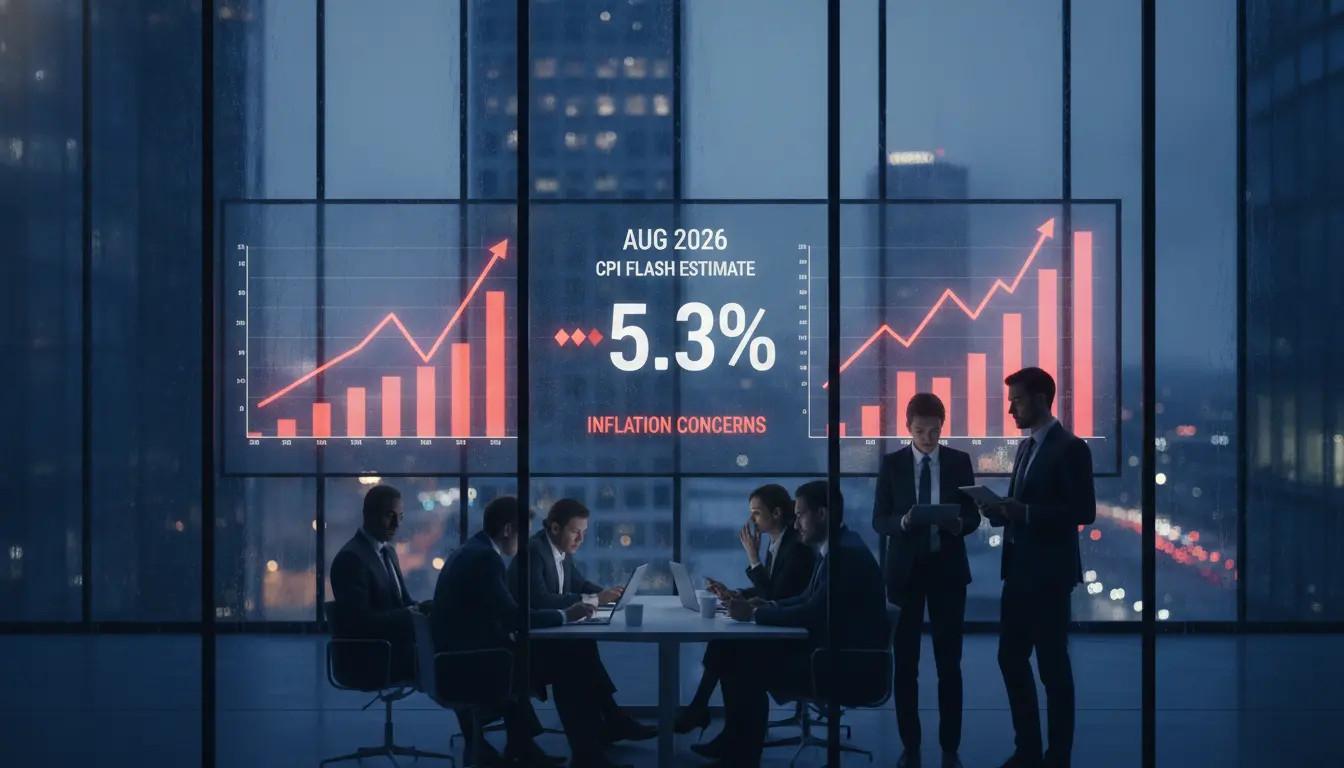
Eurozone Awaits Crucial August 2026 CPI Flash Estimate Amid Persistent Inflation Concerns

US Unemployment Rate Poised for Scrutiny Ahead of Mid-2026 Data Release
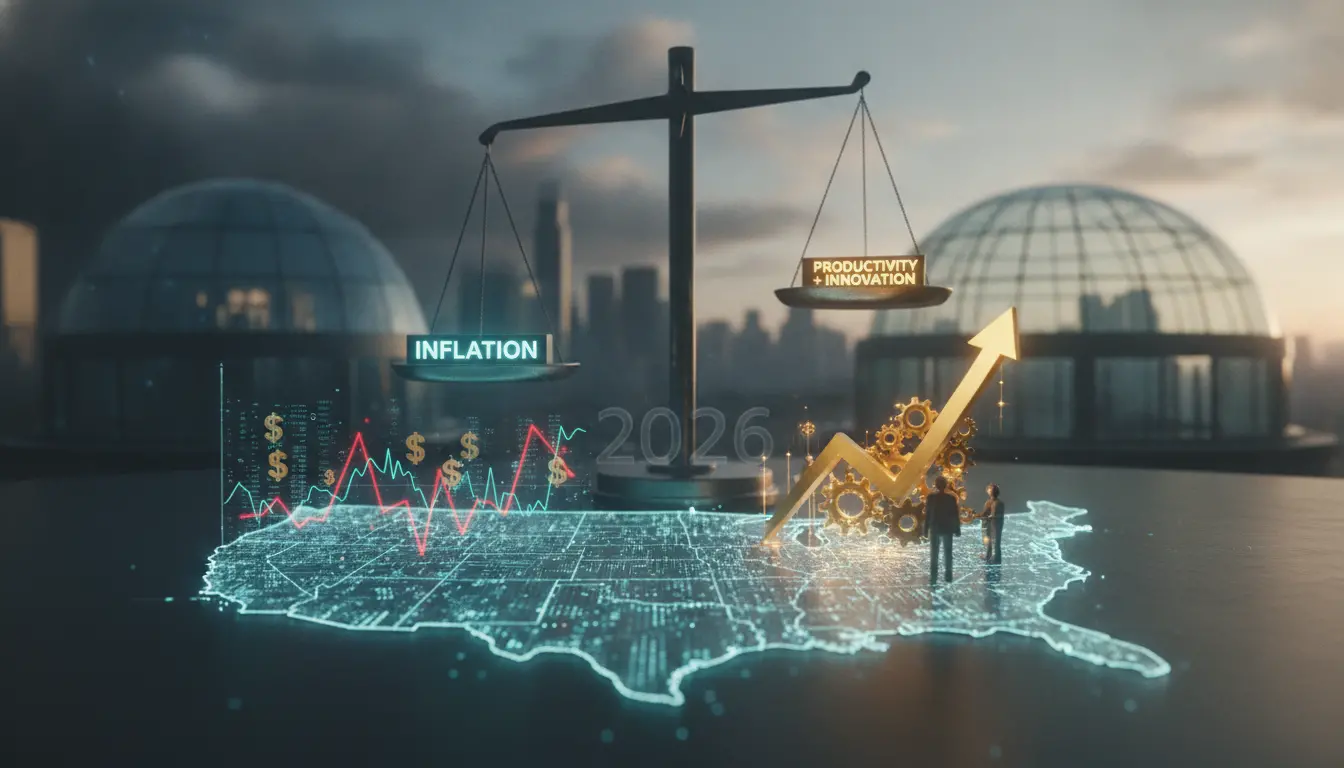
US Economic Outlook for 2026 Hinges on Inflation Control and Productivity Revival

Fed Signals Potential July Rate Cut as Inflation Cools and Growth Slows

US Economy Navigates Heightened Recession Risks Amidst Shifting Monetary Policy and Global Headwinds
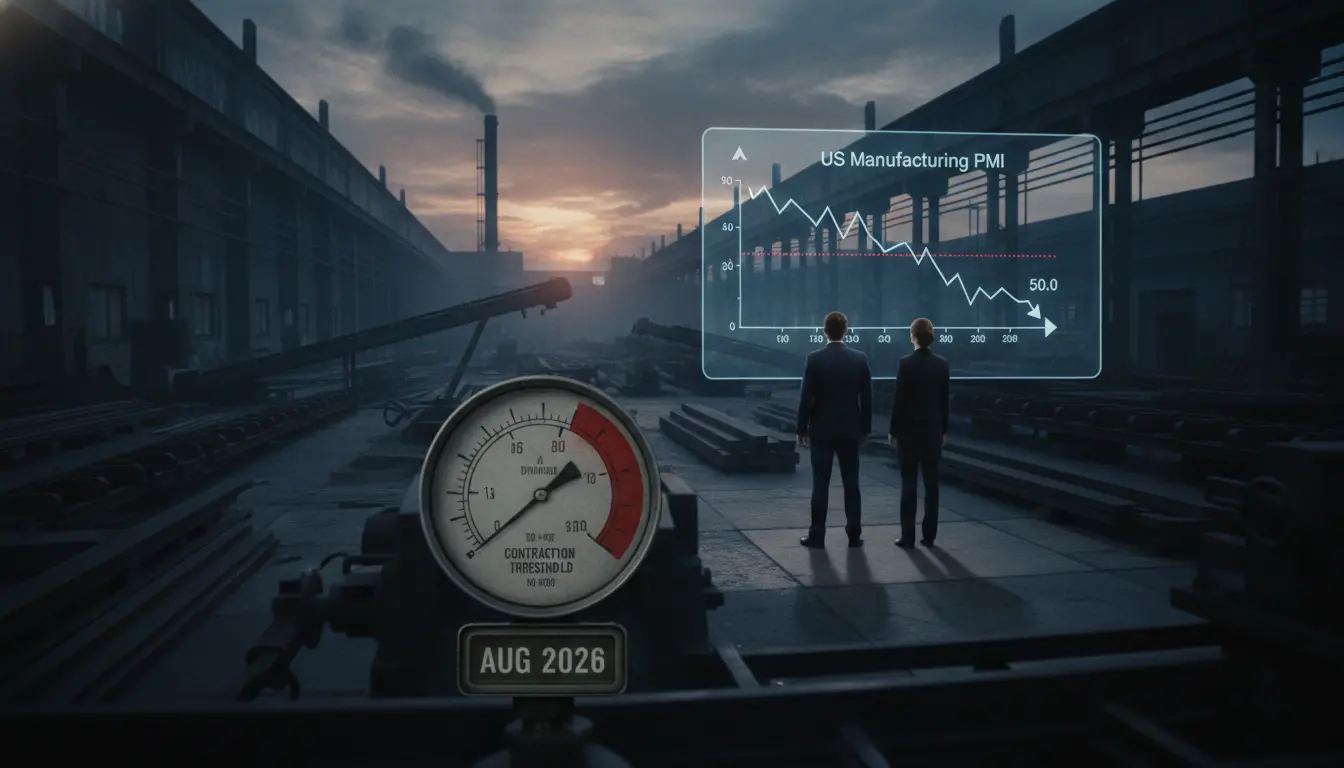
US Manufacturing Sector Faces Scrutiny as August 2026 PMI Nears Critical Contraction Threshold

US Core PCE Inflation Accelerates to 3.4% in May, Heightening Federal Reserve Policy Concerns