

- News
- Finance
- Federal Reserve Signals Potential 2026 Rate Hike Amidst Growing AI-Driven Inflation Concerns
Federal Reserve Signals Potential 2026 Rate Hike Amidst Growing AI-Driven Inflation Concerns
The United States Federal Reserve is navigating a complex economic landscape, with recent signals from its Federal Open Market Committee (FOMC) indicating a potential shift towards higher interest rates by late 2026. This evolving stance comes as policymakers grapple with persistent inflation and increasingly consider the long-term economic impact of artificial intelligence, which some officials believe could add upward pressure to prices.
At its June 2026 meeting, the FOMC opted to hold the federal funds rate steady, maintaining a period of stability following previous adjustments. However, the accompanying Summary of Economic Projections (SEP) revealed a notable change in sentiment among committee members. The updated "dot plot," which reflects individual policymakers' expectations for the appropriate federal funds rate, suggested a consensus leaning towards at least one rate hike before the year's end. This subtle but significant alteration underscores the central bank's vigilance regarding price stability and its readiness to act should economic conditions warrant.
Adding a novel layer to the inflation debate are the insights from several Fed officials, including Cleveland Fed President Hammack. Hammack has publicly indicated that the rapid advancement and widespread adoption of artificial intelligence could become a significant inflationary force. The argument posits that while AI promises substantial productivity gains in the long run, its immediate impact could drive up demand for specialized labor, energy, and computational resources, leading to higher costs across various sectors. Furthermore, if AI adoption disproportionately benefits certain firms, it could lead to increased market concentration and reduced competitive pressures, allowing dominant companies greater pricing power.
This perspective introduces a fresh challenge to the Fed's traditional inflation models, which have historically focused on factors like labor market tightness, supply chain disruptions, and fiscal stimulus. The potential for AI to influence both demand-side and supply-side dynamics simultaneously means that policymakers must now consider a new, highly unpredictable variable in their forecasts. The debate within economic circles centers on whether AI's deflationary potential through efficiency gains will outweigh its inflationary pressures, or if a more nuanced, sector-specific impact will emerge.
For businesses and consumers, the prospect of future rate hikes carries significant implications. Higher interest rates typically translate to increased borrowing costs for everything from mortgages and car loans to corporate investments. This could temper economic growth, potentially impacting job creation and consumer spending. Conversely, inaction by the Fed in the face of persistent inflationary pressures risks eroding purchasing power and destabilizing financial markets. The central bank faces the delicate task of threading the needle between curbing inflation and fostering sustainable economic expansion, with the added complexity of a rapidly transforming technological landscape.
The FOMC's data-dependent approach means that any future rate decisions will hinge on incoming economic reports, including inflation metrics, employment figures, and broader indicators of economic activity. The evolution of AI's economic footprint will undoubtedly be a key area of focus for the Fed in the coming months, necessitating continuous monitoring and analysis. As the global economy continues to navigate uncertainties, the central bank's balancing act—aiming for both price stability and maximum employment—becomes ever more challenging, particularly as groundbreaking technological advancements reshape fundamental economic structures.
The discussions surrounding AI's inflationary potential highlight the proactive, forward-looking nature required of monetary policy in an era of rapid technological change. While the immediate outlook suggests a steady hand on the tiller, the shift in the SEP for 2026 underscores a readiness to adjust course if new economic realities, particularly those emerging from the AI revolution, dictate a stronger response to maintain long-term price stability.
Stay Informed. Act Smarter.
Get weekly highlights, major headlines, and expert insights — then put your knowledge to work in our live prediction markets.
Related News

Federal Reserve Prepares for Critical July 2026 Rate Decision Amid Evolving Economic Landscape
US Federal Reserve's Long-Term Interest Rate Path Under Intense Scrutiny

Federal Reserve Eyes Steady Rates for September 2026 FOMC Meeting Amid Evolving Economic Data
Federal Reserve's Long-Term Strategy Under Scrutiny as Analysts Project Path to 2026 Rate Decisions
Federal Reserve's Rate Cut Prospects by 2026 Hinge on Evolving Inflation and Growth Data
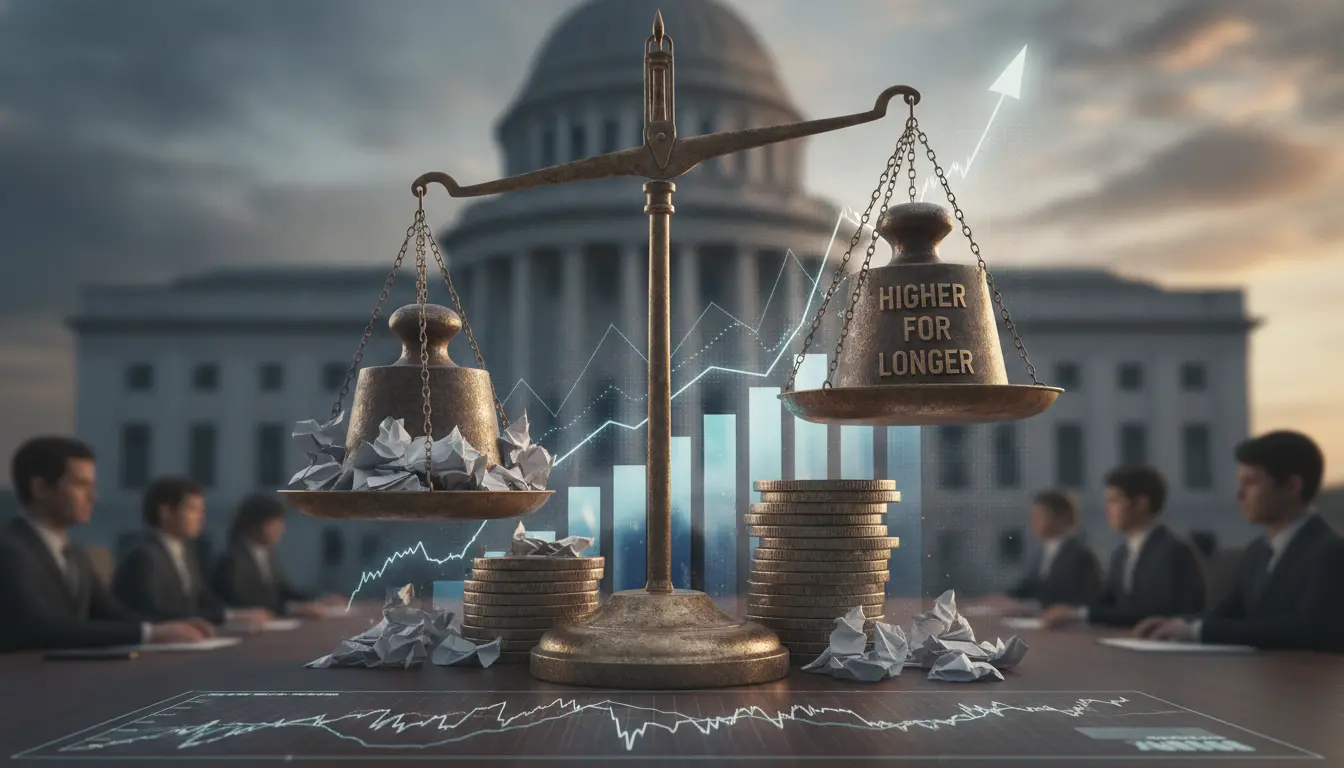
Fed Grapples With Long-Term Rate Outlook as 'Higher for Longer' Mantra Tested by Economic Data
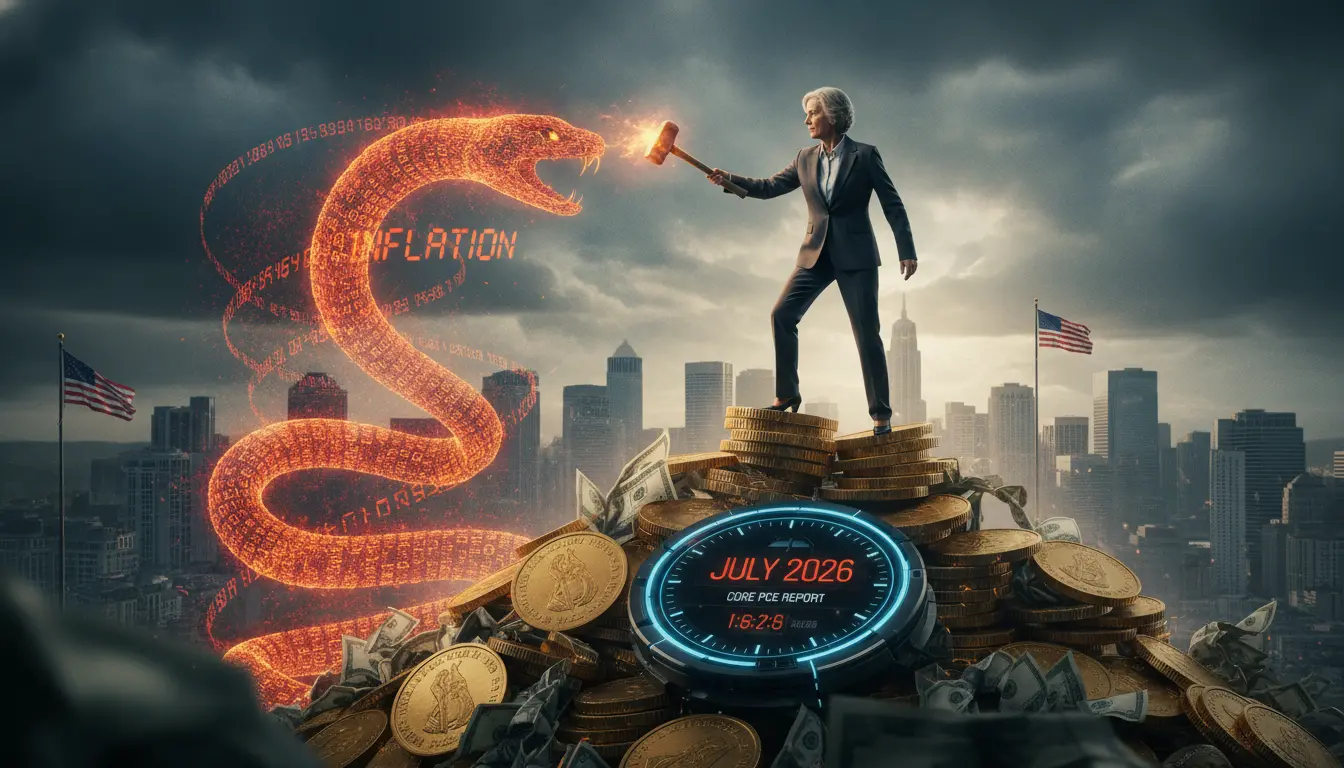
Federal Reserve's Long-Term Inflation Battle Intensifies Ahead of July 2026 Core PCE Report

Analysts Eye Potential Rise in US Unemployment Rate as Federal Reserve Navigates Economic Crossroads
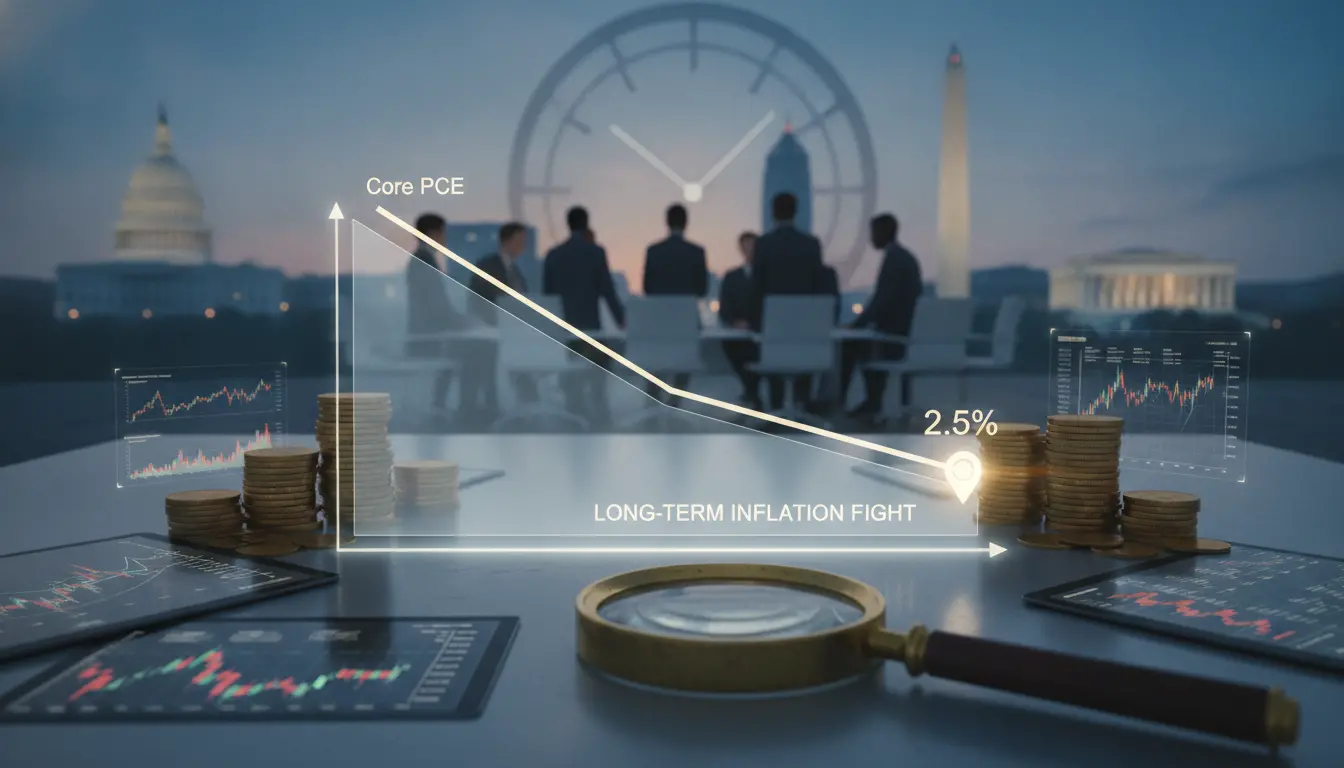
Fed’s Long-Term Inflation Fight Eyes 2.5 Percent Core PCE as Key Milestone
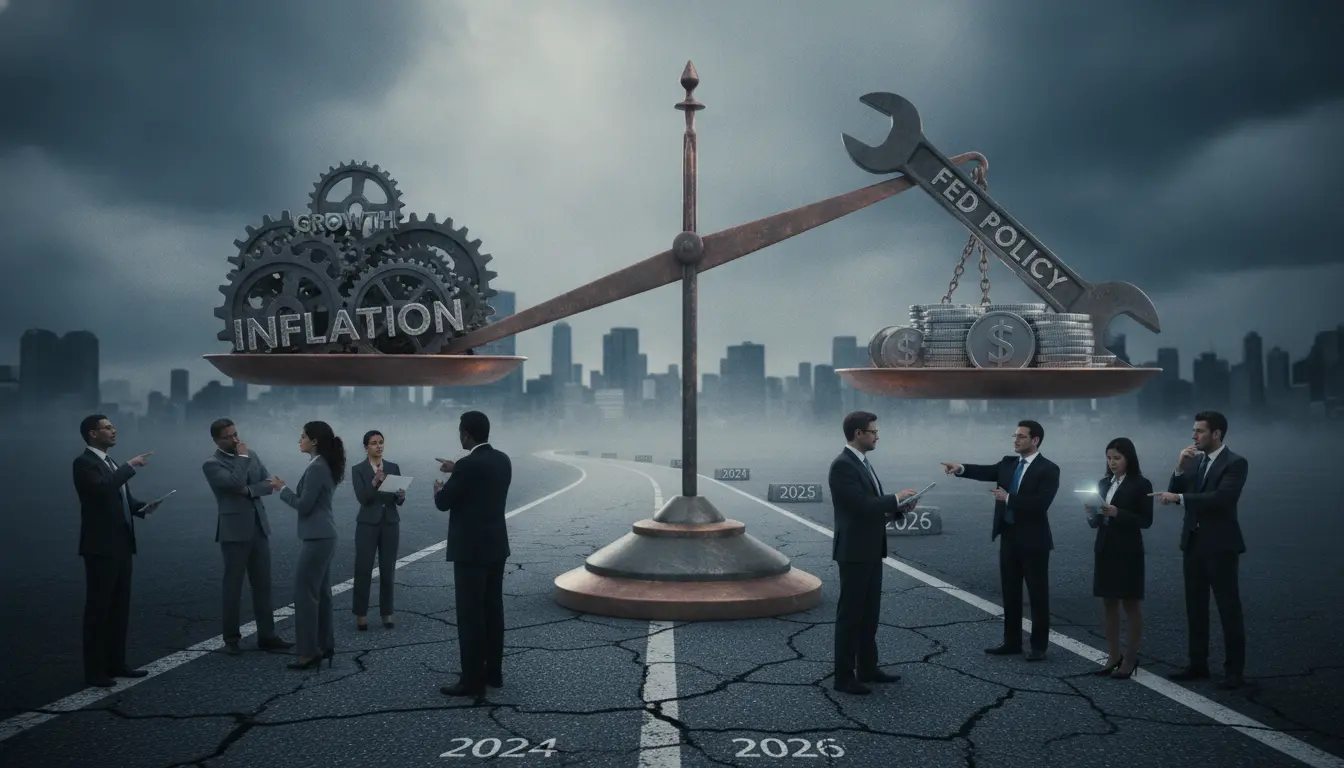
Economists Intensify Debate on US Recession Risk Through 2026 Amid Fed's Inflation Fight