

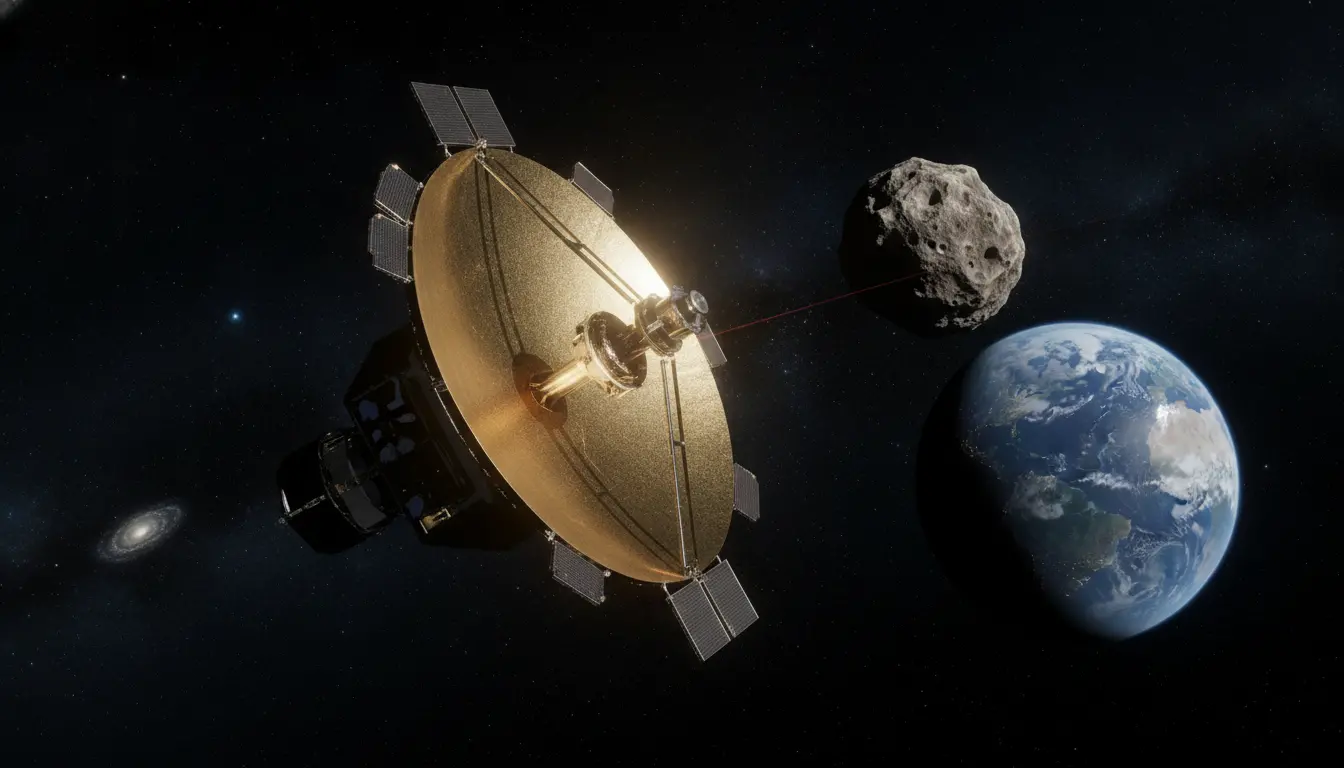
NASA's NEO Surveyor Mission Gears Up for 2026 Launch, Strengthening Planetary Defense
The National Aeronautics and Space Administration (NASA) is advancing preparations for its groundbreaking Near-Earth Object (NEO) Surveyor mission, a critical component of humanity’s planetary defense strategy. Scheduled for launch on September 20, 2026, aboard a SpaceX Falcon 9 rocket, this infrared space telescope is designed to detect and characterize potentially hazardous asteroids and comets that could pose a threat to Earth. The mission represents a significant leap forward in our ability to identify and track objects in our cosmic neighborhood, providing crucial lead time for potential mitigation efforts.
The imperative for a dedicated space-based NEO survey has grown steadily over recent decades. While ground-based telescopes have made substantial contributions to cataloging near-Earth objects, they face limitations, including atmospheric interference and blind spots caused by solar glare. Incidents like the Chelyabinsk meteor event in 2013, which caught scientists by surprise and caused significant damage and injuries, underscore the urgent need for a more comprehensive and vigilant watch. NEO Surveyor builds on the legacy of previous missions, such as NEOWISE, by offering enhanced capabilities to discover a greater number of asteroids, especially those that are dark and do not reflect much visible light, making them difficult to spot.
At the heart of the NEO Surveyor mission is its advanced infrared imaging system. Unlike visible-light telescopes, which rely on reflected sunlight, NEO Surveyor will detect the heat signature emitted by asteroids and comets. This thermal signature provides a more accurate measure of an object's size and can reveal objects that are too dark or too small to be efficiently detected by conventional means. Operating from a Sun-Earth L1 Lagrange point orbit, the telescope will have an unobstructed view of the solar system, allowing it to survey vast swathes of space and compile a more complete inventory of NEOs, particularly those in orbits that bring them close to Earth. The data gathered will be vital for refining orbital predictions and assessing the actual risk posed by these celestial bodies.
The collaboration between NASA and SpaceX for the launch of NEO Surveyor highlights the increasing reliance on commercial space partners to achieve ambitious scientific objectives. The Falcon 9, a workhorse in the commercial launch industry, will provide the reliable and cost-effective transportation needed to place the sophisticated telescope into its operational orbit. This partnership underscores a broader trend in space exploration, where government agencies leverage private sector innovation and efficiency to accelerate mission timelines and expand access to space. For planetary defense, this synergy is crucial, enabling the rapid deployment of essential observation assets.
Ultimately, NEO Surveyor is more than just a scientific endeavor; it is a proactive measure to safeguard our planet. By identifying potentially hazardous objects years or even decades in advance, the mission aims to provide the critical warning time necessary for humanity to respond, whether through further observation, trajectory adjustments, or, in extreme cases, deflection technologies. The comprehensive catalog of NEOs and their characteristics compiled by Surveyor will inform future international planetary defense efforts, solidifying Earth's readiness against potential cosmic impacts and ensuring a more secure future for generations to come. This mission represents a global commitment to understanding and mitigating the risks from space, turning a potential threat into a manageable challenge through advanced scientific foresight.
Stay Informed. Act Smarter.
Get weekly highlights, major headlines, and expert insights — then put your knowledge to work in our live prediction markets.
Related News

Experts Warn of Potentially Exceptionally Active 2026 Atlantic Hurricane Season

US Political Landscape Girds for Pivotal 2026 Midterm Elections as Control of Congress Hangs in Balance

2026 Midterms Set to Decide Critical Control of US House of Representatives

Major US Cities Begin Prepping for Potential July 4th Event Disruptions Amid Escalating Heat Risks by 2026

US Senate Confirms Jay Clayton as Director of National Intelligence

US Congress Accelerates Efforts to Enact Comprehensive Federal AI Regulation by 2026

2026 US Senate Midterms Poised for Razor-Thin Control, Fueling Bipartisan Struggle
Ukraine Eyes Domestic Patriot Missile Production by 2026 with US Endorsement

Congress Introduces 'AI Kill Switch Act' Granting Executive Authority Over Rogue Systems Following Major Tech Incidents

Trump-Backed 'Board of Peace' Initiative Envisions Hamas Disarmament Amidst Deep-Seated Regional Challenges