

- News
- Major US Cities Begin Prepping for Potential July 4th Event Disruptions Amid Escalating Heat Risks by 2026
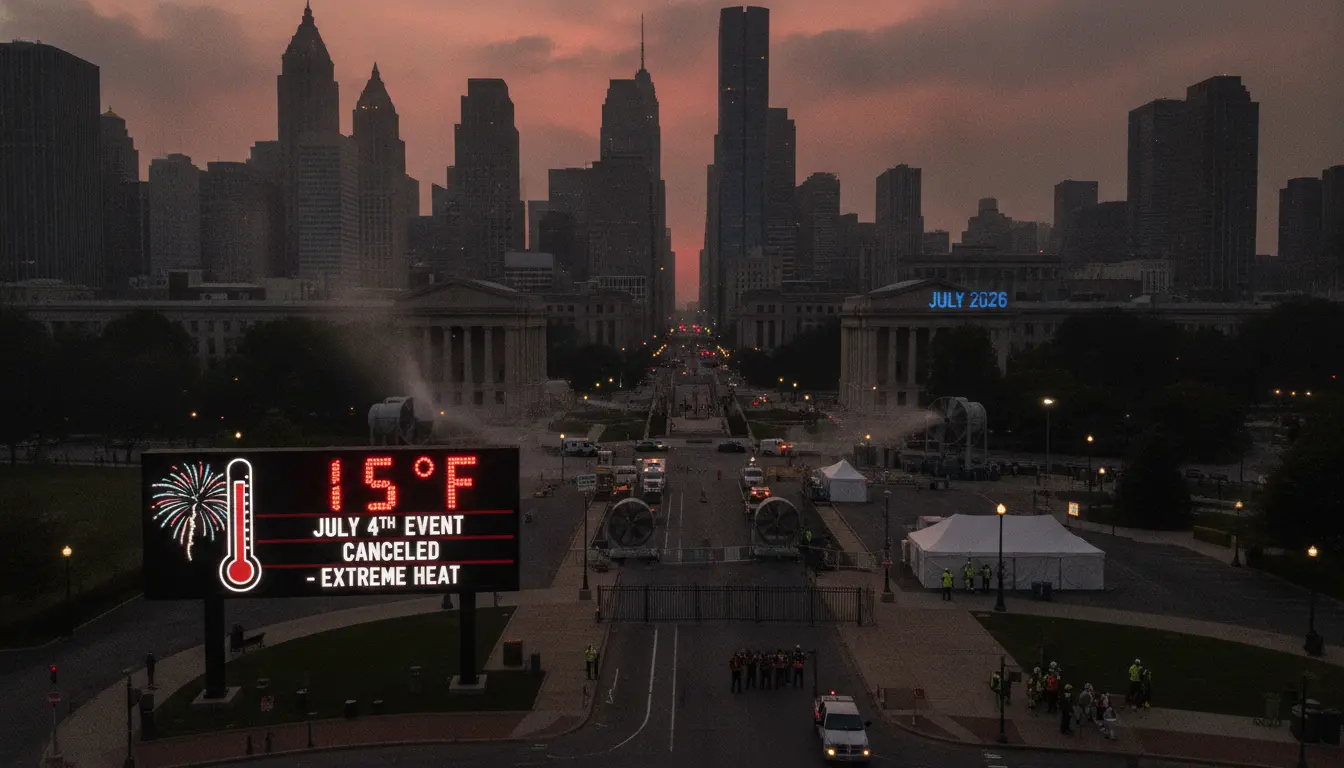
Major US Cities Begin Prepping for Potential July 4th Event Disruptions Amid Escalating Heat Risks by 2026
As the United States grapples with a future of intensifying climate impacts, urban planners and public safety officials in major metropolitan areas are increasingly looking ahead to potential disruptions of cherished civic events. A particular focus is now being placed on the iconic July 4th celebrations, with concerns mounting over how extreme heatwaves could necessitate the cancellation or significant delay of festivities in cities with populations exceeding 500,000 as early as 2026. This forward-looking assessment stems from a growing recognition of the public health risks posed by large outdoor gatherings during periods of record-breaking temperatures, which have become a more frequent and severe reality across the nation.
The specter of extreme heat advisory impacting parts of the U.S., including historical precedents of heat emergencies in cities like Washington D.C., serves as a stark reminder of the vulnerabilities. Global heatwaves are not an isolated phenomenon but a symptom of broader climate trends, leading to unprecedented thermal stress on infrastructure and, crucially, human health. For densely populated urban centers, the challenge is multifaceted: managing vast crowds, ensuring adequate access to hydration and cooling, and responding to heat-related illnesses like heatstroke and exhaustion. Such conditions can quickly overwhelm emergency services and transform a joyous public spectacle into a public health crisis, compelling authorities to consider preventative measures, even if those mean altering long-held traditions.
Cities across the U.S. are already adapting their strategies for managing public events. This includes developing robust heat-response plans, designating public cooling centers, installing temporary misting stations, and increasing the presence of medical personnel. However, the scale and duration of future heatwaves, projected to become more intense and prolonged, could render even the most comprehensive mitigation efforts insufficient. The logistical complexities of rerouting parades, rescheduling fireworks displays, or outright canceling events that draw hundreds of thousands, if not millions, of attendees are immense, touching upon everything from tourism revenue to community morale. The economic ripple effects of such cancellations, impacting local businesses, vendors, and hospitality sectors, also weigh heavily on municipal decision-makers.
Beyond the immediate logistical hurdles, the discussion around potential July 4th disruptions highlights a deeper societal reckoning with climate change. For many, these celebrations are more than just parades and fireworks; they are vital expressions of national identity and community cohesion. The possibility of extreme weather forcing their curtailment brings into sharp focus the tangible impacts of a warming planet on daily life and cultural practices. It underscores a shift in urban planning, moving from reactive responses to proactive climate resilience, where public health and safety become paramount over traditional scheduling.
Officials are exploring various scenarios, including shifting event timings to cooler parts of the day, implementing staggered entry to reduce crowd density, or investing in more shaded public spaces. Yet, for events historically centered around daytime parades and evening fireworks, these adjustments represent significant deviations from established norms. The pressure on local governments to balance public safety with the desire to preserve community traditions will intensify as the 2026 horizon approaches. Ultimately, these discussions are not just about a single holiday but represent a wider conversation about how cities can maintain vibrancy and civic life in an era of accelerating climate challenges, requiring innovative solutions and perhaps, a redefinition of how major public gatherings are conceived and executed in the future.
Stay Informed. Act Smarter.
Get weekly highlights, major headlines, and expert insights — then put your knowledge to work in our live prediction markets.
Related News
US Cities Grapple With July 4th Fireworks Dilemma Amid Severe Heatwave and Wildfire Threats
Experts Warn of Potentially Exceptionally Active 2026 Atlantic Hurricane Season
Europe Faces Deepening Heatwave Crisis as Fatalities Mount Across Continent
Europe Confronts Escalating Public Health Crisis as Heatwaves Claim Hundreds of Lives

European Heatwave Triggers Public Health Crisis, Driving Mounting Excess Deaths Across France, Germany, and Spain
Washington State Confronts Escalating Wildfire Crisis, Displacing Thousands
Scientists Warn Global Warming Could Exceed 2°C Threshold Before 2050
Federal Reserve Focuses on July 2026 CPI Amid Persistent Inflationary Pressures

July 2026 ISM Services PMI Release Set to Offer Crucial Insights into US Economic Health
US Political Landscape Girds for Pivotal 2026 Midterm Elections as Control of Congress Hangs in Balance