

- News
- Politics
- US Political Landscape Girds for Pivotal 2026 Midterm Elections as Control of Congress Hangs in Balance
US Political Landscape Girds for Pivotal 2026 Midterm Elections as Control of Congress Hangs in Balance
As the calendar inches towards November 3, 2026, the United States political landscape is already bracing for the high-stakes midterm Congressional elections, which will determine the balance of power in Washington for the latter half of the presidential term. With all 435 seats in the House of Representatives and a crucial one-third of the Senate up for contention, the outcome will significantly shape legislative priorities, policy implementation, and the broader trajectory of the nation. Both major parties are commencing their strategic planning, fundraising efforts, and candidate recruitment campaigns, fully aware that control of either chamber could dictate the success or failure of the sitting administration's agenda.
The historical precedent of midterm elections often paints a challenging picture for the party occupying the White House. Voters frequently use these contests as an opportunity to express dissatisfaction or to provide a check on presidential power, leading to shifts in congressional control. The specific dynamics of the 2026 cycle will be heavily influenced by the prevailing economic conditions, major national and international issues that emerge over the next two years, and the approval ratings of the current administration. The political environment following the 2024 presidential election will set the immediate stage, establishing whether a unified or divided government will enter the 2026 campaign cycle, and providing a baseline for public sentiment and partisan energy.
The battle for the House will be an arduous one, with every single district hotly contested. Demographic shifts, evolving voter preferences, and the impact of redistricting (where applicable) will play pivotal roles in determining outcomes. Districts that have historically swung between parties, or those with retiring incumbents, will become critical battlegrounds, attracting significant national attention and resources. The Republican Party will likely aim to maintain or expand any majority they secure, while the Democratic Party will be focused on flipping key seats to regain control, positioning themselves to either support or challenge the White House more effectively.
In the Senate, approximately 33 or 34 seats will be on the ballot, a number that can dramatically alter the legislative agenda. The specific states holding elections, particularly those with senators from the president's party or in politically competitive states, will become crucial. Races in swing states, where voter registration is closely split or where recent elections have been decided by slim margins, are expected to be particularly fierce. Both parties are meticulously analyzing potential vulnerabilities and opportunities, identifying strong candidates, and preparing for an onslaught of campaign advertising and grassroots organizing designed to mobilize their respective bases.
Key policy debates are expected to dominate the campaign discourse, ranging from economic stability and inflation to healthcare access, climate change initiatives, immigration reform, and evolving social issues. The effectiveness of the legislative branch in addressing these challenges, or perceived failures, will undoubtedly feature prominently in candidate messaging and voter considerations. Control of Congress grants immense power over committee assignments, legislative drafting, subpoena authority, and the ability to confirm judicial and executive branch appointments, making the stakes profoundly significant for policy advocates and the future direction of the judiciary.
The period leading up to the 2026 midterms will be characterized by intense fundraising, strategic messaging, and a constant recalibration of campaign tactics as the political landscape shifts. Early indicators, such as special election results and public opinion polls, will be closely watched for any signals regarding voter sentiment and potential shifts in partisan alignment. Ultimately, the 2026 elections represent not just a contest for legislative seats, but a fundamental decision point for American governance, with the potential to either entrench or dismantle the policy frameworks currently in place. The next two years will be a relentless march towards this pivotal democratic exercise, shaping the remainder of the decade's political narrative.
Stay Informed. Act Smarter.
Get weekly highlights, major headlines, and expert insights — then put your knowledge to work in our live prediction markets.
Related News
2026 Midterms Set to Decide Critical Control of US House of Representatives
Republicans Eye Critical Gains as Battle for US Senate Control Intensifies Ahead of 2026 Midterms
2026 US Senate Midterms Poised for Razor-Thin Control, Fueling Bipartisan Struggle
2026 Gubernatorial Elections: Republicans Eye Significant Statehouse Shifts
Campaign Spending for 2026 US Midterm Elections Poised to Exceed $18 Billion Following Judicial Shifts
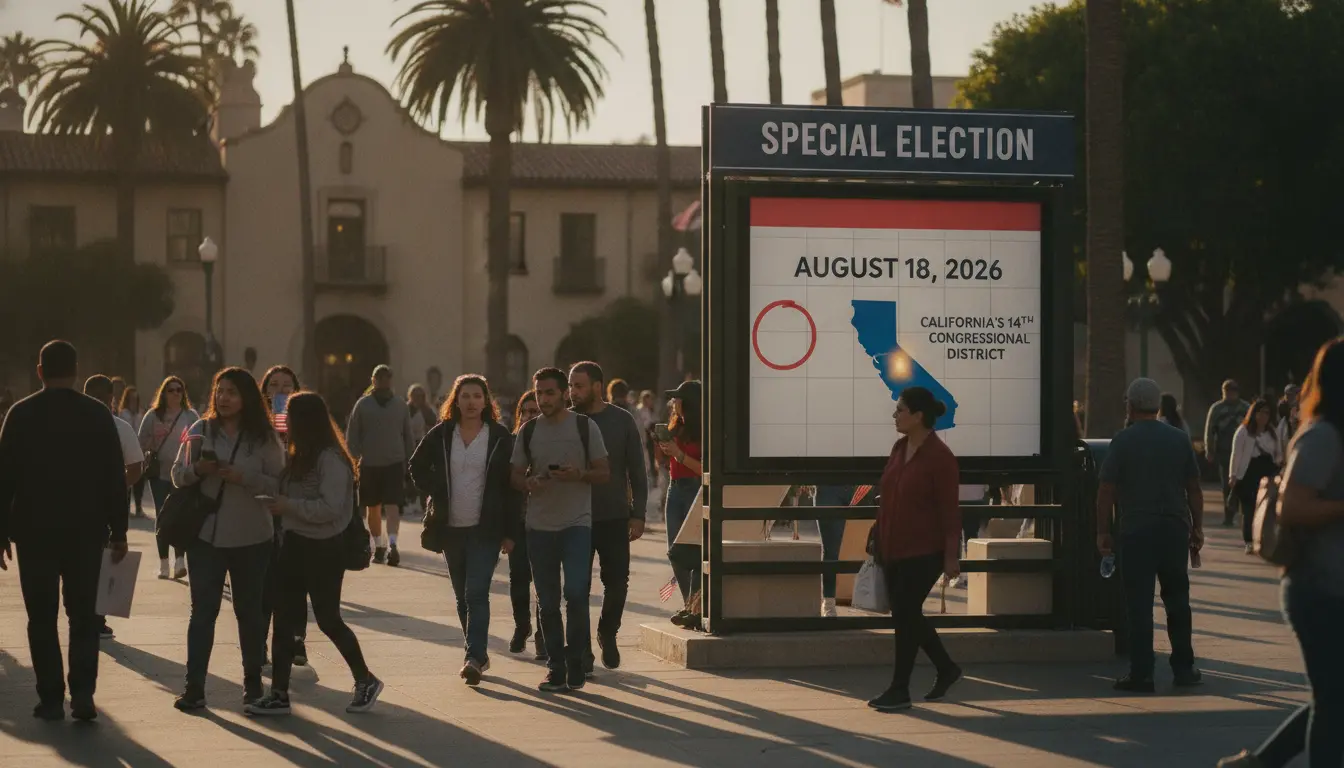
California's 14th Congressional District Gears Up for August 2026 Special Election

Anticipated Surge in Late-Counted Mail Ballots for 2026 US Midterms Following Key Court Decisions
Speculation Intensifies Over Donald Trump's 2028 Presidential Bid Ahead of Key 2026 Political Crossroads
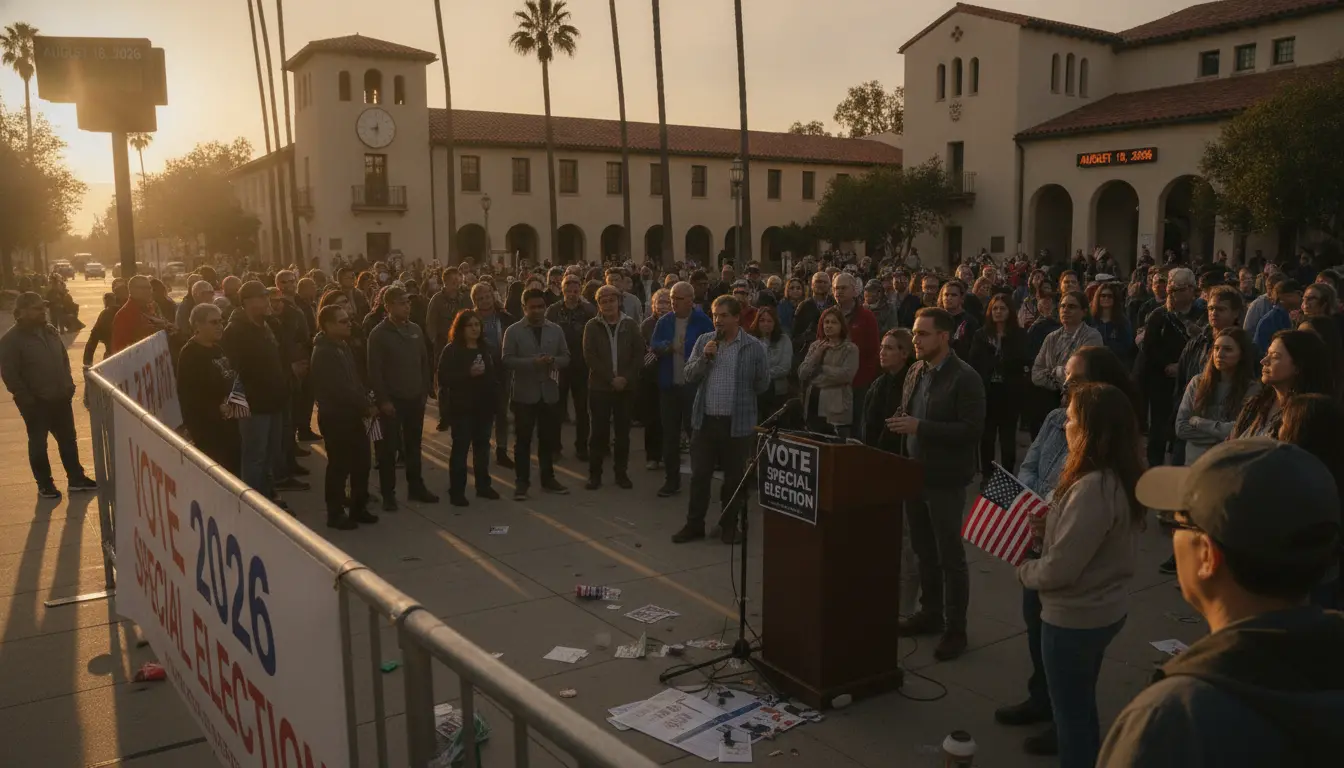
California's 14th Congressional District Readies for Pivotal 2026 Special Election

US Congress Accelerates Efforts to Enact Comprehensive Federal AI Regulation by 2026