

- News
- Politics
- Republicans Eye Critical Gains as Battle for US Senate Control Intensifies Ahead of 2026 Midterms
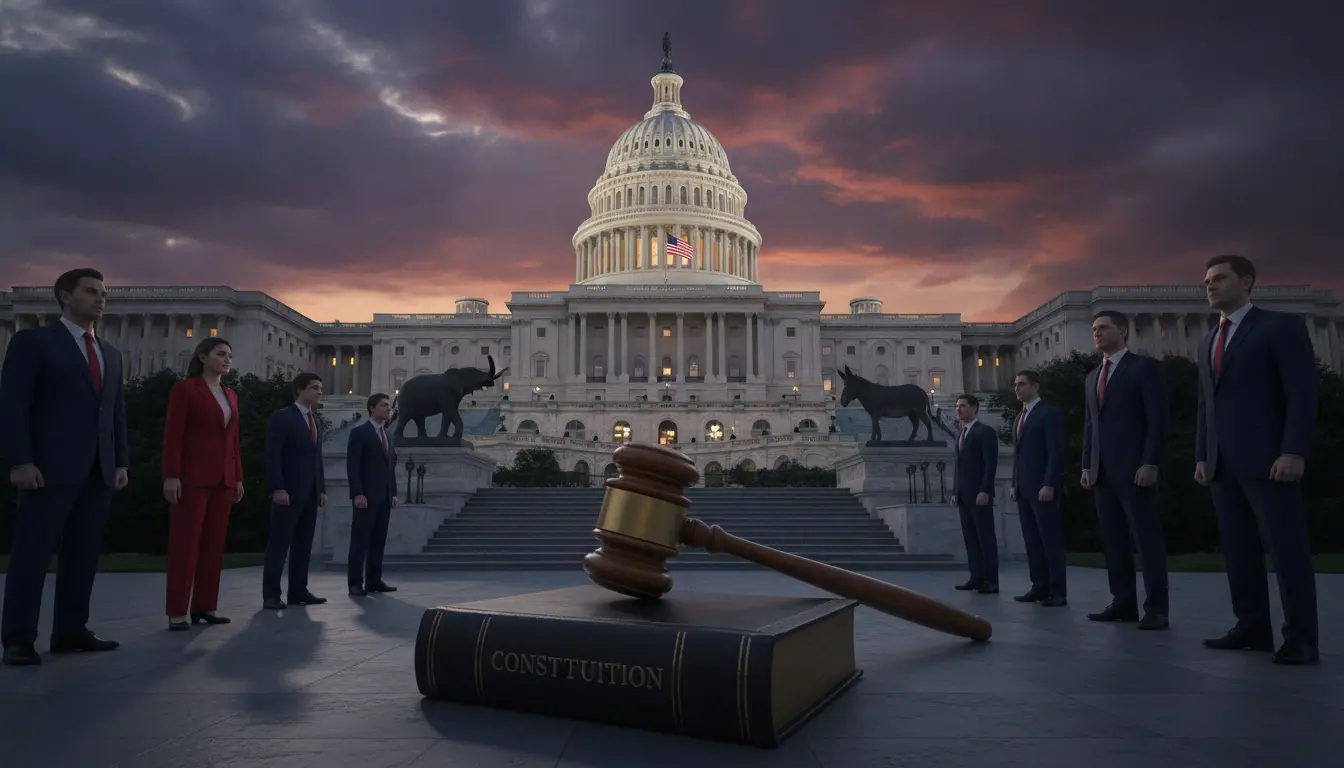
Republicans Eye Critical Gains as Battle for US Senate Control Intensifies Ahead of 2026 Midterms
The political landscape is already buzzing with anticipation for the 2026 midterm elections, which are poised to be a pivotal battle for control of the United States Senate. With Democrats currently holding a razor-thin majority, the stakes are exceptionally high, as the outcome will dictate the legislative agenda, judicial appointments, and the overall direction of national policy for the latter half of the decade. Political strategists on both sides of the aisle are meticulously examining electoral maps and demographic shifts, recognizing that even a slight swing could profoundly reshape Washington's power dynamics.
The current Senate composition is a testament to the nation’s deeply divided electorate, often resulting in legislative gridlock. Historically, midterm elections tend to favor the party not holding the White House, a pattern that could present a significant hurdle for Democrats in 2026, especially if President Biden’s (or his successor’s) approval ratings remain challenging. Republicans, eager to regain full control of Congress, are targeting several key states where Democratic incumbents are either vulnerable or where open seats present prime pickup opportunities. The political environment, shaped by economic conditions, evolving social issues, and global events, will heavily influence voter sentiment as the campaign cycle progresses.
A crucial aspect of the 2026 Senate landscape will be the states where senators are up for re-election. Early analysis points to a challenging map for Democrats, with numerous seats in traditionally purple or red-leaning states. States like Montana, Ohio, West Virginia (should Senator Manchin not seek re-election or be defeated), and Arizona are expected to be fiercely contested. Furthermore, shifts in voter demographics and changing partisan alignments in states like Pennsylvania and Michigan could add further layers of complexity. For Republicans, the challenge lies in defending their own incumbents while aggressively pursuing gains in states currently held by Democrats. Both parties are already mobilizing resources for voter registration drives, grassroots organizing, and sophisticated digital outreach campaigns.
Beyond the state-specific dynamics, the national political narrative and the performance of key figures will play a substantial role. The potential presidential candidates for 2028 will likely begin to cast long shadows over the midterm races, influencing fundraising and messaging. Powerful political action committees and other funding groups are expected to pour hundreds of millions of dollars into these races, funding extensive advertising campaigns, opposition research, and get-out-the-vote efforts. The ability of each party to coalesce around a unified message and effectively address voter concerns on issues such as inflation, healthcare, immigration, and climate change will be paramount.
The implications of a shift in Senate control are far-reaching. A Republican-controlled Senate could significantly impede a Democratic presidency's legislative agenda, potentially blocking nominations for federal judgeships and executive branch appointments, and perhaps even initiating oversight investigations. Conversely, if Democrats manage to hold or expand their majority, it would provide a crucial buffer for their policy priorities and enhance their ability to pass significant legislation. The journey to the 2026 midterms will be a prolonged and intense political marathon, marked by high-stakes campaigning, relentless fundraising, and an electorate increasingly polarized. Each election cycle reinforces the delicate balance of power within Washington, and 2026 promises to be no exception, with the control of the Senate acting as a critical barometer of national political sentiment.
Stay Informed. Act Smarter.
Get weekly highlights, major headlines, and expert insights — then put your knowledge to work in our live prediction markets.
Related News
US Political Landscape Girds for Pivotal 2026 Midterm Elections as Control of Congress Hangs in Balance

2026 US Senate Midterms Poised for Razor-Thin Control, Fueling Bipartisan Struggle

2026 Midterms Set to Decide Critical Control of US House of Representatives

2026 Gubernatorial Elections: Republicans Eye Significant Statehouse Shifts

Campaign Spending for 2026 US Midterm Elections Poised to Exceed $18 Billion Following Judicial Shifts

California's 14th Congressional District Gears Up for August 2026 Special Election

Anticipated Surge in Late-Counted Mail Ballots for 2026 US Midterms Following Key Court Decisions
Speculation Intensifies Over Donald Trump's 2028 Presidential Bid Ahead of Key 2026 Political Crossroads
California's 14th Congressional District Readies for Pivotal 2026 Special Election

US Lawmakers Intensify Push for Federal AI Regulation to Preempt State Laws