

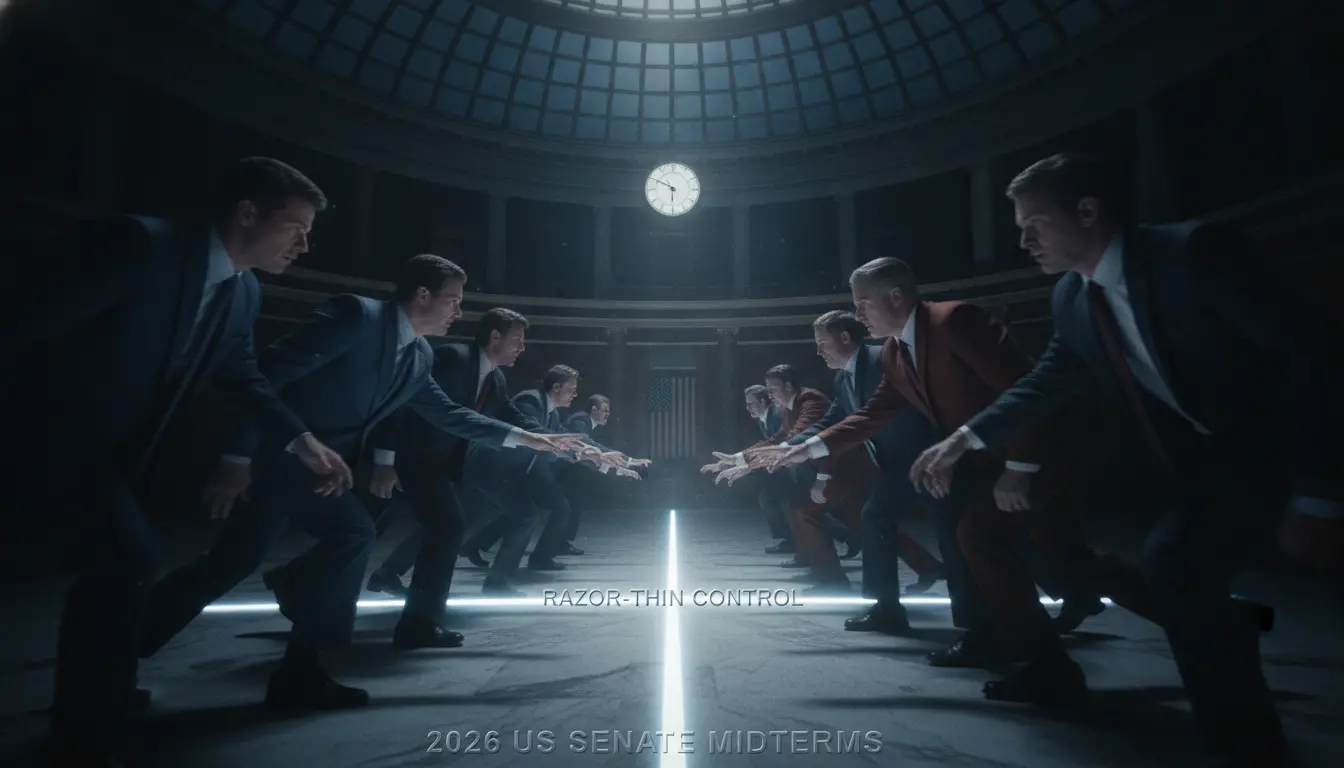
2026 US Senate Midterms Poised for Razor-Thin Control, Fueling Bipartisan Struggle
The 2026 United States Senate midterm elections are already looming as a pivotal contest that could redefine the balance of power in Washington, with political strategists on both sides of the aisle bracing for a potentially razor-thin outcome. As the nation looks beyond the immediate electoral cycle, the demographic shifts, evolving voter sentiments, and the historical rhythm of midterm elections suggest that the battle for the Senate could once again come down to a handful of closely contested states, raising the very real prospect of a 50-50 split between Democrats and Republicans.
The current composition of the Senate, typically a closely divided chamber, sets the stage for high stakes in 2026. The unique dynamic of a tie in the Senate hands the critical tie-breaking vote to the sitting Vice President, effectively granting the party holding the White House a functional majority. This scenario, which has played out in recent history, underscores the immense importance of every single Senate seat and the intense focus both parties will place on candidate recruitment, fundraising, and grassroots mobilization in the lead-up to the elections. Control of the Senate dictates the legislative agenda, influences judicial appointments, and ultimately shapes the ability of a president to enact their policy goals.
In 2026, Class 2 Senators, those who were last elected in 2020, will be up for re-election. This class includes a diverse mix of states, some reliably red or blue, but also several perennial battlegrounds. Key states to watch will likely include those with retiring incumbents, those where the sitting Senator won by a narrow margin in 2020, or states experiencing significant demographic shifts that could alter their political leanings. Both parties will meticulously analyze voter data, past election results, and economic trends to identify their most vulnerable seats and their best opportunities for pickups. The performance of the incumbent President, economic conditions, and major national issues will undoubtedly cast long shadows over these races, often serving as a referendum on the party in power.
The Democratic Party will face the challenge of defending a number of seats in states that may trend Republican in a midterm cycle, particularly if voter turnout patterns favor the opposition. Conversely, Republicans will be keen to capitalize on any perceived fatigue with the current administration or to flip seats in states where their party has been gaining ground. Fundraising will be monumental, with national party committees and powerful Super PACs pouring hundreds of millions of dollars into advertising campaigns, get-out-the-vote efforts, and opposition research. The ability to articulate a clear and compelling message to a diverse electorate will be paramount for both sides.
The implications of a deadlocked Senate extend far beyond legislative gridlock. A 50-50 split would necessitate power-sharing agreements between the two parties, impacting everything from committee assignments and chairmanships to the pace and order of floor votes. Such arrangements can lead to slower legislative processes and increase the need for bipartisan compromise, which, while sometimes beneficial, can also be a source of frustration and political brinkmanship. Furthermore, critical executive appointments, including federal judges and cabinet secretaries, could face prolonged confirmation battles, further exacerbating political tensions.
Looking ahead, the road to 2026 will be characterized by relentless campaigning, strategic realignments, and intense media scrutiny. The ability of either party to effectively navigate the complexities of national politics while addressing local concerns will be crucial. With the potential for control to hinge on a single seat, and the Vice President poised to cast the deciding vote in a tie, the 2026 Senate midterms promise to be a defining moment for American governance, determining not just legislative control but also the very tone and direction of national policy for the latter half of the decade.
Stay Informed. Act Smarter.
Get weekly highlights, major headlines, and expert insights — then put your knowledge to work in our live prediction markets.
Related News
Republicans Eye Critical Gains as Battle for US Senate Control Intensifies Ahead of 2026 Midterms
US Political Landscape Girds for Pivotal 2026 Midterm Elections as Control of Congress Hangs in Balance

2026 Midterms Set to Decide Critical Control of US House of Representatives

2026 Gubernatorial Elections: Republicans Eye Significant Statehouse Shifts

Anticipated Surge in Late-Counted Mail Ballots for 2026 US Midterms Following Key Court Decisions

Campaign Spending for 2026 US Midterm Elections Poised to Exceed $18 Billion Following Judicial Shifts

California's 14th Congressional District Readies for Pivotal 2026 Special Election

California's 14th Congressional District Gears Up for August 2026 Special Election

Will Donald Trump publicly endorse raising the Social Security retirement age before the 2026 US midterm elections?
Speculation Intensifies Over Donald Trump's 2028 Presidential Bid Ahead of Key 2026 Political Crossroads