


2026 Gubernatorial Elections: Republicans Eye Significant Statehouse Shifts
The political landscape of the United States is already beginning to take shape for the 2026 gubernatorial elections, with both major parties strategizing for what promises to be a pivotal cycle. The Republican Party, in particular, is setting ambitious targets, aiming for a substantial net gain in governorships that could fundamentally alter state-level policy directions and exert a profound influence on future national elections. With 39 states and territories slated to hold gubernatorial contests, the stakes are exceptionally high, extending far beyond the immediate control of executive mansions to impact legislative agendas, judicial appointments, and crucial redistricting efforts.
Historically, midterm elections frequently serve as a referendum on the incumbent presidential administration, often resulting in losses for the party occupying the White House. This dynamic presents a significant opportunity for the Republican Party, which will likely seek to capitalize on any perceived fatigue or dissatisfaction with the national Democratic platform. Gubernatorial races, while distinct from federal contests, are nonetheless intertwined with broader national sentiments. A strong Republican showing would not only consolidate power in key state capitals but also bolster the party’s bench of experienced leaders, providing a fertile ground for future congressional and presidential candidates. The current breakdown of governorships, with Republicans holding 27 and Democrats 23, means even small shifts can significantly alter the balance of power and policy. A net gain of three for Republicans would push their total to 30, a dominant position across the states.
Several factors will play into the potential for such a shift. The geographical distribution of states holding elections in 2026 includes numerous competitive battlegrounds and states where term limits will open up seats currently held by incumbents. These open races are particularly volatile, often attracting a crowded field of candidates and intense external spending. States with a history of swinging between parties, or those where one party currently holds the governorship but the state legislature is controlled by the opposition, will be prime targets. Issues such as economic conditions, inflation, healthcare access, immigration policy, and the ongoing cultural debates will undoubtedly feature prominently in campaigns, resonating differently across diverse state electorates.
For the Republican Party, a key strategy will involve identifying vulnerable Democratic-held seats in states that have shown a propensity to lean conservative in recent federal or state-level contests. This includes states where the current Democratic governor may have won by a narrow margin or where there's a strong Republican base waiting to be mobilized. Conversely, Democrats will be keen to defend their incumbents, particularly in states where they've successfully implemented popular policies or where their governors enjoy high approval ratings. They will also look for opportunities to flip Republican-held seats in suburban areas or states experiencing demographic shifts that favor their platform, though their opportunities for net gains might be more limited given the typical midterm trend.
Beyond individual races, the broader implications of these elections are immense. Governors wield substantial power over their state’s legislative agenda, budget allocation, and the appointment of key officials. Control of the governorship also provides a critical bulwark against or a conduit for the implementation of national party priorities. For example, governors can veto legislation, influence judicial appointments, and shape state election laws, including those pertaining to voting access and electoral processes. Furthermore, with the next round of congressional redistricting looming after the 2030 census, the partisan control of statehouses in 2026 could set the stage for future map-making efforts, directly influencing the composition of the U.S. House of Representatives for the subsequent decade.
Both national parties are expected to dedicate significant resources to these races, recognizing their strategic importance. Political action committees, national party committees, and influential donor networks will pour millions into advertising campaigns, grassroots organizing, and get-out-the-vote efforts. The outcomes will not only determine the policy direction of individual states but will also serve as a crucial barometer of the nation’s political mood leading into the 2028 presidential cycle. A substantial net gain for Republicans would signify a deepening of their influence across state governments, potentially reshaping the country's political trajectory for years to come and setting a challenging precedent for Democrats as they look toward future federal contests. Conversely, if Democrats manage to hold their ground or even make modest gains, it would signal a resilience against the typical midterm headwinds and provide a more optimistic outlook for their national ambitions.
Stay Informed. Act Smarter.
Get weekly highlights, major headlines, and expert insights — then put your knowledge to work in our live prediction markets.
Related News
Republicans Eye Critical Gains as Battle for US Senate Control Intensifies Ahead of 2026 Midterms
US Political Landscape Girds for Pivotal 2026 Midterm Elections as Control of Congress Hangs in Balance

2026 Midterms Set to Decide Critical Control of US House of Representatives

2026 US Senate Midterms Poised for Razor-Thin Control, Fueling Bipartisan Struggle
Campaign Spending for 2026 US Midterm Elections Poised to Exceed $18 Billion Following Judicial Shifts
Speculation Intensifies Over Donald Trump's 2028 Presidential Bid Ahead of Key 2026 Political Crossroads

Anticipated Surge in Late-Counted Mail Ballots for 2026 US Midterms Following Key Court Decisions
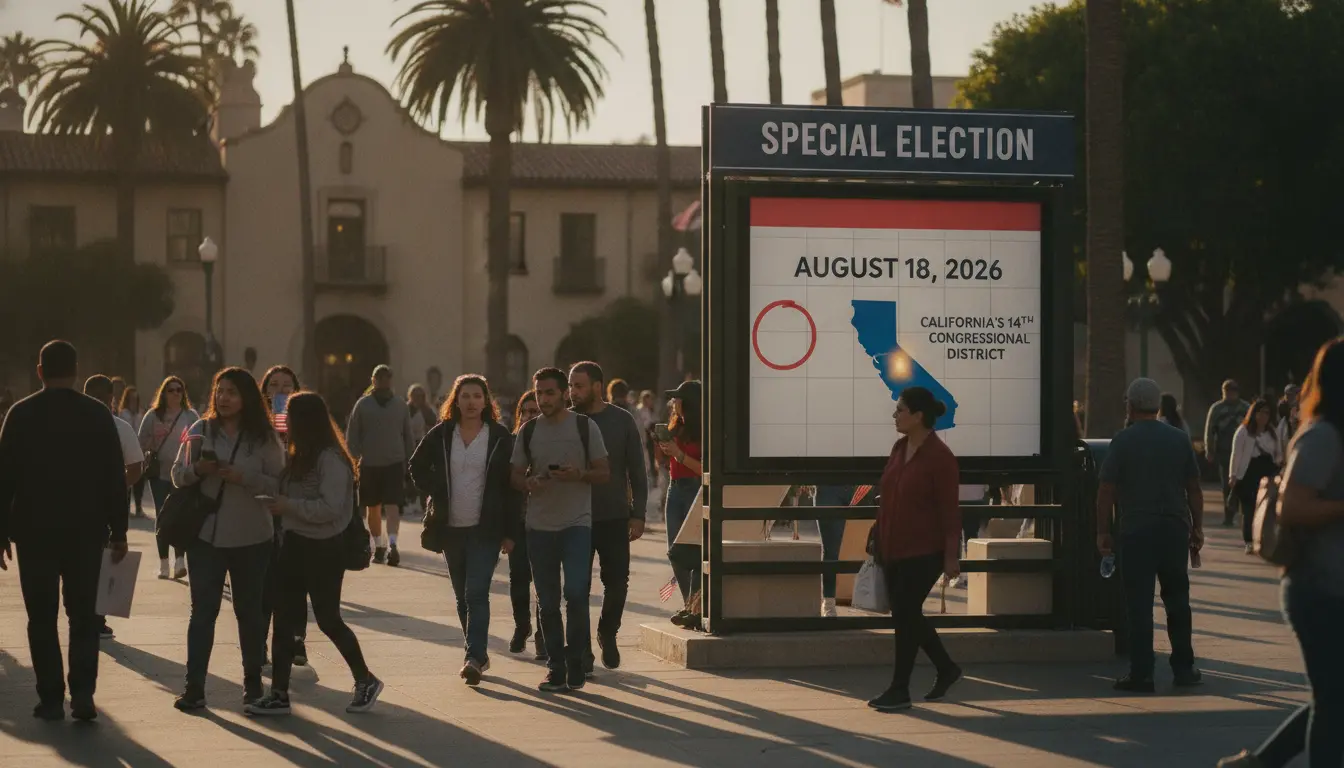
California's 14th Congressional District Gears Up for August 2026 Special Election

South Carolina Governor Faces Critical Decision on Interim Senate Appointee

California's 14th Congressional District Readies for Pivotal 2026 Special Election