


South Carolina Governor Faces Critical Decision on Interim Senate Appointee
The sudden vacancy of Senator Lindsey Graham's U.S. Senate seat has plunged South Carolina politics into a period of intense speculation and strategic maneuvering, placing immense pressure on Governor Henry McMaster to name an interim successor. The unprecedented nature of a sitting senator's unexpected death means McMaster's appointment will not only fill a crucial void in Washington but also significantly shape the state's political future and potentially impact the national balance of power in the Senate. As the Republican Party navigates a complex electoral landscape, the governor's choice is under scrutiny from state and national stakeholders, demanding a delicate balance between experience, electability, and political unity.
Under South Carolina law and the U.S. Constitution, the authority to fill a Senate vacancy temporarily falls to the state's governor. Governor McMaster is tasked with appointing an individual to serve until a special election can be held, which typically occurs concurrently with the next regularly scheduled statewide election or sooner, depending on specific state statutes and the timing of the vacancy. This process is distinct from a normal election cycle, as the appointee bypasses the primary and general election hurdles, at least initially. The gravity of this decision is compounded by Senator Graham's long and distinguished career, having served in the Senate since 2003 and holding considerable influence within the Republican Party, particularly on foreign policy and national security matters. His sudden absence creates a vacuum that a temporary appointee must strive to fill, even as they contend with the interim nature of their position.
Governor McMaster's choice is fraught with political considerations. He will likely seek a candidate who can not only capably represent South Carolina's interests in Washington but also consolidate support within the state's dominant Republican Party ahead of a likely special election. Potential appointees often include current or former elected officials, prominent state attorneys, or other well-respected public figures with strong ties to the state's political establishment. Factors such as fundraising capability, existing name recognition, and alignment with the party's conservative base will undoubtedly play a role in the governor's calculus. The appointee must also be viewed as a strong contender to win the special election, as a weak placeholder could jeopardize the party's hold on the seat and present an opening for opposition parties, though South Carolina remains a reliably red state.
Beyond immediate qualifications, the governor must also consider the potential ripple effects on state politics. An appointment could elevate a rising star, provide a graceful exit for a seasoned politician, or even strategically remove a potential primary challenger for a future race. Conversely, an ill-received appointment could splinter the party, generate internal resentment, and complicate future electoral efforts. Political observers are closely watching to see if McMaster will opt for a caretaker who commits not to run in the special election, thereby keeping the field open, or if he will choose a strong candidate intended to transition seamlessly into a full-fledged campaign.
South Carolina's political landscape is dominated by the Republican Party, but internal ideological divisions exist, particularly between more establishment figures and the state's robust conservative grassroots. The appointee will need to appeal to both factions. This decision is not just about finding a temporary replacement; it's about navigating a significant transition for South Carolina's federal representation and setting the tone for the upcoming special election that will ultimately decide who holds the seat for the remainder of the term. The clock is ticking for Governor McMaster to make a decision that could define a chapter of his own legacy.
The appointee will inherit an array of responsibilities, including engaging with critical legislative debates, participating in Senate committees, and advocating for South Carolina's constituents. Their brief tenure will be a high-stakes audition for a longer term, requiring them to quickly establish credibility and a political platform while preparing for a potentially challenging special election campaign. The immediate focus is on ensuring South Carolina's voice remains strong in Congress, even as the state grapples with the loss of one of its most prominent political figures. Governor McMaster's decision, therefore, is not merely administrative; it is a profound political statement with lasting implications for the state and the nation.
Stay Informed. Act Smarter.
Get weekly highlights, major headlines, and expert insights — then put your knowledge to work in our live prediction markets.
Related News
South Carolina Outlines Process for Senate Vacancy Appointments and Special Elections

Trump's Endorsement Defines Bitter South Carolina Senate Runoff Between Vance and Drummond
Senator Mitch McConnell Faces Renewed Pressure for Comprehensive Health Disclosure
Republicans Eye Critical Gains as Battle for US Senate Control Intensifies Ahead of 2026 Midterms

2026 Gubernatorial Elections: Republicans Eye Significant Statehouse Shifts
CLARITY Crypto Bill Poised for US Senate Vote, Senator Scott Confirms
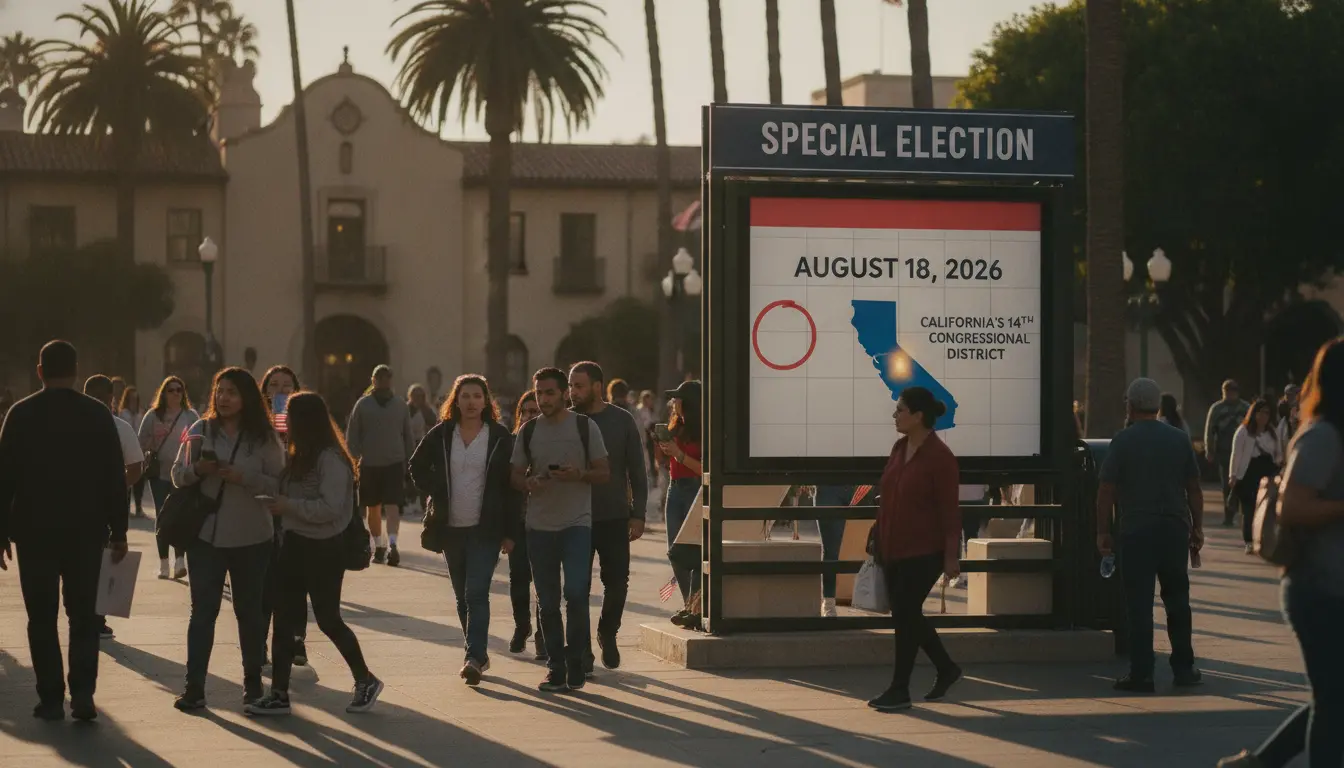
California's 14th Congressional District Gears Up for August 2026 Special Election

2026 US Senate Midterms Poised for Razor-Thin Control, Fueling Bipartisan Struggle
US Political Landscape Girds for Pivotal 2026 Midterm Elections as Control of Congress Hangs in Balance

Supreme Court Considers President's Power to Remove Federal Reserve Governors