

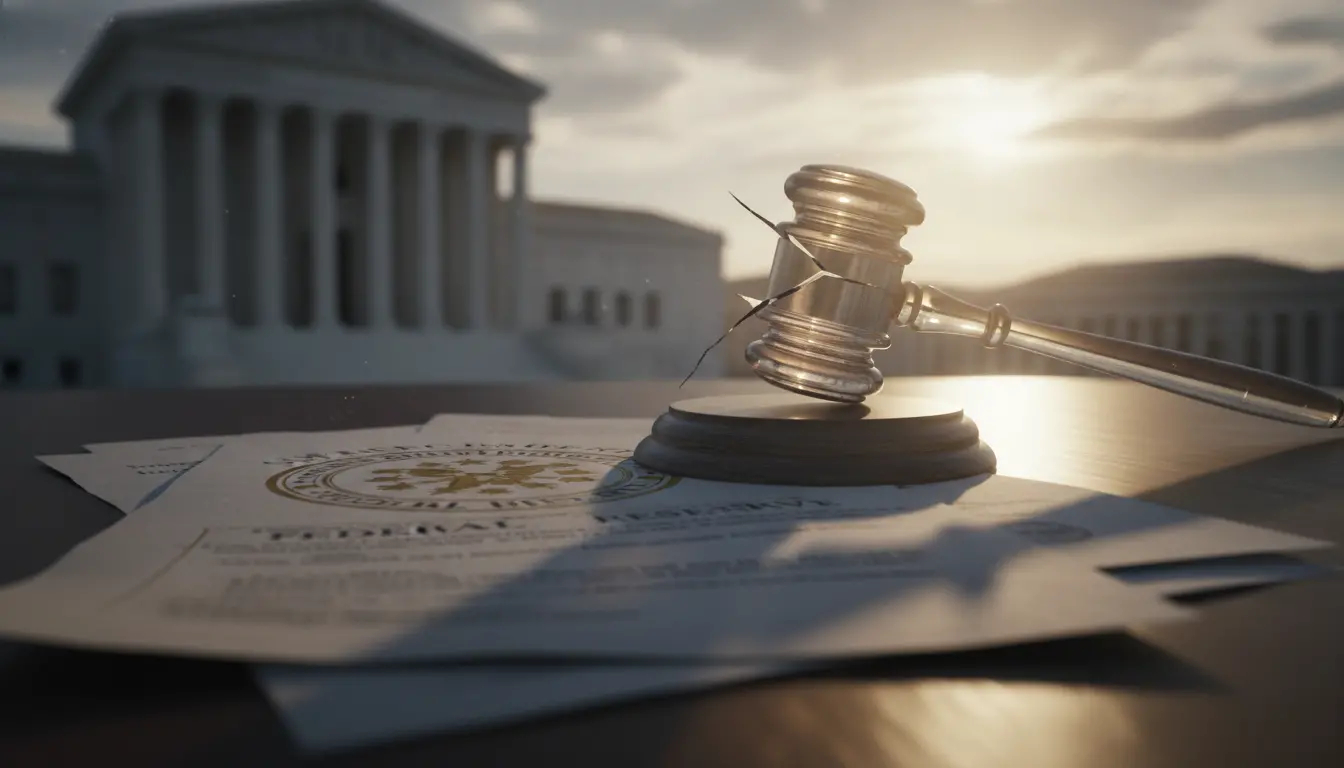
Supreme Court Considers President's Power to Remove Federal Reserve Governors
The United States Supreme Court is poised to deliver a significant ruling that could redefine the independence of federal agencies, with particular implications for the Federal Reserve. At the heart of the legal challenge is the question of whether the President possesses the authority to remove a Federal Reserve Governor without demonstrating "cause." This case carries profound implications for monetary policy, economic stability, and the traditional separation of powers within the U.S. government.
The current framework governing the Federal Reserve largely shields its governors from arbitrary dismissal. The Federal Reserve Act specifies that governors can be removed by the President "for cause." This stipulation is designed to insulate the central bank from short-term political pressures, allowing it to make potentially unpopular but economically sound decisions without fear of reprisal from the executive branch. The independence of the Federal Reserve is widely considered a cornerstone of its ability to manage inflation, unemployment, and financial stability effectively. Critics of a broader presidential removal power argue that it could lead to politically motivated decisions that prioritize immediate electoral gains over long-term economic health, potentially destabilizing markets and eroding public trust.
Arguments before the Supreme Court have centered on the interpretation of "for cause" and the broader constitutional balance of power. Proponents of a more expansive presidential removal authority contend that the President, as the chief executive, should have ultimate oversight over all executive branch appointments, including those at independent agencies. They argue that the current limitations on removal power can create an unchecked bureaucracy, unaccountable to the elected administration. Conversely, defenders of the existing "for cause" standard emphasize that the Federal Reserve's mandate is uniquely sensitive to political interference. They point to historical instances where central bank independence has been crucial in navigating economic crises, suggesting that weakening this independence could have detrimental consequences for the nation's economic well-being. The specific legal arguments often delve into the historical understanding of executive power, the intent of Congress when establishing the Federal Reserve, and the potential for partisan influence to compromise critical economic functions.
The outcome of this case is keenly awaited by economists, policymakers, and financial markets alike. A ruling that empowers the President to remove Fed governors without cause could usher in an era of greater presidential control over monetary policy. This might lead to increased volatility as markets anticipate potential shifts in policy aligned with the President's agenda, rather than solely with economic data and long-term stability goals. Such a scenario could also impact the global perception of U.S. economic management, potentially influencing international investment and currency values. The Federal Reserve Board itself, composed of a Chair, Vice Chair, and six governors, plays a pivotal role in setting interest rates, regulating banks, and ensuring the stability of the financial system. Any alteration to the tenure or independence of these officials would inevitably send ripples through these critical functions.
This legal battle is not occurring in a vacuum. It comes at a time of heightened scrutiny of independent agencies and ongoing debates about the scope of executive authority. The broader context includes other cases before the Supreme Court that are examining the power of administrative agencies and the accountability of federal officials. The judiciary's decision will not only shape the future of the Federal Reserve but could also set precedents for the governance of numerous other independent bodies within the U.S. federal structure, potentially altering the landscape of bureaucratic power and oversight for years to come. The court's deliberation underscores the delicate balance between executive accountability and the need for specialized, apolitical expertise in managing complex national responsibilities.
Stay Informed. Act Smarter.
Get weekly highlights, major headlines, and expert insights — then put your knowledge to work in our live prediction markets.
Related News
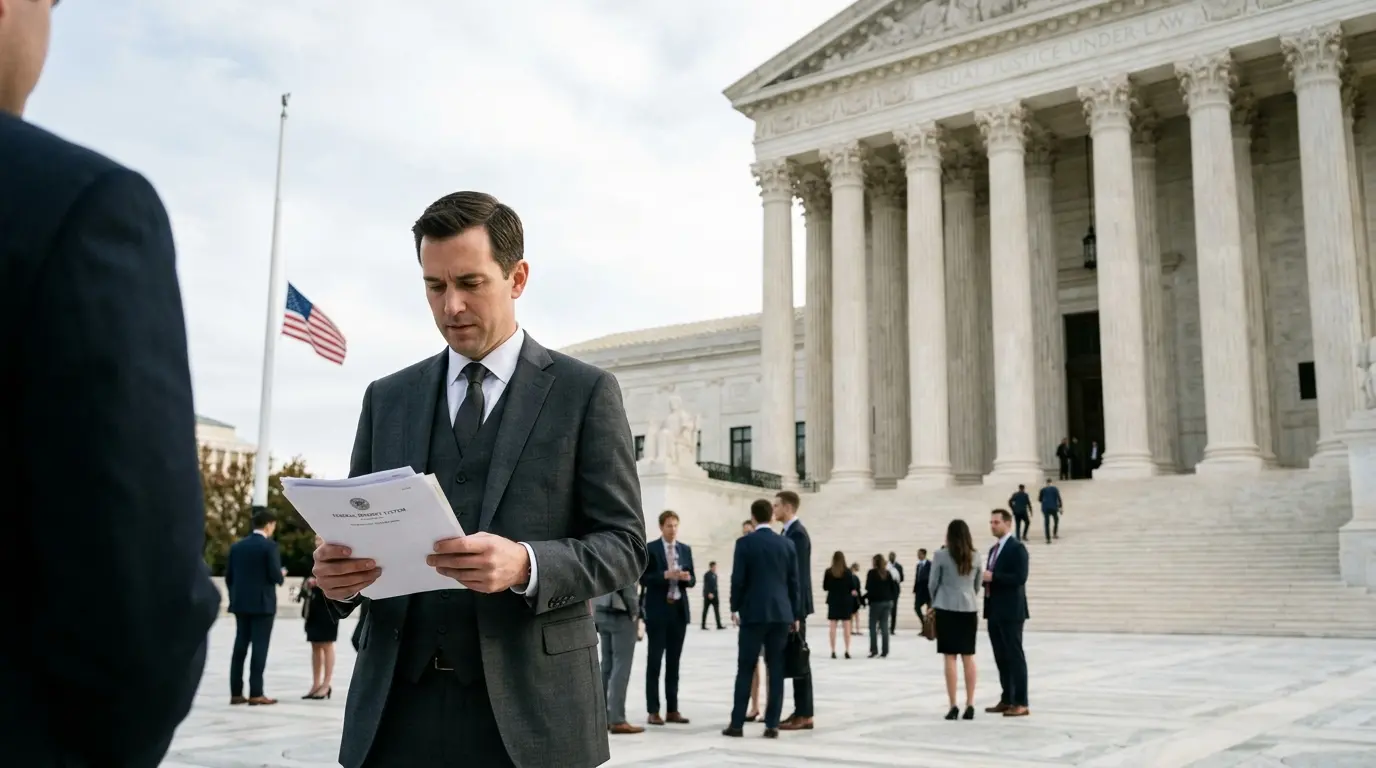
Supreme Court Considers Presidential Authority to Remove Federal Reserve Governors Without Cause

Supreme Court Weighs Presidential Power to Dismiss Federal Reserve Governors Without Cause
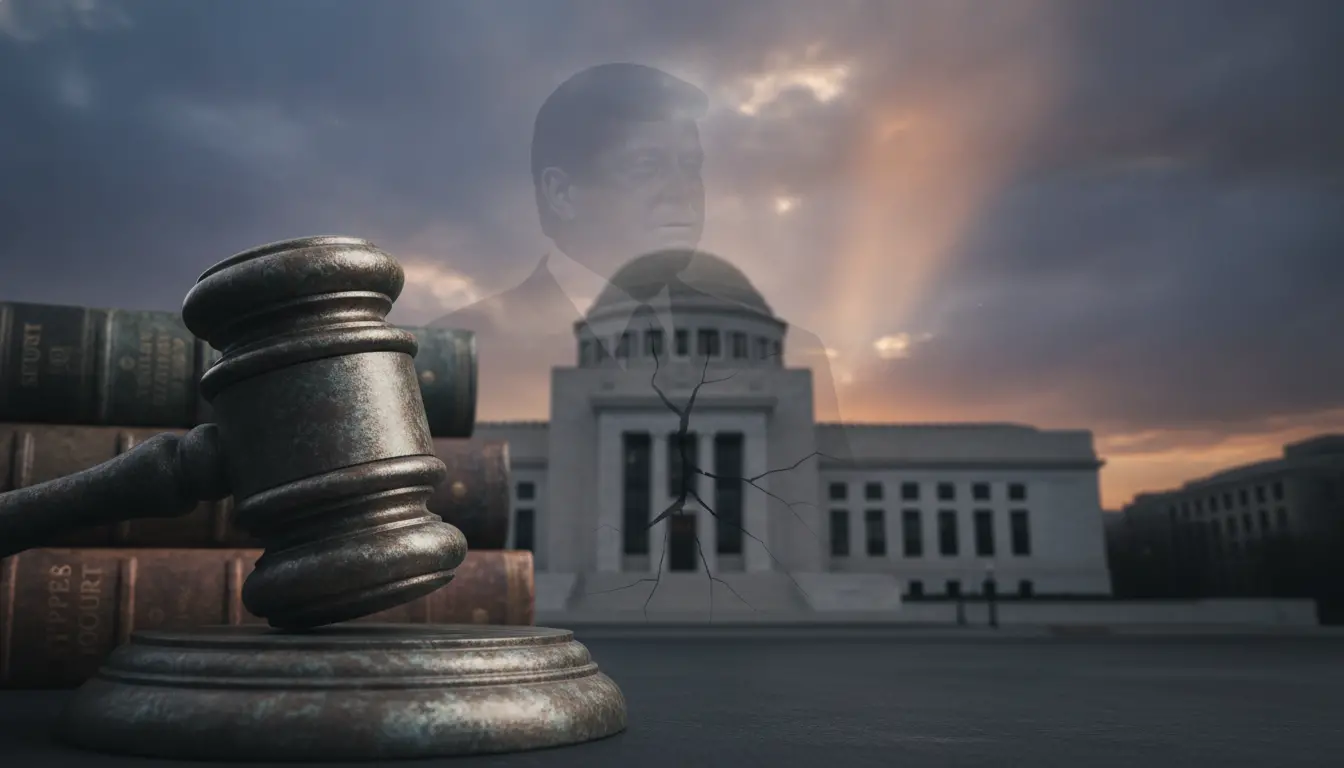
Supreme Court Poised to Rule on Presidential Power to Fire Fed Governors, Threatening Central Bank Independence

Project 2025 Blueprints Potential Purge of Independent Agency Heads in a Second Trump Term
Legal Challenges Anticipated Regarding Executive Power Over Election Assistance Commission
Supreme Court Poised for Potential Review of Birthright Citizenship Under 14th Amendment

Federal Reserve Focuses on July 2026 CPI Amid Persistent Inflationary Pressures
Federal Court Blocks Trump Executive Order on Voter Lists and Mail Ballots, Administration Vows Appeal

Advocacy Groups Prepare New Challenges to Supreme Court Asylum Decision
2026 Gubernatorial Elections: Republicans Eye Significant Statehouse Shifts