

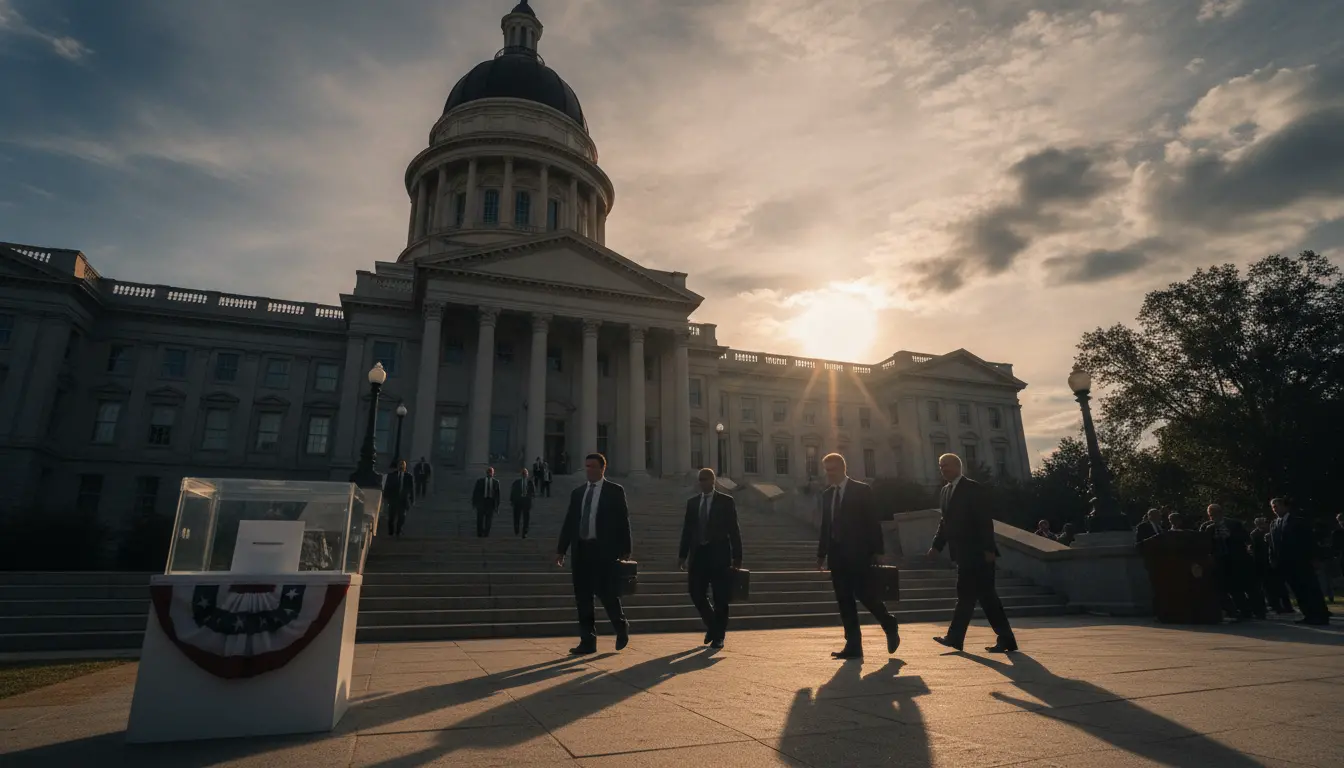
South Carolina Outlines Process for Senate Vacancy Appointments and Special Elections
The constitutional framework governing U.S. Senate vacancies establishes a critical mechanism for maintaining continuous representation for states in the national legislature. For South Carolina, a clearly defined legal process exists to address such an eventuality, vesting significant authority in the state’s governor while also ensuring democratic input through subsequent elections. This structured approach is vital for political stability and ensures that legislative duties continue uninterrupted, regardless of unexpected circumstances.
At the heart of the Senate vacancy protocol lies the Seventeenth Amendment to the U.S. Constitution, ratified in 1913. While mandating direct election of senators, it also empowers state legislatures to authorize their governors to make temporary appointments to fill vacancies until a special election can be held. South Carolina's statutes align with this constitutional provision, stipulating a clear path for succession. Should a Senate seat become vacant for any reason, the Governor of South Carolina is granted the authority to appoint an interim senator. This appointed individual would serve until a special election could be organized and completed, allowing the state’s voters to select a permanent replacement.
The Governor's role in this process is politically charged and carries substantial weight. The choice of an interim senator is not merely an administrative decision; it is a strategic one that can significantly impact both state and national politics. The appointee, often expected to align with the Governor's own political party and ideological leanings, immediately assumes the full powers and responsibilities of a U.S. Senator. The Governor must weigh various factors, including the appointee's political experience, their ability to gain public support, and their potential to successfully contest the subsequent special election. Common considerations include current statewide officeholders, prominent state legislators, or other well-regarded public figures within the Governor’s party.
Following such an interim appointment, state law dictates the holding of a special election to fill the remainder of the unexpired term. The timing for this election is typically set by the state legislature or by specific statutory requirements, ensuring that voters have an opportunity to elect their chosen representative in a timely manner. The special election cycle can be particularly intense, often drawing numerous candidates from both major parties eager to secure a coveted Senate seat. The appointee themselves faces a unique challenge, needing to transition from an appointed position to earning a mandate from the electorate, often against seasoned political challengers who view the special election as a prime opportunity.
The stakes in such a transition are considerable, both for South Carolina and for the national political landscape. A Senate vacancy and its subsequent filling process can alter the balance of power in Washington, influence legislative agendas, and provide a new voice to shape critical debates on national policy. The selection of a new senator profoundly impacts the state’s representation on key committees, its ability to advocate for local interests, and its overall influence within the federal system. Thus, while the legal framework provides a clear path, the political realities ensure that every step of the succession process is closely watched and strategically navigated, upholding South Carolina's continuous and effective representation in the U.S. Senate.
Stay Informed. Act Smarter.
Get weekly highlights, major headlines, and expert insights — then put your knowledge to work in our live prediction markets.
Related News

South Carolina Governor Faces Critical Decision on Interim Senate Appointee

Trump's Endorsement Defines Bitter South Carolina Senate Runoff Between Vance and Drummond
Republicans Eye Critical Gains as Battle for US Senate Control Intensifies Ahead of 2026 Midterms

California's 14th Congressional District Gears Up for August 2026 Special Election
CLARITY Crypto Bill Poised for US Senate Vote, Senator Scott Confirms
Senator Mitch McConnell Faces Renewed Pressure for Comprehensive Health Disclosure
US Political Landscape Girds for Pivotal 2026 Midterm Elections as Control of Congress Hangs in Balance

2026 Gubernatorial Elections: Republicans Eye Significant Statehouse Shifts

2026 US Senate Midterms Poised for Razor-Thin Control, Fueling Bipartisan Struggle

Supreme Court Considers President's Power to Remove Federal Reserve Governors