


2026 Midterms Set to Decide Critical Control of US House of Representatives
As the United States looks beyond the immediate political horizon, the 2026 midterm elections are rapidly emerging as a pivotal battleground that will determine the balance of power in the House of Representatives. The outcome of these elections will profoundly shape the legislative landscape for the latter half of the current presidential term, influencing everything from domestic policy initiatives to the nation's stance on global affairs. With the current partisan divide often resulting in legislative gridlock, control of the lower chamber is not merely symbolic; it represents the keys to advancing — or obstructing — the executive branch's agenda.
The historical context of midterm elections consistently presents a challenge to the party occupying the White House. Voters often use these contests to express dissatisfaction or to create a check on presidential power, frequently leading to a loss of seats for the incumbent party. This dynamic sets the stage for a high-stakes two-year campaign, where both the Democratic and Republican parties will deploy extensive resources and strategic maneuvering to secure a majority. The current composition of the House is razor-thin, underscoring how even a slight shift in voter sentiment or a handful of swing districts could flip control, dramatically altering the legislative path forward.
For the party in opposition, winning the House majority would provide a powerful platform to launch investigations, block adverse legislation, and set a counter-narrative leading into the next presidential election cycle. Conversely, for the party aligned with the President, retaining or gaining control of the House is essential for passing key policy initiatives, securing budget approvals, and consolidating legislative victories. The Speaker of the House wields immense influence, controlling the legislative calendar, committee assignments, and the ability to bring bills to a vote—powers that can either facilitate or frustrate a president's ambitions.
Several factors will undoubtedly come into play as the 2026 elections draw closer. The state of the economy, including inflation rates and job growth, traditionally holds significant sway over voters. Social issues, healthcare reform, immigration policy, and national security concerns will also feature prominently in campaign debates and public discourse. Both parties will be strategically evaluating their messaging and candidate recruitment, especially in competitive districts that could swing either way. The impact of redistricting, which often redraws electoral maps to favor one party or another, will also play a crucial role in shaping the playing field, making some races inherently more challenging or favorable.
Furthermore, the approval rating of the sitting president, along with the perceived successes or failures of the current Congress, will cast a long shadow over every House race. Potential retirements among incumbent members, creating open seats, could also introduce volatility and present opportunities for challengers. Fundraising efforts, grassroots mobilization, and the effective use of digital campaigning will be critical for both parties to connect with voters and ensure high turnout, especially given the typically lower participation rates in midterm elections compared to presidential years.
Analysts are already beginning to parse early indicators, fundraising figures, and shifts in public opinion polls, recognizing that the long lead-up to the 2026 midterms will be a period of intense political maneuvering and strategic planning. The outcome will not only determine which party holds the gavel in the House but will also fundamentally impact the trajectory of major policy debates, the extent of congressional oversight, and the overall political climate heading into the latter half of the 2020s. The stakes are undeniably high, promising a fiercely contested electoral season that will reverberate across the nation.
Ultimately, the battle for House control in 2026 transcends mere partisan competition; it is a contest over the direction of the country. Whether voters opt for a unified government to advance a specific agenda or choose to install a divided Congress to act as a check on executive power, the decisions made at the ballot box will profoundly influence the national legislative agenda, domestic priorities, and the country's posture on the international stage for years to come. The groundwork for this critical electoral showdown is already being laid, setting the stage for one of the most significant political contests of the decade.
Stay Informed. Act Smarter.
Get weekly highlights, major headlines, and expert insights — then put your knowledge to work in our live prediction markets.
Related News
US Political Landscape Girds for Pivotal 2026 Midterm Elections as Control of Congress Hangs in Balance
Republicans Eye Critical Gains as Battle for US Senate Control Intensifies Ahead of 2026 Midterms
2026 US Senate Midterms Poised for Razor-Thin Control, Fueling Bipartisan Struggle
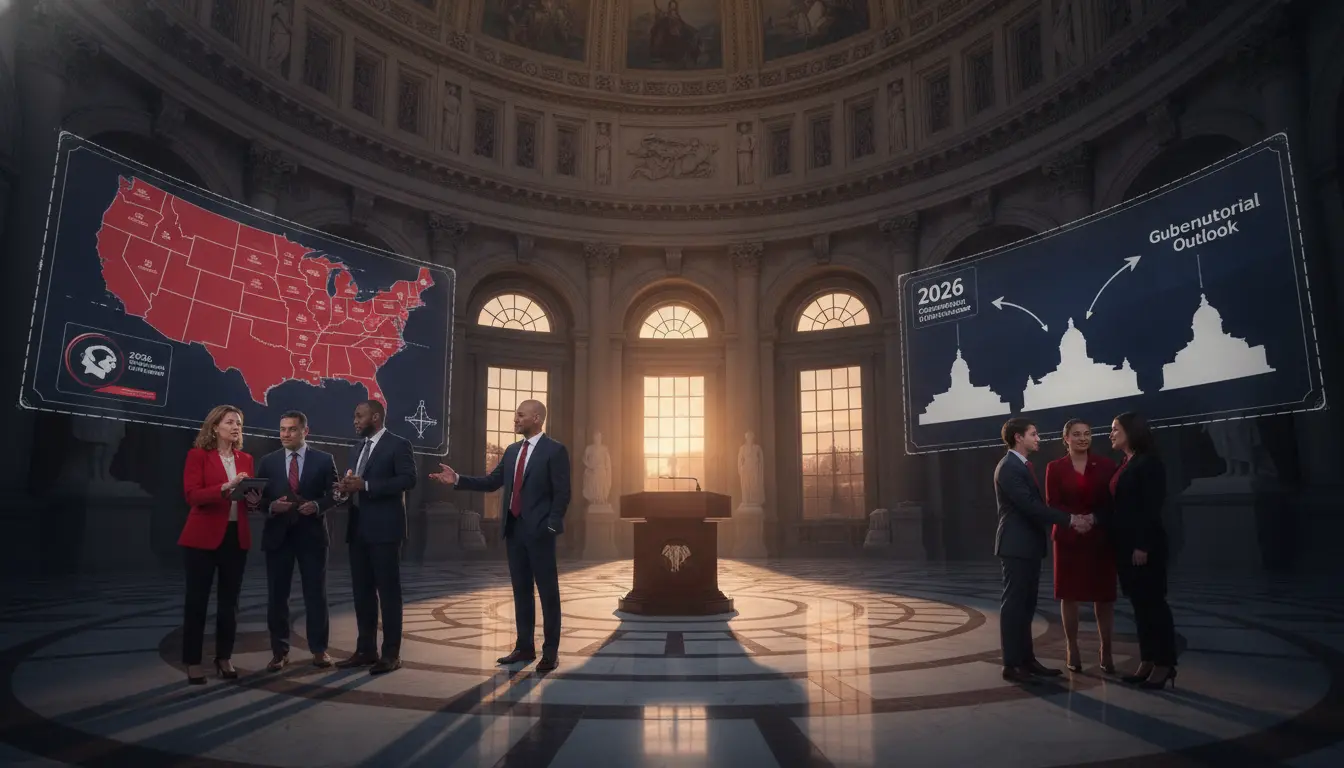
2026 Gubernatorial Elections: Republicans Eye Significant Statehouse Shifts
Campaign Spending for 2026 US Midterm Elections Poised to Exceed $18 Billion Following Judicial Shifts
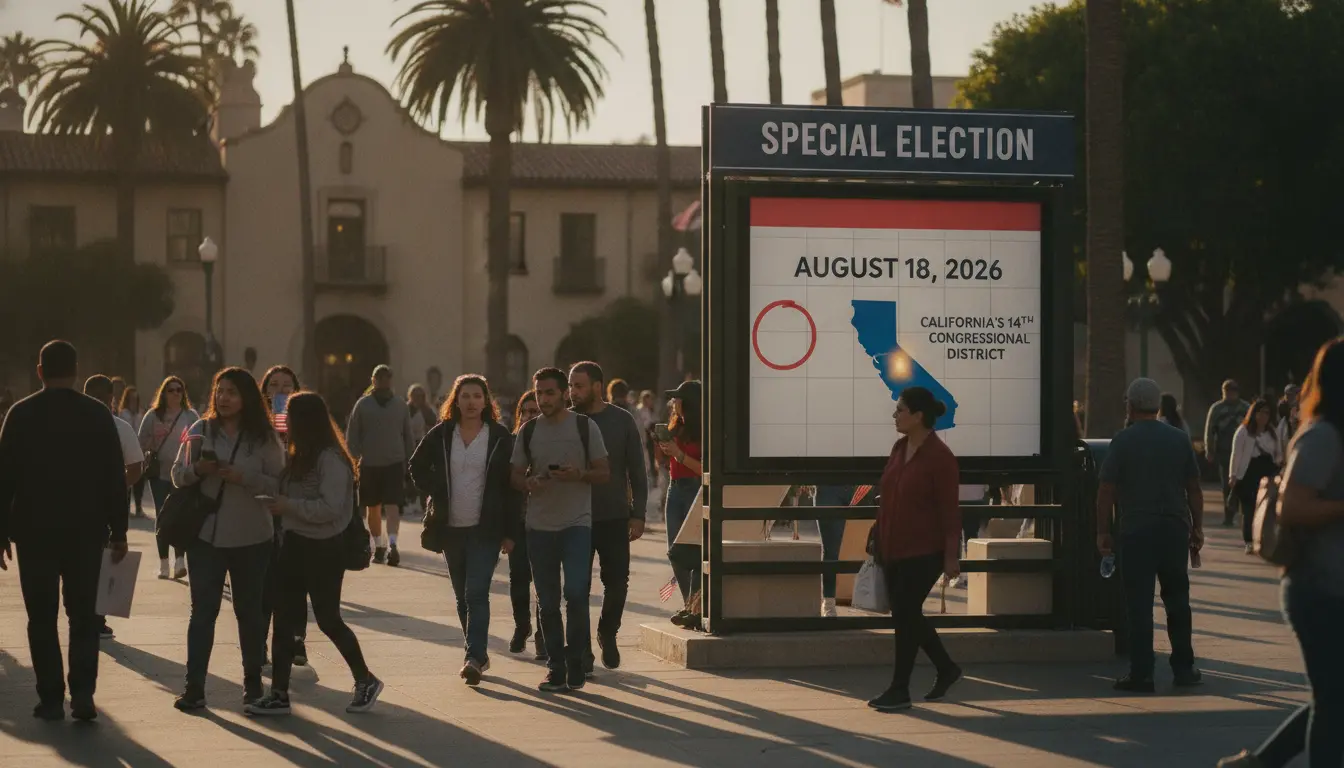
California's 14th Congressional District Gears Up for August 2026 Special Election

Anticipated Surge in Late-Counted Mail Ballots for 2026 US Midterms Following Key Court Decisions

California's 14th Congressional District Readies for Pivotal 2026 Special Election
Speculation Intensifies Over Donald Trump's 2028 Presidential Bid Ahead of Key 2026 Political Crossroads

US Congress Accelerates Efforts to Enact Comprehensive Federal AI Regulation by 2026