

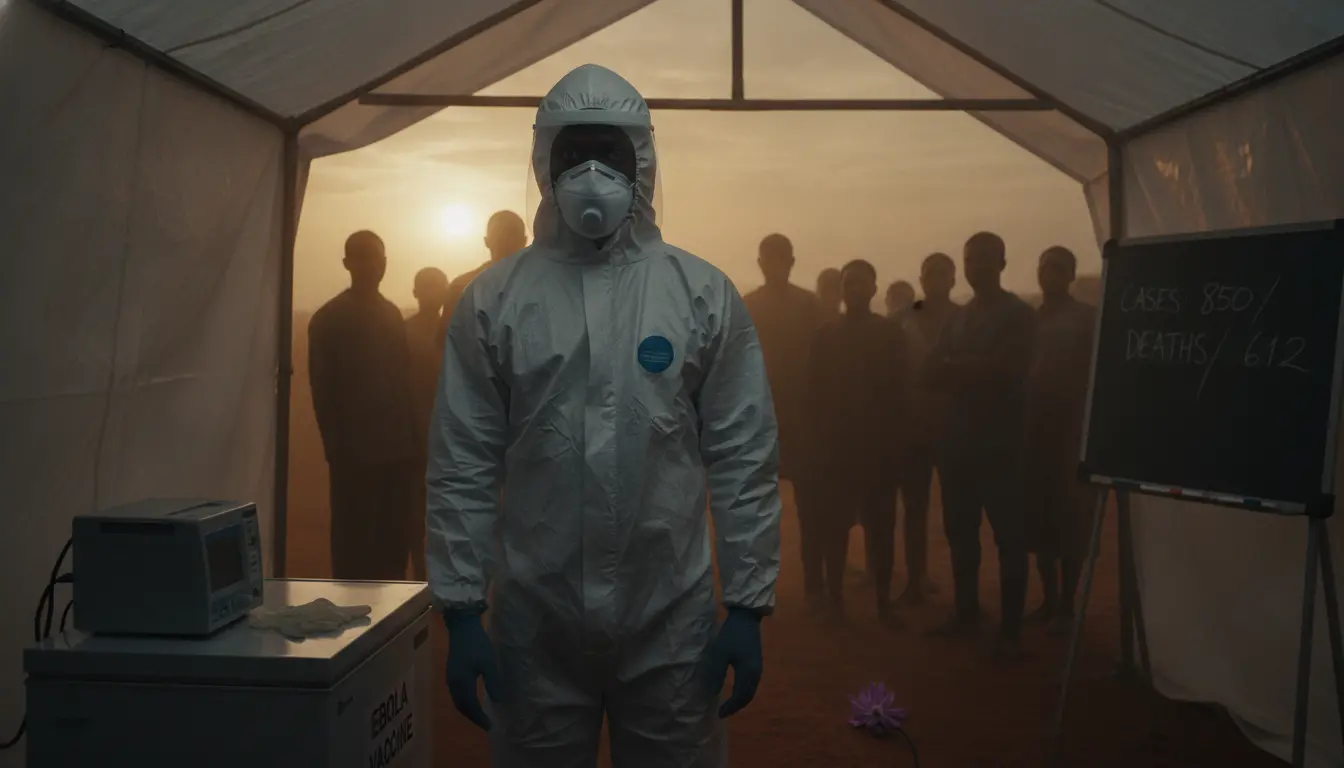
Africa CDC Warns of Unprecedented Ebola Spread as DR Congo Death Toll Climbs Past 600
The Democratic Republic of Congo is once again grappling with a severe Ebola outbreak, a recurring crisis that has now prompted dire warnings from public health authorities. With the confirmed death toll escalating rapidly and surpassing 600, the Africa Centres for Disease Control and Prevention (Africa CDC) has characterized the current situation as potentially the fastest-growing Ebola outbreak ever recorded in the nation's history. This alarming assessment underscores the immense challenges facing health workers and international aid organizations in a region frequently ravaged by the deadly virus and complicated by other humanitarian crises.
Ebola has a long and tragic history in the DRC, with the nation experiencing more outbreaks than any other country globally since the virus was first identified in 1976. The ongoing epidemic is primarily concentrated in the conflict-prone eastern provinces, a volatile environment that severely complicates response efforts. Years of insecurity, mistrust in governmental institutions, and the presence of numerous armed groups create formidable barriers to vaccination campaigns, contact tracing, and safe burial practices—all critical pillars of Ebola containment. Communities often view external health interventions with suspicion, sometimes fueled by misinformation, leading to resistance and even violent attacks on health workers, further hindering the ability to control the disease's spread.
The current surge in cases highlights persistent vulnerabilities within the DRC's public health infrastructure. Despite significant advancements in medical tools, including effective vaccines and therapeutic treatments, deploying these resources effectively remains a logistical and social labyrinth. The World Health Organization (WHO) and Médecins Sans Frontières (MSF), alongside numerous local and international partners, are on the ground, striving to accelerate vaccination drives and improve case management. However, the sheer geographical spread of the virus, coupled with high population mobility and limited access to healthcare in remote areas, means that controlling the outbreak demands an extraordinary level of coordination and resources, often beyond what is readily available.
Efforts to combat the outbreak involve a multi-pronged strategy. This includes active surveillance to identify new cases swiftly, rigorous contact tracing to monitor those exposed, isolation and treatment of infected individuals, and the promotion of safe and dignified burial practices to prevent further transmission. Community engagement is paramount, with health communicators working to build trust and educate populations on preventive measures. Despite these concerted actions, the climbing death toll suggests that the virus is outpacing containment efforts in many areas, raising concerns about its potential to spread beyond current hotspots and into more densely populated urban centers or across porous national borders.
The humanitarian stakes in this escalating crisis are exceptionally high. Beyond the immediate threat to life, an uncontrolled Ebola outbreak can devastate local economies, overwhelm already fragile health systems, and exacerbate existing food insecurity and displacement challenges. The continuous cycles of disease and conflict trap communities in a spiral of instability, making recovery and long-term development exceedingly difficult. International support, both financial and technical, is crucial for sustained intervention, bolstering the capacity of Congolese health authorities, and safeguarding regional public health. Without a robust and coordinated global response, the consequences for the DRC and its neighbors could be dire, underscoring the urgent need for heightened vigilance and unwavering commitment to eradication.
Addressing the root causes of recurrent outbreaks—such as poverty, weak governance, and persistent conflict—is a long-term endeavor that runs parallel to the immediate emergency response. Improving access to basic healthcare, strengthening surveillance systems, and fostering community resilience are vital for breaking the cycle of Ebola epidemics. As the death toll continues to mount, the international community faces a critical moment to redouble its efforts, not only to contain the current crisis but to invest in sustainable solutions that will protect the people of the DR Congo from future health catastrophes.
Stay Informed. Act Smarter.
Get weekly highlights, major headlines, and expert insights — then put your knowledge to work in our live prediction markets.
Related News
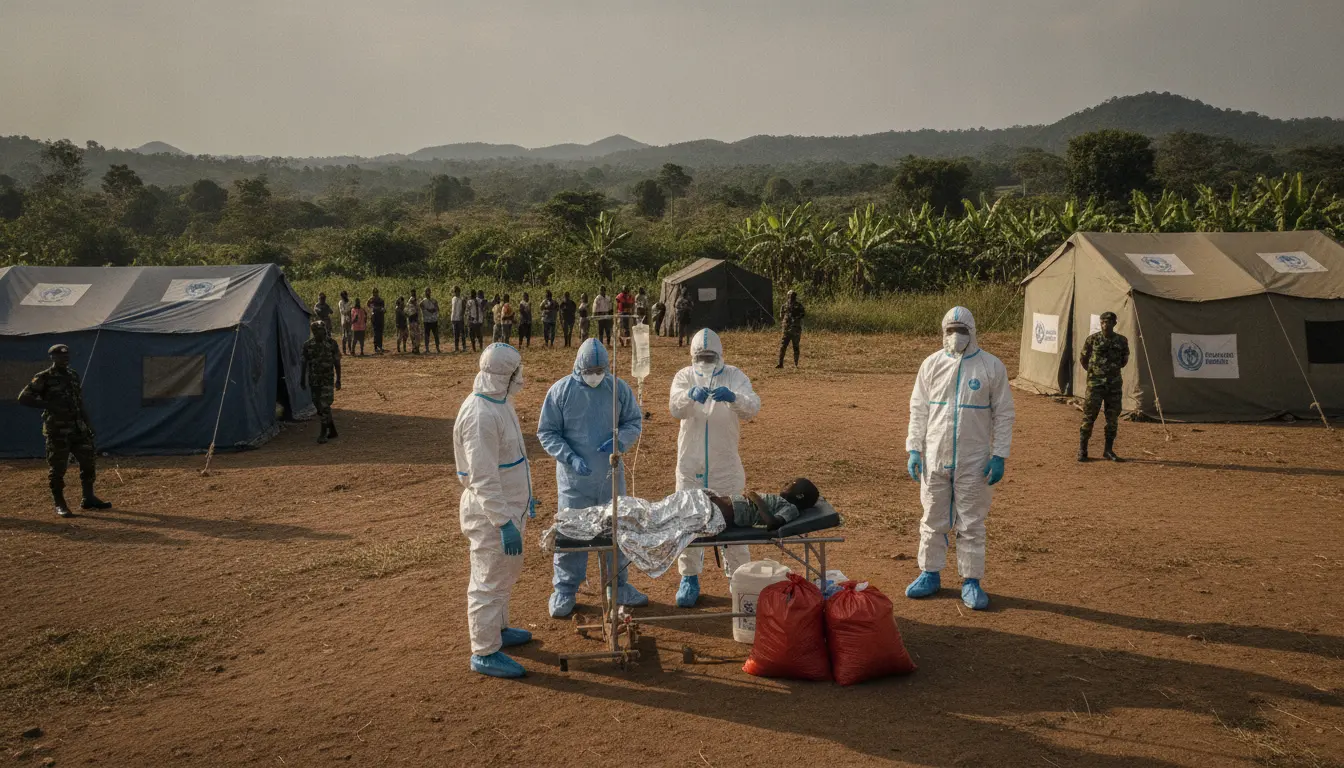
Democratic Republic of Congo Confronts Unprecedented Ebola Outbreak Amidst Regional Health Crisis
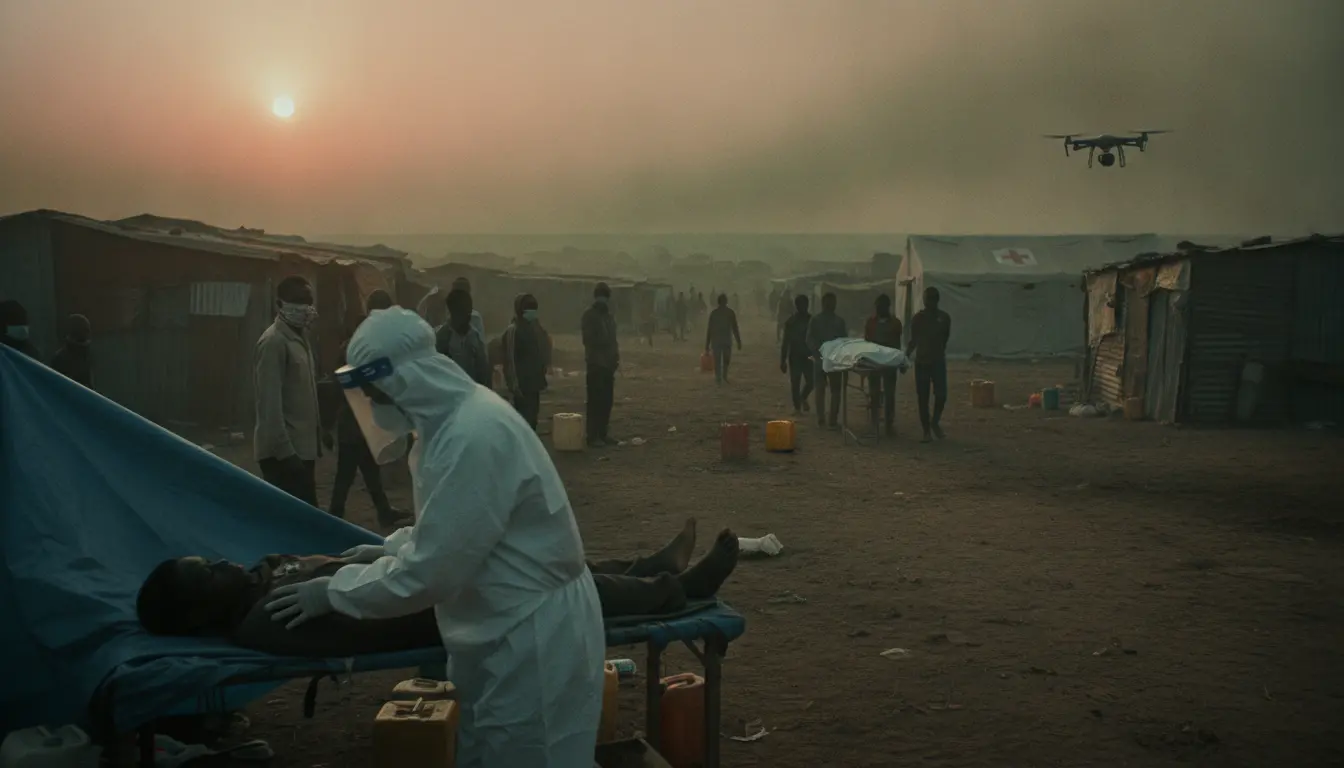
Africa Grapples with 'Fastest-Growing Ever' Ebola Outbreak Amidst Rising Death Toll
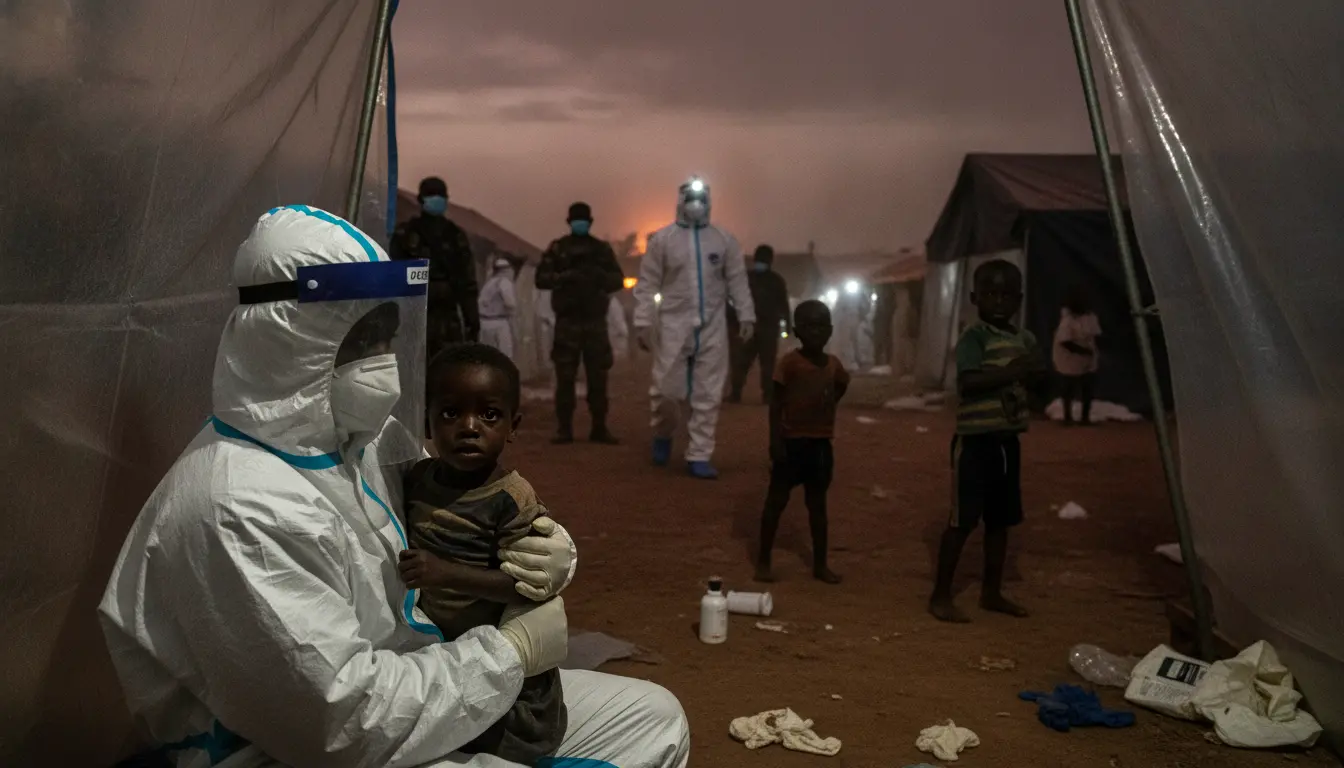
Democratic Republic of Congo Battles Rapidly Escalating Ebola Outbreak Amid Warnings of Child Infection Spike
WHO Under Scrutiny Amid Protracted Ebola Outbreak in DR Congo; International Community on Alert
Ebola Outbreak in DRC and Uganda Escalates to International Emergency, Sparks Global Monitoring After French Case

France Confirms First Ebola Patient Following Doctor's Return from DRC Outbreak Zone
Kenyan Court Order Halts Construction of Crucial US-Backed Infectious Disease Facility
Deadly Earthquakes Strike Venezuela, Casualties Mount as Rescue Efforts Continue
Australia Records First Mainland H5N1 Bird Flu Case Amid Global Pandemic Watch
Devastating Earthquake Rocks Venezuela, Initial Death Toll Reaches 32 Amid Intense Rescue Efforts